De ethiek van AI bij live-evenementen
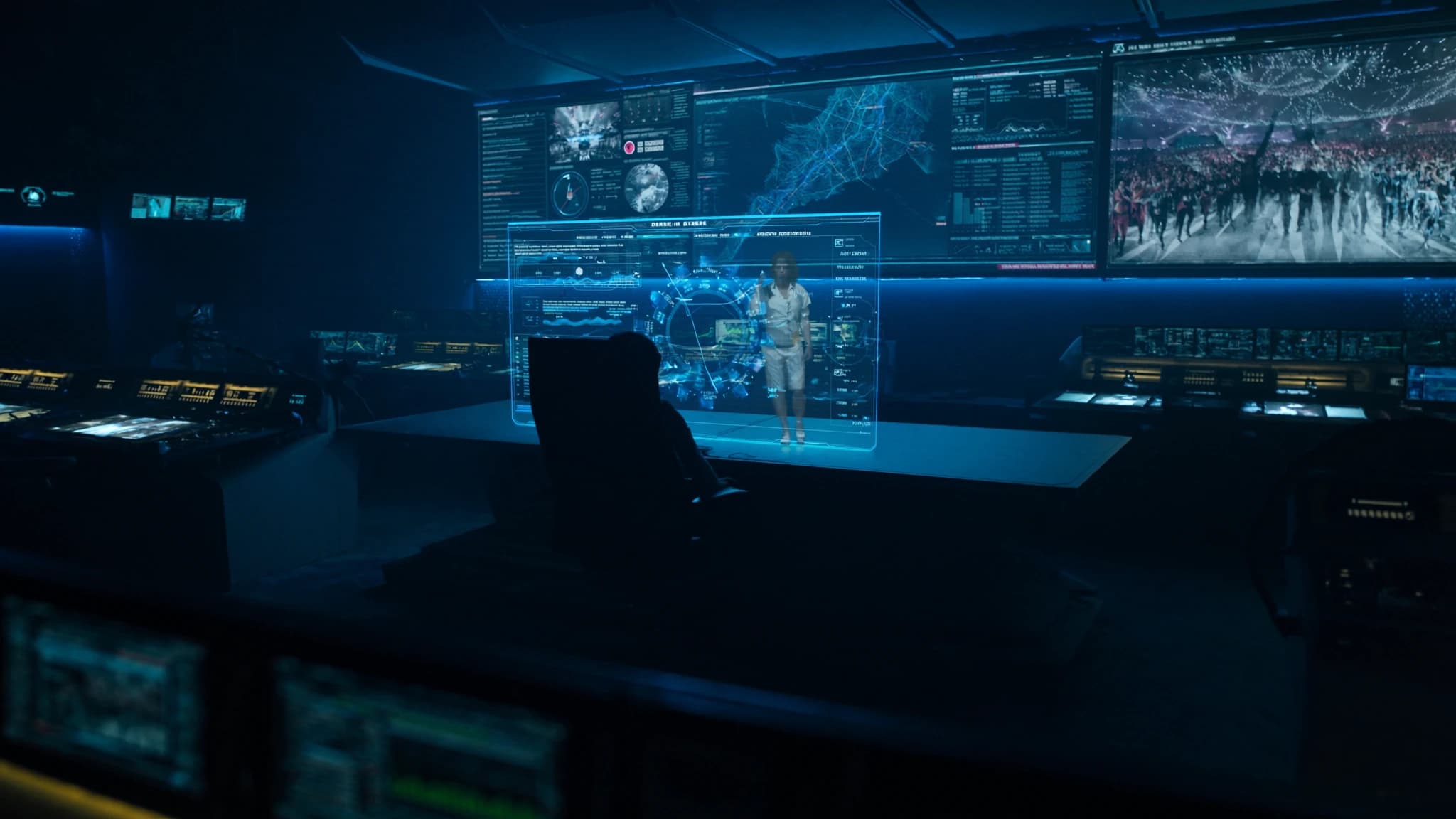
Nu kunstmatige intelligentie live-evenementen hervormt, van AI-ondersteunde mixing en geautomatiseerde belichting tot gezichtsherkenning en generatieve content, staat de industrie voor dringende ethische vragen. Deze gids onderzoekt de belangrijkste dilemma's: baanverlies, toestemming en portretrechten, gegevensprivacy en surveillance, en de authenticiteit van AI-gegenereerde ervaringen. SSOUNDS, als professionele audioproducent, gelooft dat verantwoorde adoptie mogelijk is wanneer transparantie, menselijk toezicht en ethisch ontwerp prioriteit krijgen.
Belangrijkste punten
- AI moet menselijke rollen versterken, niet vervangen; investeer in omscholing en toezicht.
- Verkrijg expliciete toestemming voor het gebruik van AI om de gelijkenis van een artiest of bezoeker te genereren of te manipuleren.
- Wees transparant over gegevensverzameling en -gebruik; minimaliseer en anonimiseer gegevens waar mogelijk.
- Behoud authenticiteit door AI-gegenereerde content te labelen en optredens echt live te houden.
- Controleer AI-systemen op vooroordelen en waarborg eerlijkheid voor alle demografische groepen.
- Volg een verantwoord kader: transparantie, menselijk toezicht, toestemming, privacy, eerlijkheid en verantwoordelijkheid.
Banen en het menselijke element
Een van de meest directe zorgen is of AI bekwame technici, ingenieurs en creatievelingen zal vervangen. In live sound kan AI mixing automatiseren, systeemafstemming optimaliseren en onderhoudsbehoeften voorspellen, taken die ooit jarenlange expertise vereisten. SSOUNDS ziet AI echter als een hulpmiddel dat menselijk talent versterkt in plaats van vervangt. AI-ondersteunde akoestische modellering kan bijvoorbeeld het systeemontwerp versnellen, maar de uiteindelijke afstemming en creatieve beslissingen blijven afhankelijk van een menselijk oor en ervaring.
Het risico op baanverlies is reëel, vooral voor routinetaken. Maar de industrie kan dit beperken door werknemers om te scholen naar rollen op hoger niveau: creatieve regie, ontwerp van publiekservaring en toezicht op AI-systemen. Ethische adoptie betekent investeren in training en ervoor zorgen dat AI-implementatie niet simpelweg kosten verlaagt ten koste van levensonderhoud.
Toestemming en portretrecht in AI-gegenereerde content
AI kan nu realistische avatars, deepfake-optredens en virtuele versies van artiesten genereren, wat serieuze vragen oproept over toestemming en portretrechten. Als een AI het beeld of de stem van een artiest zonder toestemming nabootst, schendt dit hun autonomie en mogelijk hun levensonderhoud. Evenementorganisatoren moeten expliciete, geïnformeerde toestemming van artiesten verkrijgen voordat ze AI gebruiken om hun gelijkenis te genereren of te manipuleren.
Contracten moeten duidelijk definiëren hoe AI zal worden gebruikt, welke gegevens worden verzameld en of de digitale tweeling van de artiest opnieuw mag worden gebruikt. Hetzelfde geldt voor bezoekers: als AI wordt gebruikt om hun beeld vast te leggen of te wijzigen (bijvoorbeeld voor immersieve projecties), moeten ze hiermee instemmen. SSOUNDS pleit voor sectorbrede normen die individuele rechten respecteren en uitbuiting voorkomen.
Gegevensprivacy en surveillance
AI-systemen bij live-evenementen zijn vaak afhankelijk van gegevens, van ticketaankopen, sociale media, gezichtsherkenning en zelfs audio-opnamen. Deze gegevens kunnen personalisatie, veiligheid en publieksbeheer verbeteren, maar vormen ook privacyrisico's. Ongecontroleerde surveillance kan een concert veranderen in een gegevensverzamelingsoefening, wat het vertrouwen ondermijnt.
Ethische implementatie vereist transparantie: bezoekers moeten weten welke gegevens worden verzameld, hoe ze worden gebruikt en hoe lang ze worden bewaard. Dataminimalisatie, alleen verzamelen wat nodig is, en anonimisering zijn essentieel. SSOUNDS is van mening dat audiogegevens bijvoorbeeld nooit voor surveillance mogen worden gebruikt zonder expliciete toestemming. Evenementorganisatoren moeten ook voldoen aan regelgeving zoals de AVG en lokale privacywetten.
Authenticiteit en de live-ervaring
Live-evenementen worden gewaardeerd om hun authenticiteit, de ongeregisseerde momenten, de menselijke connectie, de gedeelde ervaring. AI kan dit versterken door geluidskwaliteit, belichting en effecten te verbeteren, maar het kan dit ook ondermijnen als het wordt gebruikt om optredens te vervalsen of publieksreacties te manipuleren. AI-gegenereerd applaus of vooraf opgenomen vocalen die als live worden gepresenteerd, kunnen het publiek bijvoorbeeld misleiden.
Authenticiteit moet behouden blijven. SSOUNDS raadt aan dat alle AI-gegenereerde content duidelijk wordt gelabeld en dat de kernprestatie echt live blijft. AI moet de ervaring dienen, niet het menselijke element vervangen. Bij transparant gebruik, zoals AI-ondersteunde mixing die zich aanpast aan de ruimte, kan het de authenticiteit juist versterken door helderder, meeslepender geluid te leveren.
Vooroordelen en eerlijkheid in AI-systemen
AI-modellen die zijn getraind op bevooroordeelde data kunnen discriminatie in stand houden. Bij live-evenementen kan dit betekenen dat belichtings- of geluidssystemen bepaalde huidskleuren bevoordelen, of dat aanbevelingsalgoritmen diverse artiesten uitsluiten. Het waarborgen van eerlijkheid vereist diverse trainingsdata, regelmatige audits en inclusief ontwerp.
SSOUNDS-ingenieurs werken aan het elimineren van vooroordelen in akoestische modellen en DSP-presets door te testen in uiteenlopende omgevingen en demografische groepen. De industrie moet AI-systemen verantwoordelijk houden, met duidelijke maatstaven voor eerlijkheid en een toewijding om vooroordelen te corrigeren wanneer ze worden gevonden.
Verantwoorde adoptie: een kader
Om AI ethisch te adopteren, moeten evenementprofessionals een kader volgen: (1) Transparantie, maak AI-gebruik bekend aan alle belanghebbenden. (2) Menselijk toezicht, houd een mens in de lus voor kritieke beslissingen. (3) Toestemming, verkrijg toestemming voor gegevensverzameling en gebruik van gelijkenis. (4) Privacy, minimaliseer en bescherm gegevens. (5) Eerlijkheid, controleer op vooroordelen. (6) Verantwoordelijkheid, neem verantwoordelijkheid voor AI-uitkomsten.
SSOUNDS integreert deze principes in zijn AI-ondersteunde tools, zodat de technologie versterkt in plaats van uitbuit. Door ethiek prioriteit te geven, kan de live-evenementenindustrie de voordelen van AI benutten met behoud van vertrouwen en integriteit.
Veelgestelde vragen
Zal AI live sound engineers vervangen?
AI kan sommige taken automatiseren, maar het zal ingenieurs waarschijnlijk niet volledig vervangen. In plaats daarvan verschuift hun focus naar creatieve en toezichthoudende rollen. SSOUNDS ontwerpt AI-tools om menselijke expertise te ondersteunen, niet te vervangen.
Is het legaal om AI te gebruiken om de stem of het beeld van een artiest na te bootsen?
Het hangt af van toestemming en contracten. Zonder expliciete toestemming kan het inbreuk maken op persoonlijkheidsrechten, auteursrechten of publiciteitswetten. Vraag altijd schriftelijke toestemming en specificeer hoe de AI zal worden gebruikt.
Hoe kunnen evenementorganisatoren de privacy van bezoekers beschermen bij het gebruik van AI?
Door transparant te zijn over gegevensverzameling, alleen noodzakelijke gegevens te verzamelen, deze te anonimiseren en te voldoen aan privacywetten. SSOUNDS raadt duidelijke bewegwijzering en opt-in toestemming aan voor elke vorm van surveillance of gegevensvastlegging.
Kan AI-gegenereerde content als authentiek worden beschouwd?
Als het wordt onthuld, kan AI-gegenereerde content deel uitmaken van een authentieke ervaring, maar het mag het publiek niet misleiden. Het labelen van AI-bijdragen behoudt vertrouwen.
Welke stappen kan ik nemen om ervoor te zorgen dat mijn AI-gebruik ethisch is?
Volg een kader: wees transparant, houd mensen in de lus, verkrijg toestemming, bescherm privacy, controleer op vooroordelen en neem verantwoordelijkheid. SSOUNDS biedt begeleiding bij ethische AI-integratie in live sound.
Een systeem bouwen of upgraden?
SSOUNDS ontwerpt en produceert professionele PA wereldwijd, van een enkele ruimte tot stadionformaat.