De Toekomst van AI in Pro Audio
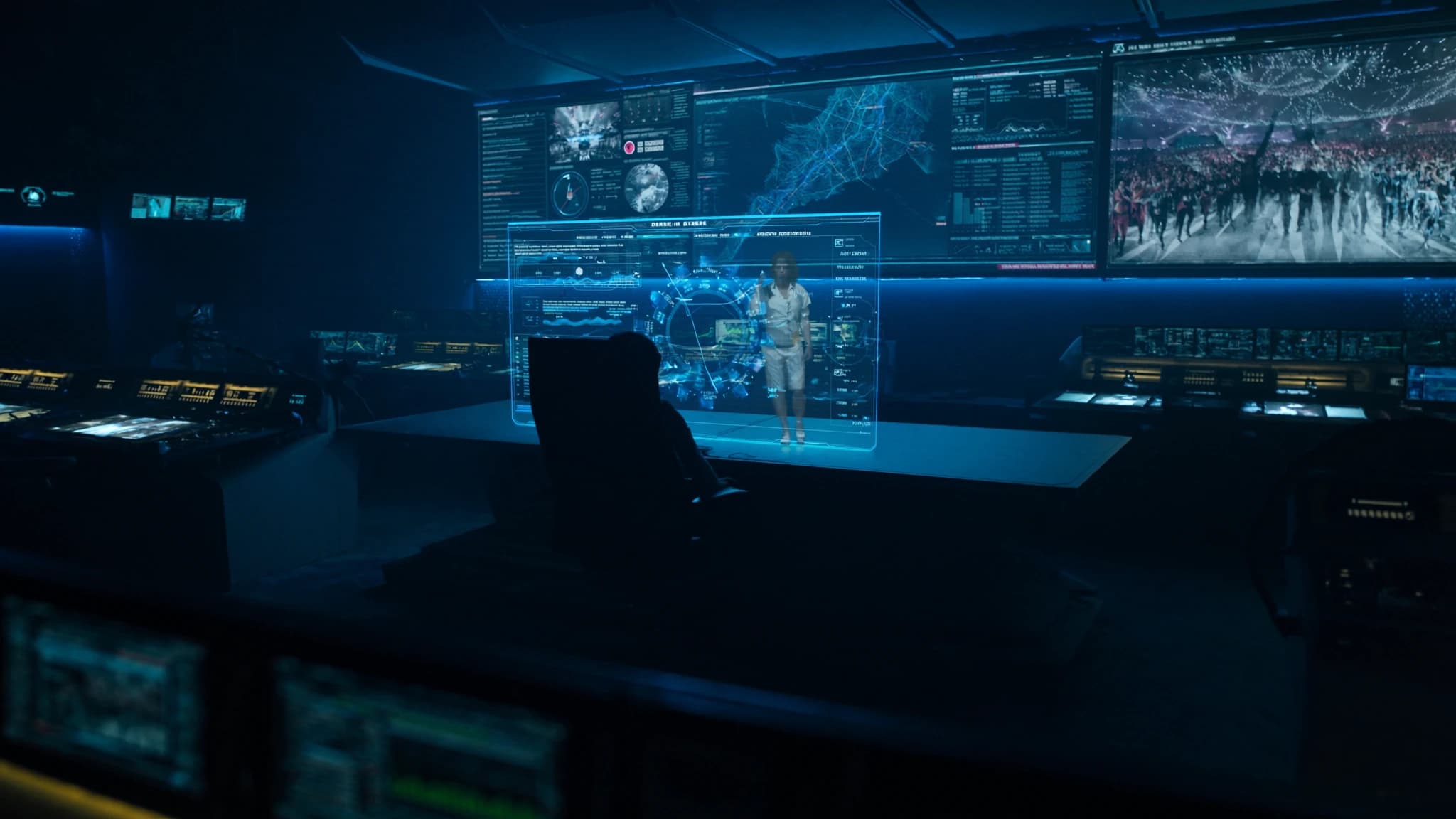
Kunstmatige intelligentie hervormt de professionele audio, van systeemontwerp tot live mixen en onderhoud. Als fabrikant zien wij bij SSOUNDS AI als een krachtig hulpmiddel dat menselijke expertise versterkt, niet vervangt. Deze gids verkent waar AI naartoe gaat en wat stevig in menselijke handen blijft.
Belangrijkste punten
- AI verbetert systeemontwerp door dekking te simuleren en DSP-presets te optimaliseren, maar menselijke ontwerpers nemen de uiteindelijke beslissing.
- In live mixen kan AI technische taken automatiseren, waardoor engineers zich kunnen richten op creatieve beslissingen.
- Voorspellend onderhoud aangedreven door AI vermindert downtime door de gezondheid van luidsprekers en versterkers te monitoren.
- AI in contentcreatie versnelt postproductie, maar menselijke smaak blijft essentieel voor artistieke mixes.
- De toekomst van pro audio is een partnerschap tussen AI en mensen, met SSOUNDS voorop in slimme systeemintegratie.
AI in Systeemontwerp en Voorspelling
Het ontwerpen van een grootschalig geluidssysteem is altijd een complexe puzzel geweest: dekking, SPL, verstaanbaarheid en rigging moeten allemaal op elkaar afgestemd zijn. AI versnelt dit door duizenden configuraties in enkele minuten te simuleren. Bij SSOUNDS gebruiken we AI-ondersteunde akoestische modellering om te voorspellen hoe onze line arrays en subwoofers zich in een bepaalde locatie zullen gedragen, lang voordat er ook maar één box wordt gehangen. Dit vermindert giswerk en zorgt ervoor dat het ontwerp aan de doelstellingen van de klant voldoet.
Machine learning optimaliseert ook luidsprekerpresets. Door enorme datasets van drivergedrag en behuizingsresponsen te analyseren, kan AI DSP-parameters fijn afstellen voor consistente prestaties over productiereeksen. Dit betekent dat elk SSOUNDS-systeem wordt geleverd met presets die al bijna ideaal zijn, wat integrators uren aan afstelling bespaart.
De toekomst zal zien dat AI niet alleen voorspelt, maar ook ontwerpalternatieven voorstelt. Als een locatie bijvoorbeeld een lastige vorm heeft, zou AI een gedistribueerd systeem of een andere array-curvatuur kunnen voorstellen. De uiteindelijke beslissing ligt echter nog steeds bij de systeemontwerper, die praktische factoren zoals budget, riggingpunten en klantvoorkeuren afweegt.
AI in Live Mixen en Processing
Live mixen is een kunst, maar AI kan repetitieve taken uitvoeren en intelligente ondersteuning bieden. Stel je een AI voor die automatisch de gain-structuur aanpast, dynamische EQ toepast om feedback te temmen, of vocalen in balans brengt met een luide band. Een deel hiervan bestaat vandaag al in geavanceerde consoles, maar de volgende golf zal meer geïntegreerd en transparant zijn.
Bij SSOUNDS onderzoeken we AI-gestuurde DSP die zich in realtime aanpast aan veranderende akoestiek. Als de temperatuur of luchtvochtigheid van een locatie bijvoorbeeld verandert, zou de AI subtiel de EQ kunnen bijstellen om de toonbalans te behouden. Dit gaat niet over het vervangen van de engineer; het gaat erom hen superkrachten te geven. De engineer neemt nog steeds creatieve beslissingen, maar de AI neemt het technische monnikenwerk over.
Er is ook potentieel voor AI om te helpen bij immersive audiomixing. Met objectgebaseerde formaten kan AI pannen en beweging automatiseren, waardoor de mixer zich kan richten op de emotionele impact. Maar ook hier blijven het menselijke oor en de smaak de uiteindelijke rechter.
AI voor Onderhoud en Betrouwbaarheid
Downtime is een nachtmerrie in live sound. AI kan storingen voorspellen voordat ze optreden door luidsprekertelemetrie te monitoren: spreekspoeltemperatuur, uitslag, versterkerbelasting en meer. SSOUNDS integreert machine learning in onze systeemgezondheidsmonitoring, zodat afwijkingen waarschuwingen activeren voordat een driver doorbrandt.
Voorspellend onderhoud strekt zich uit tot versterkers en DSP. AI kan stroomverbruikpatronen en signaalintegriteit analyseren om potentiële problemen te signaleren. Dit is vooral waardevol op tournees waar apparatuur nacht na nacht zwaar wordt belast. Door problemen vroeg op te sporen, helpt AI ervoor te zorgen dat de show doorgaat.
Naast hardware kan AI de logistiek optimaliseren. Voor verhuurbedrijven zou AI de vraag kunnen voorspellen en voorraadtoewijzing kunnen voorstellen. Voor fabrikanten kan het de kwaliteitscontrole stroomlijnen door productiedefecten via audioanalyse te detecteren. Het doel is betrouwbaarheid, en AI is een krachtige bondgenoot.
AI in Contentcreatie en Postproductie
AI transformeert al studiowerk met tools voor ruisonderdrukking, stemaanzetseparatie en zelfs mixsuggesties. In pro audio worden deze tools steeds geavanceerder. Voor live-opnames kan AI automatisch overspraak tussen microfoons opruimen of de helderheid van een modderige mix herstellen.
SSOUNDS ziet AI als een manier om content voor onze gebruikers te verbeteren. Een AI zou bijvoorbeeld een live-opname kunnen analyseren en EQ- of compressie-instellingen kunnen voorstellen die bij de akoestiek van de locatie passen. Dit helpt bands en engineers sneller betere mixes te produceren.
AI-gegenereerde content mist echter nog steeds de nuance van menselijke creativiteit. De beste resultaten komen voort uit een hybride aanpak: AI doet het technische, mensen doen het artistieke. Deze balans zal de toekomst van contentcreatie bepalen.
Wat Menselijk Blijft
Ondanks de vooruitgang van AI blijven bepaalde aspecten van pro audio inherent menselijk. De creatieve beslissing om een vocal iets naar voren te halen in de mix, de intuïtie om te weten wanneer een publiek meer energie nodig heeft, het vermogen om onder druk een vreemde brom op te lossen: dit zijn menselijke vaardigheden.
AI kan data en suggesties leveren, maar het kan de muziek niet voelen. Het kan de emotionele boog van een optreden of de culturele context van een nummer niet begrijpen. Bij SSOUNDS ontwerpen we onze systemen als tools voor menselijke expressie, niet als vervanging daarvan.
Bovendien is de relatie tussen een engineer en een fabrikant gebouwd op vertrouwen en communicatie. AI kan ondersteunen, maar het laatste woord over systeemontwerp en afstelling komt vaak neer op een gesprek tussen experts. Die menselijke connectie is onvervangbaar.
De SSOUNDS Visie: AI als Enabler
Bij SSOUNDS investeren we in AI om onze luidsprekers, versterkers en DSP slimmer en betrouwbaarder te maken. Onze R&D in Europa maakt gebruik van AI-ondersteunde modellering en machine learning om de grenzen van wat mogelijk is te verleggen. Maar we verliezen nooit uit het oog dat onze producten mensen dienen: muzikanten, engineers en publiek.
Wij geloven dat de toekomst van pro audio een samenwerking is tussen menselijke vindingrijkheid en kunstmatige intelligentie. AI zal de complexe berekeningen, het voorspellende onderhoud en de repetitieve taken afhandelen, waardoor mensen zich kunnen richten op creativiteit en verbinding. Dit is de visie die ons drijft.
Als wereldwijde fabrikant met kantoren in het VK, de VS, Nigeria, Ghana en West-Afrika, zijn we toegewijd aan het leveren van systemen die deze balans belichamen. Of je nu op tournee bent in Lagos, Londen of Los Angeles, SSOUNDS staat klaar om je geluid te ondersteunen met geavanceerde technologie en menselijke expertise.
Veelgestelde vragen
Zal AI geluidstechnici vervangen?
Nee. AI zal repetitieve en technische taken automatiseren, maar de creatieve en emotionele aspecten van mixen en systeemontwerp blijven menselijk. Engineers zullen AI gebruiken als een hulpmiddel om hun werk te verbeteren.
Hoe gebruikt SSOUNDS AI in zijn producten?
SSOUNDS gebruikt AI-ondersteunde akoestische modellering voor systeemontwerp, machine learning voor DSP-optimalisatie en voorspellend onderhoud voor betrouwbaarheid. Ons doel is om systemen slimmer en betrouwbaarder te maken.
Kan AI helpen bij systeemafstelling in verschillende locaties?
Ja. AI kan de akoestiek van een locatie analyseren en EQ- en delay-instellingen voorstellen, maar een menselijke engineer moet dit verifiëren en fijn afstellen op basis van subjectief luisteren.
Wordt AI vandaag al gebruikt in live sound?
Sommige AI-functies bestaan al in geavanceerde consoles en DSP, zoals automatische feedbackonderdrukking. Geavanceerdere AI voor mixen en onderhoud is in opkomst en zal steeds gebruikelijker worden.
Welke rol speelt AI in de productie bij SSOUNDS?
AI helpt bij het optimaliseren van luidsprekerpresets en kwaliteitscontrole. Het ondersteunt ook bij het simuleren van prestaties, zodat elk SSOUNDS-systeem aan onze hoge normen voldoet voordat het wordt verzonden.
Een systeem bouwen of upgraden?
SSOUNDS ontwerpt en produceert professionele PA wereldwijd, van een enkele ruimte tot stadionformaat.