Hoe je je AV-carrière toekomstbestendig maakt voor AI
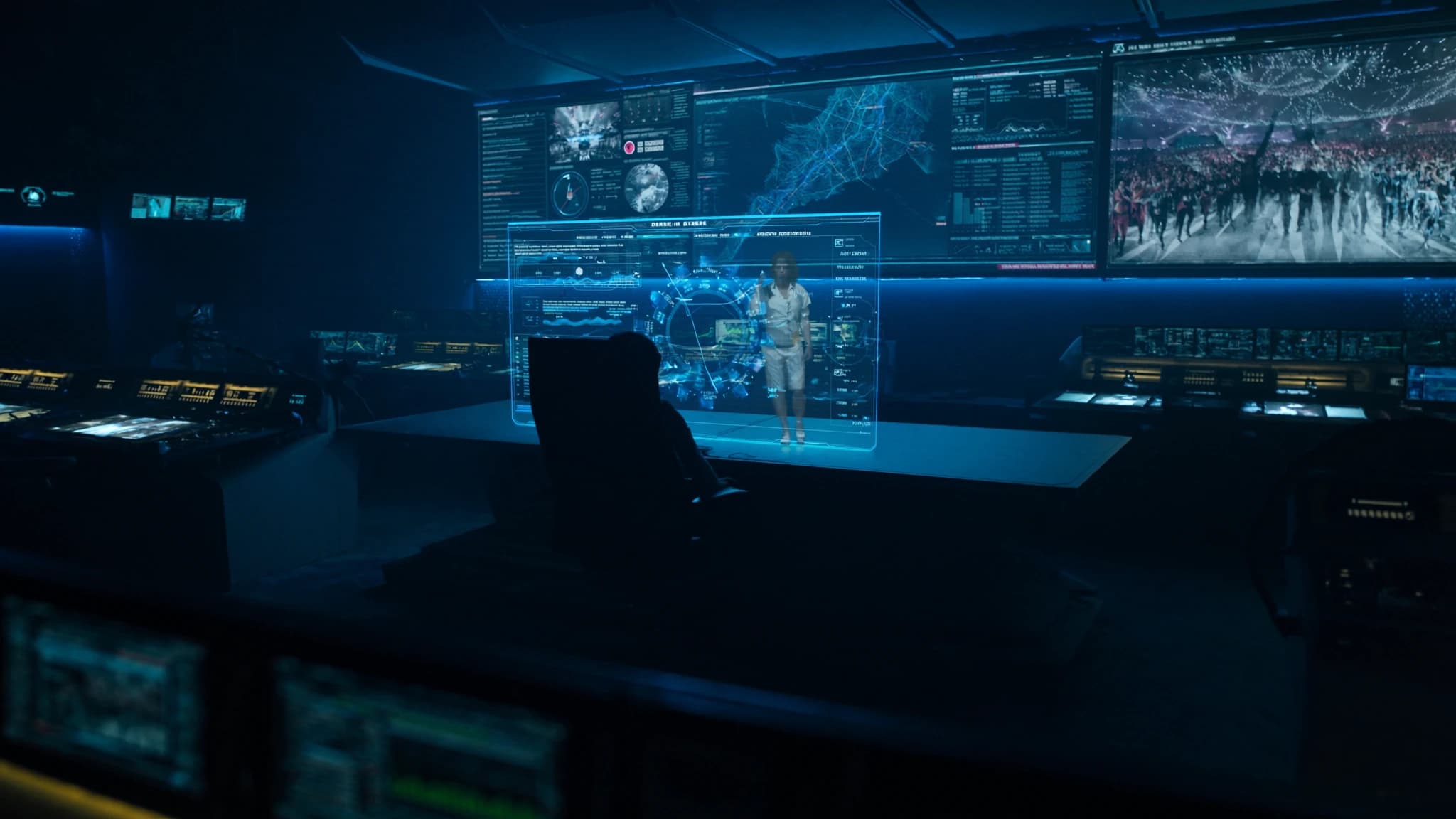
Nu kunstmatige intelligentie de audio-visuele industrie hervormt, maken veel professionals zich zorgen dat automatisering hun rollen zal vervangen. De waarheid is dat AI een krachtig hulpmiddel is dat, wanneer je het beheerst, je waarde kan verhogen in plaats van verlagen. Deze gids biedt praktische strategieën voor AV-professionals om hun carrière toekomstbestendig te maken door te focussen op vaardigheden die AI aanvult en gebieden waar menselijke expertise onvervangbaar blijft.
Belangrijkste punten
- AI automatiseert repetitieve taken, maar kan menselijke creativiteit, empathie en kritisch denken niet vervangen.
- Verdiep onvervangbare vaardigheden zoals kritisch luisteren, klantcommunicatie en live probleemoplossing.
- Beheers AI-tools om efficiëntie te verhogen en de go-to expert te worden voor AI-versterkte workflows.
- Specialiseer je in complexe, risicovolle omgevingen waar menselijke aanpasbaarheid essentieel is.
- Zet je in voor levenslang leren en netwerken om voorop te blijven lopen bij veranderingen in de industrie.
- Streef ernaar een hybride professional te worden die AV-expertise combineert met AI-vaardigheid.
Begrijp wat AI het beste doet in AV
AI blinkt uit in repetitieve, dataintensieve taken, denk aan geautomatiseerde mixing, optimalisatie van geluidssystemen en voorspellend onderhoud. AI-gestuurde DSP kan bijvoorbeeld een PA-systeem in seconden afstellen, en machine learning-algoritmen kunnen ruimteakoestiek analyseren om optimale luidsprekerposities voor te stellen. AI mist echter het contextuele begrip, de creativiteit en de genuanceerde besluitvorming die menselijke professionals meebrengen.
In plaats van deze mogelijkheden te vrezen, moet je ze leren benutten. Gebruik AI-tools voor tijdrovende kalibraties, zodat je je kunt richten op creatief geluidsontwerp, klantrelaties en complexe probleemoplossing. De sleutel is om AI te zien als een assistent, niet als een vervanging.
Verdiep je onvervangbare menselijke vaardigheden
Hoewel AI data kan verwerken, kan het menselijke intuïtie, empathie of artistiek oordeel niet repliceren. Vaardigheden zoals kritisch luisteren, mixen voor emotionele impact en het begrijpen van de visie van een klant zijn uniek menselijk. Investeer tijd in gehoor training, muziektheorie en het bestuderen van hoe verschillende genres zich vertalen in live sound.
Communicatie en projectmanagement zijn even belangrijk. AI kan rapporten genereren, maar het kan niet onderhandelen met een locatiemanager, een nerveuze artiest kalmeren of een crew onder druk leiden. Deze soft skills worden waardevoller naarmate technische taken geautomatiseerd worden.
Beheers AI-tools om concurrerend te blijven
De meest toekomstbestendige AV-professionals zijn degenen die AI-tools vloeiend kunnen bedienen. Leer AI-gebaseerde software voor systeemontwerp, geautomatiseerde mixing-plugins en voorspellende analyses voor apparatuuronderhoud gebruiken. SSOUNDS-engineers gebruiken bijvoorbeeld AI-ondersteunde akoestische modellering om dekkingspatronen te voorspellen, wat snellere en nauwkeurigere systeemimplementatie mogelijk maakt.
Maak je vertrouwd met platforms zoals Audinate's Dante Domain Manager, die AI gebruikt voor netwerkoptimalisatie, of de geautomatiseerde voorspellings tools van Soundvision. De persoon zijn die AI-gestuurde systemen kan opzetten, interpreteren en problemen kan oplossen, maakt je onmisbaar.
Specialiseer je in complexe, risicovolle omgevingen
AI heeft moeite met onvoorspelbare, risicovolle scenario's zoals live broadcast, grootschalige festivals of immersieve installaties. Deze omgevingen vragen om real-time aanpasbaarheid, risicobeoordeling en creatieve probleemoplossing, allemaal menselijke sterke punten. Specialiseren in dergelijke gebieden, bijvoorbeeld het ontwerpen van audio voor een multi-stage festival of een corporate evenement met meerdere talen, zorgt ervoor dat je vaardigheden in trek blijven.
Richt je daarnaast op systeemintegratie en maatwerkoplossingen. AI kan standaardopstellingen voorstellen, maar het afstemmen van een systeem op een unieke locatie of artistieke visie vereist menselijke expertise. SSOUNDS verzorgt bijvoorbeeld vaak custom rigging en tuning voor complexe installaties, een service die AI niet kan repliceren.
Omarm continu leren en netwerken
De AV-industrie evolueert snel, en AI versnelt die verandering. Zet je in voor levenslang leren via certificeringen (bijv. CTS, Dante of fabrikanttraining), online cursussen en branche-evenementen. Volg thought leaders en fabrikanten zoals SSOUNDS, die regelmatig technische inzichten en case studies publiceren.
Netwerken is even cruciaal. Sluit je aan bij professionele organisaties zoals AES of NSCA, bezoek beurzen en neem deel aan online forums. Menselijke connecties leiden tot kansen die algoritmen niet kunnen genereren. Bekend staan als een betrouwbare, deskundige professional is een carrière-asset die AI niet kan repliceren.
Ontwikkel een hybride rol: de AI-versterkte AV-professional
De toekomst is aan professionals die technische AV-expertise combineren met AI-vaardigheid. Je kunt bijvoorbeeld AI gebruiken om eerste systeemontwerpen te genereren en deze vervolgens verfijnen op basis van je ervaring. Of je kunt AI-modellen trainen op je eigen mixing-voorkeuren om je workflow te versnellen.
Overweeg rollen zoals 'AV Systems Designer' of 'Audio Data Analyst' die traditionele vaardigheden combineren met datawetenschap. Door jezelf te positioneren als een brug tussen menselijke artisticiteit en machine-efficiëntie, word je onmisbaar voor elke organisatie.
Veelgestelde vragen
Zal AI live sound engineers vervangen?
AI zal bepaalde taken automatiseren, zoals basismixing en systeemafstelling, maar het kan de creatieve en adaptieve besluitvorming van een menselijke engineer niet vervangen. De rol zal zich meer gaan richten op artistieke regie, klantinteractie en het beheren van AI-tools.
Welke AI-tools moeten AV-professionals leren?
Begin met AI-ondersteunde software voor systeemontwerp (bijv. EASE Focus, Soundvision), geautomatiseerde mixing-plugins (bijv. iZotope Neutron) en platforms voor voorspellend onderhoud. Verken ook AI voor netwerkoptimalisatie en akoestische modellering.
Hoe blijf ik relevant als ik niet technisch ben?
Focus op soft skills zoals klantmanagement, projectcoördinatie en creatieve regie. Zelfs niet-technische rollen profiteren van inzicht in de mogelijkheden van AI om beter te communiceren met technische teams en klanten.
Is het de moeite waard om gecertificeerd te worden in AI voor AV?
Ja, certificeringen in AI-gerelateerde AV-tools (bijv. Dante, AES67 of fabrikantspecifieke training) tonen je toewijding aan bijblijven. Ze bieden ook praktische ervaring met de technologie.
Welke industrieën hebben nog steeds menselijke AV-professionals nodig?
Live-evenementen, broadcast, immersieve installaties en high-end corporate AV blijven menselijke expertise vereisen vanwege hun complexiteit en behoefte aan real-time aanpassing. Deze sectoren waarderen creativiteit en betrouwbaarheid boven automatisering.
Een systeem bouwen of upgraden?
SSOUNDS ontwerpt en produceert professionele PA wereldwijd, van een enkele ruimte tot stadionformaat.