AI-crowdmanagement en veiligheid bij evenementen
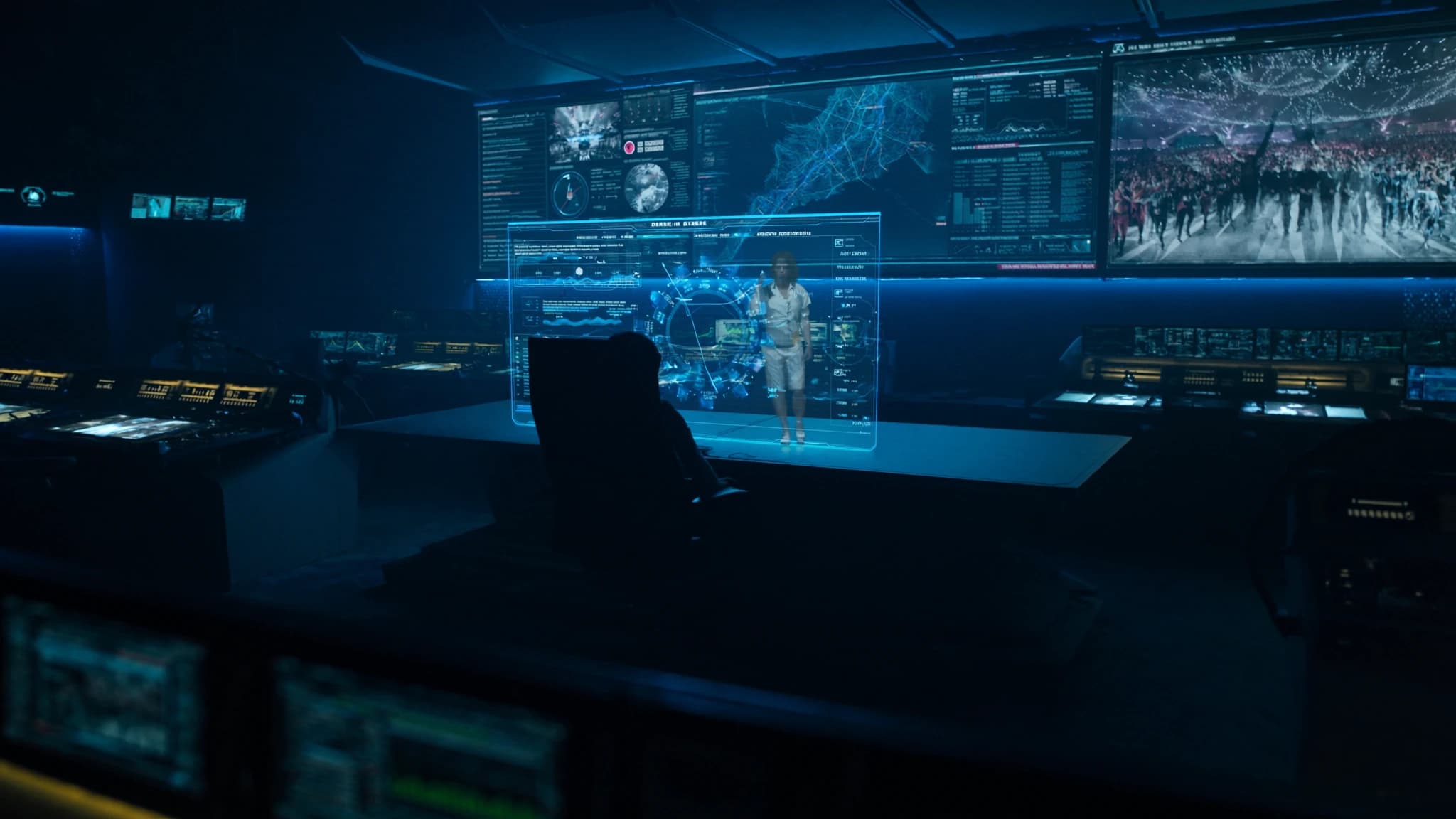
Naarmate evenementen opschalen naar tienduizenden bezoekers, zijn traditionele methoden voor crowdmanagement, handmatig tellen, statische barrières en reactieve respons, niet langer voldoende. AI-ondersteunde crowdmonitoring biedt nu realtime dichtheidsanalyse, stroomvoorspelling en incidentdetectie, waardoor veiligheidsteams proactief kunnen handelen. Bij SSOUNDS integreren we deze intelligente systemen met onze PA- en line array-implementaties om niet alleen kristalhelder geluid te garanderen, maar ook veiligere, responsievere evenementomgevingen.
Belangrijkste punten
- AI-crowdmanagement biedt realtime dichtheidsanalyse, stroomvoorspelling en incidentdetectie, als aanvulling op menselijke veiligheidsteams.
- Integratie met PA-systemen maakt gerichte, tijdige spraakaankondigingen mogelijk die de respons verbeteren en paniek verminderen.
- AI-systemen zijn privacybewust en gebruiken geanonimiseerde data en edge processing om de identiteit van bezoekers te beschermen.
- Voorspellende analytics maken proactieve veiligheidsmaatregelen mogelijk, zoals het aanpassen van evenementlogistiek voordat menigten gevaarlijk worden.
- SSOUNDS loopt voorop in het samenbrengen van AI-gedreven veiligheid met premium audiodekking, waardoor zowel geluidskwaliteit als veiligheid worden gegarandeerd.
De uitdaging van moderne crowdveiligheid
Grootschalige evenementen vertonen dynamisch menigtegedrag dat binnen enkele seconden kan veranderen. Een knelpunt bij een ingang, een opwelling richting een podium of een plotselinge evacuatiebehoefte, deze scenario's vragen om onmiddellijk bewustzijn. Traditionele methoden vertrouwen op menselijke observatie en radiocommunicatie, die beperkt zijn door zichtlijnen, vermoeidheid en reactietijd. Zelfs met meerdere beveiligingsmedewerkers kunnen blinde vlekken en vertraagde rapportage tot gevaarlijke situaties leiden.
AI-crowdmanagement pakt deze hiaten aan door continue, objectieve datastromen te leveren. Camera's, sensoren en zelfs Wi-Fi-triangulatie voeden machine learning-modellen die menigtedichtheid, bewegingspatronen en afwijkingen analyseren. Het resultaat is een realtime digitale tweeling van de locatie, waardoor veiligheidsteams een vogelperspectief krijgen op potentiële risico's voordat ze escaleren.
Hoe AI menigtedichtheid en -stroom monitort
AI-systemen gebruiken computervisie om videofeeds van bestaande beveiligingscamera's te verwerken. Algoritmen detecteren en tellen individuen, meten afstand en classificeren dichtheidsniveaus (bijv. laag, matig, hoog, kritiek). Deze data wordt over een locatiekaart gelegd, waarbij zones worden gemarkeerd die vooraf gedefinieerde drempels overschrijden. Stroomvoorspellingsmodellen analyseren historische en realtime beweging om te voorspellen waar menigten zich vervolgens naartoe bewegen, bijvoorbeeld een opwelling richting uitgangen na afloop van een concert.
Deze voorspellingen worden elke paar seconden bijgewerkt, waardoor operators barrières kunnen aanpassen, voetgangersstromen kunnen omleiden of extra uitgangen proactief kunnen openen. Bij SSOUNDS hebben we met evenementorganisatoren samengewerkt om AI-crowddata te synchroniseren met de zonering van ons PA-systeem, waardoor gerichte spraakaankondigingen naar specifieke gebieden mogelijk worden, bijvoorbeeld om bezoekers rustig weg te leiden van een druk gangpad zonder de hele locatie te alarmeren.
Incidentdetectie: verder dan simpel tellen
Geavanceerde AI-modellen kunnen meer detecteren dan alleen dichtheid. Ze herkennen gedragingen zoals rennen, vechten, rondhangen in beperkte gebieden of een persoon die valt en niet meer opstaat. Deze worden gemarkeerd als incidenten, waarbij het systeem automatisch inzoomt op de relevante camerafeed en beveiligingspersoneel waarschuwt. Sommige systemen kunnen zelfs wapens of achtergelaten objecten detecteren via objectherkenning.
Belangrijk is dat AI het menselijk oordeel niet vervangt, maar versterkt. Het systeem vermindert de cognitieve belasting van operators door valse alarmen eruit te filteren en echte dreigingen te prioriteren. Een plotselinge menigteopwelling kan bijvoorbeeld een golf van opwinding tijdens een optreden zijn, geen paniek. AI kan audioniveaus van het PA-systeem (via SSOUNDS DSP) correleren met menigtebeweging om onderscheid te maken tussen een geplande moshpit en een gevaarlijke verdrukking.
Integratie met PA- en noodsystemen
De ware kracht van AI-crowdmanagement komt naar voren wanneer het wordt geïntegreerd met audio- en noodsystemen. Wanneer een incident wordt gedetecteerd, kan de AI automatisch vooraf opgenomen of live spraakaankondigingen via specifieke PA-zones activeren, waardoor de reactietijd van minuten naar seconden wordt teruggebracht. Als bijvoorbeeld een brandalarm wordt geactiveerd in een backstagegebied, kan het systeem de dichtstbijzijnde menigte instrueren weg te bewegen terwijl andere zones kalm blijven.
SSOUNDS line arrays en point-source luidsprekers zijn ontworpen met precieze dekkingspatronen, zodat noodberichten verstaanbaar zijn, zelfs in omgevingen met veel lawaai. Onze DSP maakt realtime niveausaanpassingen op basis van omgevingsgeluid mogelijk, dat AI ook kan meten, zodat aankondigingen altijd duidelijk zijn. Deze closed-loop integratie tussen AI-monitoring en PA-besturing is een nieuw frontier in evenementveiligheid.
Privacy en ethische overwegingen
AI-crowdmonitoring roept terechte privacyzorgen op. Moderne systemen zijn echter ontworpen om privacy te waarborgen: ze analyseren geanonimiseerde silhouetten of heatmaps in plaats van individuen te identificeren. Data wordt doorgaans ter plaatse verwerkt (edge computing) in plaats van naar de cloud verzonden, waardoor blootstelling wordt verminderd. Evenementorganisatoren moeten transparant zijn over het gebruik van AI, borden plaatsen en voldoen aan lokale gegevensbeschermingswetten.
Het doel is niet surveillance maar veiligheid. Door te focussen op menigtegedrag in plaats van persoonlijke identiteit, kan AI bezoekers beschermen zonder hun rechten te schenden. SSOUNDS pleit voor ethische inzet van dergelijke technologieën, zodat veiligheidsverbeteringen niet ten koste gaan van vertrouwen.
De toekomst: voorspellende en autonome veiligheid
Naarmate AI-modellen geavanceerder worden, zullen ze evolueren van reactieve naar voorspellende veiligheid. Door eerdere evenementen, weersgegevens, ticketverkoop en sociale-mediasentiment te analyseren, zou AI menigtegedrag uren van tevoren kunnen voorspellen. Het zou bijvoorbeeld kunnen aanbevelen de podiumline-up aan te passen om gelijktijdige uitgangen na twee populaire acts te vermijden, of extra barrières in te zetten in gebieden die waarschijnlijk druk worden.
Autonome systemen, zoals drones die menigten van bovenaf monitoren of robotbarrières die zichzelf herconfigureren, zijn in aantocht. Maar voor nu is de meest effectieve aanpak een mens-AI-partnerschap. SSOUNDS blijft onderzoeken hoe onze audiosystemen kunnen fungeren als zowel een sensor (via akoestische analyse) als een effector (via gerichte aankondigingen) in dit ecosysteem, waardoor evenementen veiliger en plezieriger worden voor iedereen.
Veelgestelde vragen
Vervangt AI-crowdmanagement beveiligingspersoneel?
Nee. AI versterkt menselijke teams door realtime data en waarschuwingen te leveren, waardoor beveiliging zich kan richten op besluitvorming en interventie. Het vermindert de werkdruk en reactietijd, maar kan menselijk oordeel en empathie niet vervangen.
Welk type camera's of sensoren zijn nodig?
De meeste AI-systemen werken met bestaande beveiligingscamera's (CCTV). Sommige gebruiken ook thermische camera's, LiDAR of Wi-Fi/Bluetooth-tracking. De software verwerkt de videofeed, dus er is meestal geen speciale hardware nodig.
Hoe nauwkeurig is AI bij het detecteren van incidenten?
De nauwkeurigheid hangt af van het model en de trainingsdata. Topsystemen behalen meer dan 90% nauwkeurigheid voor veelvoorkomende gebeurtenissen zoals valpartijen of menigteopwellingen, met een laag aantal valse alarmen. Continu leren verbetert de prestaties in de loop van de tijd.
Kan AI werken bij weinig licht of buitenomstandigheden?
Ja, met geschikte camera's (bijv. infrarood of thermisch). Veel systemen zijn ontworpen voor buitenfestivals en kunnen omgaan met wisselende lichtomstandigheden, weersomstandigheden en menigtedichtheden.
Hoe integreert SSOUNDS met AI-crowdmanagement?
SSOUNDS PA-systemen kunnen triggers van AI-platforms ontvangen via netwerkprotocollen (bijv. Dante, AES67) om automatisch vooraf opgenomen berichten af te spelen of niveaus in specifieke zones aan te passen. Onze DSP maakt naadloze integratie mogelijk voor zowel live- als geautomatiseerde bediening.
Een systeem bouwen of upgraden?
SSOUNDS ontwerpt en produceert professionele PA wereldwijd, van een enkele ruimte tot stadionformaat.