AI-planning en crewbeheer voor shows
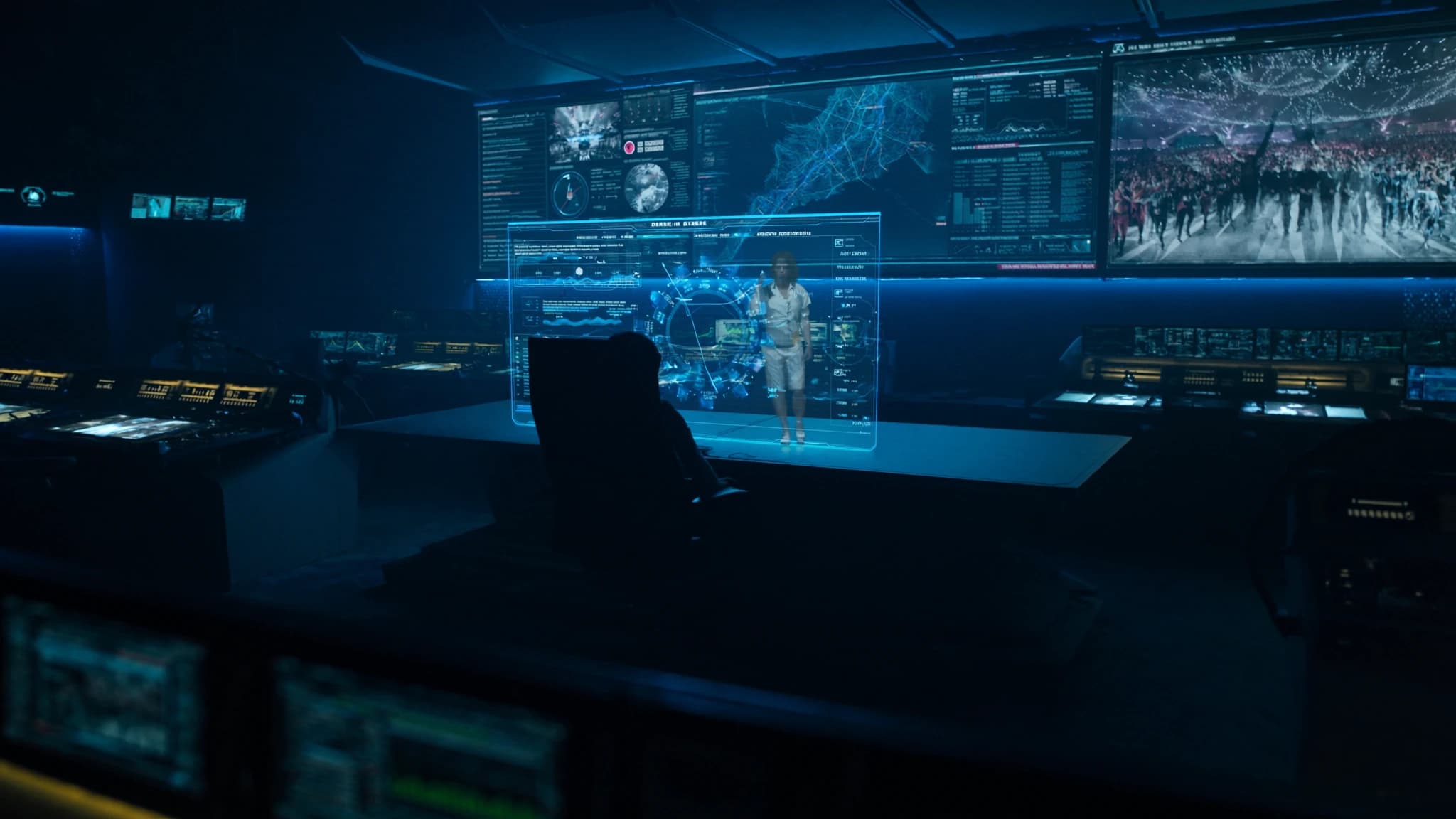
Het beheren van crewroosters voor live-evenementen is een logistieke puzzel: balanceren van vaardigheidsvereisten, shiftlimieten en budgetbeperkingen terwijl vermoeidheid en onderbezetting worden vermeden. AI-planning en crewbeheersystemen lossen dit nu in realtime op, met optimalisatie van roosters, call times en skill matching met een precisie die handmatige planning niet kan evenaren. SSOUNDS integreert AI-gedreven tools in zijn workflow om productieteams te helpen slankere, veiligere en kosteneffectievere shows te draaien.
Belangrijkste punten
- AI-planning optimaliseert crewroosters door vaardigheden, beschikbaarheid, kosten en rustvereisten te balanceren, wat handmatige inspanning en fouten vermindert.
- Skill matching zorgt ervoor dat de juiste persoon aan elke taak wordt toegewezen, wat kwaliteit en veiligheid verbetert en tegelijk het personeel cross-traint.
- Vermoeidheidsreductie is een belangrijk voordeel: AI handhaaft rustperiodes en markeert burnout-risico's, wat ongevalscijfers verlaagt.
- Kostenbesparingen van 10–15% op arbeid zijn typisch door minder overbezetting, overwerk en administratieve overhead.
- Integratie met bestaande tools (loonadministratie, HR, agenda's) is eenvoudig via API's, en pilotprogramma's helpen ROI te valideren vóór volledige uitrol.
- AI-crewbeheer wordt een standaardtool voor professionele tour- en festivalproductie, naast geavanceerde PA-systemen zoals SSOUNDS.
De complexiteit van crewplanning voor live-evenementen
Live-evenementen omvatten tientallen tot honderden crewleden verspreid over afdelingen, audio, licht, video, rigging, stagehands en meer. Elke rol vereist specifieke vaardigheden, certificeringen en ervaringsniveaus. Call times variëren per load-in, repetities, show en strike, vaak over meerdere dagen met onregelmatige uren. Handmatige planning leidt tot inefficiënties: overbezetting drijft kosten op, onderbezetting brengt veiligheid en kwaliteit in gevaar, en slechte shiftplanning veroorzaakt vermoeidheid, een van de belangrijkste oorzaken van ongevallen.
Traditionele planning vertrouwt op spreadsheets en tacit knowledge, die niet alle variabelen tegelijk kunnen optimaliseren. AI-planningsengines daarentegen verwerken duizenden beperkingen, vaardigheidsmatrices, beschikbaarheid, overwerkregels, rustperiodes en individuele voorkeuren, om in minuten optimale roosters te produceren.
Hoe AI crewroosters en call times optimaliseert
AI-planningsengines gebruiken constraint satisfaction-algoritmen en machine learning om crewleden aan shifts toe te wijzen. Het systeem neemt data op: de vaardigheden van elk crewlid (bijv. FOH-engineer, RF-tech, rigger), certificeringen (bijv. OSHA, hoogwerker), beschikbaarheid, voorkeursuren en eerdere prestatiebeoordelingen. Vervolgens genereert het een rooster dat de totale arbeidskosten minimaliseert terwijl elke vereiste rol door een gekwalificeerd persoon wordt vervuld.
Call times worden geoptimaliseerd om idle time te verminderen. In plaats van bijvoorbeeld de hele audiocrew om 6 uur 's ochtends op te roepen voor een soundcheck om 12 uur, spreidt AI de aankomsten: rigging- en PA-crew arriveren eerst, dan systeemengineers, dan monitor-engineers dichter bij de showtijd. Dit vermindert betaalde standby-uren en houdt de crew fris. Het systeem handhaaft ook verplichte rustpauzes tussen shifts en over opeenvolgende dagen, wat vermoeidheid direct aanpakt.
Skill matching: de juiste persoon voor elke taak
Een van de sterkste capaciteiten van AI is skill matching. In een typische productie vereist een taak zoals 'line array tunen' een gecertificeerde systeemengineer, terwijl 'kabel trekken' mogelijk alleen een algemene stagehand nodig heeft. AI kruisverwijst de vaardigheidsvereisten van elke taak met de crewdatabase en wijst automatisch de meest gekwalificeerde beschikbare persoon toe. Het kan ook ervaringsniveau meewegen, door junior crew te koppelen aan senior mentors voor complexe taken.
Voor meerdaagse festivals kan AI crewleden rouleren over rollen om eentonigheid te voorkomen en personeel cross te trainen. Het houdt bij wie al een bepaalde rol heeft gewerkt en kan hertoewijzingen voorstellen om na verloop van tijd een veelzijdiger team op te bouwen. Dit vermindert de afhankelijkheid van gespecialiseerde freelancers en verlaagt de totale wervingskosten.
Vermoeidheid verminderen en veiligheid verbeteren
Vermoeidheid is een kritiek veiligheidsrisico bij live-evenementen, waar zwaar tillen, hoogtes en lawaaiige omgevingen alertheid vereisen. AI-planning handhaaft maximale opeenvolgende werkuren, minimale rustperiodes en limieten op nachtshifts. Het kan patronen markeren die op burnout wijzen, bijvoorbeeld een crewlid dat vijf dagen van 14 uur op rij is ingepland, en automatisch aanpassingen voorstellen.
Sommige systemen integreren met wearables of tijdregistratie-apps om werkelijke gewerkte uren versus geplande uren te monitoren. Als een crewlid veilige limieten overschrijdt, kan de AI een waarschuwing activeren en taken opnieuw toewijzen. Deze proactieve aanpak vermindert ongevalsrisico en helpt productiebedrijven te voldoen aan arbeidsregelgeving, die per regio verschilt (bijv. EU-arbeidstijdrichtlijn, Amerikaanse OSHA-richtlijnen).
Kostenbesparingen door optimalisatie
AI-planning verlaagt arbeidskosten direct door overbezetting te elimineren en overwerk te minimaliseren. Een typisch festival kan 10–15% besparen op crewlonen door shiftpatronen te optimaliseren en idle time te verminderen. Voor een tour met 50 crew over 60 data vertaalt dat zich in tienduizenden dollars bespaard per tour.
Daarnaast vermindert AI administratieve overhead. In plaats van dat een productiemanager uren besteedt aan planning, genereert het systeem een conceptrooster dat in minuten kan worden beoordeeld en aangepast. Realtime updates, zoals een crewlid dat zich ziek meldt, worden onmiddellijk afgehandeld: de AI vindt een vervanger met de juiste vaardigheden en beschikbaarheid en informeert zowel de manager als de vervanger automatisch.
Implementatie en integratie met productieworkflows
Het adopteren van AI-crewbeheer vereist integratie met bestaande tools: loonsystemen, HR-databases en projectmanagementplatforms. De meeste AI-planningsoplossingen bieden API's die synchroniseren met gangbare software zoals Google Calendar, Slack of gespecialiseerde eventmanagementplatforms. Dataprivacy is een aandachtspunt, crewleden moeten instemmen met het bijhouden van hun vaardigheden en beschikbaarheid, maar duidelijke beleidsregels en opt-in-mechanismen pakken dit aan.
Voor productiebedrijven omvat de initiële setup het digitaliseren van crewprofielen en het definiëren van alle rollen en vaardigheidsvereisten. Zodra dit is ingevoerd, leert het systeem van historische data en verbetert het zijn aanbevelingen na verloop van tijd. SSOUNDS raadt aan om te beginnen met een pilot op een enkele tour of festival en daarna op te schalen naar volledige uitrol na validatie van de ROI.
Veelgestelde vragen
Hoe gaat AI om met last-minute roosterwijzigingen, zoals een crewlid dat zich ziek meldt?
AI-systemen zoeken automatisch naar een vervanger met de juiste vaardigheden en beschikbaarheid, informeren de manager en werken het rooster in realtime bij. Als er geen vervanger wordt gevonden, kan het systeem voorstellen om taken opnieuw toe te wijzen of call times aan te passen om het gat op te vangen.
Werkt AI-planning voor kleine crews (bijv. 10 personen) of alleen voor grote festivals?
AI-planning schaalt van kleine crews tot duizenden. Voor kleine teams optimaliseert het nog steeds call times en skill matching, wat handmatige coördinatie vermindert. De ROI kan lager zijn, maar de bespaarde tijd op planning is nog steeds waardevol.
Welke data heeft de AI nodig om te beginnen met plannen?
Basisdata omvat namen van crewleden, vaardigheden/certificeringen, beschikbaarheid (dagen/tijden) en loontarieven. Optionele data omvat eerdere prestatiebeoordelingen, voorkeursrollen en shiftvoorkeuren. Hoe meer data, hoe beter de optimalisatie.
Hoe gaat AI om met vakbondsregels of lokale arbeidswetten?
AI-planningssystemen kunnen worden geconfigureerd met aangepaste regels, waaronder vereisten uit vakbondscontracten (bijv. minimale shiftlengtes, pauzetijden, overwerkvermenigvuldigers) en lokale arbeidswetten. Het systeem handhaaft deze beperkingen automatisch.
Is AI-crewbeheer duur om te implementeren?
Kosten variëren per aanbieder en schaal, maar veel bieden abonnementsmodellen op basis van crewgrootte of evenementen. De besparingen door minder arbeids- en administratiekosten betalen het systeem doorgaans binnen enkele shows terug. SSOUNDS kan partners aanbevelen voor integratie.
Een systeem bouwen of upgraden?
SSOUNDS ontwerpt en produceert professionele PA wereldwijd, van een enkele ruimte tot stadionformaat.