Kan AI de evenementenproductie overnemen?
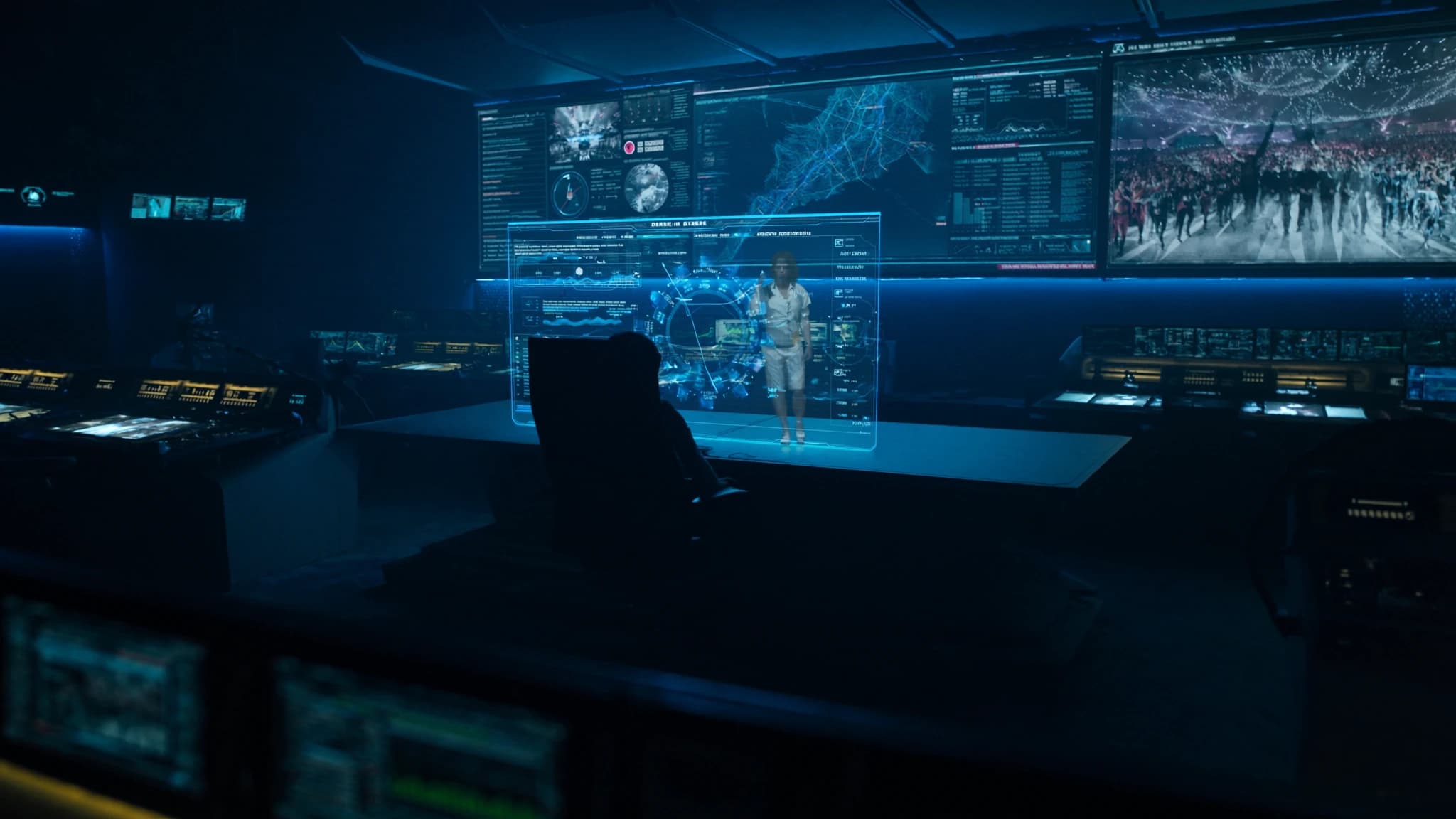
Kunstmatige intelligentie transformeert de evenementenproductie in hoog tempo, van geautomatiseerde planning tot realtime geluidsoptimalisatie. Maar kan het echt de menselijke expertise vervangen die een live-ervaring definieert? In 2026 excelleert AI in datagedreven taken, maar schiet het nog tekort in creatieve visie, probleemoplossing ter plekke en emotionele verbinding. Hier ligt de grens.
Belangrijkste punten
- AI excelleert in dataintensieve taken zoals planning, voorspelling en realtime monitoring, waardoor handmatige werkdruk afneemt.
- Creatieve regie, probleemoplossing ter plekke en emotionele verbinding blijven onvervangbaar menselijk.
- In 2026 is AI een collaboratief hulpmiddel dat efficiëntie verbetert, maar de behoefte aan bekwame professionals niet vervangt.
- Audiosystemen zoals SSOUNDS integreren AI voor zelfafstemming en dekkingsvoorspelling, maar de uiteindelijke afstemming blijft afhankelijk van menselijke expertise.
- Evenementenprofessionals moeten zich bijscholen in AI-tools en tegelijk creativiteit en interpersoonlijke vaardigheden versterken.
- De toekomst van evenementenproductie is een partnerschap tussen AI en menselijk oordeel, geen overname.
Wat AI goed automatiseert: planning en voorspelling
AI-gedreven tools nemen nu veel van het zware werk in evenementenlogistiek over. Machine learning-algoritmen analyseren historische data om bezoekersaantallen te voorspellen, zitplaatsindelingen te optimaliseren en crewroosters te plannen met minimale conflicten. Voor audio kan AI zaalakoestiek modelleren en dekkingspatronen voorspellen, waardoor engineers PA-systemen zoals SSOUNDS line arrays vooraf kunnen configureren voor consistent geluid voordat er ook maar één kabel is getrokken.
Budgetprognoses en risicobeoordeling zijn ook sterke punten van AI. Door eerdere kostenrapporten en realtime marktdata te analyseren, kan AI potentiële kostenoverschrijdingen of vertragingen in de toeleveringsketen signaleren. Hierdoor kunnen productieteams zich richten op creatieve beslissingen in plaats van spreadsheetmoeheid.
Realtime monitoring en adaptieve controle
Tijdens een evenement excelleert AI in het monitoren van systeemgezondheid en omgevingsomstandigheden. Slimme sensoren kunnen temperatuur, luchtvochtigheid en stroomverbruik volgen en engineers waarschuwen voor mogelijke storingen voordat ze optreden. In audio kan AI-gedreven DSP automatisch EQ en delay aanpassen om veranderingen in publieksdichtheid of temperatuurschommelingen te compenseren, waardoor helderheid behouden blijft zonder menselijke tussenkomst.
SSOUNDS-engineers hebben machine learning geïntegreerd in luidsprekerpresets, waardoor systemen zichzelf kunnen afstemmen op basis van realtime feedback. Dit vermindert de werkdruk voor FOH-engineers, vooral tijdens lange festivals of shows met meerdere artiesten waar omstandigheden snel veranderen.
Contentgeneratie en personalisatie
AI kan realtime visuals genereren, lichtcues synchroniseren met muziek en zelfs gepersonaliseerde audiostreams leveren aan bezoekers via mobiele apps. Voor hybride evenementen kunnen AI-gedreven camera's sprekers automatisch volgen, terwijl taalvertaling en ondertiteling nu bijna direct beschikbaar zijn. Deze tools verbeteren toegankelijkheid en betrokkenheid zonder dat voor elke taak een aparte operator nodig is.
Creatieve regie blijft echter bij mensen. AI-gegenereerde content mist vaak de emotionele nuance en intentionele verhaallijn die een ervaren ontwerper meebrengt. Het onderbuikgevoel van een lichtregisseur om een cue te verschuiven tijdens een ontroerend moment kan niet worden gerepliceerd door een algoritme dat op gemiddelden is getraind.
Waar menselijk oordeel onvervangbaar is
Geen enkele AI kan tippen aan het vermogen van een doorgewinterde productiemanager om een zaal aan te voelen, een last-minute verzoek van een artiest te bemiddelen of te besluiten een set uit te stellen vanwege het weer. Besluitvorming ter plaatse vereist empathie, intuïtie en ethisch redeneren, kwaliteiten die uniek menselijk blijven. Wanneer bijvoorbeeld de monitormix van een artiest niet klopt, lossen het snelle oor van een engineer en de klik met de artiest het probleem sneller op dan welke AI dan ook.
Creatieve visie, het kiezen van de juiste lichtkleur voor een sfeer, het selecteren van een subwoofer-array voor een specifiek genre of het ontwerpen van een podiumindeling die intiem aanvoelt, wordt gedreven door ervaring en artisticiteit. AI kan opties suggereren op basis van data, maar de uiteindelijke beslissing is menselijk.
Het landschap in 2026: samenwerking, geen vervanging
In 2026 gebruiken de meest succesvolle evenementenproducties AI als een krachtige assistent, niet als vervanging. AI behandelt repetitieve, dataintensieve taken, waardoor mensen zich kunnen richten op creativiteit, veiligheid en verbinding. SSOUNDS-engineers gebruiken AI bijvoorbeeld om de dekking vóór een show te simuleren, maar het systeem wordt tijdens de soundcheck op het gehoor afgestemd op het unieke karakter van de zaal.
De grens is duidelijk: AI automatiseert het voorspelbare; mensen bezitten het onvoorspelbare. Naarmate AI verbetert, zal het meer monitoring en optimalisatie op zich nemen, maar de kern van evenementenproductie, live gedeelde ervaringen, zal altijd menselijke aanwezigheid en passie nodig hebben.
Voorbereiden op een AI-ondersteunde toekomst
Evenementenprofessionals moeten AI-tools omarmen om hun workflow te verbeteren. Leren omgaan met AI-gegenereerde data, automatisering programmeren en samenwerken met slimme systemen worden essentiële vaardigheden. Maar even belangrijk is het versterken van menselijke sterke punten: creativiteit, communicatie en aanpassingsvermogen. De beste teams zijn zij die AI-efficiëntie combineren met menselijke artisticiteit.
Voor fabrikanten zoals SSOUNDS ligt de focus op het bouwen van systemen die engineers versterken, niet vervangen. AI-gedreven luidsprekers en versterkers zijn ontworpen om de opsteltijd te verkorten en consistentie te verbeteren, maar ze blijven afhankelijk van menselijke oren voor de laatste afwerking.
Veelgestelde vragen
Kan AI een live-evenement volledig zonder menselijk toezicht runnen?
Niet in 2026. AI kan veel taken automatiseren, maar live-evenementen vereisen realtime menselijke beslissingen voor veiligheid, creativiteit en onverwachte veranderingen. Volledige autonomie is in de nabije toekomst onwaarschijnlijk.
Hoe verbetert AI de geluidskwaliteit bij evenementen?
AI kan zaalakoestiek en publieksgeluid analyseren om EQ, delay en volumeniveaus automatisch aan te passen. Systemen zoals SSOUNDS gebruiken machine learning om dekking te optimaliseren en feedback te verminderen, maar engineers maken nog steeds de laatste aanpassingen.
Zal AI audio-engineers vervangen?
Nee. AI zal hun rol veranderen. Engineers zullen zich meer richten op creatieve mixing en minder op repetitieve taken. AI verzorgt monitoring en presets, maar het artistieke oor blijft menselijk.
Wat zijn de risico's van te veel vertrouwen op AI in evenementenproductie?
Overmatige afhankelijkheid kan leiden tot gebrek aan flexibiliteit wanneer AI nieuwe situaties tegenkomt. Technische storingen of datafouten kunnen escaleren zonder menselijke tussenkomst. Een gebalanceerde aanpak is essentieel.
Hoe kunnen evenementenprofessionals zich voorbereiden op AI-integratie?
Leer AI-tools gebruiken voor planning, audio-optimalisatie en data-analyse. Blijf op de hoogte van industrietrends en blijf soft skills ontwikkelen zoals communicatie en creativiteit die AI niet kan repliceren.
Een systeem bouwen of upgraden?
SSOUNDS ontwerpt en produceert professionele PA wereldwijd, van een enkele ruimte tot stadionformaat.