AI voor publieksinzichten en ticketing
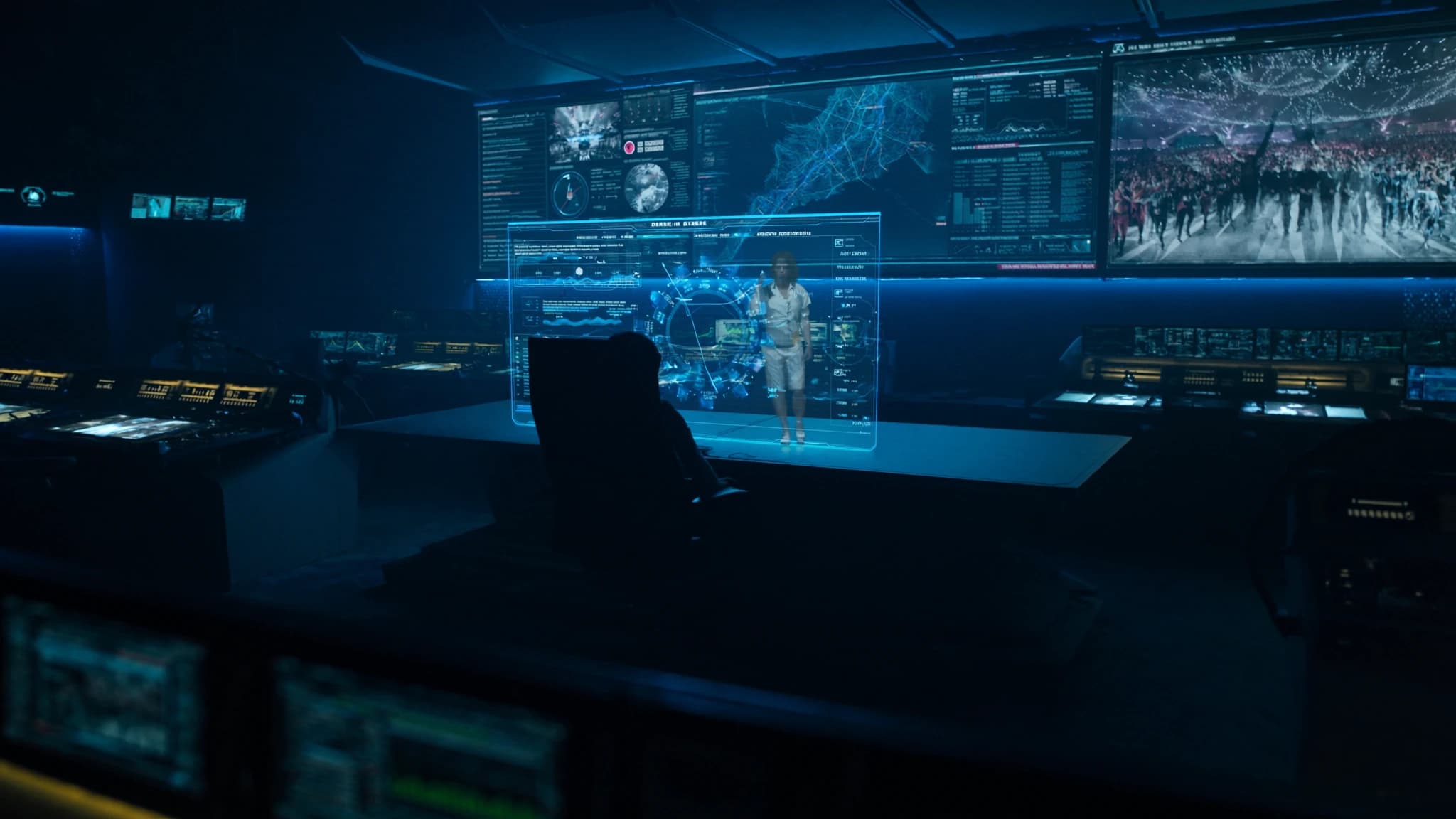
Moderne evenementproductie draait niet alleen om goed geluid, maar ook om begrijpen wie er in de zaal zit en wat ze willen. AI-gestuurde publieksinzichten en ticketingsystemen stellen organisatoren nu in staat om de vraag te voorspellen, prijzen te optimaliseren en ervaringen te personaliseren, allemaal met respect voor gegevensprivacy. SSOUNDS onderzoekt hoe verantwoorde AI de business van live-evenementen hervormt.
Belangrijkste punten
- AI-publieksinzichten gebruiken geanonimiseerde gegevens om de vraag te voorspellen, prijzen te optimaliseren en marketing te personaliseren.
- Dynamische prijsstelling, wanneer transparant en met een maximum, kan de omzet maximaliseren met behoud van eerlijkheid.
- Psychografische profilering helpt organisatoren te begrijpen wat fans waarderen, wat leidt tot betere aanbevelingen.
- Vraagvoorspelling verbetert locatieplanning, personeelsbezetting en zelfs de configuratie van audiosystemen.
- Ethische AI vereist transparantie, bias-audits, gegevensbeveiliging en menselijk toezicht.
- De toekomst integreert ticketgegevens met realtime evenementoperaties voor een naadloze fanervaring.
De datarevolutie in live-evenementen
Decennialang vertrouwden evenementorganisatoren op onderbuikgevoel en historische verkopen om shows te plannen. Tegenwoordig verzamelt AI gegevens uit sociale media, eerdere ticketverkopen, streaminggedrag en zelfs weersvoorspellingen om een realtime beeld van de publieksvraag te creëren. Dit gaat niet om surveillance, het gaat om het begrijpen van patronen zodat je het juiste aanbod aan de juiste persoon op het juiste moment kunt doen.
Verantwoorde AI gebruikt geanonimiseerde, geaggregeerde gegevens in plaats van persoonlijke identificatoren. Het doel is trends te spotten: welke artiesten aan terrein winnen in een stad, welke prijspunten verkopen uitlokken, of hoe vroegboekkortingen de aankoop tegen volledige prijs beïnvloeden. SSOUNDS ziet dit als een natuurlijke uitbreiding van de precisie die wij op audio toepassen, datagedreven beslissingen leiden tot betere resultaten voor iedereen.
Dynamische prijsstelling: eerlijkheid en omzet
Dynamische prijsstelling gaat niet alleen om het verhogen van prijzen. AI kan prijzen verlagen voor minder presterende shows, waardoor stoelen worden gevuld die anders leeg zouden blijven. Dit is vooral waardevol voor opkomende artiesten die een fanbase opbouwen. Door te voorspellen welke shows een prijsprikkel nodig hebben, kunnen organisatoren een verlies omzetten in break-even of winst, terwijl nieuwe doelgroepen de kans krijgen live muziek te ontdekken.
Publieksanalyses: verder dan demografie
Privacy is van het grootste belang. Goede AI-systemen gebruiken differentiële privacy, waarbij statistische ruis aan gegevens wordt toegevoegd zodat individuen niet kunnen worden geïdentificeerd. SSOUNDS raadt organisatoren aan altijd opt-in toestemming en duidelijk gegevensgebruiksbeleid te bieden. Wanneer fans weten dat hun gegevens hun ervaring verbeteren (en niet hun privacy binnendringen), zijn ze eerder bereid deze te delen.
Vraagvoorspelling: plannen met precisie
AI kan ook no-shows voorspellen, fans die tickets kopen maar niet komen. Dit komt veel voor bij gratis of goedkope evenementen. Door patronen te identificeren (bijvoorbeeld last-minute annuleringen uit bepaalde postcodes), kunnen organisatoren extra tickets vrijgeven of upgrades aanbieden aan fans op de wachtlijst, waardoor de opkomst en extra omzet uit horeca en merchandise worden gemaximaliseerd.
Ethische AI: vertrouwen opbouwen met fans
Tot slot moet AI de menselijke besluitvorming versterken, niet vervangen. Een prijsalgoritme kan een piek voorstellen, maar een menselijke promotor moet deze goedkeuren. Een AI kan een korting aanbevelen, maar het team van de artiest moet het laatste woord hebben. SSOUNDS pleit voor een human-in-the-loop aanpak, waarbij technologie mensen versterkt in plaats van hen te overrulen.
De toekomst: AI-geïntegreerde evenementecosystemen
Stel je een concert voor waar je ticketapp je favoriete nummers kent, de beste plek voor geluid voorstelt (op basis van SSOUNDS-dekkingkaarten), en een korting op een drankje bij de bar biedt wanneer de rij kort is. Dit is de belofte van AI-geïntegreerde evenementen, een naadloze, gepersonaliseerde ervaring die magisch aanvoelt maar op data is gebouwd.
SSOUNDS onderzoekt al hoe AI ticketgegevens kan koppelen aan realtime audio-optimalisatie. Als een show is uitverkocht in de voorste rijen, kan de PA worden afgestemd om meer direct geluid naar achteren te leveren. Als een sectie leeg is, kan het systeem de dekking omleiden. De toekomst is adaptief, responsief en fan-centric, en het begint met verantwoorde AI.
Veelgestelde vragen
Is AI-gestuurde ticketing veilig voor mijn persoonlijke gegevens?
Ja, mits verantwoord geïmplementeerd. Let op platforms die anonimisering, differentiële privacy en encryptie gebruiken. Lees altijd het privacybeleid en kies voor diensten die je gegevens niet verkopen.
Zal dynamische prijsstelling tickets te duur maken?
Niet per se. Dynamische prijsstelling kan prijzen verlagen voor minder populaire shows en vroegboekkortingen bieden. Gerenommeerde organisatoren stellen een maximum aan prijzen en bieden prijsdaalb escherming om tickets eerlijk te houden.
Hoe voorspelt AI welke shows goed zullen verkopen?
AI analyseert historische verkopen, buzz op sociale media, streaminggegevens en externe factoren zoals feestdagen of concurrerende evenementen. Het leert patronen om de vraag met hoge nauwkeurigheid te voorspellen.
Kan AI helpen bij het voorkomen van ticketzwarthandel?
Ja. AI kan botpatronen detecteren, bulk aankopen beperken en verdachte transacties markeren. Dit helpt ervoor te zorgen dat tickets naar echte fans gaan, niet naar doorverkopers.
Moet ik een tech-expert zijn om AI voor mijn evenementen te gebruiken?
Nee. Veel ticketingplatforms bieden nu AI-functies als ingebouwde tools. Je schakelt ze gewoon in en stelt parameters in, de AI doet het zware werk achter de schermen.
Een systeem bouwen of upgraden?
SSOUNDS ontwerpt en produceert professionele PA wereldwijd, van een enkele ruimte tot stadionformaat.