AI-energieoptimalisatie voor evenementenstroom
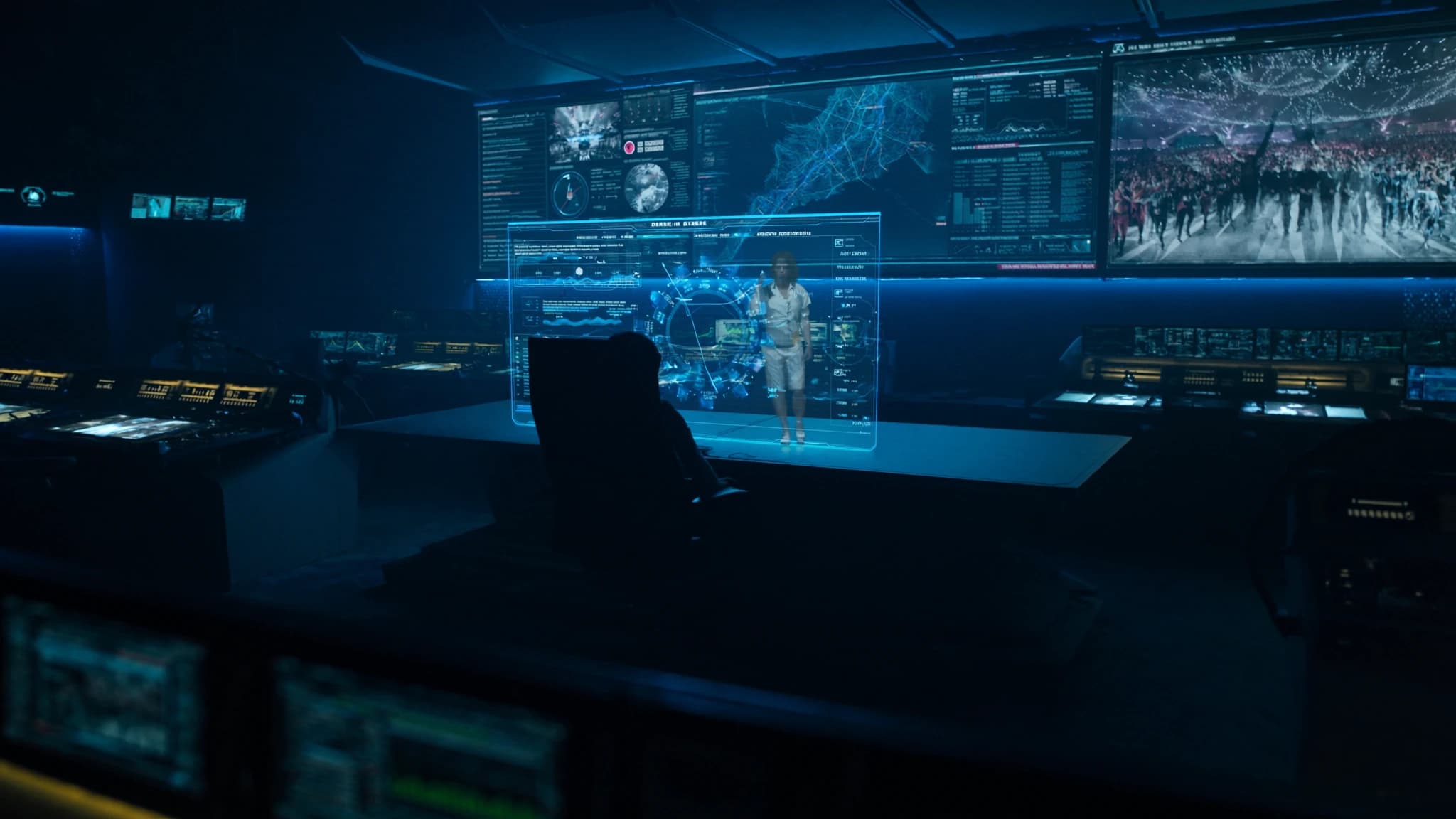
Nu de live-evenementenbranche naar duurzaamheid streeft, transformeert AI-gedreven energieoptimalisatie de manier waarop shows hybride energiesystemen beheren die generatoren, batterijen en zonne-energie combineren. Door belastingen te voorspellen en intelligent tussen bronnen te schakelen, vermindert AI het brandstofverbruik, de uitstoot en de operationele kosten zonder concessies te doen aan prestaties. SSOUNDS integreert deze slimme energiestrategieën in ons systeemontwerp om productieteams te helpen schonere, stillere en efficiëntere evenementen te runnen.
Belangrijkste punten
- AI-belastingsvoorspelling voorspelt de stroomvraag met meer dan 90% nauwkeurigheid, wat een precieze dimensionering van hybride systemen mogelijk maakt.
- Slim schakelen wisselt binnen milliseconden tussen generator, batterij en zonne-energie, wat het brandstofverbruik optimaliseert.
- Brandstofbesparingen van 40 tot 60% en CO₂-reducties tot 16 ton per groot festival zijn haalbaar.
- Integratie van AI met audionetwerken maakt prioritering van kritieke belastingen en schonere stroomlevering mogelijk.
- SSOUNDS ondersteunt duurzame evenementen met energiezuinige luidsprekers en begeleiding bij energiesystemen.
- Adoptie van AI-energieoptimalisatie vermindert kosten, uitstoot en lawaai en verhoogt de betrouwbaarheid.
De uitdaging van hybride stroom bij live-evenementen
Traditionele evenementenstroom is sterk afhankelijk van dieselgeneratoren, die betrouwbaar maar inefficiënt zijn. Ze draaien vaak op deellast, verspillen brandstof en produceren lawaai en uitstoot. Hybride systemen die generatoren combineren met batterijopslag en zonnepanelen kunnen het brandstofverbruik met 30 tot 50% verminderen, maar het beheren van de wisselwerking tussen bronnen vereist realtime besluitvorming. Zonder intelligente aansturing kiezen operators ervoor de generator continu te laten draaien, waardoor de voordelen teniet worden gedaan.
AI lost dit op door continu de stroomvraag, de laadtoestand van de batterij, de zonne-input en de generatorefficiëntie te monitoren. Het voorspelt belastingscurves op basis van showschema's, weersvoorspellingen en historische gegevens, en schakelt vervolgens automatisch tussen bronnen om de generator dicht bij zijn optimale belasting te laten werken (doorgaans 70 tot 80%) of schakelt hem volledig uit wanneer batterijen en zonne-energie de last kunnen dragen.
Belastingsvoorspelling: hoe AI de stroombehoefte voorspelt
AI-belastingsvoorspelling gebruikt machine learning-modellen die zijn getraind op duizenden evenementendatasets, waaronder audio-systeemafname, lichtcues, HVAC en cateringpieken. Tijdens een festival bijvoorbeeld piekt de stroomvraag tijdens headliner-sets en daalt deze 's nachts. AI leert deze patronen en voorspelt het verbruik voor de komende 24 uur met meer dan 90% nauwkeurigheid.
SSOUNDS-engineers werken samen met power management-partners om deze voorspellingen in het systeemontwerp op te nemen. Door precies te weten wanneer de piekvraag optreedt, kunnen we batterijbanken en zonneparken nauwkeuriger dimensioneren en overdimensionering (wat kapitaal verspilt) of onderdimensionering (wat brownouts riskeert) vermijden. De AI houdt ook rekening met variabelen zoals bewolking die de zonne-opbrengst beïnvloedt, en past het generatorschema dynamisch aan.
Slim schakelen: naadloze brontransities
AI-gedreven slim schakelen vormt het hart van hybride energieoptimalisatie. Het systeem gebruikt solid-state relais en omvormers om binnen milliseconden te wisselen tussen generator, batterij en zonne-energie, onmerkbaar voor audioapparatuur en verlichting. Wanneer batterijniveaus hoog zijn en zonne-energie overvloedig is, kan de generator volledig worden uitgeschakeld, waardoor het brandstofverbruik en de uitstoot in die periodes tot nul worden teruggebracht.
Als er een wolk langskomt of een plotselinge lichtinstallatie aanslaat, start de AI de generator preventief voordat de batterij onder een veilige drempel zakt. Deze 'predictive start' vermijdt de inefficiëntie van een koude start onder zware belasting. SSOUNDS raadt aan deze controllers te integreren met het audionetwerk (bijvoorbeeld via Dante of AES67), zodat de AI ook niet-kritieke belastingen kan prioriteren tijdens noodsituaties.
Brandstof- en emissiereductie: meetbare impact
Praktijkimplementaties van AI-geoptimaliseerde hybride stroom hebben brandstofbesparingen van 40 tot 60% aangetoond vergeleken met opstellingen met alleen een generator, met overeenkomstige CO₂-reducties. Voor een driedaags festival dat 10.000 liter diesel verbruikt, betekent dat 4.000 tot 6.000 liter besparing en tot 16 ton vermeden CO₂. Bovendien daalt de generatorlooptijd met 50 tot 70%, wat onderhoudskosten en geluidsoverlast vermindert.
SSOUNDS moedigt evenementenorganisatoren aan deze systemen te combineren met onze energiezuinige luidsprekerontwerpen, die een hoge SPL per watt leveren. Door audio met een lage afname te combineren met AI power management kan de totale ecologische voetafdruk van een show met meer dan de helft worden verminderd. We bieden ook begeleiding bij batterijchemie (LiFePO₄ heeft de voorkeur voor cyclische levensduur) en de oriëntatie van zonnepanelen om het rendement te maximaliseren.
Implementatie: van planning tot showdag
Het implementeren van AI-energieoptimalisatie begint met een energie-audit: het meten van alle aangesloten belastingen, hun duty cycles en piekvragen. SSOUNDS kan stroomdistributietopologieën aanbevelen die gevoelige audioapparatuur isoleren van lawaaiige generatorstroom, om een schone voeding te garanderen. De AI-controller wordt vervolgens geprogrammeerd met het evenementenschema en de weergegevens.
Tijdens het evenement toont een dashboard realtime statistieken: generatorbelasting, batterij-SOC, zonne-opbrengst, brandstofverbruik en bespaarde uitstoot. Operators kunnen AI-beslissingen indien nodig overrulen, maar in de praktijk werkt het systeem autonoom. Rapporten na het evenement bieden gedetailleerde analyses voor toekomstige verbeteringen, waardoor een cyclus van continue optimalisatie ontstaat.
De toekomst: AI en de duurzame show
Naarmate batterijkosten dalen en de efficiëntie van zonne-energie stijgt, zal AI-geoptimaliseerde hybride stroom de norm worden voor evenementen van elke omvang. SSOUNDS zet zich in om deze technologie vooruit te helpen door samen te werken met innovators op het gebied van power management en energiedata te integreren in onze systeemontwerptools. Het doel is een show die urenlang volledig op hernieuwbare energie draait, met de generator alleen als back-up.
Evenementenprofessionals die vandaag AI-energieoptimalisatie omarmen, krijgen een concurrentievoordeel: lagere kosten, groenere credentials en naleving van strengere emissiereguleringen. Het gaat niet alleen om brandstof besparen, het gaat om het herdefiniëren van hoe een duurzame live-ervaring eruitziet.
Veelgestelde vragen
Hoe voorspelt AI de stroomvraag voor een evenement?
AI-modellen worden getraind op gegevens van eerdere evenementen, waaronder audio-, verlichtings- en HVAC-belastingen, plus weer- en schema-invoer. Ze voorspellen verbruikspatronen per uur, waardoor het hybride systeem batterijen vooraf kan opladen en generatorruns optimaal kan plannen.
Kan AI-energieoptimalisatie werken met bestaande generatoren en batterijen?
Ja, de meeste AI-controllers kunnen worden retrofitted op standaardgeneratoren en batterij-omvormers. Ze communiceren via Modbus of CAN-bus om bronnen te monitoren en te besturen. SSOUNDS kan advies geven over compatibiliteit en integratie.
Wat gebeurt er als de AI uitvalt of de connectiviteit verliest?
Systemen zijn ontworpen met fail-safes: de generator blijft standaard continu draaien en batterijen blijven stroom leveren via hun interne omvormers. Handmatige override is altijd beschikbaar. Redundante controllers kunnen worden ingezet voor kritieke evenementen.
Hoeveel kost een AI-geoptimaliseerd hybride systeem vergeleken met een traditioneel systeem met alleen een generator?
De initiële investering is hoger vanwege batterijen, zonne-energie en controller, maar brandstof- en onderhoudsbesparingen verdienen zich doorgaans terug binnen 1 tot 3 jaar. Voor grote evenementen zijn de totale eigendomskosten vaak lager, vooral bij stijgende brandstofprijzen.
Verkoopt SSOUNDS AI power management-hardware?
SSOUNDS richt zich op luidsprekersystemen en biedt begeleiding bij het integreren van AI-energieoplossingen van derden. We werken samen met toonaangevende power management-bedrijven om naadloze compatibiliteit voor onze klanten te garanderen.
Een systeem bouwen of upgraden?
SSOUNDS ontwerpt en produceert professionele PA wereldwijd, van een enkele ruimte tot stadionformaat.