AI in podium- en decorontwerp
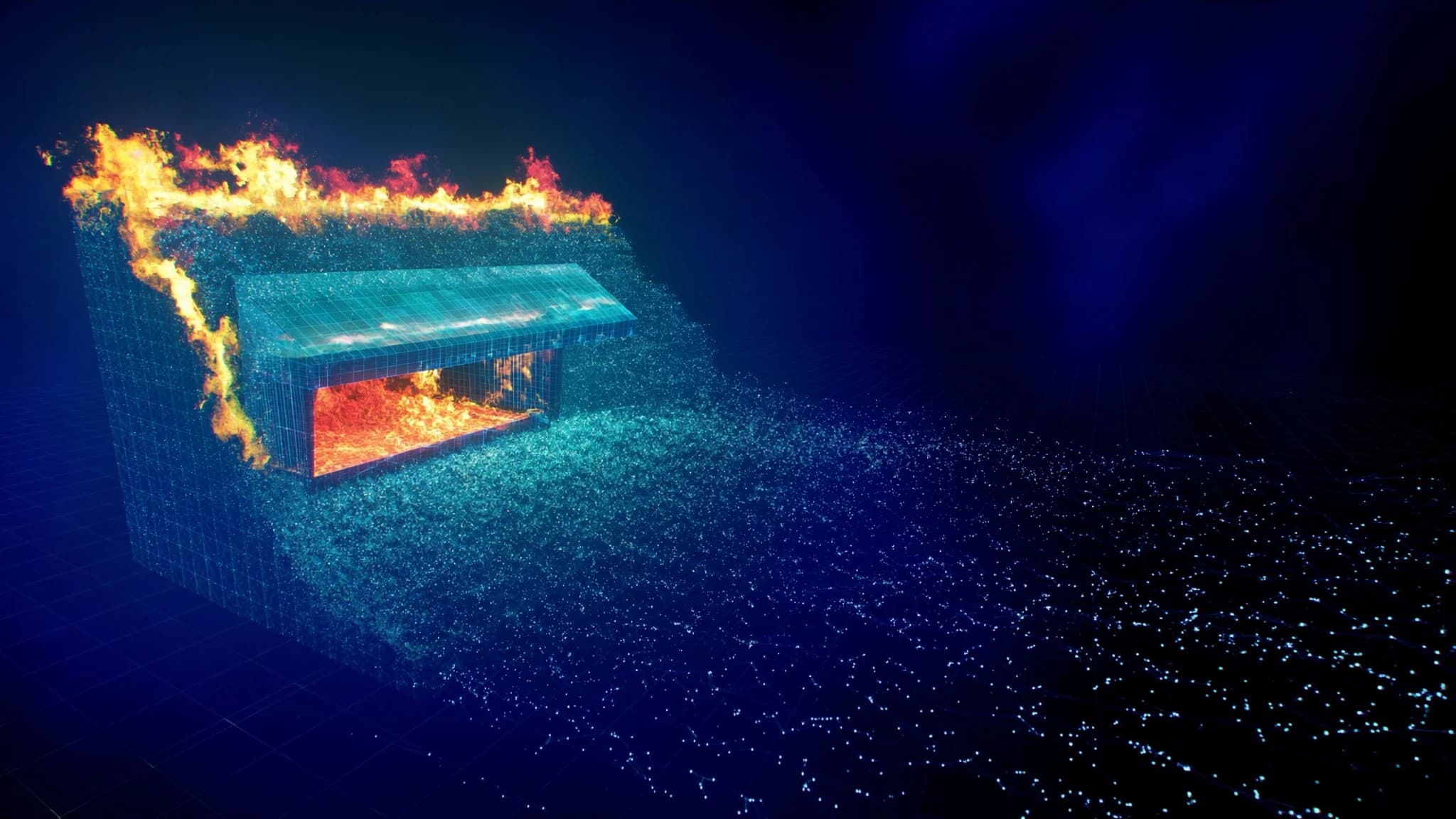
Generatieve AI transformeert podium- en decorontwerp, waardoor ontwerpers sneller concepten kunnen verkennen, in 3D kunnen visualiseren en met ongekende snelheid kunnen itereren. SSOUNDS integreert deze tools als aanvulling op onze precisie-ontworpen PA-systemen, zodat creatieve visie en akoestische prestaties naadloos op elkaar aansluiten.
Belangrijkste punten
- Generatieve AI versnelt conceptcreatie door diverse visuele ideeën te produceren op basis van tekstprompts.
- AI-gegenereerde 3D-modellen kunnen worden geïntegreerd met akoestische simulatie voor holistische previsualisatie.
- Snelle iteratie met AI helpt decorontwerp te optimaliseren voor zowel esthetiek als geluidsprestaties.
- Praktijktoepassingen strekken zich uit over festivals, theater en virtual production, en verbeteren creatieve workflows.
- Menselijk toezicht blijft cruciaal om praktische uitvoerbaarheid en originaliteit in AI-ondersteunde ontwerpen te waarborgen.
- SSOUNDS combineert AI-gestuurd ontwerp met precisietechniek om wereldklasse audio-ervaringen te leveren.
Hoe generatieve AI de conceptontwikkeling versnelt
Generatieve AI-tools zoals DALL·E, Midjourney en Stable Diffusion stellen ontwerpers in staat een breed scala aan visuele concepten te produceren op basis van eenvoudige tekstprompts. Voor podium- en decorontwerp betekent dit dat thema's, kleurenpaletten, structurele vormen en lichtscenario's snel kunnen worden verkend zonder handmatig schetsen. Een ontwerper kan 'futuristisch concertpodium met zwevende LED-panelen' invoeren en binnen enkele seconden tientallen unieke variaties ontvangen.
Deze snelheid is cruciaal in de vroege projectfasen, waarin meerdere belanghebbenden het eens moeten worden over een creatieve richting. AI-gegenereerde beelden dienen als een gemeenschappelijke visuele taal, waardoor misinterpretatie afneemt en goedkeuringen worden versneld. SSOUNDS heeft gezien dat klanten deze visuals gebruiken om hun visie aan productieteams te communiceren, zodat het akoestische ontwerp, zoals de plaatsing van line arrays, vanaf het begin wordt meegenomen.
3D-previsualisatie: AI samenbrengen met CAD en akoestische modellering
Zodra een concept is goedgekeurd, kan AI helpen bij het genereren van 3D-modellen en texturen voor previsualisatie. Tools zoals NVIDIA Omniverse of Blender met AI-plugins kunnen 2D-concept art omzetten in ruwe 3D-geometrie, die ontwerpers vervolgens verfijnen. Dit overbrugt de kloof tussen inspiratie en technische uitvoering.
Voor SSOUNDS is previsualisatie het domein waar onze expertise uitblinkt. We gebruiken akoestische simulatiesoftware (bijvoorbeeld EASE Focus, Soundvision) om dekking, SPL en delaytijden te modelleren. Door AI-gegenereerde decormodellen te integreren, kunnen we voorspellen hoe het PA-systeem zal interageren met het decor, reflecties, schaduwen en zichtlijnen, nog voordat er een enkele kabel is getrokken. Deze samenwerking tussen AI-creativiteit en technische precisie zorgt ervoor dat het uiteindelijke ontwerp zowel verbluffend als sonisch perfect is.
Snelle ontwerpiteratie en optimalisatie
Traditionele iteratie in decorontwerp brengt handmatige herzieningen met zich mee, die tijdrovend en kostbaar zijn. AI maakt snelle iteratie mogelijk door meerdere variaties van een ontwerpelement te genereren, zoals podiumhoogte, plaatsing van zijvleugels of trussconfiguratie, en deze te evalueren tegen beperkingen zoals gewicht, budget en akoestische prestaties.
Machine learning-modellen kunnen ook lay-outs tegelijkertijd optimaliseren voor zichtlijnen van het publiek en luidsprekerdekking. Een AI-algoritme kan bijvoorbeeld de optimale positie voor een subwooferarray voorstellen om uitdoving te minimaliseren terwijl de visuele symmetrie behouden blijft. SSOUNDS past vergelijkbare optimalisatie toe in onze DSP-presets, maar nu kunnen ontwerpers dit toepassen op de hele podiumomgeving.
Praktijktoepassingen: van festivals tot theater
In festivalsettings helpen AI-gegenereerde concepten productieontwerpers zich snel aan te passen aan verschillende podia en landschappen. Voor theater kan AI periodegetrouwe decorstukken of abstracte omgevingen genereren die het verhaal versterken. SSOUNDS heeft samengewerkt met ontwerpers die AI gebruikten om te visualiseren hoe onze line arrays zouden integreren in een futuristisch sci-fi decor, zodat de luidsprekers deel uitmaakten van de esthetiek in plaats van een bijzaak te zijn.
De technologie is ook waardevol voor virtual production, waar LED-walls en immersieve omgevingen een nauwkeurige afstemming tussen decorontwerp en audio vereisen. AI kan simuleren hoe geluid zich in een virtuele ruimte gedraagt, waardoor ontwerpers materialen en geometrie kunnen aanpassen voor optimale akoestiek.
Uitdagingen en best practices
Hoewel AI ongelooflijke snelheid biedt, vereist het zorgvuldige prompting en menselijk toezicht. Ontwerpers moeten de AI met duidelijke referenties en beperkingen aansturen om generieke of onpraktische output te voorkomen. Het is ook essentieel om intellectueel eigendom te overwegen. AI-gegenereerde beelden kunnen auteursrechtelijk beschermde stijlen bevatten, dus originele aanpassingen worden aanbevolen.
SSOUNDS adviseert AI vroeg in het ontwerpproces te integreren, maar altijd te valideren met real-world akoestische data. Ons team kan akoestische voorspellingen leveren voor elk decorontwerp, zodat AI-geïnspireerde concepten technisch haalbaar zijn. De beste resultaten komen voort uit een partnerschap: AI voor ideevorming, menselijke expertise voor verfijning, en SSOUNDS voor sonische excellentie.
De toekomst: AI-gestuurde realtime aanpassing
Vooruitkijkend zou AI realtime decoraanpassing tijdens voorstellingen mogelijk kunnen maken, waarbij verlichting, video en zelfs akoestische panelen worden aangepast op basis van publieksfeedback of sensordata. SSOUNDS onderzoekt hoe onze DSP-systemen kunnen interfacen met AI om PA-instellingen automatisch af te stemmen naarmate het decor verandert, zodat optimaal geluid behouden blijft gedurende een dynamische show.
Deze convergentie van generatief ontwerp en intelligente audio zal live-ervaringen herdefiniëren. Als premium PA-fabrikant zet SSOUNDS zich in om ontwerpers te ondersteunen met tools en expertise die deze visies werkelijkheid maken.
Veelgestelde vragen
Kan AI menselijke decorontwerpers vervangen?
Nee. AI is een hulpmiddel dat ideevorming en iteratie versnelt, maar menselijke creativiteit, ervaring en technische kennis zijn essentieel om concepten te verfijnen en te zorgen dat ze praktisch en origineel zijn.
Hoe integreert SSOUNDS AI in het ontwerpproces van zijn PA-systemen?
SSOUNDS gebruikt AI-ondersteunde akoestische modellering en machine learning om DSP-presets en dekkingsvoorspellingen te optimaliseren. We werken ook samen met ontwerpers die generatieve AI gebruiken voor decorconcepten, zodat onze systemen aansluiten bij het visuele ontwerp.
Welke software raadt u aan voor AI-gestuurd decorontwerp?
Populaire tools zijn Midjourney, DALL·E en Stable Diffusion voor concept art, en Blender met AI-plugins voor 3D-modellering. Voor akoestische integratie gebruikt u EASE Focus of Soundvision naast uw ontwerpsoftware.
Is AI-gegenereerd decorontwerp kosteneffectief?
Ja, door de tijd die wordt besteed aan handmatig schetsen en herzieningen te verminderen, kan AI de ontwerpkosten verlagen. De investering in software en training moet echter worden afgewogen tegen de schaal van het project.
Hoe zorg ik ervoor dat mijn AI-gegenereerde decor werkt met een PA-systeem?
Deel uw decormodel vroegtijdig met SSOUNDS. Onze ingenieurs kunnen de akoestische prestaties simuleren en aanpassingen voorstellen voor de plaatsing van luidsprekers of de materialen van het decor om optimaal geluid te bereiken.
Een systeem bouwen of upgraden?
SSOUNDS ontwerpt en produceert professionele PA wereldwijd, van een enkele ruimte tot stadionformaat.