AI-gestuurd voorspellend onderhoud voor AV-apparatuur
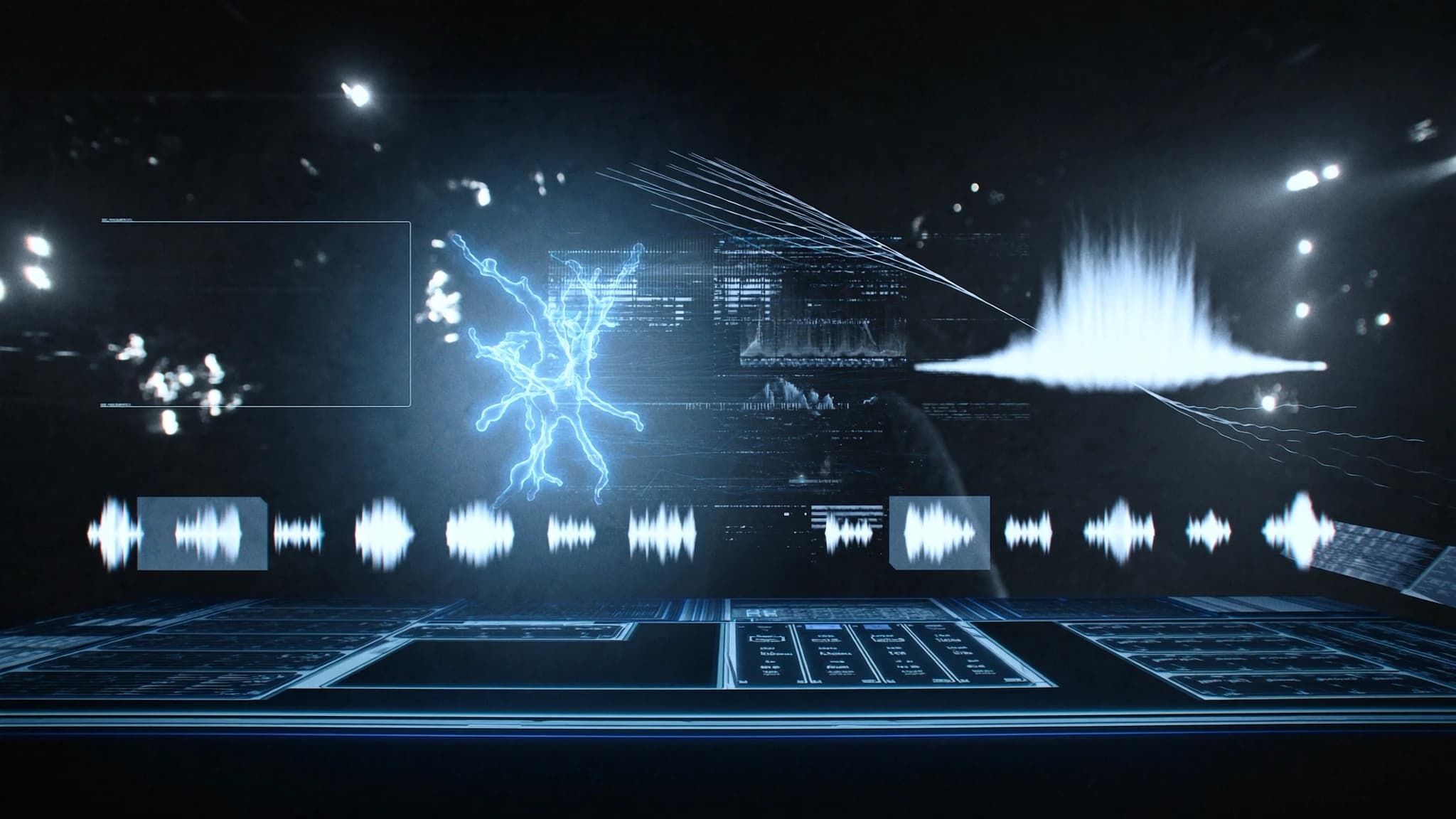
In professionele audio is een stille storing een showstopper. AI-gestuurd voorspellend onderhoud verschuift het paradigma van reactieve reparaties naar proactieve zorg, waarbij versterkers, luidsprekers en netwerken worden gemonitord om problemen te voorzien voordat ze downtime veroorzaken. Deze gids onderzoekt hoe telemetrie en afwijkingsdetectie tournees en installaties op piekprestaties houden.
Belangrijkste punten
- Voorspellend onderhoud gebruikt AI en telemetrie om apparatuurstoringen te voorzien voordat ze optreden, waardoor downtime wordt verminderd en de levensduur van apparatuur wordt verlengd.
- Belangrijke gegevensbronnen zijn versterkertemperatuur en -vermogen, luidsprekerimpedantie en -excursie, en netwerkprestatiemetrieken.
- Afwijkingsdetectie-algoritmen leren normaal gedrag en markeren afwijkingen, waardoor proactieve reparaties tijdens geplande downtime mogelijk worden.
- SSOUNDS integreert telemetrie en AI-gestuurde analytics in zijn versterkers, luidsprekers en DSP, en biedt doelgerichte betrouwbaarheid voor tournees en installaties.
- Succesvolle implementatie vereist duidelijke doelen, de juiste netwerkinfrastructuur, baselinegegevens en getraind personeel.
Waarom voorspellend onderhoud belangrijk is in professionele audio
Live sound en vaste AV-systemen zijn complexe ecosystemen waarin een enkele fout kan uitgroeien tot een catastrofale storing. Traditioneel onderhoud volgt een reactief of gepland model: repareer het wanneer het kapot gaat, of vervang onderdelen volgens een kalender ongeacht de conditie. Beide benaderingen zijn inefficiënt en riskant. Reactief onderhoud betekent dat je altijd één storing verwijderd bent van stilte. Gepland onderhoud vervangt vaak gezonde componenten terwijl subtiele degradatie die tot onverwachte uitval leidt, wordt gemist.
Voorspellend onderhoud, aangedreven door AI, verandert het spel door continu de gezondheid van kritieke componenten te monitoren en machine learning te gebruiken om afwijkingen te detecteren die aan falen voorafgaan. Hierdoor kunnen technici problemen aanpakken tijdens geplande downtime, niet tijdens een show. Voor tourrigs, waar elke kilogram en elke minuut telt, en voor permanente installaties, waar toegang moeilijk kan zijn, zijn de voordelen enorm: verhoogde uptime, langere levensduur van apparatuur en lagere total cost of ownership.
De gegevens die voorspelling aandrijven: telemetrie van versterkers, luidsprekers en netwerken
Aan de basis van voorspellend onderhoud staat telemetrie: het automatisch verzamelen van gegevens van sensoren en systeemlogboeken. In een modern AV-netwerk kunnen versterkers, luidsprekers en netwerkswitches allemaal hun status rapporteren. Versterkers kunnen bijvoorbeeld gegevens streamen over uitgangsvermogen, temperatuur, netspanning, ventilatorsnelheid en impedantiebelastingen. Luidsprekers uitgerust met DSP kunnen spreekspoeltemperatuur, excursie en limiterstatus leveren. Netwerkswitches kunnen packet loss, latency en foutpercentages rapporteren.
SSOUNDS-engineers ontwerpen onze versterkers en DSP-luidsprekers om rijke telemetrie beschikbaar te stellen via standaardprotocollen zoals SNMP, OSC of onze eigen API. Deze gegevens zijn de grondstof voor AI-modellen. Het gaat er niet alleen om gegevens te verzamelen, maar de juiste gegevens met de juiste frequentie. Te weinig gegevens en je mist vroege waarschuwingssignalen; te veel en je verdrinkt in ruis. Onze systemen zijn afgestemd om betekenisvolle parameters vast te leggen zonder het netwerk te overweldigen.
Hoe AI afwijkingen detecteert voordat ze storingen worden
Afwijkingsdetectie is de kern van voorspellend onderhoud. AI-modellen worden getraind op historische gegevens van duizenden uren werking en leren hoe normaal eruitziet voor elke component onder verschillende omstandigheden. Wanneer realtime gegevens afwijken van de norm, markeert het systeem een afwijking. Dit kan een geleidelijke drift in versterkerefficiëntie zijn, een plotselinge piek in luidsprekerimpedantie of een patroon van netwerkherhalingen dat wijst op een falende kabel.
Machine learning-algoritmen, zoals clustering, autoencoders en time-series forecasting, zijn bijzonder effectief. Ze kunnen subtiele correlaties identificeren die mensen misschien missen. Een lichte stijging van de versterkertemperatuur in combinatie met een daling van het uitgangsvermogen kan bijvoorbeeld een dreigende thermische uitschakeling voorspellen. SSOUNDS gebruikt AI-ondersteunde modellering niet alleen voor systeemontwerp, maar ook voor doorlopende gezondheidsmonitoring. Onze algoritmen zijn getraind op diverse operationele gegevens, zodat ze werken in verschillende locaties, klimaten en programmamateriaal.
Voorspellend onderhoud implementeren in tournees en installaties
Voor tournees betekent voorspellend onderhoud minder reserveonderdelen en minder stress. Een tourmanager kan op een tablet waarschuwingen ontvangen vóór een show, waaruit blijkt dat een specifiek versterkerkanaal heter dan normaal loopt. De tech kan het overdag vervangen en zo een storing midden in de show voorkomen. Na verloop van tijd helpt data van de weg om onderhoudsschema's te verfijnen en zelfs toekomstig productontwerp te informeren.
In permanente installaties, zoals stadions, gebedshuizen en conferentiecentra, vermindert voorspellend onderhoud het aantal servicebezoeken en downtime. Facility managers kunnen het volledige audiosysteem vanaf een centraal dashboard monitoren. Wanneer een afwijking wordt gedetecteerd, kunnen ze een technicus met de juiste onderdelen en informatie sturen, vaak voordat het probleem de prestaties beïnvloedt. SSOUNDS ondersteunt beide scenario's met robuuste telemetrie en AI-gestuurde analytics, of het systeem nu op wereldtournee is of in een vaste locatie staat.
De rol van SSOUNDS in AI-gestuurde audioreliability
SSOUNDS loopt altijd voorop in audio-innovatie, en voorspellend onderhoud is een natuurlijke uitbreiding van onze engineeringfilosofie. Onze versterkers en luidsprekers zijn gebouwd met de sensoren en verwerkingskracht die nodig zijn voor geavanceerde telemetrie. Ons DSP-platform bevat machine-learning-afgestemde presets die niet alleen het geluid optimaliseren, maar ook bijdragen aan de systeemgezondheid door overdrive-omstandigheden te voorkomen.
We leveren ook de softwaretools om de gegevens te begrijpen. Onze monitoringsuite verzamelt telemetrie van alle aangesloten apparaten, past AI-afwijkingsdetectie toe en presenteert bruikbare inzichten. Dit is geen generieke IT-oplossing; het is speciaal gebouwd voor de unieke eisen van professionele audio. Door voorspellend onderhoud in onze producten te integreren, helpen we onze klanten ongekende niveaus van betrouwbaarheid te bereiken, of ze nu de wereld rondtoeren of een systeem installeren in een gebedshuis.
Best practices voor het inzetten van voorspellend onderhoud
Begin met een duidelijk doel: welke storingen probeer je te voorspellen? Veelvoorkomende doelen zijn oververhitting van versterkers, falen van luidsprekerdrivers en netwerkinstabiliteit. Zorg ervoor dat je apparaten telemetrie ondersteunen en dat je netwerk het gegevensverkeer aankan. Werk samen met een fabrikant zoals SSOUNDS die zowel audio als data science begrijpt.
Stel een baseline van normale werking vast voor elke component. Dit kan een periode van gegevensverzameling vereisen voordat afwijkingen betrouwbaar kunnen worden gedetecteerd. Train je team om gepast op waarschuwingen te reageren en gebruik de gegevens om je onderhoudsprocedures continu te verbeteren. Onthoud: voorspellend onderhoud is geen set-and-forget-oplossing; het is een doorlopend proces dat evolueert met je systeem en je shows.
Veelgestelde vragen
Wat is voorspellend onderhoud voor AV-apparatuur?
Voorspellend onderhoud maakt gebruik van continue monitoring en AI om vroege tekenen van falen in audioapparatuur te detecteren, zodat reparaties kunnen plaatsvinden voordat een storing optreedt. Het is afhankelijk van telemetrie van versterkers, luidsprekers en netwerken, en van machine learning om afwijkingen te identificeren.
Hoe ondersteunt SSOUNDS voorspellend onderhoud?
SSOUNDS bouwt telemetriemogelijkheden in zijn versterkers en luidsprekers en levert AI-gestuurde monitoringssoftware die gegevens verzamelt, afwijkingen detecteert en technici waarschuwt. Onze systemen zijn ontworpen voor zowel tour- als vaste installaties.
Kan voorspellend onderhoud op elk audiosysteem werken?
Het vereist apparaten die telemetrie kunnen rapporteren en een netwerk om gegevens te verzenden. Veel moderne professionele audioproducten ondersteunen dit, maar de diepgang van gegevens en AI-analyse verschilt. SSOUNDS-systemen zijn vanaf de basis ontworpen met voorspellend onderhoud in gedachten.
Wat zijn de voordelen voor tourgeluid?
Voor tourneegebruik vermindert voorspellend onderhoud het risico op showstoppende storingen, minimaliseert het de voorraad reserveonderdelen en stelt het technici in staat om problemen tijdens downtime aan te pakken. Het levert ook waardevolle gegevens op voor toekomstige planning en productverbetering.
Is voorspellend onderhoud duur om te implementeren?
De kosten zijn afhankelijk van de schaal van het systeem en het gewenste niveau van monitoring. De investering wordt echter vaak gecompenseerd door verminderde downtime, lagere reparatiekosten en een langere levensduur van de apparatuur. SSOUNDS biedt schaalbare oplossingen voor verschillende budgetten en behoeften.
Een systeem bouwen of upgraden?
SSOUNDS ontwerpt en produceert professionele PA wereldwijd, van een enkele ruimte tot stadionformaat.