AI-realtime taalvertaling bij evenementen
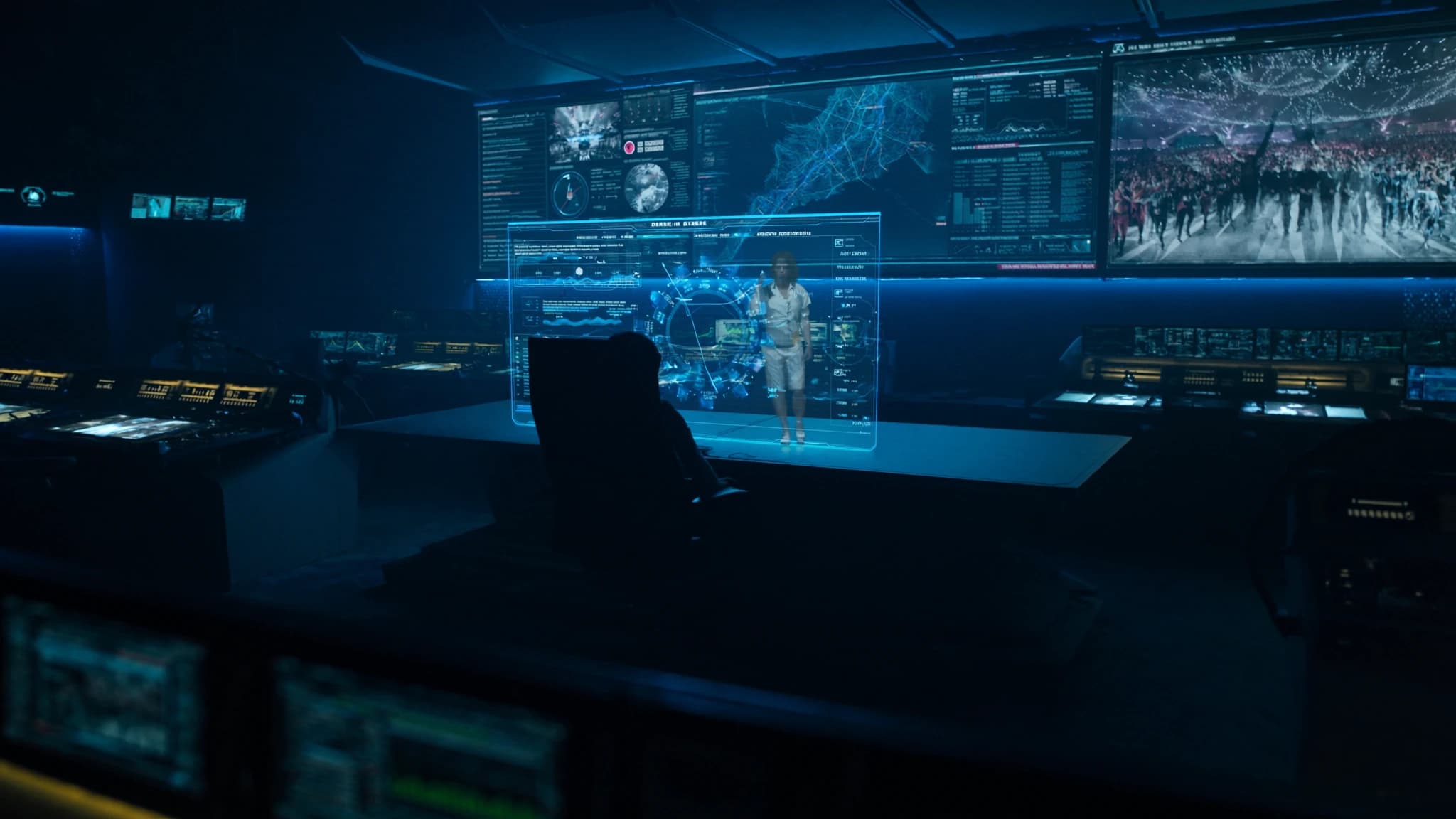
Internationale conferenties en live-evenementen vertrouwen steeds vaker op AI-gestuurde realtime taalvertaling om taalbarrières te slechten. Deze gids onderzoekt hoe AI-liveondertiteling en spraakvertaling werken, welke audio-infrastructuur vereist is, en hoe SSOUNDS-engineers deze systemen integreren voor feilloze meertalige levering.
Belangrijkste punten
- AI-realtimevertaling combineert spraakherkenning, machinevertaling en outputgeneratie om direct meertalige inhoud te leveren.
- Schone audio-input en netwerken met lage latentie zijn cruciaal voor nauwkeurige en tijdige vertaling.
- Vertaalde inhoud kan worden geleverd via ondertitels, gesynthetiseerde spraak of beide, met behulp van headsets, apps of geïntegreerde audiokanalen.
- Uitdagingen zijn onder meer nauwkeurigheid bij accenten en jargon, latentie en culturele nuance; pre-training en menselijke monitoring helpen.
- SSOUNDS-engineers ontwerpen end-to-end audiosystemen die AI-vertaling naadloos integreren voor wereldwijde evenementen.
De opkomst van AI-vertaling bij live-evenementen
Wereldwijde evenementen vragen nu om naadloze communicatie across talen. Traditionele tolkencabines en menselijke vertalers worden aangevuld, en in sommige gevallen vervangen, door AI-gestuurde realtimevertaalsystemen. Deze systemen vangen gesproken woorden op, zetten ze om in tekst, vertalen ze, en tonen vervolgens ondertitels of synthetiseren spraak in de doeltaal, allemaal binnen milliseconden.
De drijvende krachten zijn duidelijk: verwachtingen van het publiek voor direct begrip, de kosten en logistiek van meerdere menselijke tolken, en de noodzaak om externe deelnemers te bereiken. AI-vertaling biedt schaalbaarheid, consistentie en de mogelijkheid om tientallen talen tegelijk te ondersteunen zonder een evenredige toename van crew.
Hoe AI-realtimevertaling werkt
In de kern omvat het proces drie fasen: automatische spraakherkenning (ASR), machinevertaling (MT) en outputgeneratie. ASR zet de stem van de spreker om in tekst, waarbij accenten, jargon en achtergrondgeluid worden verwerkt. MT vertaalt die tekst vervolgens naar de doeltalen. Ten slotte geeft het systeem ondertitels voor weergave of gesynthetiseerde spraak voor audiokanalen weer.
Latentie is de kritieke uitdaging. Voor live-evenementen verstoren vertragingen van meer dan een paar seconden de flow. Moderne systemen gebruiken streaming ASR- en MT-modellen die spraak incrementeel verwerken en vertalingen bijwerken naarmate zinnen zich ontwikkelen. Dit vereist robuuste rekenkracht, vaak edge-servers ter plaatse, en audionetwerken met lage latentie.
Audio-infrastructuur voor vertaalsystemen
AI-vertaling is slechts zo goed als de audio die het ontvangt. Schone, geïsoleerde spraak is essentieel. Dit betekent het gebruik van hoogwaardige microfoons, vaak directioneel of lavalier, en het toepassen van mix-minus-opstellingen om feedback te voorkomen en ervoor te zorgen dat de stem van elke spreker duidelijk wordt vastgelegd. Voor paneldiscussies kunnen beamforming-microfoonarrays actieve sprekers volgen en omgevingsgeluid onderdrukken.
De audio moet vervolgens naar de vertaalmachine worden gerouteerd. Een Dante- of AES67-netwerk is ideaal, omdat het flexibele signaalverdeling mogelijk maakt. SSOUNDS-engineers ontwerpen audiosystemen met speciale vertaalfeeds, zodat de AI de best mogelijke input ontvangt. De vertaalde outputs, of het nu tekst of gesynthetiseerde stem is, worden vervolgens weer geïntegreerd in het hoofdaudiosysteem voor distributie naar headsets, hulpmiddelen voor luisterondersteuning of streamingplatforms.
Vertaling van inhoud naar het publiek brengen
Eenmaal vertaald moet de inhoud het publiek naadloos bereiken. Voor ondertitels kan dit via grote schermen, persoonlijke apparaten (via Wi-Fi of speciale apps) of augmented reality-brillen. Voor audio zijn de opties infrarood- of RF-headsets, speciale kanalen in een conferentie-app, of zelfs gelokaliseerde geluidszones met gerichte auditechnologie.
Het belangrijkste is om het hoofdevenement niet te verstoren. Vertaalde audio moet op passende niveaus worden gemixt en zonder interferentie worden geleverd. SSOUNDS integreert vertaaloutputs in dezelfde DSP-infrastructuur die voor de hoofd-PA wordt gebruikt, wat zorgt voor consistente kwaliteit en controle. Dit maakt ook monitoring en redundantie mogelijk, cruciaal voor evenementen met hoge inzet.
Uitdagingen en beste praktijken
AI-vertaling is niet zonder valkuilen. De nauwkeurigheid kan lijden onder zware accenten, snel spreken of technische terminologie. Latentie kan variëren en fouten kunnen gênant zijn. Om dit te beperken wordt training van de AI vóór het evenement met domeinspecifieke woordenschat aanbevolen. Een menselijke monitor die ondertitels corrigeert of ingrijpt bij kritieke segmenten biedt een extra vangnet.
Een andere uitdaging is culturele nuance. Machinevertaling kan idiomen of toon missen. Voor hoogwaardige diplomatieke of juridische evenementen hebben menselijke tolken nog steeds de voorkeur. Voor veel conferenties biedt AI echter een kosteneffectieve en efficiënte oplossing. Beste praktijken zijn onder meer grondig testen, duidelijke communicatie naar sprekers (bijv. duidelijk en in een gematigd tempo spreken) en altijd een back-upplan hebben.
De SSOUNDS-benadering van meertalige evenementen
SSOUNDS benadert AI-vertaling als een uitbreiding van het audiosysteem, niet als een bijzaak. Onze engineers ontwerpen de volledige signaalketen, van microfoon tot vertaalmachine tot levering aan het publiek, om optimale prestaties te garanderen. We gebruiken onze expertise in DSP en networked audio om latentie te minimaliseren en verstaanbaarheid te maximaliseren.
Voor internationale evenementen bieden we advies over de beste AI-vertaaltools en integratiestrategieën. Onze systemen zijn gebouwd om naadloos te interfacen met toonaangevende ASR- en MT-platforms, en we bieden ondersteuning voor het implementeren van vertaalde audio across meerdere zones of kanalen. Of het nu gaat om een bedrijfsconferentie in Londen, een top in Lagos, of een hybride evenement dat continenten overspant, SSOUNDS levert betrouwbare, hoogwaardige meertalige audio.
Veelgestelde vragen
Wat is de typische latentie van AI-realtimevertaling?
De latentie varieert per systeem en internetverbinding, maar moderne streamingmodellen kunnen vertragingen van 1 tot 3 seconden bereiken. Edge computing ter plaatse vermindert de latentie verder.
Kan AI-vertaling meerdere talen tegelijk aan?
Ja, veel platforms ondersteunen tientallen talen tegelijk. Het audiosysteem moet meerdere uitgangen zonder interferentie kunnen routeren.
Is AI-vertaling nauwkeurig genoeg voor technische conferenties?
Met domeinspecifieke training en duidelijke spraak kan de nauwkeurigheid hoog zijn. Voor kritieke inhoud wordt menselijk toezicht aanbevolen.
Hoe ondersteunt SSOUNDS AI-vertaling bij evenementen?
SSOUNDS verzorgt het ontwerp van de audio-infrastructuur, de integratie met vertaalplatforms en ondersteuning ter plaatse om een schone input en betrouwbare output te garanderen.
Heb ik speciale microfoons nodig voor AI-vertaling?
Ja, directionele of beamforming-microfoons die spraak isoleren zijn ideaal. SSOUNDS kan passende modellen aanbevelen en leveren.
Een systeem bouwen of upgraden?
SSOUNDS ontwerpt en produceert professionele PA wereldwijd, van een enkele ruimte tot stadionformaat.