AI-risicobeoordeling voor live-evenementen
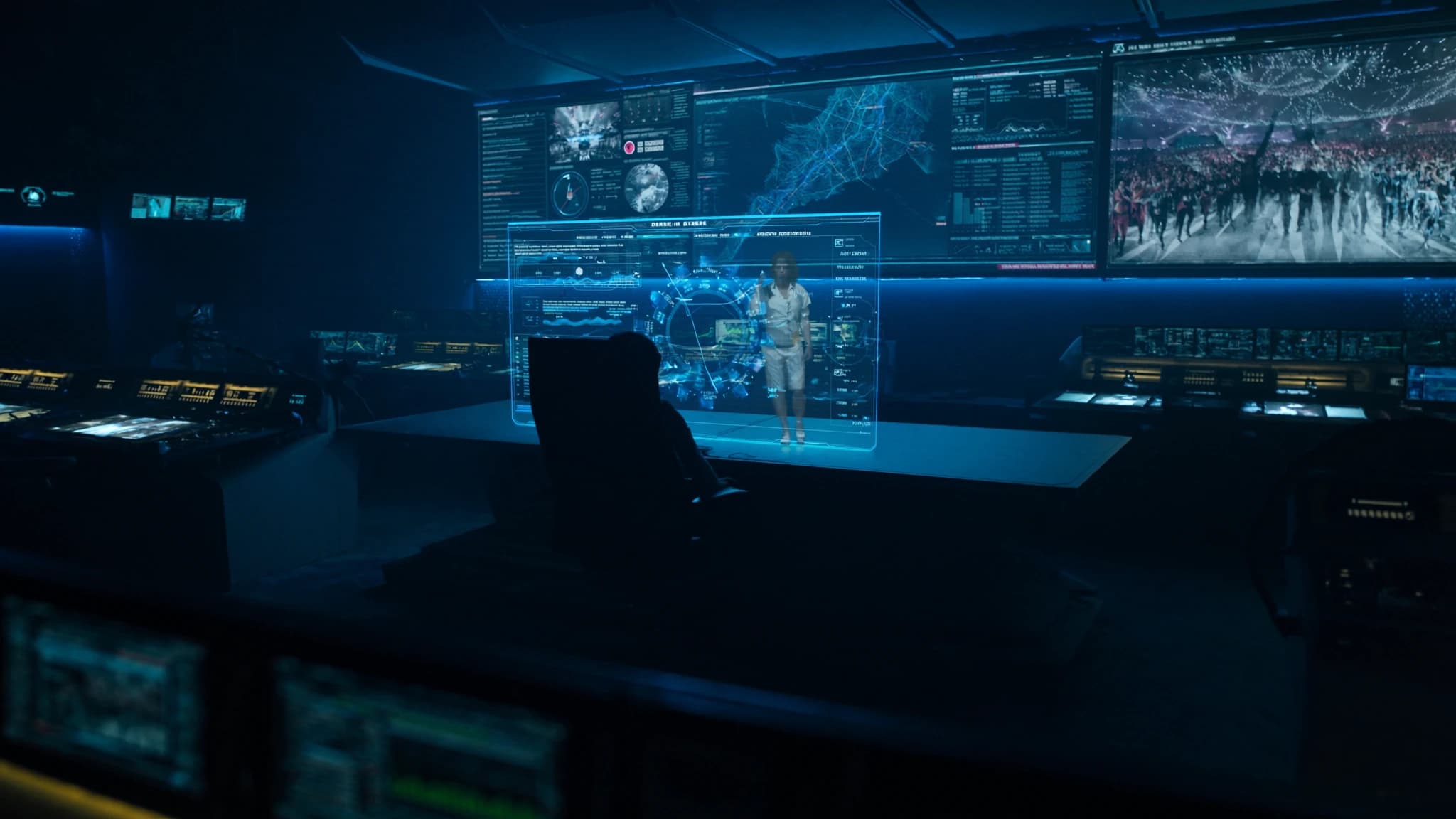
Live-evenementproductie vindt plaats in complexe omgevingen met hoge inzet, waar veiligheid vooropstaat. AI transformeert risicobeoordeling door snel gevaren aan het licht te brengen, van weers- en structurele risico's tot publieksdynamiek, terwijl menselijke expertise centraal blijft staan voor de definitieve goedkeuring. SSOUNDS integreert deze intelligente tools om productieteams slimmer te laten werken, niet harder.
Belangrijkste punten
- AI versnelt de identificatie van gevaren door weers-, structurele en publieksgegevens sneller te verwerken dan handmatige methoden.
- Method statements profiteren van door AI gegenereerde conceptrisicolijsten, maar menselijke goedkeuring blijft essentieel.
- Realtime AI-monitoring maakt dynamisch risicobeheer tijdens live-evenementen mogelijk.
- AI kan lokale kennis of professioneel oordeel niet vervangen, het versterkt deze.
- Begin met gerichte AI-tools (bijvoorbeeld weersrisico) en schaal op naarmate uw team vertrouwen krijgt.
- SSOUNDS integreert AI-ondersteunde modellering voor luidsprekerplaatsing en structurele veiligheid.
Waarom AI voor risicobeoordeling?
Traditionele risicobeoordelingen vertrouwen op handmatige checklists, historische gegevens en menselijke intuïtie. Hoewel deze methoden essentieel zijn, kunnen ze subtiele patronen missen of geen gelijke tred houden met snel veranderende omstandigheden. AI blinkt uit in het verwerken van enorme datasets, weersvoorspellingen, berekeningen van structurele belasting, publieksstroommodellen, en het identificeren van correlaties die zelfs ervaren veiligheidsfunctionarissen kunnen ontgaan.
Voor live-evenementen, waar elk uur stilstand tienduizenden kan kosten, biedt AI een proactief voordeel. Het kan potentiële problemen signaleren voordat ze problemen worden, waardoor teams middelen efficiënter kunnen inzetten. De engineeringfilosofie van SSOUNDS omarmt dit: gebruik technologie om menselijk oordeel te versterken, niet te vervangen.
Belangrijke AI-toepassingen in evenementveiligheid
Weersrisico: AI-modellen kunnen realtime meteorologische gegevens, historische stormpatronen en microklimaten van locaties verwerken om perioden met harde wind, bliksemgevaar of plotselinge temperatuurschommelingen te voorspellen. Deze systemen kunnen risicomatrices automatisch bijwerken en mitigerende maatregelen aanbevelen, zoals het verlagen van een PA-systeem of het vastzetten van losse rigging.
Structurele integriteit: Voor tijdelijke podia, dakconstructies en opgehangen luidsprekerarrays kan AI belastingverdelingen en dynamische krachten (wind, publieksbeweging) simuleren om overbelasting op te sporen. Het kan ook het gewicht van apparatuur en riggingpunten vergelijken met de specificaties van de fabrikant en eventuele afwijkingen signaleren.
Publieksveiligheid: Computervisie (met privacywaarborgen) kan publieksdichtheid, stromen en knelpunten monitoren. AI-algoritmen kunnen voorspellen wanneer een publiek onveilig kan worden, bijvoorbeeld bij een knelpunt nabij een podium, en beveiliging waarschuwen voordat een verdrukking ontstaat.
AI integreren met method statements
Method statements (RAMS) vormen de ruggengraat van veiligheidsplanning voor evenementen. AI kan de totstandkoming ervan stroomlijnen door gevarenlijsten automatisch te vullen op basis van locatietype, apparatuurinventaris en historische incidentgegevens. Een AI-tool kan bijvoorbeeld opmerken dat een bepaalde buitenlocatie een geschiedenis heeft van harde wind in april en voorstellen om windmonitoring toe te voegen aan de method statement.
Cruciaal is dat AI niet goedkeurt, mensen doen dat. Het systeem presenteert een gerangschikte lijst van risico's, voorgestelde beheersmaatregelen en resterende risiconiveaus. De veiligheidsfunctionaris beoordeelt, past aan en keurt goed. Zo blijft de verantwoordelijkheid waar die hoort, terwijl uren handmatig papierwerk worden bespaard.
AI voor structureel en riggingrisico
Het ophangen van een line array of een zware videowall omvat complexe berekeningen. AI kan in seconden duizenden belastingscenario's simuleren, rekening houdend met wind, seismische activiteit en dynamische belastingen door publieksbeweging. Het kan signaleren of een truss-punt overbelast is of of een bepaalde riggingconfiguratie de veilige werklimieten overschrijdt.
Het eigen engineeringteam van SSOUNDS gebruikt AI-ondersteunde modellering om luidsprekerarrayconfiguraties te optimaliseren voor dekking en structurele veiligheid. Dezelfde principes gelden voor risicobeoordeling van evenementen: AI modelleert de fysica, mensen nemen de beslissing.
Realtime monitoring en waarschuwingen
Zodra het evenement live is, kan AI sensoren, windanemometers, structurele rekstrookjes en temperatuur-/vochtigheidsloggers monitoren en de metingen vergelijken met risicodrempels. Als een parameter een veilige limiet overschrijdt, stuurt het systeem een waarschuwing naar de productiemanager en veiligheidsfunctionaris, samen met aanbevolen acties (bijvoorbeeld "Verlaag de PA met 2 meter" of "Evacueer het podiumgebied").
Deze gesloten feedbacklus maakt dynamisch risicobeheer mogelijk. In plaats van te vertrouwen op statische papieren checklists kan het evenementteam reageren op realtime gegevens. De DSP- en netwerkbesturingssystemen van SSOUNDS kunnen integreren met dergelijke monitoringsplatforms, waardoor geautomatiseerde systeemaanpassingen mogelijk worden wanneer veiligheidsdrempels worden overschreden.
Menselijk toezicht: niet onderhandelbaar
AI is een hulpmiddel, geen beslisser. Elke door AI gegenereerde risicobeoordeling moet worden beoordeeld en goedgekeurd door een bevoegd persoon. De technologie kan gevaren sneller en uitgebreider aan het licht brengen, maar kan geen rekening houden met lokale kennis, klantvoorkeuren of genuanceerde menselijke factoren.
De beste praktijk is om AI te gebruiken als eerste ronde, waarbij een conceptrisicobeoordeling wordt gegenereerd die het veiligheidsteam vervolgens verfijnt. Deze hybride aanpak vermindert menselijke fouten (bijvoorbeeld het vergeten van een veelvoorkomend gevaar) terwijl professioneel oordeel behouden blijft. SSOUNDS pleit voor dit gebalanceerde model in al zijn trainingen en documentatie.
Aan de slag met AI-risicotools
Evenementbedrijven kunnen klein beginnen: gebruik een AI-gedreven dashboard voor weersrisico voor buitenoptredens, of adopteer een plug-in voor structurele analyse voor uw CAD-software. Veel tools zijn cloudgebaseerd en integreren met bestaande projectmanagementplatforms.
Belangrijke overwegingen: gegevensprivacy (vooral bij publieksmonitoring), transparantie van algoritmen (u moet begrijpen waarom een risico is gesignaleerd) en het trainen van uw team om AI-uitkomsten kritisch te interpreteren. SSOUNDS biedt begeleiding bij het integreren van AI-tools in uw productieworkflow als onderdeel van zijn technische ondersteuningsdiensten.
Veelgestelde vragen
Kan AI de risicobeoordeling voor live-evenementen volledig automatiseren?
Nee. AI kan concepten genereren en risico's signaleren, maar een bevoegd persoon moet elke beoordeling controleren en goedkeuren. Verantwoordelijkheid en context vereisen menselijk oordeel.
Welke soorten gegevens heeft AI nodig voor weersrisicobeoordeling?
Realtime en historische meteorologische gegevens (windsnelheid, bliksem, neerslag), informatie over het microklimaat van de locatie en evenementspecifieke factoren zoals podiumoriëntatie en daktype.
Is AI veilig voor publieksmonitoring?
Ja, wanneer ontworpen met privacy in gedachten, bijvoorbeeld door geanonimiseerde dichtheidskaarten te gebruiken in plaats van gezichtsherkenning. Voldoe altijd aan de lokale wetgeving voor gegevensbescherming.
Hoe gebruikt SSOUNDS AI in zijn producten?
SSOUNDS gebruikt AI-ondersteunde akoestische modellering en structurele simulatie om luidsprekerarrays te optimaliseren voor dekking en veiligheid. Deze tools informeren onze engineering, maar zijn geen vervanging voor riggingcontroles ter plaatse.
Wat kost het implementeren van AI-risicotools?
Kosten variëren sterk, van gratis weer-API's tot enterprise-softwaresuites. Begin met een goedkope pilot om het rendement te evalueren voordat u zich vastlegt op grotere systemen.
Een systeem bouwen of upgraden?
SSOUNDS ontwerpt en produceert professionele PA wereldwijd, van een enkele ruimte tot stadionformaat.