AI-showautomatisering en cue-triggering
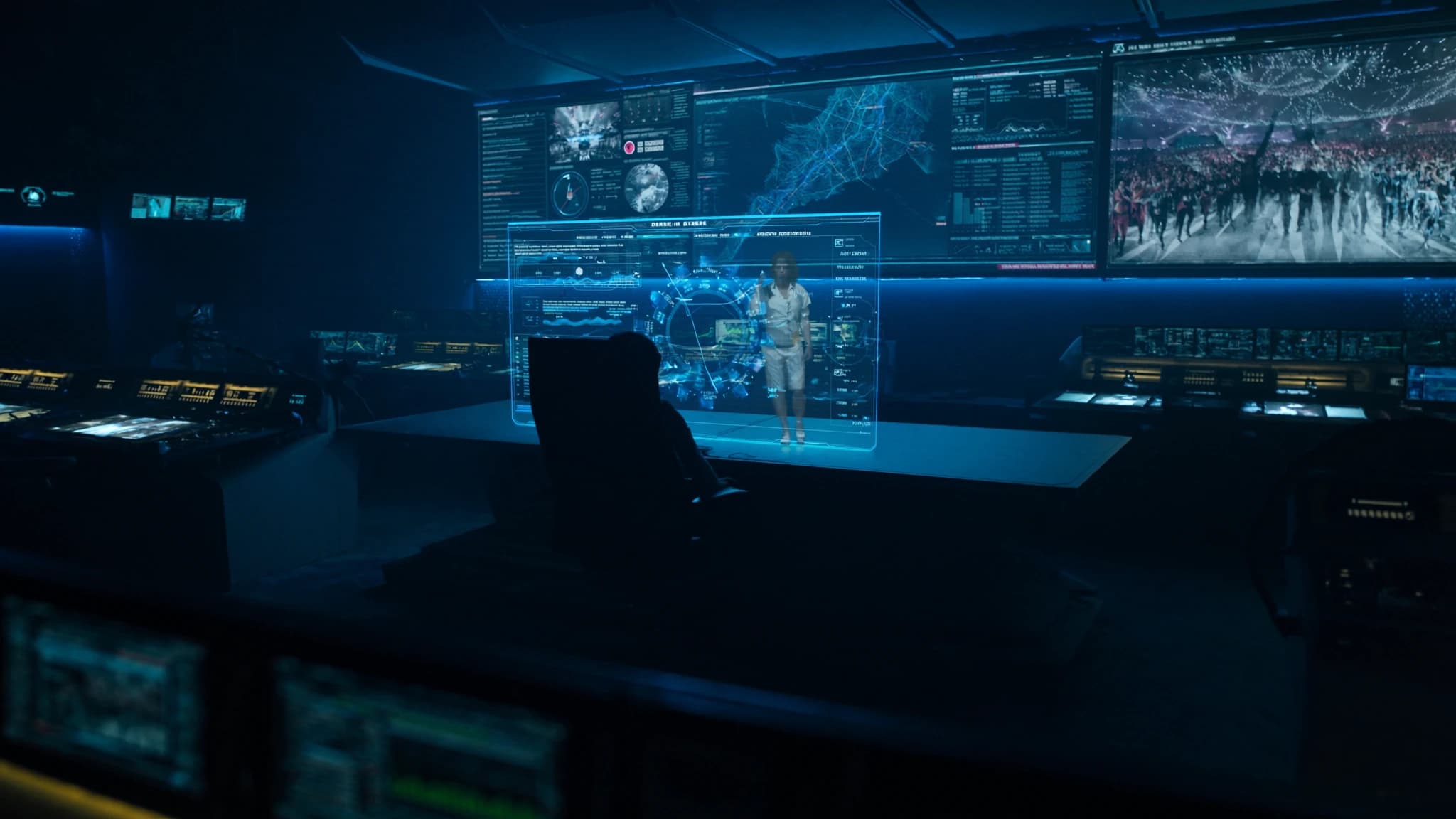
In moderne liveproducties transformeert de convergentie van AI en automatisering showbesturing van handmatige bediening naar intelligente, voorspellende systemen. SSOUNDS integreert geavanceerde automatiseringsmogelijkheden in zijn PA-ecosysteem, waardoor naadloze timecodesynchronisatie, cue-triggering en audio-follow-video-workflows mogelijk worden die de precisie en herhaalbaarheid over audio-, licht- en videodomeinen verhogen.
Belangrijkste punten
- AI-gestuurde showautomatisering verbetert precisie, herhaalbaarheid en aanpasbaarheid in liveproducties.
- Timecodesynchronisatie is essentieel voor het op elkaar afstemmen van audio, licht en video; AI kan drift en jitter corrigeren.
- Intelligente cue-triggering gebruikt voorwaardelijke logica (bijvoorbeeld audioniveau, video-inhoud) voor niet-lineaire automatisering.
- Audio-follow-video (AFV) profiteert van AI-analyse van video-inhoud om audioparameters in realtime aan te passen.
- Uniforme besturing over disciplines vereist een robuust netwerk en open protocollen; SSOUNDS ondersteunt OSC, Dante en GPIO.
- Machine learning kan apparatuurstoringen voorspellen, wat de betrouwbaarheid bij shows met hoge inzet verbetert.
De evolutie van showbesturing: van handmatig naar AI-gestuurd
Traditionele showbesturing vertrouwde op menselijke operators die handmatig cues activeerden, niveaus aanpasten en media synchroniseerden, een proces dat gevoelig is voor timingfouten en vermoeidheid. Met de opkomst van digitale consoles, mediaservers en netwerkgebaseerde besturingsprotocollen (bijvoorbeeld OSC, MIDI, SMPTE-timecode) werd automatisering mogelijk, maar vereiste nog steeds uitgebreide programmering. Vandaag introduceert AI adaptieve intelligentie: systemen kunnen leren van eerdere shows, optimale cue-punten voorspellen en in realtime aanpassen op basis van sensorgegevens of publieksfeedback.
Voor audio betekent dit dat luidsprekerpresets, delaytijden en EQ automatisch per scène kunnen worden opgeroepen, terwijl AI-algoritmen de dekking optimaliseren op basis van de akoestiek van de locatie, gemeten via microfoons. Het DSP-platform van SSOUNDS ondersteunt deze workflows door timecode- en besturingssignalen te accepteren, waardoor naadloze integratie met showbesturingssystemen zoals QLab, Medialon of aangepaste AI-scripts mogelijk wordt.
Timecodesynchronisatie: de ruggengraat van geautomatiseerde shows
Timecode (LTC of MTC) biedt een masterklok die audio, licht, video en effecten op elkaar afstemt. In een typische opstelling voedt een timecodegenerator een netwerk, en elk subsysteem (audioconsole, lichtconsole, mediaserver) doorloopt zijn cuelijst in lockstep. AI verbetert dit door de timecodestroom te analyseren om drift of jitter te detecteren, en corrigeert met algoritmen om een strakke sync te behouden, cruciaal voor immersieve ervaringen zoals 3D-audio of videomapping.
SSOUNDS-systemen kunnen timecode ontvangen via Dante, AES67 of speciale GPIO, waardoor nauwkeurige triggering van luidsprekerarray-presets, subwoofer-delays of monitormixen mogelijk wordt. Een scènewissel in een musical kan bijvoorbeeld automatisch een andere PA-configuratie oproepen (bijvoorbeeld front-fill versus delaytorens) zonder tussenkomst van een operator.
Cue-triggering: intelligente automatisering voorbij lineaire weergave
Cue-triggering volgt traditioneel een lineaire tijdlijn, maar AI introduceert voorwaardelijke logica: cues kunnen worden geactiveerd door audioniveaudrempels, analyse van video-inhoud of zelfs publieksgeluid. Een liveconcert kan bijvoorbeeld AI gebruiken om applaus te detecteren en automatisch een fade van de zaalverlichting of een toegift te triggeren. In theater kan AI acteursposities volgen via camerabeelden en microfoonroutering of delaytijden daarop aanpassen.
De besturings-API van SSOUNDS stelt externe systemen in staat opdrachten te sturen (bijvoorbeeld een preset oproepen, een kanaal dempen) op basis van dergelijke triggers. Dit maakt complexe automatisering mogelijk zoals audio-follow-video: wanneer een videoclip wordt afgespeeld, wordt de bijbehorende audiotrack naar de juiste luidsprekerzone gerouteerd, waarbij AI de niveaus aanpast aan het dynamische bereik van de video.
Audio-follow-video (AFV) en crossmedia-automatisering
AFV is een veelvoorkomende vereiste bij bedrijfsevenementen, broadcast en livetheater waar video-inhoud de audioroutering aanstuurt. AI verheft AFV door video-inhoud te analyseren (bijvoorbeeld het detecteren van scèneveranderingen, dialoog of muziek) en automatisch audioparameters zoals EQ, compressie of ruimtelijke positionering aan te passen. Een documentaire met meerdere sprekers kan bijvoorbeeld elke stem aan een andere virtuele geluidsbron toewijzen, waarbij AI zorgt voor consistent niveau en helderheid.
De line arrays en point-source-systemen van SSOUNDS zijn ontworpen om met dergelijke automatisering te werken: hun DSP-presets kunnen per videoscène worden opgeroepen, en de dekking van het systeem kan dynamisch worden aangepast aan het focuspunt van de video (bijvoorbeeld een close-up versus een breed shot). Deze integratie vermindert handmatige mixing en zorgt voor een samenhangende publiekservaring.
Intelligente automatisering over audio, licht en video
Het uiteindelijke doel is een uniforme showbesturing waarin AI alle disciplines orkestreert. Een liveconcert kan bijvoorbeeld AI hebben die het tempo en de dynamiek van de muziek analyseert om lichtchases, video-effecten en zelfs PA-subwooferpatronen in realtime te triggeren. SSOUNDS neemt deel aan dit ecosysteem door netwerkgebaseerde besturing te bieden (bijvoorbeeld OSC, Art-Net, sACN) waarmee licht- en videoconsoles direct audiopresets kunnen oproepen.
Machine learning-modellen kunnen ook apparatuurstoringen voorspellen: door versterkertemperaturen, luidsprekerimpedantie en netwerklatentie te monitoren, kan AI preventief onderhoud plannen of audiopaden omleiden voordat een storing optreedt. Deze betrouwbaarheid is cruciaal voor producties met hoge inzet waar downtime onacceptabel is.
Praktische implementatie met SSOUNDS-systemen
Om AI-gestuurde showautomatisering te implementeren, begin je met een robuuste netwerkinfrastructuur (Dante, AES67 of AVB) die zowel audio- als besturingsgegevens transporteert. SSOUNDS-versterkers en DSP-units kunnen worden geconfigureerd om timecode- en OSC-opdrachten te accepteren, waardoor integratie met populaire showbesturingssoftware mogelijk wordt. Voor geavanceerde AI gebruik je middleware zoals Max/MSP, Pure Data of aangepaste Python-scripts die sensorgegevens analyseren en besturingssignalen verzenden.
Een typische workflow: 1) Definieer cues in een tijdlijn (bijvoorbeeld QLab). 2) Wijs SSOUNDS-presets toe aan elke cue (bijvoorbeeld verschillende EQ voor verschillende nummers). 3) Gebruik AI om repetitie-opnames te analyseren en cue-punten fijn af te stemmen. 4) Tijdens de show monitort AI op afwijkingen (bijvoorbeeld een late entree) en past timing of routering dienovereenkomstig aan. Het supportteam van SSOUNDS biedt begeleiding bij API-gebruik en systeemontwerp voor dergelijke projecten.
Veelgestelde vragen
Welke timecodeformaten ondersteunt SSOUNDS?
SSOUNDS-systemen accepteren LTC (analoog), MTC (MIDI) en netwerkgebaseerde timecode via Dante of AES67. Onze DSP kan worden geconfigureerd om op elk van deze te synchroniseren, waardoor nauwkeurige cue-triggering mogelijk wordt.
Kan SSOUNDS integreren met lichtconsoles voor geautomatiseerde showbesturing?
Ja, via OSC-, Art-Net- of sACN-protocollen. Lichtconsoles kunnen opdrachten sturen om SSOUNDS-presets op te roepen, niveaus aan te passen of zones te dempen, waardoor cross-discipline automatisering mogelijk wordt.
Hoe verbetert AI audio-follow-video?
AI kan video-inhoud analyseren (bijvoorbeeld scèneveranderingen, dialoog) om automatisch EQ, compressie en ruimtelijke positionering aan te passen, waardoor consistente audiokwaliteit zonder handmatige tussenkomst wordt gegarandeerd.
Welke hardware is nodig voor AI-gestuurde automatisering met SSOUNDS?
Je hebt een netwerkswitch, een computer met showbesturingssoftware (bijvoorbeeld QLab) en SSOUNDS-versterkers/DSP met netwerkconnectiviteit nodig. Voor AI kunnen extra sensoren (microfoons, camera's) en een verwerkingseenheid worden gebruikt.
Is SSOUNDS compatibel met AI-showbesturingsplatforms van derden?
Ja, SSOUNDS biedt een gedocumenteerde API (OSC, MIDI en serieel) die kan worden geïntegreerd met platforms zoals Max/MSP, Pure Data of aangepaste Python-scripts. Ons engineeringteam kan ondersteuning bieden bij de integratie.
Een systeem bouwen of upgraden?
SSOUNDS ontwerpt en produceert professionele PA wereldwijd, van een enkele ruimte tot stadionformaat.