Hoe SSOUNDS AI in zijn systemen gebruikt
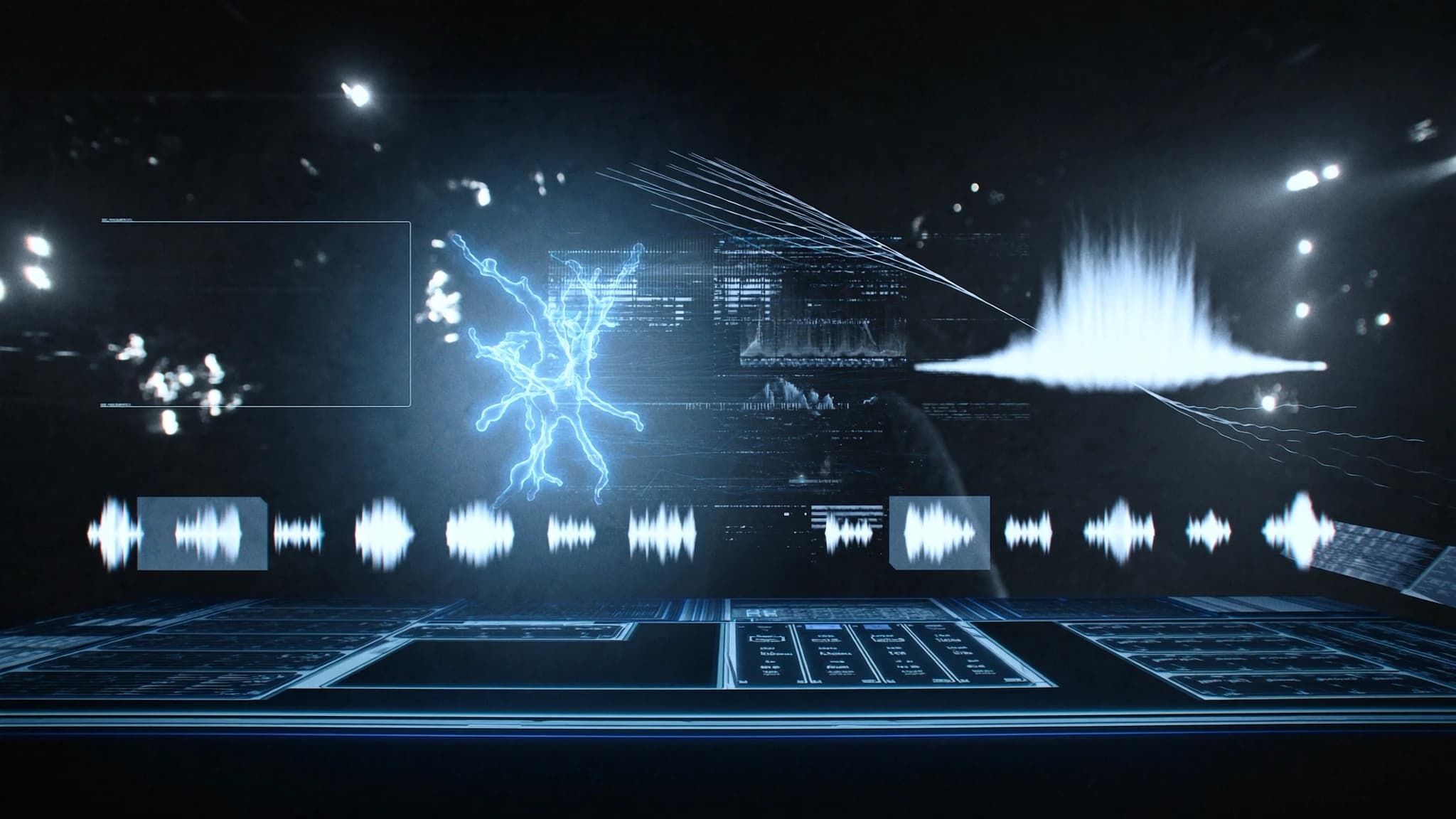
Bij SSOUNDS is kunstmatige intelligentie geen marketingbuzzword, maar een kerngereedschap voor engineering dat elke fase van het ontwerp, de afstemming en de deployment van luidsprekersystemen naar een hoger niveau tilt. Van AI-ondersteunde akoestische modellering die dekking met chirurgische precisie voorspelt tot machine-learning-geoptimaliseerde DSP-presets die zich aanpassen aan praktijkomstandigheden: SSOUNDS integreert intelligentie in de hardware en software waarop professionals vertrouwen. Deze gids legt uit hoe SSOUNDS AI toepast in zijn systemen, altijd in dienst van beter geluid, niet van gimmicks.
Belangrijkste punten
- SSOUNDS gebruikt AI-ondersteunde akoestische modellering om dekking voor elke zaalgeometrie te voorspellen en te optimaliseren.
- Machine learning stemt DSP-presets af en past zich aan praktijkomstandigheden en componenttoleranties aan.
- Voorspellende simulatie combineert AI met logistieke data om fouten op locatie te verminderen en deployment te versnellen.
- System Designer-software integreert AI-tools in een uniforme workflow en leert van eerdere projecten.
- AI bij SSOUNDS staat altijd in dienst van technische excellentie, niet van marketinghype.
- Praktijkdata van wereldwijde deployments verbetert de SSOUNDS AI-modellen voortdurend.
AI-ondersteunde akoestische modellering voor nauwkeurige dekking
Traditionele akoestische modellering leunt op handmatige berekening en empirische data, wat gaten in de dekking kan achterlaten of uitgebreide aanpassing op locatie kan vereisen. SSOUNDS gebruikt AI-ondersteunde akoestische modellering om te simuleren hoe geluidsgolven interageren met complexe zaalgeometrieën, waaronder balkons, kolommen en onregelmatige oppervlakken, nog voordat er ook maar één kast wordt gehangen.
De AI-engine analyseert binnen enkele seconden duizenden mogelijke array-configuraties en leert van historische deployment-data om optimale splay-hoeken, trimhoogtes en subwooferplaatsingen aan te bevelen. Dit vermindert giswerk en zorgt ervoor dat elke stoel consistent, verstaanbaar geluid ontvangt, of het nu gaat om een club met 500 plaatsen of een stadion met 50.000 zitplaatsen.
Door AI te integreren in de modelleringsfase kunnen SSOUNDS-engineers problemen zoals comb filtering, reflecties en dode zones voorspellen en beperken, en zo een systeem leveren dat vanaf de eerste noot presteert zoals ontworpen.
Machine-learning-afgestemde DSP en luidsprekerpresets
Digitale signaalverwerking is de ruggengraat van moderne luidsprekerprestaties, maar generieke DSP-presets houden vaak geen rekening met praktijkvariabelen zoals temperatuur, luchtvochtigheid en componenttoleranties. SSOUNDS zet machine learning in om zijn DSP-presets af te stemmen en traint modellen op duizenden akoestische metingen in uiteenlopende omgevingen.
De ML-algoritmen herkennen patronen in frequentierespons, fasecoherentie en driver-gedrag en genereren vervolgens automatisch presets die lineariteit en headroom optimaliseren voor elk specifiek kasttype. Dit betekent dat SSOUNDS line array- en point-source-luidsprekers een consistente tonale balans en fase-uitlijning leveren in verschillende zalen en omstandigheden.
Bovendien kan het systeem zich in realtime aanpassen: sensoren aan boord sturen data terug naar de DSP, waardoor het ML-model micro-aanpassingen kan doen aan crossover-punten, limiting en EQ. Zo blijft het systeem binnen veilige operationele grenzen terwijl output en helderheid maximaal blijven.
Voorspellende simulatie: van ontwerp tot deployment
Voordat een tour of installatie begint, voeren SSOUNDS-engineers voorspellende simulaties uit die AI-gestuurde akoestische modellen combineren met praktische logistiek, waaronder hijspunten, beschikbaar vermogen en publieksopstelling. De simulatie voorspelt SPL-verdeling, frequentierespons op elke luisterpositie en zelfs mogelijke feedbackpaden.
Deze voorspellende capaciteit stelt systeemontwerpers in staat om meerdere array-configuraties en subwooferplaatsingen virtueel te vergelijken, wat tijd bespaart en het risico op kostbare fouten op locatie verkleint. De AI signaleert ook mogelijke problemen, zoals overmatige laagfrequentieopbouw in gesloten ruimtes of onvoldoende dekking in verre zones.
Zodra het systeem is geïnstalleerd, kan de simulatie worden vergeleken met live-metingen via de software SSOUNDS System Designer, waardoor de lus tussen voorspelling en werkelijkheid wordt gesloten. Dit iteratieve proces verbetert de AI-modellen voortdurend, waardoor elke volgende deployment nauwkeuriger wordt.
System Designer-software: intelligente workflow-integratie
De AI-assistent van de software kan optimale systeemconfiguraties voorstellen op basis van gebruikersinvoer zoals zaalafmetingen, publiekscapaciteit en gewenste SPL. Hij leert van eerdere projecten, dus hoe vaker hij wordt gebruikt, hoe beter zijn aanbevelingen worden. Dit is vooral waardevol voor tour-engineers die systemen snel moeten herconfigureren in verschillende zalen.
System Designer integreert ook met de output van voorspellende simulaties, waardoor gebruikers dekkingskaarten kunnen visualiseren en parameters direct kunnen aanpassen. Het resultaat is een naadloze, intelligente pijplijn van ontwerp tot deployment die de opbouwtijd verkort en nacht na nacht consistente geluidskwaliteit garandeert.
Engineering, geen gimmick: waarom AI ertoe doet in professionele audio
In een branche waar hype vaak sneller gaat dan substantie, is SSOUNDS bewust bezig met waar en hoe AI wordt toegepast. Het doel is altijd om echte technische uitdagingen op te lossen: de nauwkeurigheid van dekking verbeteren, opbouwtijd verkorten, de levensduur van systemen verlengen en herhaalbaar geluid van hoge kwaliteit leveren.
AI wordt niet gebruikt om menselijke expertise te vervangen, maar om die te versterken. De systeemontwerper of engineer houdt de controle en gebruikt AI-gegenereerde inzichten om sneller geïnformeerde beslissingen te nemen. Deze aanpak zorgt ervoor dat SSOUNDS-systemen niet alleen technologisch geavanceerd zijn, maar ook praktisch en betrouwbaar in het veld.
Naarmate AI zich blijft ontwikkelen, blijft SSOUNDS zich inzetten om zijn modellen te verfijnen met praktijkdata van duizenden shows en installaties wereldwijd, waaronder in uitdagende omgevingen in Afrika, Europa en de Amerika's. Het resultaat is een slimmer, responsiever PA-systeem waarop professionals kunnen vertrouwen.
Veelgestelde vragen
Vervangt SSOUNDS AI de noodzaak van een menselijke systeemengineer?
Nee. SSOUNDS AI is ontworpen om de expertise van de engineer te versterken, niet om die te vervangen. De AI geeft aanbevelingen en simulaties, maar de engineer neemt de uiteindelijke beslissingen op basis van ervaring en de specifieke eisen van de locatie.
Hoe traint SSOUNDS zijn machine learning-modellen?
SSOUNDS traint zijn ML-modellen op duizenden akoestische metingen in uiteenlopende praktijkomgevingen, waaronder tours, festivals en vaste installaties. Deze data wordt gebruikt om DSP-presets en voorspellende algoritmen te optimaliseren.
Kan SSOUNDS AI zich tijdens een live-evenement aan veranderende omstandigheden aanpassen?
Ja. Sensoren aan boord voeden realtime data naar de DSP, waardoor het ML-model micro-aanpassingen kan doen aan crossover-punten, limiting en EQ om optimale prestaties te behouden en het systeem te beschermen.
Is de software SSOUNDS System Designer beschikbaar voor alle gebruikers?
Ja, System Designer wordt geleverd aan alle eigenaren van een SSOUNDS-systeem en is beschikbaar om te downloaden. Het bevat AI-ondersteunde tools voor systeemontwerp, simulatie en monitoring.
Hoe zorgt SSOUNDS ervoor dat zijn AI geen gimmick is?
SSOUNDS richt zijn AI-toepassingen op het oplossen van concrete technische problemen: nauwkeurigheid van dekking, DSP-optimalisatie en efficiëntie bij deployment. Elke AI-functie wordt gevalideerd tegen praktijkdata en is ontworpen om meetbare verbeteringen te leveren.
Een systeem bouwen of upgraden?
SSOUNDS ontwerpt en produceert professionele PA wereldwijd, van een enkele ruimte tot stadionformaat.