Wandluidsprekers vs plafondluidsprekers: welke moet u kiezen?
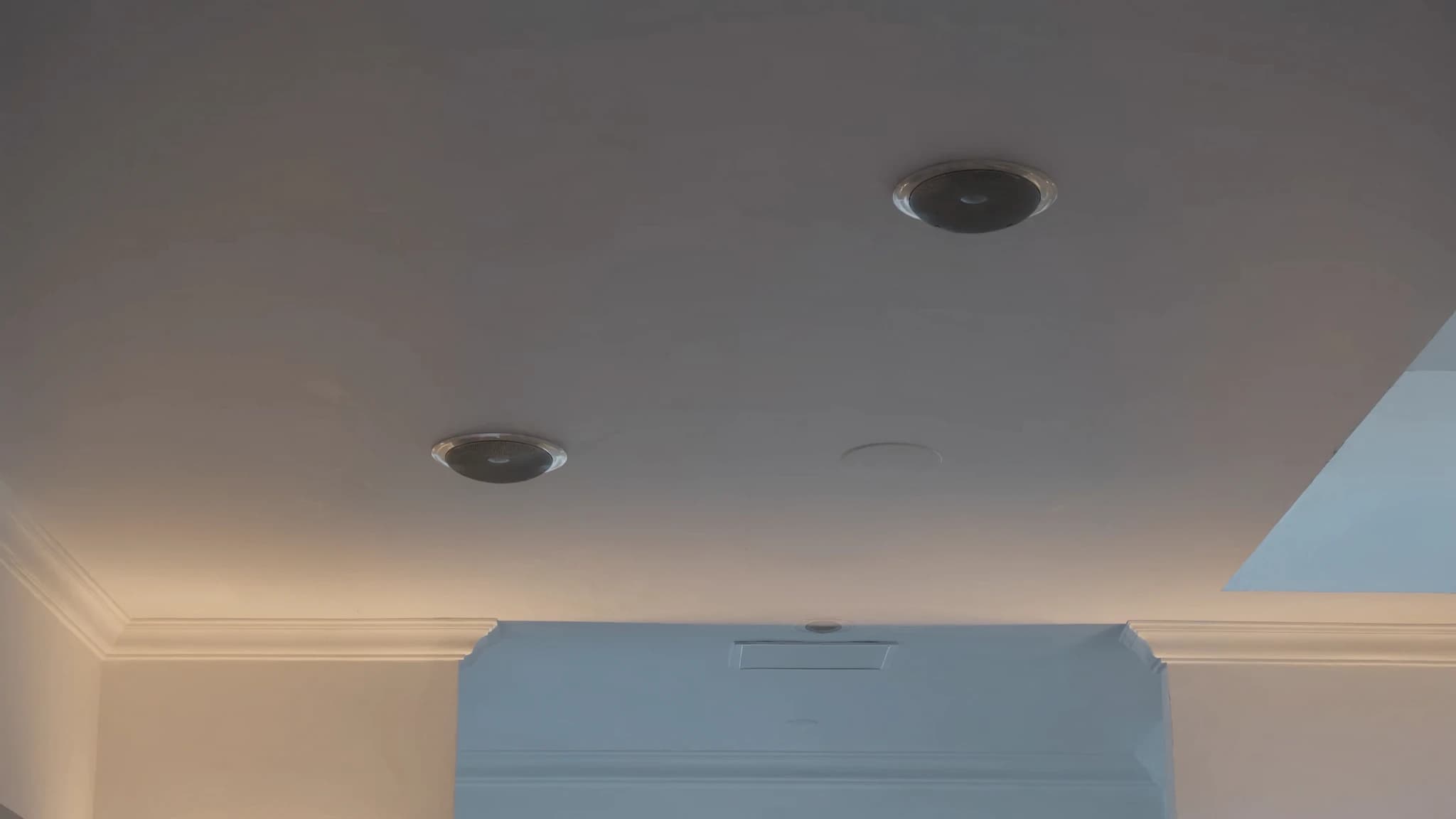
De keuze tussen wandgemonteerde en plafondgemonteerde luidsprekers kan uw luisterervaring drastisch beïnvloeden, of u nu een home cinema bouwt, een commercieel achtergrondmuzieksysteem of een multiroom-audiosetup. Wandluidsprekers blinken uit in stereobeeld en direct geluid, terwijl plafondluidsprekers gelijkmatige dekking en een discreet uiterlijk bieden. Deze gids behandelt de belangrijkste verschillen, directionaliteit, beeldvorming, dekking en installatie, om u te helpen beslissen wat het beste is voor uw ruimte.
Belangrijkste punten
- Wandluidsprekers bieden superieure stereobeeldvorming en direct geluid, ideaal voor home cinema en kritisch luisteren.
- Plafondluidsprekers bieden gelijkmatige, onopvallende dekking voor achtergrondmuziek en commerciële omroep.
- Directionaliteit: wandluidsprekers richten op oorhoogte; plafondluidsprekers stralen naar beneden, wat lokalisatie opoffert.
- Esthetiek: plafondluidsprekers zijn bijna onzichtbaar; wandluidsprekers zijn zichtbaarder, maar kunnen vlak worden gemonteerd.
- Installatie: plafondluidsprekers vereisen plafondtoegang; wandluidsprekers hebben wandholtes of opbouwmontage nodig.
- Voor de beste resultaten gebruikt u wandluidsprekers voor de voorste kanalen en plafondluidsprekers voor surrounds of Atmos in een hybride opstelling.
Directionaliteit en beeldvorming: het kernverschil
Wandluidsprekers, of ze nu inbouwd of opbouw zijn, zijn ontworpen om geluid naar voren te projecteren, richting de luisteraar. Deze directionele aard creëert een duidelijk stereobeeld en geluidsbeeld, waardoor ze ideaal zijn voor kritische luisteromgevingen zoals home theaters of speciale stereosetups. De tweeter en woofer zijn doorgaans op oorhoogte gericht, zodat hoge frequenties, die zeer directioneel zijn, de luisteraar direct bereiken, waardoor detail en lokalisatie behouden blijven.
Plafondluidsprekers daarentegen stralen geluid naar beneden en naar buiten uit, vaak met een breed dispersiepatroon. Hoewel dit zorgt voor gelijkmatige dekking over een groot gebied, gaat dit ten koste van precieze beeldvorming. Geluid van een plafondluidspreker bereikt de luisteraar van bovenaf, waardoor het moeilijker kan zijn om individuele instrumenten of dialoog te lokaliseren. Voor achtergrondmuziek of omroepen in commerciële ruimtes is dit acceptabel, zelfs wenselijk, maar voor meeslepende cinema of audiogefile luisterervaring zijn wandluidsprekers superieur.
Dekking en gelijkmatige vulling: waar plafondluidsprekers uitblinken
Plafondluidsprekers zijn ongeëvenaard in het leveren van consistente geluidsniveaus over een groot gebied zonder hotspots of dode zones. Dit maakt ze de eerste keuze voor open kantoren, winkels, restaurants en gangen waar uniforme achtergrondmuziek of omroep nodig is. Door plafondluidsprekers op de juiste afstand te plaatsen (doorgaans 8 tot 12 voet uit elkaar), kunt u een bijna naadloze dekking bereiken met minimale variatie in volume.
Wandluidsprekers daarentegen creëren een meer gerichte luisterzone. Ze werken het beste wanneer luisteraars in een afgebakend gebied zitten, zoals een bank of een rij stoelen, en op oorhoogte kunnen worden geplaatst. In grote, open ruimtes kunnen wandluidsprekers gebieden met slechte dekking achterlaten, tenzij u meerdere paren gebruikt, wat de ruimte visueel en akoestisch kan vervuilen.
Esthetiek en installatieoverwegingen
Plafondluidsprekers zijn vrijwel onzichtbaar na installatie, vooral met overschilderbare grilles die in het plafond opgaan. Dit maakt ze favoriet voor minimalistische interieurs of ruimtes waar u niet wilt dat luidsprekers concurreren met het decor. Installatie is relatief eenvoudig in nieuwbouw of verlaagde plafonds, maar het achteraf inbouwen in bestaande gipsplaat vereist het snijden van gaten en het doorvoeren van kabels door de plafondholte, een klus die het beste aan professionals kan worden overgelaten.
Wandluidsprekers, of ze nu inbouwd of opbouw zijn, zijn zichtbaarder. Inbouwmodellen kunnen vlak worden gemonteerd en geverfd om bij de wand te passen, maar ze nemen nog steeds wandruimte in beslag die anders kunst of planken zou kunnen bevatten. Opbouwluidsprekers steken uit en zijn opdringeriger. Wandplaatsing maakt echter betere stereoscheiding en beeldvorming mogelijk, en installatie is vaak eenvoudiger in ruimtes waar wandholtes toegankelijk zijn.
Home cinema vs achtergrondmuziek: de luidspreker afstemmen op het gebruik
In gemengd gebruikte ruimtes, zoals een woonkamer die ook als home theater dient, werkt een gecombineerde aanpak goed: wandluidsprekers voor de voorste kanalen en plafondluidsprekers voor surrounds of Atmos-hoogtekanalen. Dit balanceert esthetiek met prestaties.
Akoestische uitdagingen: kamerresonanties en reflecties
Wandluidsprekers gaan anders om met kamerbegrenzingen dan plafondluidsprekers. Het plaatsen van luidsprekers op de wand kan kamerresonanties (staande golven) bij bepaalde frequenties opwekken, wat kan leiden tot basdreun of nullen. Juiste plaatsing en kamerbehandeling kunnen dit beperken. Plafondluidsprekers, die verder van zijwanden verwijderd zijn, hebben vaak een vlakkere basrespons, maar kunnen last hebben van reflecties van de vloer of meubels.
Een andere factor is de oorpositie van de luisteraar. Wandluidsprekers op oorhoogte leveren direct geluid met minimale vloer- of plafondreflectie, waardoor helderheid behouden blijft. Plafondluidsprekers sturen geluid onder een hoek naar beneden, wat vroege reflecties van de vloer kan veroorzaken, waardoor het geluid vertroebelt als de ruimte harde oppervlakken heeft. Voor spraakverstaanbaarheid in omroepsystemen hebben plafondluidsprekers met gecontroleerde directionaliteit (zoals die met hoornbelaste tweeters) de voorkeur.
De keuze maken: een beslissingskader
Begin met het definiëren van uw primaire gebruik: kritisch luisteren (films, muziek) of omgevingsvulling (achtergrondmuziek, omroepen). Kies voor kritisch luisteren wandluidsprekers. Kies voor omgevingsvulling plafondluidsprekers.
Overweeg vervolgens uw ruimte-indeling. Als u een gedefinieerde zitplaats heeft en luidsprekers op oorhoogte kunt plaatsen, winnen wandluidsprekers. Als de ruimte onregelmatig gevormd is of meerdere luisterzones heeft, bieden plafondluidsprekers meer flexibiliteit.
Weeg ten slotte de esthetiek. Als u onzichtbare audio wilt, zijn plafondluidsprekers het antwoord. Als u zichtbare luidsprekers kunt tolereren voor beter geluid, leveren wandluidsprekers superieure prestaties. In veel gevallen geeft een hybride systeem u het beste van beide werelden.
Veelgestelde vragen
Kunnen plafondluidsprekers worden gebruikt voor stereomuziek?
Ja, maar het stereobeeld zal minder precies zijn dan bij wandluidsprekers. Sommige plafondluidsprekers hebben schuin geplaatste drivers om het beeld te verbeteren, maar ze kunnen nog steeds niet tippen aan het geluidsbeeld van correct op oorhoogte geplaatste wandluidsprekers.
Welk type is eenvoudiger te installeren in een bestaande ruimte?
Het hangt af van de toegang. Plafondluidsprekers vereisen dat u in het plafond snijdt en kabels door de zolder of de verdieping erboven voert. Wandluidsprekers hebben wandholtes nodig, wat eenvoudiger kan zijn als u toegankelijke stijlenbalken heeft. In beide gevallen wordt professionele installatie aanbevolen voor de beste resultaten.
Zijn inbouwspeakers beter dan opbouwluidsprekers?
Inbouwspeakers zijn discreter en kunnen worden geverfd om bij de wand te passen, maar ze vereisen dat u in gipsplaat snijdt. Opbouwluidsprekers zijn eenvoudiger te installeren en hebben vaak een betere basrespons dankzij de behuizing, maar ze steken uit in de ruimte.
Kan ik wand- en plafondluidsprekers in hetzelfde systeem combineren?
Absoluut. Veel home theatersystemen gebruiken wandluidsprekers voor de voorste linker-, midden- en rechterkanalen, en plafondluidsprekers voor surround- of hoogtekanalen. Dit combineert het beeld van wandluidsprekers met de discrete plaatsing van plafondluidsprekers.
Welke ruimtegrootte is het beste voor plafondluidsprekers?
Plafondluidsprekers werken goed in ruimtes van elke grootte, maar ze zijn vooral effectief in open ruimtes, lange gangen en ruimtes met lage plafonds waar wandplaatsing onpraktisch is. Voor grote ruimtes zijn meerdere plafondluidsprekers nodig voor gelijkmatige dekking.
Een systeem bouwen of upgraden?
SSOUNDS ontwerpt en produceert professionele PA wereldwijd, van een enkele ruimte tot stadionformaat.