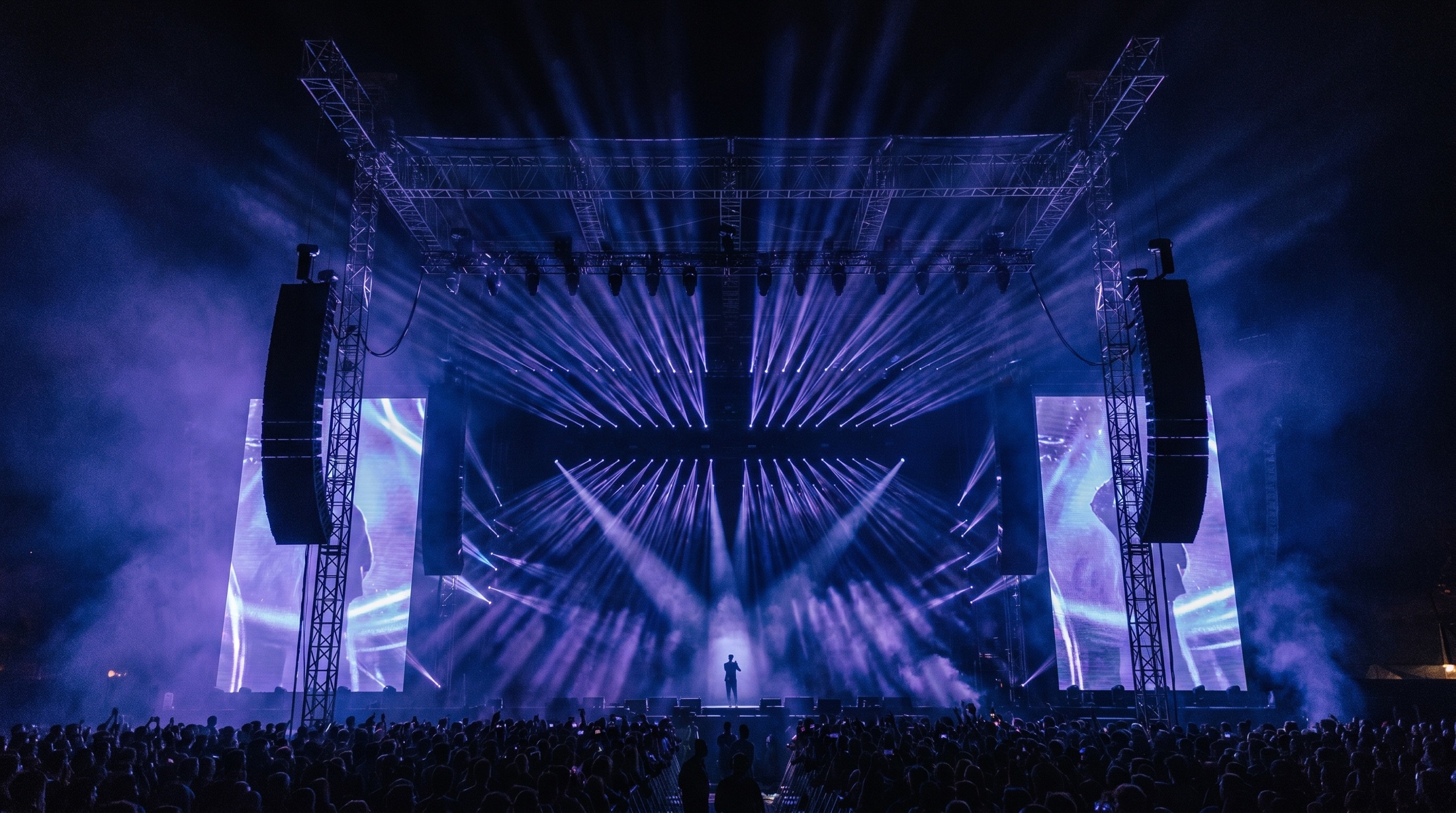
The live-sound and touring industry has staged a remarkable comeback. After two years of silence, the roar of line arrays is back in full force. The summer of 2022 has been defined by sold-out stadium runs, massive festival lineups, and a palpable hunger for shared experience. But the path back has not been smooth. The industry that emerged from the pandemic is leaner, more resilient, and fundamentally changed. As a manufacturer operating at the heart of this resurgence, we at SSOUNDS have witnessed both the challenges and the opportunities that define this new era.
The most visible shift has been the sheer volume of demand. As restrictions lifted, tours that had been postponed for two years suddenly all wanted to happen at once. The calendar became a logjam. Artists who had not performed since early 2020 were eager to reconnect with audiences, and fans were equally eager to return. This created a surge that strained every link in the supply chain. Production companies found themselves booking gear months in advance, often committing to multiple tours simultaneously. The scramble for inventory was intense.
But the bottleneck was not just equipment. The industry lost a significant portion of its workforce during the shutdown. Many skilled technicians, engineers, and riggers moved into other industries to pay bills. When live events returned, the pool of experienced crew was smaller. This talent shortage meant higher wages for those who remained, but also longer hours and increased pressure on every team. Tour managers had to be more creative with scheduling, and training new hires became a priority. The silver lining is that this has forced the industry to invest in the next generation, with more formal apprenticeship programs and a renewed focus on safety and mentorship.
Equipment lead times became the dominant topic of conversation. Global supply chain disruptions affected everything from raw materials to integrated circuits. Loudspeaker manufacturers, including SSOUNDS, faced extended timelines for components like neodymium magnets, DSP chips, and plywood. The days of ordering a full PA system and receiving it in eight weeks were gone. Lead times stretched to six months or more. This forced rental companies and touring productions to plan further ahead than ever before. It also accelerated a trend toward long-term partnerships between manufacturers and rental houses, as advance allocation of inventory became critical.
For SSOUNDS, this environment reinforced the value of vertical integration. Our in-house production facilities in Europe and Nigeria allow us to control the manufacturing process from design to final assembly. While we still depend on a global supply chain for raw materials, having our own factories means we can adapt more quickly to shortages, substitute components when necessary, and maintain quality standards without outsourcing. This has been a competitive advantage in 2022. We have been able to deliver systems to clients who might otherwise have faced indefinite delays from other brands.
The operational lessons of the pandemic have stuck. One of the most significant is the importance of flexibility. Tours are now designed with more modularity. Line arrays are configured to be scalable, allowing a single system to work in a club one night and a festival the next. This reduces the amount of gear that needs to be trucked and speeds up changeovers. At SSOUNDS, our rigging and DSP architectures have been refined to support this agility. System techs can reconfigure arrays quickly without sacrificing coverage or consistency.
Another lasting change is the adoption of digital tools for system design and remote support. During the shutdown, many engineers honed their skills with simulation software. Now, that expertise is being applied on the road. Predictive modeling is used to optimize coverage before a single box is flown. Remote tuning via networked DSP has become standard, allowing a system tech to adjust a PA from the mix position or even from a hotel room. This not only saves time but also reduces the need for multiple crew members on site during setup.
Health and safety protocols have also evolved. While the acute phase of the pandemic has passed, many touring companies have maintained improved hygiene practices, better ventilation planning, and more robust communication about illness. The industry has learned that a sick crew member can derail a show, so proactive measures are now part of the standard operating procedure. This is a positive development that will outlast COVID.
Financially, the recovery has been uneven. Large-scale festivals and arena tours have returned with strong ticket sales, but the mid-sized venue circuit is still rebuilding. Some clubs and theaters did not survive the closure. This has led to a consolidation of the rental market, with larger companies absorbing smaller ones. For manufacturers, this means that relationships with key national and international rental houses are more important than ever. SSOUNDS has focused on supporting these partners with reliable delivery, responsive service, and systems that offer a clear return on investment through durability and sonic performance.
Looking ahead, the industry is cautiously optimistic. The demand shows no signs of slowing through 2023, but the supply chain challenges are likely to persist. Manufacturers that can maintain production throughput and quality will be well positioned. At SSOUNDS, we are expanding our production capacity and investing in inventory of critical components. We believe that the live experience is irreplaceable, and we are committed to being a reliable partner for the touring professionals who make it happen.
The rebuild has been hard, but it has also been invigorating. The collective effort to bring live sound back has reminded everyone why we do this. The roar of a crowd, the clarity of a vocal through a well-tuned PA, the feeling of a bass note hitting your chest, these are not just technical achievements. They are moments of human connection. The industry that has emerged is more efficient, more resilient, and more appreciative of what we have. And we are proud to be part of it.