KI-gestütztes Crowd-Management und Sicherheit bei Veranstaltungen
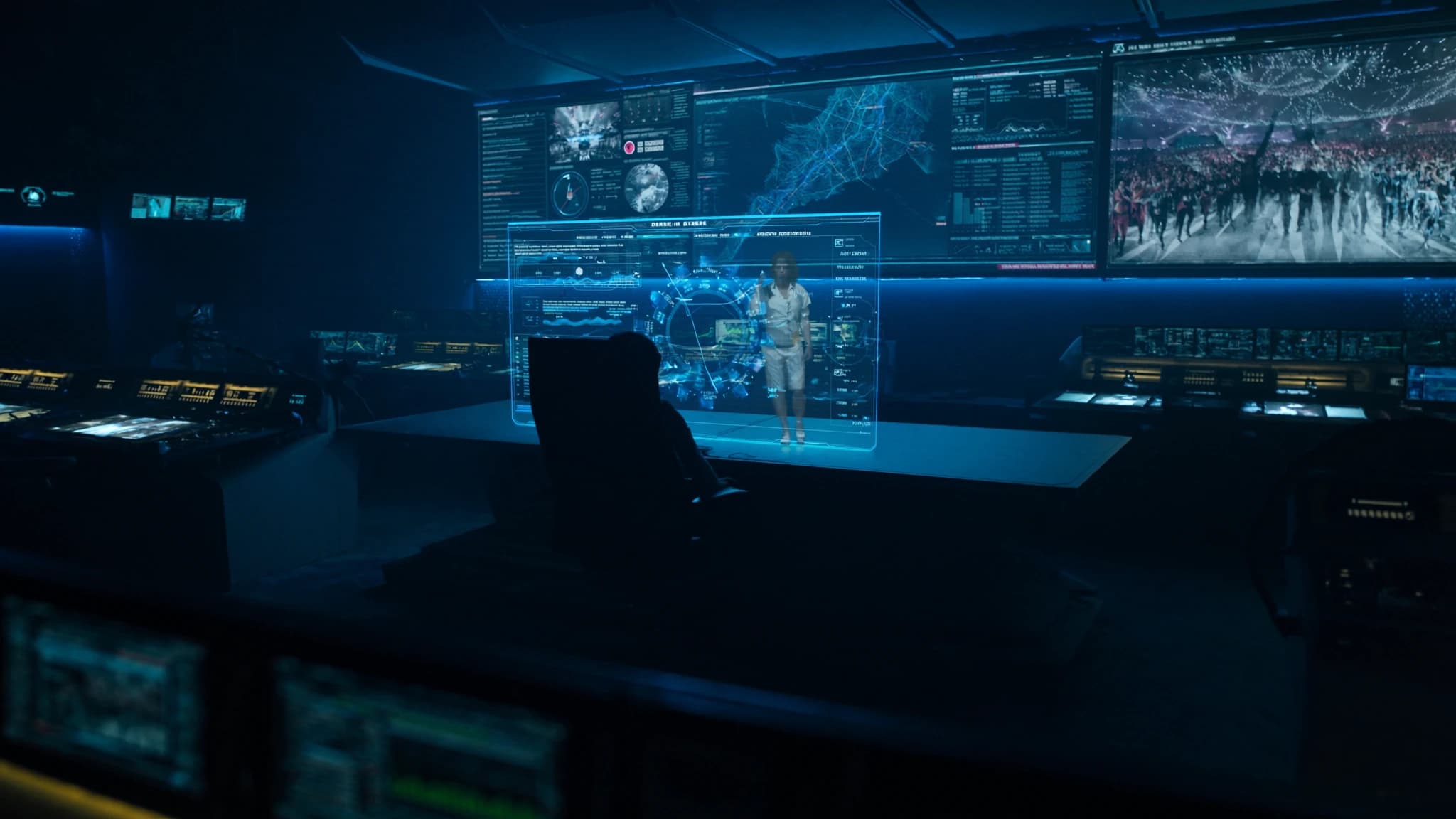
Da Veranstaltungen auf Zehntausende von Teilnehmern anwachsen, reichen traditionelle Methoden des Crowd-Managements, manuelles Zählen, statische Absperrungen und reaktive Reaktion, nicht mehr aus. KI-gestützte Crowd-Überwachung bietet jetzt Echtzeit-Dichteanalyse, Flussvorhersage und Vorfallerkennung, wodurch Sicherheitsteams proaktiv handeln können. Bei SSOUNDS integrieren wir diese intelligenten Systeme in unsere PA- und Line-Array-Installationen, um nicht nur erstklassigen Klang, sondern auch sicherere, reaktionsschnellere Veranstaltungsumgebungen zu gewährleisten.
Wichtigste Punkte
- KI-Crowd-Management bietet Echtzeit-Dichteanalyse, Flussvorhersage und Vorfallerkennung und ergänzt menschliche Sicherheitsteams.
- Die Integration mit PA-Systemen ermöglicht gezielte, rechtzeitige Sprachansagen, die die Reaktion verbessern und Panik reduzieren.
- KI-Systeme sind datenschutzbewusst und nutzen anonymisierte Daten und Edge-Verarbeitung, um die Identität der Teilnehmer zu schützen.
- Prädiktive Analytik wird proaktive Sicherheitsmaßnahmen ermöglichen, wie die Anpassung der Veranstaltungslogistik, bevor Menschenmengen gefährlich werden.
- SSOUNDS steht an der Spitze der Verschmelzung von KI-gesteuerter Sicherheit mit erstklassiger Audioabdeckung, um sowohl Klangqualität als auch Sicherheit zu gewährleisten.
Die Herausforderung moderner Crowd-Sicherheit
Großveranstaltungen zeigen dynamische Menschenmengenverhalten, die sich in Sekunden ändern können. Ein Engpass an einem Eingang, ein Ansturm auf eine Bühne oder ein plötzlicher Evakuierungsbedarf, diese Szenarien erfordern sofortige Aufmerksamkeit. Traditionelle Methoden stützen sich auf menschliche Beobachtung und Funkkommunikation, die durch Sichtlinie, Ermüdung und Reaktionszeit begrenzt sind. Selbst mit mehreren Sicherheitskräften können blinde Flecken und verzögerte Meldungen zu gefährlichen Situationen führen.
KI-Crowd-Management adressiert diese Lücken durch kontinuierliche, objektive Datenströme. Kameras, Sensoren und sogar Wi-Fi-Triangulation speisen maschinelle Lernmodelle, die Personendichte, Bewegungsmuster und Anomalien analysieren. Das Ergebnis ist ein Echtzeit-Digitalzwilling des Veranstaltungsortes, der Sicherheitsteams einen Überblick über potenzielle Risiken gibt, bevor sie eskalieren.
Wie KI Personendichte und -fluss überwacht
KI-Systeme nutzen Computer Vision, um Videostreams von vorhandenen Überwachungskameras zu verarbeiten. Algorithmen erkennen und zählen Personen, messen Abstände und klassifizieren Dichtestufen (z. B. niedrig, mittel, hoch, kritisch). Diese Daten werden auf einer Veranstaltungskarte überlagert und heben Zonen hervor, die vordefinierte Schwellenwerte überschreiten. Flussvorhersagemodelle analysieren historische und Echtzeit-Bewegungen, um vorherzusagen, wohin sich Menschenmengen als Nächstes bewegen, zum Beispiel eine Welle in Richtung Ausgänge nach Ende eines Konzerts.
Diese Vorhersagen werden alle paar Sekunden aktualisiert, sodass Betreiber Absperrungen anpassen, Fußgängerverkehr umleiten oder zusätzliche Ausgänge proaktiv öffnen können. Bei SSOUNDS haben wir mit Veranstaltern zusammengearbeitet, um KI-Crowd-Daten mit der Zonierung unseres PA-Systems zu synchronisieren, wodurch gezielte Sprachansagen an bestimmte Bereiche ermöglicht werden, beispielsweise um Teilnehmer ruhig von einem überfüllten Gang wegzuleiten, ohne den gesamten Veranstaltungsort zu alarmieren.
Vorfallerkennung: Jenseits einfacher Zählung
Fortschrittliche KI-Modelle können mehr als nur Dichte erkennen. Sie erkennen Verhaltensweisen wie Rennen, Kämpfen, Herumlungern in gesperrten Bereichen oder eine Person, die fällt und nicht wieder aufsteht. Diese werden als Vorfälle markiert, wobei das System automatisch auf den relevanten Kamera-Feed zoomt und Sicherheitspersonal alarmiert. Einige Systeme können sogar Waffen oder zurückgelassene Gegenstände durch Objekterkennung erkennen.
Wichtig ist, dass KI menschliches Urteilsvermögen nicht ersetzt, sondern erweitert. Das System reduziert die kognitive Belastung der Betreiber, indem es Fehlalarme herausfiltert und echte Bedrohungen priorisiert. Zum Beispiel könnte ein plötzlicher Ansturm eine Welle der Begeisterung während einer Aufführung sein, nicht Panik. KI kann Audio-Pegel vom PA-System (über SSOUNDS DSP) mit der Menschenmengebewegung korrelieren, um zwischen einem geplanten Moshpit und einem gefährlichen Gedränge zu unterscheiden.
Integration mit PA- und Notfallsystemen
Die wahre Stärke von KI-Crowd-Management entfaltet sich, wenn es mit Audio- und Notfallsystemen integriert wird. Wenn ein Vorfall erkannt wird, kann die KI automatisch vorab aufgezeichnete oder Live-Sprachansagen über bestimmte PA-Zonen auslösen, wodurch die Reaktionszeit von Minuten auf Sekunden reduziert wird. Wenn beispielsweise ein Feueralarm im Backstage-Bereich ausgelöst wird, kann das System die nächstgelegene Menschenmenge anweisen, sich zu entfernen, während andere Zonen ruhig bleiben.
SSOUNDS Line Arrays und Point-Source-Lautsprecher sind mit präzisen Abdeckungsmustern konzipiert, die sicherstellen, dass Notfallnachrichten auch in lauten Umgebungen verständlich sind. Unser DSP ermöglicht Echtzeit-Pegelanpassungen basierend auf Umgebungsgeräuschen, die KI ebenfalls messen kann, sodass Ansagen immer klar sind. Diese geschlossene Integration zwischen KI-Überwachung und PA-Steuerung ist eine neue Grenze in der Veranstaltungssicherheit.
Datenschutz und ethische Überlegungen
KI-Crowd-Überwachung wirft berechtigte Datenschutzbedenken auf. Moderne Systeme sind jedoch datenschutzfreundlich konzipiert: Sie analysieren anonymisierte Silhouetten oder Heatmaps, anstatt Personen zu identifizieren. Daten werden typischerweise vor Ort verarbeitet (Edge Computing) und nicht in die Cloud gesendet, wodurch die Exposition reduziert wird. Veranstalter müssen transparent über die Nutzung von KI sein, Schilder aufstellen und lokale Datenschutzgesetze einhalten.
Das Ziel ist nicht Überwachung, sondern Sicherheit. Durch die Konzentration auf Menschenmengenverhalten statt persönliche Identität kann KI Teilnehmer schützen, ohne ihre Rechte zu verletzen. SSOUNDS befürwortet den ethischen Einsatz solcher Technologien und stellt sicher, dass Sicherheitsverbesserungen nicht auf Kosten des Vertrauens gehen.
Die Zukunft: Prädiktive und autonome Sicherheit
Da KI-Modelle immer ausgefeilter werden, werden sie von reaktiver zu prädiktiver Sicherheit übergehen. Durch die Analyse vergangener Veranstaltungen, Wetterdaten, Ticketverkäufe und Social-Media-Stimmung könnte KI das Verhalten von Menschenmengen Stunden im Voraus vorhersagen. Zum Beispiel könnte sie empfehlen, die Bühnenaufstellung anzupassen, um gleichzeitige Ausgänge nach zwei beliebten Acts zu vermeiden, oder vorschlagen, zusätzliche Absperrungen in Bereichen einzusetzen, die wahrscheinlich überfüllt werden.
Autonome Systeme wie Drohnen, die Menschenmengen von oben überwachen, oder robotische Absperrungen, die sich selbst neu konfigurieren, stehen am Horizont. Doch vorerst ist der effektivste Ansatz eine Mensch-KI-Partnerschaft. SSOUNDS erforscht weiterhin, wie unsere Audiosysteme sowohl als Sensor (durch akustische Analyse) als auch als Effektor (durch gezielte Ansagen) in diesem Ökosystem fungieren können, um Veranstaltungen für alle sicherer und angenehmer zu machen.
Häufige Fragen
Ersetzt KI-Crowd-Management Sicherheitspersonal?
Nein. KI erweitert menschliche Teams, indem sie Echtzeitdaten und Warnmeldungen liefert, sodass sich das Sicherheitspersonal auf Entscheidungsfindung und Intervention konzentrieren kann. Sie reduziert Arbeitslast und Reaktionszeit, kann aber menschliches Urteilsvermögen und Empathie nicht ersetzen.
Welche Art von Kameras oder Sensoren wird benötigt?
Die meisten KI-Systeme arbeiten mit vorhandenen Überwachungskameras (CCTV). Einige nutzen auch Wärmebildkameras, LiDAR oder Wi-Fi-/Bluetooth-Tracking. Die Software verarbeitet den Videostream, sodass normalerweise keine spezielle Hardware erforderlich ist.
Wie genau ist KI bei der Erkennung von Vorfällen?
Die Genauigkeit hängt vom Modell und den Trainingsdaten ab. Spitzensysteme erreichen über 90 % Genauigkeit bei häufigen Ereignissen wie Stürzen oder Gedränge, bei niedrigen Fehlalarmraten. Kontinuierliches Lernen verbessert die Leistung im Laufe der Zeit.
Kann KI bei schwachem Licht oder im Außenbereich funktionieren?
Ja, mit geeigneten Kameras (z. B. Infrarot- oder Wärmebildkameras). Viele Systeme sind für Open-Air-Festivals konzipiert und können unterschiedliche Lichtverhältnisse, Wetterbedingungen und Personendichten bewältigen.
Wie integriert sich SSOUNDS in KI-Crowd-Management?
SSOUNDS PA-Systeme können über Netzwerkprotokolle (z. B. Dante, AES67) Trigger von KI-Plattformen empfangen, um automatisch vorab aufgezeichnete Nachrichten abzuspielen oder Pegel in bestimmten Zonen anzupassen. Unser DSP ermöglicht eine nahtlose Integration für sowohl Live- als auch automatisierte Steuerung.
System aufbauen oder aufrüsten?
SSOUNDS entwickelt und fertigt professionelle PA weltweit, vom einzelnen Raum bis zur Stadiongröße.