KI in der Eventplanung und Logistik
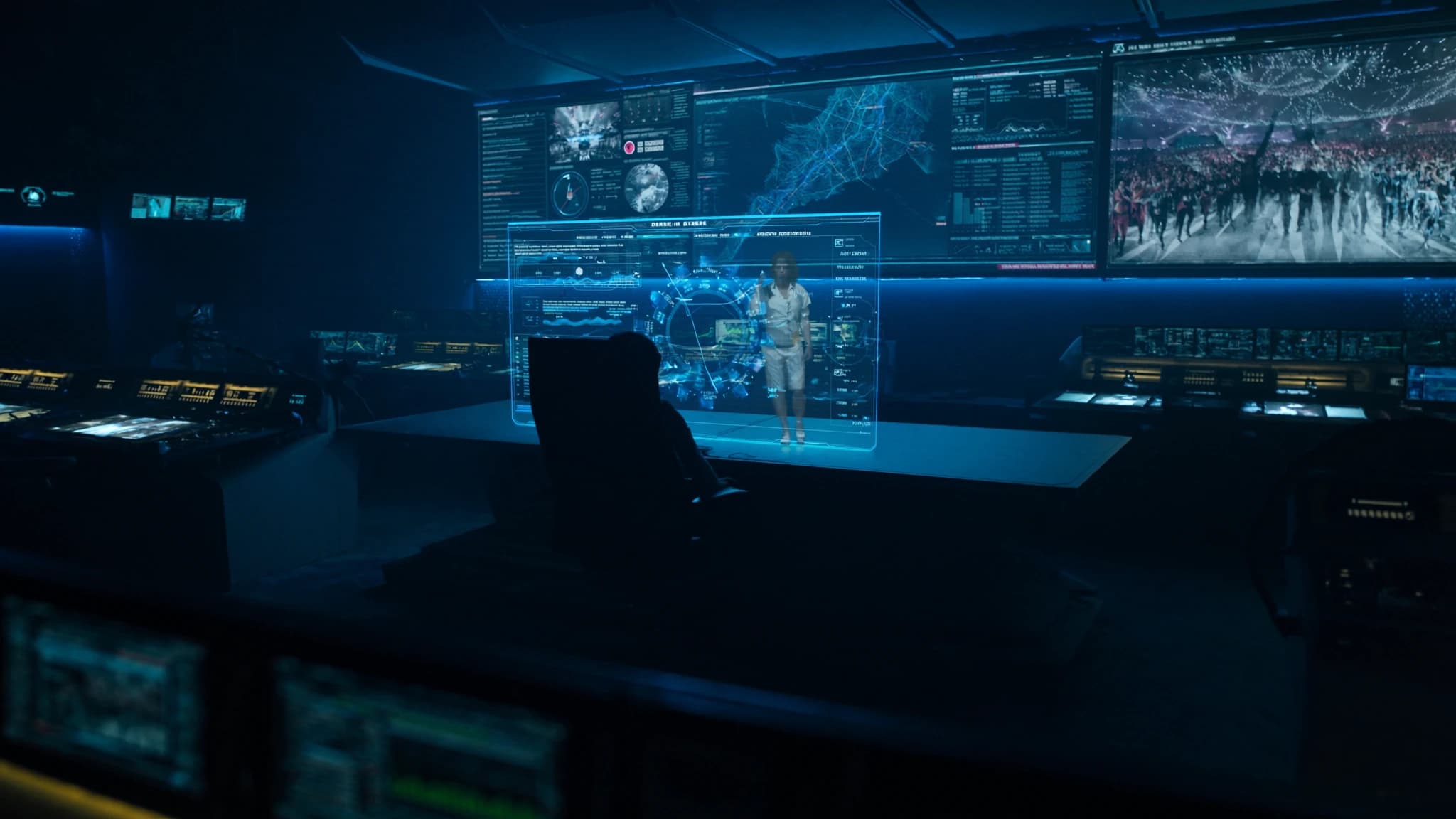
Eventplanung und Logistik waren schon immer ein hochriskantes Puzzle aus Terminplanung, Routenführung, Bestandsverwaltung und Ressourcenzuweisung. Künstliche Intelligenz verändert diese Abläufe nun und ermöglicht Produktionsteams den Wechsel von reaktivem Feuerlöschen zu proaktivem, datengesteuertem Entscheiden. Für professionelle Audio- und Bühnenunternehmen bedeutet KI-gesteuerte Logistik weniger Verzögerungen, optimierte Auslastung der Ausrüstung und zuverlässigere Shows, von eintägigen Festivals bis zu mehrtägigen Touren durch mehrere Städte.
Wichtigste Punkte
- KI optimiert die Crew-Planung durch Abgleich von Verfügbarkeit, Qualifikationen und Arbeitsregeln, wodurch Überstunden und Konflikte reduziert werden.
- Algorithmen zur Routenoptimierung senken Transitzeit und Kraftstoffkosten und berücksichtigen Echtzeitstörungen.
- Prädiktive Bestandsmodelle verhindern Fehlbestände und Überbestände und verbessern Auslastung und Cashflow.
- Nachfrageprognosen ermöglichen proaktive Preisgestaltung, Personalplanung und Beschaffung für saisonale und eventbedingte Spitzen.
- IoT- und KI-Anomalieerkennung schützen wertvolle Audiogeräte während Transport und Lagerung.
- Integrierte KI-Plattformen schaffen End-to-End-Transparenz in der Logistik, von der Buchung bis zur Post-Event-Analyse.
Terminplanung und Crew-Management
KI-gestützte Planungstools analysieren historische Daten, Verfügbarkeit der Crew, Qualifikationen und Reisezeiten, um optimierte Schichtpläne zu erstellen. Statt manuell mit Tabellen zu jonglieren, können Produktionsleiter Einschränkungen wie Gewerkschaftsregeln, Ruhezeiten und Zertifizierungsanforderungen eingeben und den Algorithmus konfliktfreie Zeitpläne vorschlagen lassen. Das senkt Überstundenkosten und stellt sicher, dass der richtige Techniker zur richtigen Zeit am richtigen Veranstaltungsort ist.
Modelle des maschinellen Lernens können auch Spitzenbelastungsphasen auf Basis vergangener Eventmuster vorhersagen, was proaktive Einstellungen oder Cross-Training ermöglicht. Wenn ein Veranstaltungsort beispielsweise beim Load-in konsequent zusätzliche Rigger benötigt, meldet das System dies Wochen im Voraus. SSOUNDS integriert solche Intelligenz in seine Deployment-Workflows und hilft Verleihpartnern und Tour-Crews, schlanke, effiziente Teams zu erhalten, ohne Qualität einzubüßen.
Routen- und Transportoptimierung
Für Touren mit mehreren Terminen oder gleichzeitige Events ist die Routenplanung ein komplexes Optimierungsproblem. KI-Algorithmen berücksichtigen Entfernung, Verkehrsmuster, Kraftstoffkosten, Lenkzeiten und sogar Wettervorhersagen, um die effizientesten Routen vorzuschlagen. Das minimiert die Transitzeit und reduziert den Verschleiß von LKW und Ausrüstung, was für hochwertige Lautsprechersysteme entscheidend ist, die pünktlich und in einwandfreiem Zustand ankommen müssen.
Echtzeit-Umleitung ist eine weitere KI-Fähigkeit: Wenn eine Autobahnsperrung oder ein Unfall auftritt, berechnet das System sofort neu, um Verzögerungen zu vermeiden. Einige Plattformen integrieren GPS und Telematik, um Veranstaltungskoordinatoren live ETA-Updates zu liefern. Für SSOUNDS-Kunden, die mehrere Show-Standorte verwalten, sorgt diese Automatisierung dafür, dass Line Arrays, Subwoofer und Verstärker synchron ankommen, was kostspielige Leerlaufzeiten eliminiert.
Bestands- und Ressourcenplanung
Eine genaue Bestandsprognose ist das Rückgrat jedes Verleih- oder Produktionsunternehmens. KI-Modelle analysieren Buchungshistorie, saisonale Trends und Eventgröße, um die Nachfrage nach bestimmten Ausrüstungen vorherzusagen, von geflogenen PA-Systemen bis zu Bühnenmonitoren und Verkabelung. Das verhindert sowohl Überbestände (die Kapital binden) als auch Unterbestände (kurzfristige Anmietungen oder Absagen).
Über die Menge hinaus kann KI die optimale Bestandszuweisung über Lagerhäuser oder Depots empfehlen. Wenn beispielsweise ein Festival in Lagos 24 Subwoofer benötigt, während eine Firmenveranstaltung in London 12 braucht, schlägt das System die kosteneffizienteste Umlagerung oder den Kauf vor. Die Logistikpartner von SSOUNDS nutzen ähnliche prädiktive Modelle, um sicherzustellen, dass ihr Bestand an Premium-Lautsprechern dort positioniert ist, wo die Nachfrage am höchsten ist, was Cross-Ship-Kosten und Lieferzeiten reduziert.
Nachfrageprognose für Eventdienstleistungen
KI ist hervorragend darin, Muster in historischen Daten, Wetter, Wochentag, lokalen Events und Wirtschaftsindikatoren zu erkennen, um die Nachfrage nach Produktionsdienstleistungen vorherzusagen. Ein Verleihunternehmen kann diese Erkenntnisse nutzen, um Preise, Personal und Ausrüstungskäufe Monate im Voraus anzupassen. Wenn das Modell beispielsweise einen Anstieg von Open-Air-Festivals im Q3 vorhersagt, kann das Unternehmen zusätzliche wetterfeste PA-Systeme vorbestellen und bessere Konditionen aushandeln.
Diese Prognose erstreckt sich auf Verbrauchsmaterialien wie Kabel, Batterien und Rigging-Hardware. Durch die Antizipation von Spitzen vermeiden Logistikteams kurzfristige Beschaffungsfahrten, die die Kosten in die Höhe treiben. SSOUNDS wendet ähnliche datengesteuerte Ansätze auf die eigene Lieferkette an und stellt sicher, dass Ersatzteile und Austauschtreiber verfügbar sind, wenn und wo sie benötigt werden, ein entscheidender Vorteil für zeitkritische Produktionen.
Echtzeitüberwachung und Anomalieerkennung
IoT-Sensoren an LKW, Cases und Ausrüstung können Daten an KI-Plattformen streamen, die auf Anomalien wie Temperaturspitzen in Verstärkerracks, übermäßige Vibrationen während des Transports oder unbefugtes Öffnen von Türen überwachen. Das System alarmiert Logistikmanager, bevor Schäden entstehen, und ermöglicht vorbeugende Maßnahmen. Dies ist besonders wertvoll für High-End-Audiogeräte, bei denen selbst geringe Erschütterungen die Ausrichtung oder Treiberleistung beeinträchtigen können.
KI überwacht auch die Einhaltung von Sicherheitsprotokollen, wie das ordnungsgemäße Stapeln von Flightcases oder die Gewichtsverteilung in LKW. Durch die Analyse von Sensordaten kann das System riskante Praktiken melden und Korrekturen vorschlagen. Für SSOUNDS, dessen Line Arrays auf Präzision ausgelegt sind, stellt eine solche Überwachung sicher, dass jede Komponente einsatzbereit ankommt und die akustische Integrität bewahrt bleibt, die Kunden erwarten.
Integration mit Event-Management-Plattformen
Die leistungsstärksten KI-Logistiklösungen integrieren sich direkt in bestehende Event-Management-Software, Ticketing-Systeme und CRM-Tools. Dadurch entsteht eine einzige Quelle der Wahrheit, in der Planungs-, Bestands- und Routendaten nahtlos fließen. Wenn beispielsweise eine neue Buchung bestätigt wird, prüft die KI automatisch die Verfügbarkeit der Ausrüstung, reserviert das notwendige Equipment und aktualisiert den Crew-Plan, alles ohne manuelles Eingreifen.
Eine solche Integration ermöglicht auch Post-Event-Analysen. Durch den Vergleich von geplanter und tatsächlicher Logistik können Teams Engpässe identifizieren und zukünftige Abläufe verfeinern. SSOUNDS ermutigt seine Partner, diese integrierten Workflows zu übernehmen, da sie mit der Philosophie der Marke übereinstimmen, nicht nur Hardware, sondern ein komplettes, zuverlässiges Produktionsökosystem zu liefern.
Häufige Fragen
Wie geht KI mit kurzfristigen Änderungen in der Eventlogistik um?
KI-Systeme können Zeitpläne, Routen und Bestandszuweisungen in Echtzeit neu berechnen. Wenn beispielsweise ein Veranstaltungsortwechsel stattfindet, aktualisiert der Algorithmus sofort die Crew-Zuweisungen und die LKW-Routenplanung, um Störungen zu minimieren, oft innerhalb von Sekunden.
Ist KI-Logistik nur für große Touren und Festivals?
Nein. Auch kleine Verleihfirmen profitieren von der Fähigkeit der KI, tägliche Lieferungen zu optimieren, begrenzte Bestände zu verwalten und die Nachfrage vorherzusagen. Es gibt skalierbare Lösungen für Betriebe jeder Größe.
Welche Daten benötigt KI, um die Logistikplanung zu verbessern?
Historische Daten zu vergangenen Events (Termine, Orte, verwendete Ausrüstung), Verfügbarkeit und Qualifikationen der Crew, Verkehrsmuster und Lieferzeiten der Zulieferer. Je mehr qualitativ hochwertige Daten, desto genauer die Prognosen.
Kann KI helfen, Ausrüstungsschäden während des Transports zu reduzieren?
Ja. KI-gestützte IoT-Sensoren überwachen Erschütterungen, Temperatur und Luftfeuchtigkeit. Wenn Schwellenwerte überschritten werden, ermöglichen Warnmeldungen sofortiges Eingreifen und verringern das Risiko von Schäden an empfindlicher Ausrüstung wie Line-Array-Treibern.
Wie unterstützt SSOUNDS KI-gesteuerte Logistik für seine Kunden?
SSOUNDS bietet Integrationsberatung und arbeitet mit Partnern zusammen, die KI-Plattformen zur Verwaltung von Beständen und Einsatz nutzen. Unser Engineering-Team entwickelt außerdem Ausrüstung mit Blick auf die Logistik und sorgt für robuste Verpackung und Kompatibilität mit Tracking-Systemen.
System aufbauen oder aufrüsten?
SSOUNDS entwickelt und fertigt professionelle PA weltweit, vom einzelnen Raum bis zur Stadiongröße.