Kann KI die Eventproduktion übernehmen?
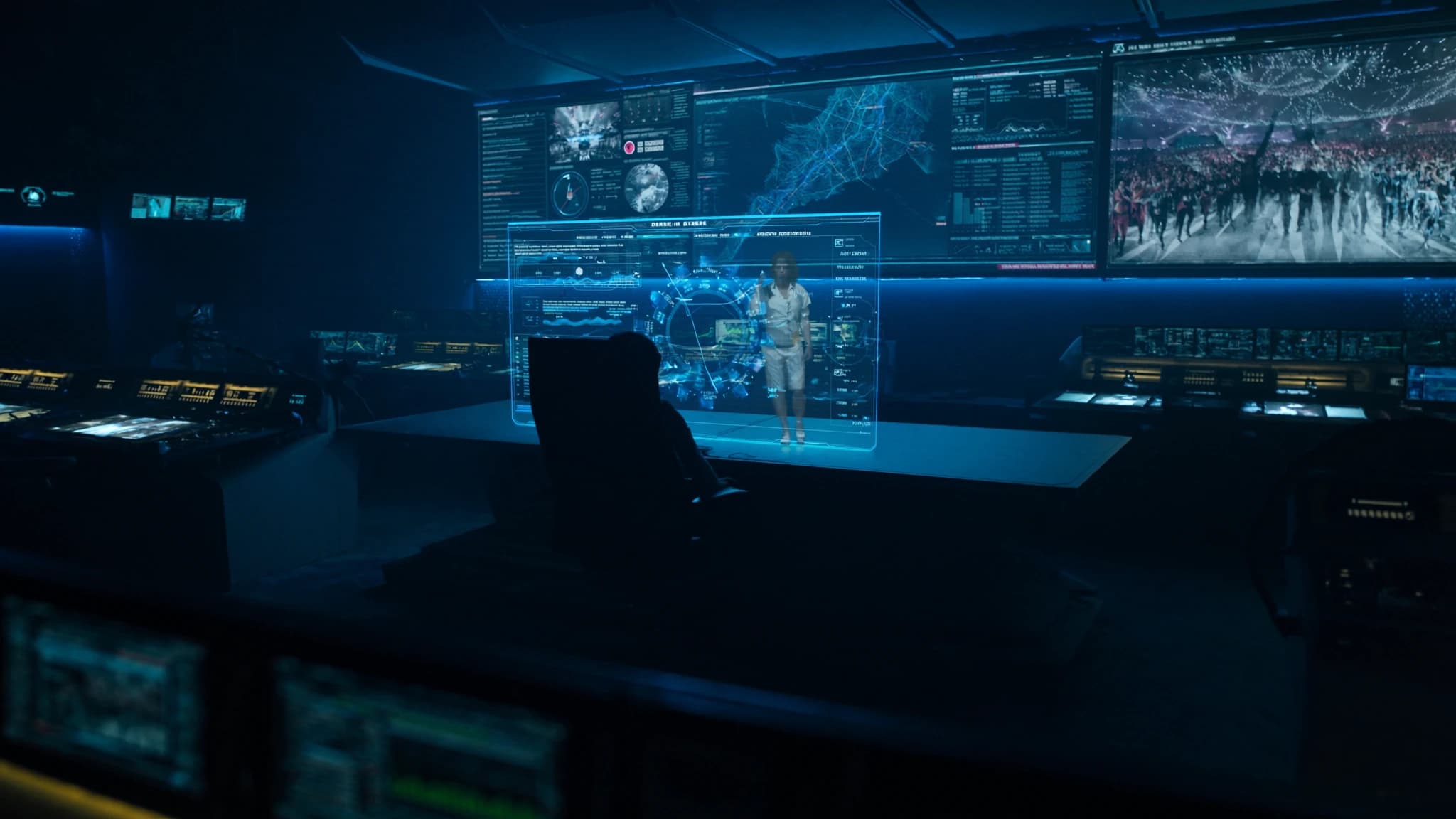
Künstliche Intelligenz verändert die Eventproduktion rasant, von automatisierter Terminplanung bis hin zur Echtzeit-Klangoptimierung. Aber kann sie wirklich die menschliche Expertise ersetzen, die ein Live-Erlebnis ausmacht? Im Jahr 2026 ist KI bei datengetriebenen Aufgaben hervorragend, scheitert jedoch noch an kreativer Vision, spontaner Problemlösung und emotionaler Verbindung. Hier verläuft die Grenze.
Wichtigste Punkte
- KI ist hervorragend bei datenintensiven Aufgaben wie Planung, Vorhersage und Echtzeit-Überwachung und reduziert manuelle Arbeitslast.
- Kreative Richtung, spontane Problemlösung und emotionale Verbindung bleiben unersetzlich menschlich.
- Im Jahr 2026 ist KI ein kollaboratives Werkzeug, das Effizienz steigert, aber nicht die Notwendigkeit qualifizierter Fachkräfte ersetzt.
- Audiosysteme wie SSOUNDS integrieren KI für Selbstabstimmung und Abdeckungsvorhersage, aber die endgültige Abstimmung beruht auf menschlicher Expertise.
- Event-Profis sollten ihre Fähigkeiten in KI-Tools ausbauen und gleichzeitig Kreativität und zwischenmenschliche Fähigkeiten stärken.
- Die Zukunft der Eventproduktion ist eine Partnerschaft zwischen KI und menschlichem Urteilsvermögen, keine Übernahme.
Was KI gut automatisiert: Planung und Vorhersage
KI-gesteuerte Tools übernehmen heute einen Großteil der Schwerarbeit in der Event-Logistik. Algorithmen des maschinellen Lernens analysieren historische Daten, um Besucherzahlen vorherzusagen, Sitzpläne zu optimieren und Crew-Schichten mit minimalen Konflikten zu planen. Im Audiobereich kann KI die Raumakustik modellieren und Abdeckungsmuster vorhersagen, wodurch Techniker PA-Systeme wie SSOUNDS Line Arrays vorab konfigurieren können, um konsistenten Klang zu gewährleisten, bevor auch nur ein Kabel verlegt wird.
Budgetprognosen und Risikobewertung sind ebenfalls Stärken der KI. Durch die Analyse vergangener Ausgabenberichte und Echtzeit-Marktdaten kann KI potenzielle Kostenüberschreitungen oder Lieferkettenverzögerungen melden. Dies ermöglicht es Produktionsteams, sich auf kreative Entscheidungen zu konzentrieren, anstatt unter Tabellenkalkulationsmüdigkeit zu leiden.
Echtzeit-Überwachung und adaptive Steuerung
Während eines Events ist KI hervorragend darin, den Systemzustand und die Umgebungsbedingungen zu überwachen. Intelligente Sensoren können Temperatur, Luftfeuchtigkeit und Stromaufnahme verfolgen und Techniker vor potenziellen Ausfällen warnen, bevor sie auftreten. Im Audiobereich kann KI-gestütztes DSP automatisch EQ und Delay anpassen, um sich ändernde Publikumsdichte oder Temperaturschwankungen auszugleichen und die Klarheit ohne menschliches Eingreifen aufrechtzuerhalten.
SSOUNDS-Techniker haben maschinelles Lernen in Lautsprecher-Presets integriert, sodass sich Systeme anhand von Echtzeit-Feedback selbst abstimmen können. Dies reduziert die Arbeitslast für FOH-Techniker, insbesondere bei langen Festivals oder Multi-Act-Shows, bei denen sich die Bedingungen schnell ändern.
Inhaltsgenerierung und Personalisierung
KI kann Echtzeit-Visuals, auf Musik synchronisierte Lichtcues und sogar personalisierte Audio-Feeds für Besucher über mobile Apps generieren. Bei hybriden Events können KI-gesteuerte Kameras Sprecher automatisch verfolgen, während Sprachübersetzung und Untertitelung heute nahezu sofort erfolgen. Diese Tools verbessern Barrierefreiheit und Engagement, ohne dass für jede Aufgabe ein dedizierter Operator erforderlich ist.
Die kreative Richtung liegt jedoch weiterhin bei Menschen. KI-generierte Inhalte entbehren oft der emotionalen Nuance und des bewussten Storytellings, die ein erfahrener Designer einbringt. Das Bauchgefühl eines Lichtdesigners, einen Cue in einem ergreifenden Moment zu verschieben, kann nicht von einem auf Durchschnittswerten trainierten Algorithmus repliziert werden.
Wo menschliches Urteilsvermögen unersetzlich ist
Keine KI kann die Fähigkeit eines erfahrenen Produktionsmanagers erreichen, einen Raum zu lesen, eine kurzfristige Künstleranfrage zu vermitteln oder zu entscheiden, ein Set wegen Wetter zu verschieben. Entscheidungen vor Ort erfordern Empathie, Intuition und ethisches Denken, Eigenschaften, die einzigartig menschlich bleiben. Wenn beispielsweise der Monitor-Mix eines Künstlers nicht stimmt, lösen das schnelle Gehör eines Technikers und sein Rapport mit dem Künstler das Problem schneller als jede KI.
Kreative Vision, die Wahl der richtigen Lichtfarbe für eine Stimmung, die Auswahl eines Subwoofer-Arrays für ein bestimmtes Genre oder die Gestaltung eines Bühnenlayouts, das sich intim anfühlt, werden von Erfahrung und Kunstfertigkeit getrieben. KI kann Optionen auf Basis von Daten vorschlagen, aber die endgültige Entscheidung ist menschlich.
Die Landschaft 2026: Zusammenarbeit, nicht Ersatz
Im Jahr 2026 nutzen die erfolgreichsten Eventproduktionen KI als leistungsstarken Assistenten, nicht als Ersatz. KI übernimmt repetitive, datenintensive Aufgaben und befreit Menschen, sich auf Kreativität, Sicherheit und Verbindung zu konzentrieren. Beispielsweise nutzen SSOUNDS-Techniker KI, um die Abdeckung vor einer Show zu simulieren, aber das System wird während des Soundchecks nach Gehör abgestimmt, um dem einzigartigen Charakter des Raums gerecht zu werden.
Die Grenze ist klar: KI automatisiert das Vorhersehbare; Menschen besitzen das Unvorhersehbare. Während KI besser wird, wird sie mehr Überwachung und Optimierung übernehmen, aber der Kern der Eventproduktion, live geteilte Erfahrungen, wird immer menschliche Präsenz und Leidenschaft erfordern.
Vorbereitung auf eine KI-gestützte Zukunft
Event-Profis sollten KI-Tools nutzen, um ihren Workflow zu verbessern. Das Erlernen der Interpretation KI-generierter Daten, der Programmierung von Automatisierung und der Zusammenarbeit mit intelligenten Systemen werden Schlüsselqualifikationen sein. Ebenso wichtig ist es, menschliche Stärken zu vertiefen: Kreativität, Kommunikation und Anpassungsfähigkeit. Die besten Teams werden diejenigen sein, die KI-Effizienz mit menschlicher Kunstfertigkeit verbinden.
Für Hersteller wie SSOUNDS liegt der Fokus auf dem Aufbau von Systemen, die Techniker befähigen, nicht ersetzen. KI-gesteuerte Lautsprecher und Verstärker sind darauf ausgelegt, die Einrichtungszeit zu verkürzen und die Konsistenz zu verbessern, aber sie verlassen sich für den letzten Schliff weiterhin auf menschliche Ohren.
Häufige Fragen
Kann KI ein Live-Event vollständig ohne menschliche Aufsicht betreiben?
Nicht im Jahr 2026. KI kann viele Aufgaben automatisieren, aber Live-Events erfordern Echtzeit-Entscheidungen von Menschen für Sicherheit, Kreativität und unerwartete Änderungen. Vollständige Autonomie ist in absehbarer Zukunft unwahrscheinlich.
Wie verbessert KI die Klangqualität bei Events?
KI kann Raumakustik und Publikumsgeräusche analysieren, um EQ, Delay und Lautstärke automatisch anzupassen. Systeme wie SSOUNDS nutzen maschinelles Lernen, um die Abdeckung zu optimieren und Rückkopplungen zu reduzieren, aber die endgültigen Anpassungen nehmen weiterhin Techniker vor.
Wird KI Toningenieure ersetzen?
Nein. KI wird ihre Rolle verändern. Techniker werden sich stärker auf kreatives Mischen konzentrieren und weniger auf repetitive Aufgaben. KI übernimmt Monitoring und Presets, aber das künstlerische Gehör bleibt menschlich.
Welche Risiken birgt eine zu starke Abhängigkeit von KI in der Eventproduktion?
Übermäßige Abhängigkeit kann zu mangelnder Flexibilität führen, wenn KI auf neuartige Situationen stößt. Technische Ausfälle oder Datenfehler können sich ohne menschliches Eingreifen kaskadierend auswirken. Ein ausgewogener Ansatz ist unerlässlich.
Wie können sich Event-Profis auf die KI-Integration vorbereiten?
Lernen Sie, KI-Tools für Terminplanung, Audiooptimierung und Datenanalyse zu nutzen. Bleiben Sie über Branchentrends auf dem Laufenden und entwickeln Sie weiterhin Soft Skills wie Kommunikation und Kreativität, die KI nicht replizieren kann.
System aufbauen oder aufrüsten?
SSOUNDS entwickelt und fertigt professionelle PA weltweit, vom einzelnen Raum bis zur Stadiongröße.