KI-gestützte Einsatzplanung und Crew-Management für Shows
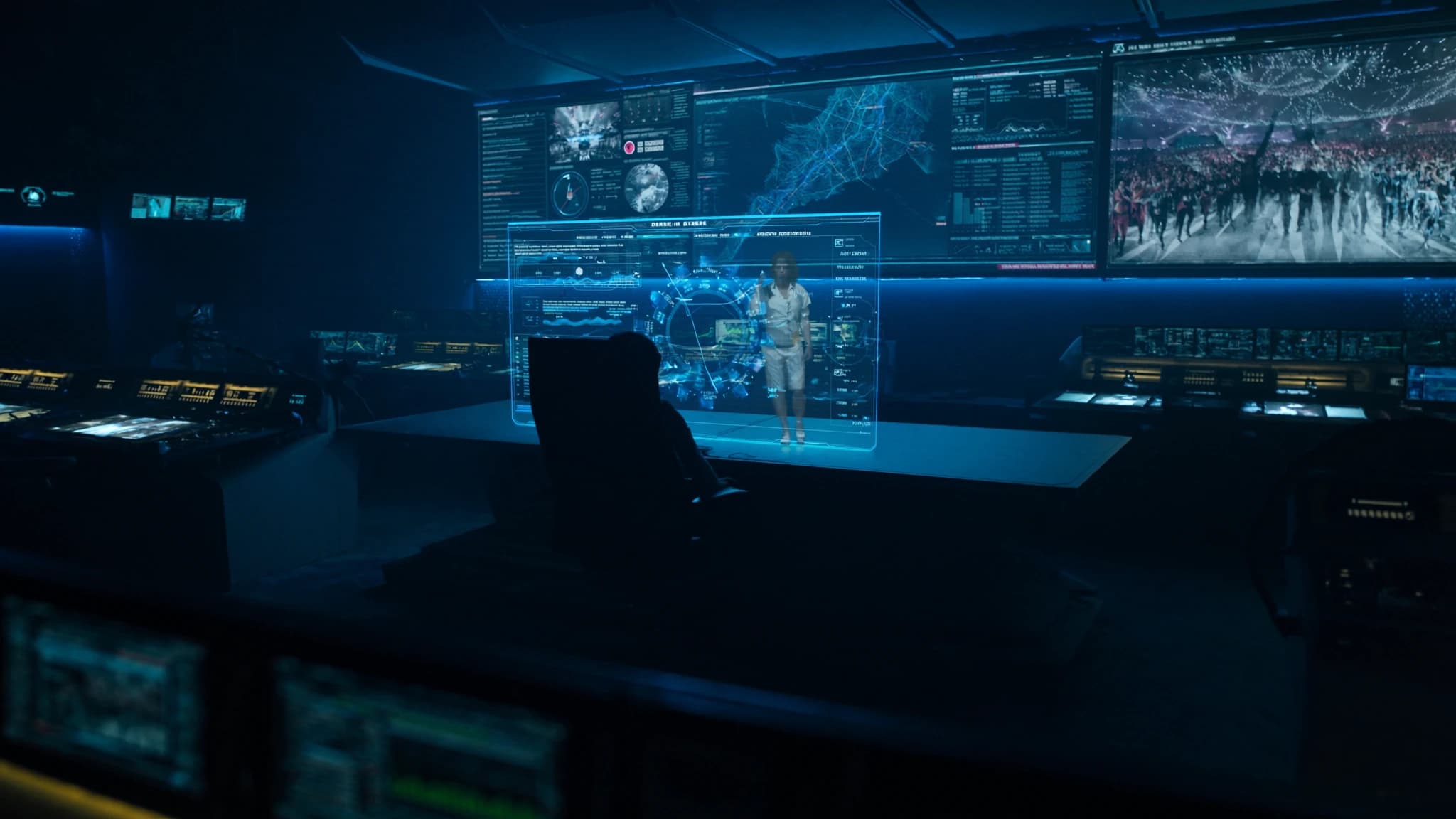
Die Verwaltung von Crew-Einsatzplänen für Live-Events ist ein logistisches Puzzle: Qualifikationsanforderungen, Schichtgrenzen und Budgetvorgaben müssen ausgeglichen werden, während Ermüdung und Unterbesetzung vermieden werden sollen. KI-gestützte Einsatzplanungs- und Crew-Management-Systeme lösen dies nun in Echtzeit und optimieren Dienstpläne, Call-Zeiten und Skill-Matching mit einer Präzision, die manuelle Planung nicht erreichen kann. SSOUNDS integriert KI-gesteuerte Tools in seinen Workflow, um Produktionsteams zu helfen, schlankere, sicherere und kosteneffizientere Shows zu realisieren.
Wichtigste Punkte
- KI-Einsatzplanung optimiert Crew-Dienstpläne durch Abwägung von Qualifikationen, Verfügbarkeit, Kosten und Ruheanforderungen und reduziert manuellen Aufwand und Fehler.
- Skill-Matching stellt sicher, dass die richtige Person jeder Aufgabe zugewiesen wird, was Qualität und Sicherheit verbessert und gleichzeitig die Belegschaft weiterbildet.
- Ermüdungsreduktion ist ein zentraler Vorteil: KI erzwingt Ruhezeiten und markiert Burnout-Risiken, was die Unfallrate senkt.
- Kosteneinsparungen von 10–15 % bei den Arbeitskosten sind typisch durch reduzierte Überbesetzung, Überstunden und Verwaltungsaufwand.
- Die Integration mit bestehenden Tools (Lohnbuchhaltung, HR, Kalender) ist über APIs unkompliziert, und Pilotprogramme helfen, den ROI vor dem vollständigen Rollout zu validieren.
- KI-Crew-Management wird zu einem Standardwerkzeug für professionelle Tour- und Festivalproduktion, neben fortschrittlichen PA-Systemen wie SSOUNDS.
Die Komplexität der Crew-Einsatzplanung bei Live-Events
Live-Events umfassen Dutzende bis Hunderte von Crew-Mitgliedern in verschiedenen Abteilungen: Audio, Licht, Video, Rigging, Stagehands und mehr. Jede Rolle erfordert spezifische Qualifikationen, Zertifizierungen und Erfahrungsstufen. Call-Zeiten variieren je nach Load-in, Proben, Show und Strike und erstrecken sich oft über mehrere Tage mit unregelmäßigen Arbeitszeiten. Manuelle Planung führt zu Ineffizienzen: Überbesetzung treibt die Kosten, Unterbesetzung gefährdet Sicherheit und Qualität, und schlechte Schichtplanung verursacht Ermüdung, die ein Hauptfaktor für Unfälle ist.
Traditionelle Planung stützt sich auf Tabellenkalkulationen und Erfahrungswissen, die nicht alle Variablen gleichzeitig optimieren können. KI-Einsatzplanungs-Engines hingegen verarbeiten Tausende von Einschränkungen, Skill-Matrizen, Verfügbarkeiten, Überstundenregeln, Ruhezeiten und individuellen Präferenzen, um in Minuten optimale Dienstpläne zu erstellen.
Wie KI Crew-Dienstpläne und Call-Zeiten optimiert
KI-Einsatzplanungs-Engines verwenden Constraint-Satisfaction-Algorithmen und maschinelles Lernen, um Crew-Mitglieder Schichten zuzuweisen. Das System erfasst Daten: die Qualifikationen jedes Crew-Mitglieds (z. B. FOH-Engineer, RF-Techniker, Rigger), Zertifizierungen (z. B. OSHA, Hubarbeitsbühne), Verfügbarkeit, bevorzugte Arbeitszeiten und frühere Leistungsbewertungen. Anschließend generiert es einen Dienstplan, der die gesamten Arbeitskosten minimiert und gleichzeitig sicherstellt, dass jede erforderliche Rolle mit einer qualifizierten Person besetzt ist.
Call-Zeiten werden optimiert, um Leerlaufzeiten zu reduzieren. Statt beispielsweise die gesamte Audio-Crew um 6 Uhr morgens für einen Soundcheck um 12 Uhr zu rufen, staffelt die KI die Ankünfte: Rigging- und PA-Crew kommen zuerst, dann System-Engineers, dann Monitor-Engineers näher am Showbeginn. Dies reduziert bezahlte Bereitschaftsstunden und hält die Crew frisch. Das System erzwingt außerdem obligatorische Ruhepausen zwischen Schichten und über aufeinanderfolgende Tage hinweg, was direkt gegen Ermüdung wirkt.
Skill-Matching: Die richtige Person für jede Aufgabe
Eine der stärksten Fähigkeiten der KI ist das Skill-Matching. In einer typischen Produktion erfordert eine Aufgabe wie „Line Array einmessen“ einen zertifizierten System-Engineer, während „Kabel ziehen“ möglicherweise nur einen allgemeinen Stagehand benötigt. Die KI gleicht die Qualifikationsanforderungen jeder Aufgabe mit der Crew-Datenbank ab und weist automatisch die am besten qualifizierte verfügbare Person zu. Sie kann auch das Erfahrungsniveau berücksichtigen und Junior-Crew mit erfahrenen Mentoren für komplexe Aufgaben zusammenbringen.
Bei mehrtägigen Festivals kann die KI Crew-Mitglieder über Rollen rotieren lassen, um Monotonie zu vermeiden und Mitarbeiter weiterzubilden. Sie verfolgt, wer bereits eine bestimmte Rolle ausgeübt hat, und kann Neuzuweisungen vorschlagen, um im Laufe der Zeit ein vielseitigeres Team aufzubauen. Dies reduziert die Abhängigkeit von spezialisierten Freelancern und senkt die gesamten Einstellungskosten.
Ermüdung reduzieren und Sicherheit verbessern
Ermüdung ist ein kritisches Sicherheitsrisiko bei Live-Events, wo schweres Heben, Höhenarbeit und laute Umgebungen Wachsamkeit erfordern. KI-Einsatzplanung erzwingt maximale aufeinanderfolgende Arbeitsstunden, Mindestruhezeiten und Begrenzungen von Nachtschichten. Sie kann Muster erkennen, die auf Burnout hindeuten, z. B. ein Crew-Mitglied, das für fünf 14-Stunden-Tage in Folge eingeplant ist, und automatisch Anpassungen vorschlagen.
Einige Systeme integrieren sich mit Wearables oder Zeiterfassungs-Apps, um tatsächlich geleistete Stunden mit den geplanten zu vergleichen. Überschreitet ein Crew-Mitglied sichere Grenzen, kann die KI einen Alarm auslösen und Aufgaben neu zuweisen. Dieser proaktive Ansatz reduziert Unfallrisiken und hilft Produktionsfirmen, Arbeitsvorschriften einzuhalten, die je nach Region variieren (z. B. EU-Arbeitszeitrichtlinie, US-OSHA-Richtlinien).
Kosteneinsparungen durch Optimierung
KI-Einsatzplanung senkt die Arbeitskosten direkt, indem Überbesetzung eliminiert und Überstunden minimiert werden. Ein typisches Festival könnte 10–15 % bei den Crew-Löhnen einsparen, indem Schichtmuster optimiert und Leerlaufzeiten reduziert werden. Bei einer Tour mit 50 Crew-Mitgliedern über 60 Termine bedeutet das Zehntausende von Dollar Einsparungen pro Tour.
Darüber hinaus reduziert KI den Verwaltungsaufwand. Statt dass ein Produktionsmanager Stunden mit der Einsatzplanung verbringt, generiert das System einen Dienstplanentwurf, der in Minuten überprüft und angepasst werden kann. Echtzeit-Updates, etwa eine Krankmeldung eines Crew-Mitglieds, werden sofort bearbeitet: Die KI findet eine Ersatzkraft mit den richtigen Qualifikationen und Verfügbarkeit und benachrichtigt automatisch sowohl den Manager als auch die Ersatzkraft.
Implementierung und Integration in Produktions-Workflows
Die Einführung von KI-Crew-Management erfordert die Integration mit bestehenden Tools: Lohnsysteme, HR-Datenbanken und Projektmanagement-Plattformen. Die meisten KI-Einsatzplanungslösungen bieten APIs, die mit gängiger Software wie Google Calendar, Slack oder spezialisierten Event-Management-Plattformen synchronisieren. Datenschutz ist ein Thema: Crew-Mitglieder müssen der Erfassung ihrer Qualifikationen und Verfügbarkeit zustimmen, aber klare Richtlinien und Opt-in-Mechanismen adressieren dies.
Für Produktionsfirmen umfasst die Ersteinrichtung die Digitalisierung von Crew-Profilen und die Definition aller Rollen und Qualifikationsanforderungen. Einmal eingerichtet, lernt das System aus historischen Daten und verbessert seine Empfehlungen im Laufe der Zeit. SSOUNDS empfiehlt, mit einem Pilotprojekt auf einer einzelnen Tour oder einem Festival zu beginnen und dann nach Validierung des ROI auf den vollständigen Einsatz zu skalieren.
Häufige Fragen
Wie geht KI mit kurzfristigen Planänderungen um, etwa wenn sich ein Crew-Mitglied krankmeldet?
KI-Systeme suchen automatisch nach einer Ersatzkraft mit passenden Qualifikationen und Verfügbarkeit, benachrichtigen den Manager und aktualisieren den Dienstplan in Echtzeit. Wird kein Ersatz gefunden, kann das System vorschlagen, Aufgaben neu zuzuweisen oder Call-Zeiten anzupassen, um die Lücke zu schließen.
Funktioniert KI-Einsatzplanung auch für kleine Crews (z. B. 10 Personen) oder nur für große Festivals?
KI-Einsatzplanung skaliert von kleinen Crews bis zu Tausenden. Bei kleinen Teams optimiert sie weiterhin Call-Zeiten und Skill-Matching und reduziert den manuellen Koordinationsaufwand. Der ROI mag geringer sein, aber die eingesparte Planungszeit ist nach wie vor wertvoll.
Welche Daten benötigt die KI, um mit der Einsatzplanung zu beginnen?
Zu den Basisdaten gehören Namen der Crew-Mitglieder, Qualifikationen/Zertifizierungen, Verfügbarkeit (Tage/Zeiten) und Vergütungssätze. Optionale Daten umfassen frühere Leistungsbewertungen, bevorzugte Rollen und Schichtpräferenzen. Je mehr Daten, desto besser die Optimierung.
Wie geht KI mit Gewerkschaftsregeln oder lokalen Arbeitsgesetzen um?
KI-Einsatzplanungssysteme lassen sich mit benutzerdefinierten Regeln konfigurieren, einschließlich tarifvertraglicher Anforderungen (z. B. Mindestschichtlängen, Pausenzeiten, Überstundenzuschläge) und lokaler Arbeitsgesetze. Das System erzwingt diese Vorgaben automatisch.
Ist KI-Crew-Management teuer in der Implementierung?
Die Kosten variieren je nach Anbieter und Umfang, aber viele bieten Abonnementmodelle basierend auf Crew-Größe oder Events an. Die Einsparungen durch reduzierte Arbeits- und Verwaltungskosten amortisieren das System in der Regel innerhalb weniger Shows. SSOUNDS kann Partner für die Integration empfehlen.
System aufbauen oder aufrüsten?
SSOUNDS entwickelt und fertigt professionelle PA weltweit, vom einzelnen Raum bis zur Stadiongröße.