KI für Publikumsanalysen und Ticketing
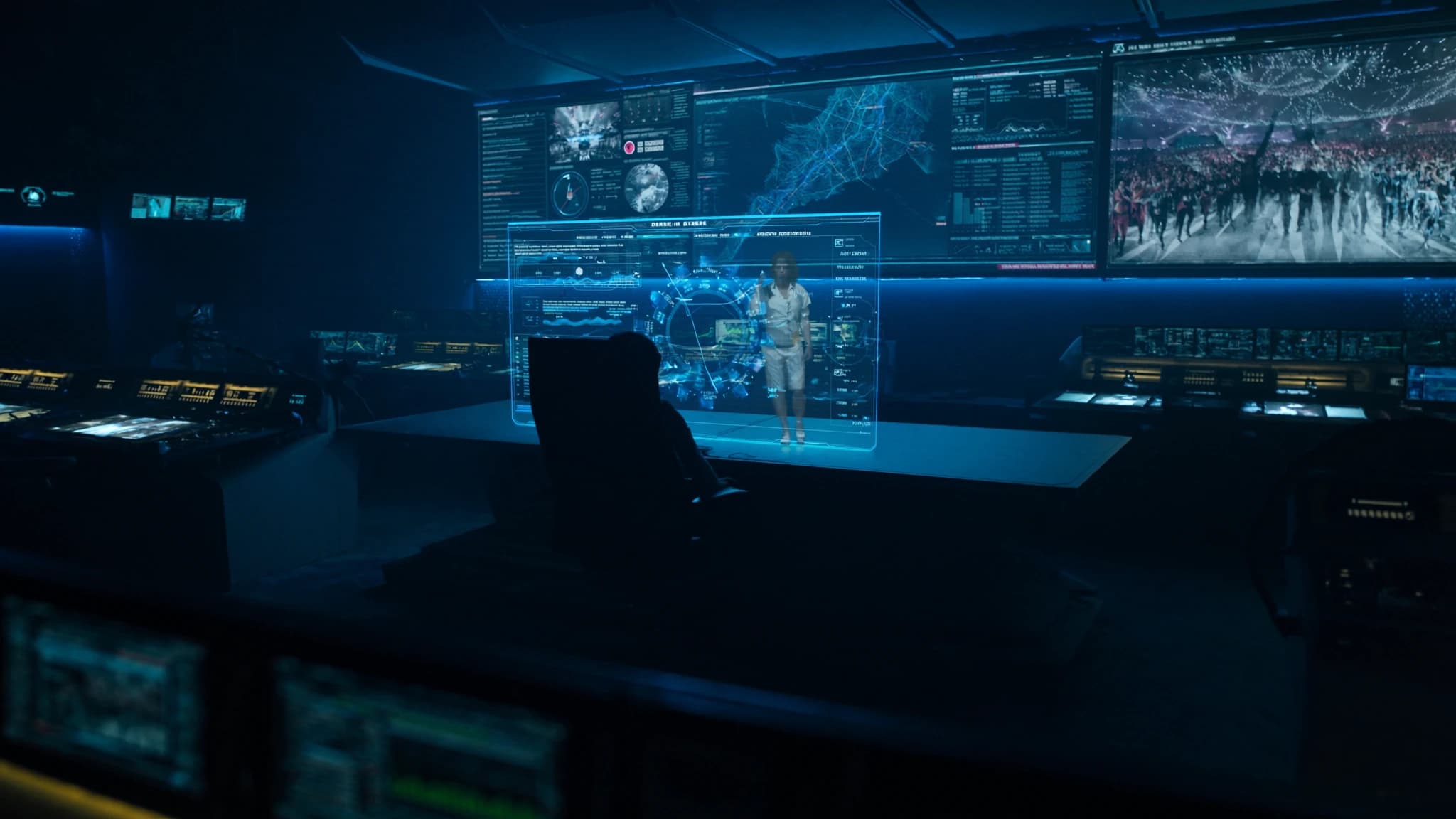
Moderne Eventproduktion dreht sich nicht nur um großartigen Sound, sondern auch darum zu verstehen, wer im Raum ist und was er will. KI-gestützte Publikumsanalysen und Ticketing-Systeme ermöglichen es Veranstaltern heute, die Nachfrage vorherzusagen, die Preisgestaltung zu optimieren und Erlebnisse zu personalisieren, und das alles unter Wahrung der Datenprivatsphäre. SSOUNDS untersucht, wie verantwortungsvolle KI das Geschäft mit Live-Events neu gestaltet.
Wichtigste Punkte
- KI-Publikumsanalysen nutzen anonymisierte Daten, um die Nachfrage vorherzusagen, die Preisgestaltung zu optimieren und Marketing zu personalisieren.
- Dynamische Preisgestaltung kann, wenn sie transparent und gedeckelt ist, den Umsatz maximieren und gleichzeitig Fairness wahren.
- Psychografisches Profiling hilft Veranstaltern zu verstehen, was Fans schätzen, und führt zu besseren Empfehlungen.
- Nachfragevorhersage verbessert die Veranstaltungsplanung, das Personal und sogar die Konfiguration des Audiosystems.
- Ethische KI erfordert Transparenz, Bias-Audits, Datensicherheit und menschliche Aufsicht.
- Die Zukunft integriert Ticketing-Daten mit Echtzeit-Eventabläufen für ein nahtloses Fan-Erlebnis.
Die Datenrevolution bei Live-Events
Jahrzehntelang verließen sich Veranstalter bei der Planung von Shows auf ihr Bauchgefühl und historische Verkaufszahlen. Heute aggregiert KI Daten aus sozialen Medien, früheren Ticketkäufen, Streaming-Verhalten und sogar Wettervorhersagen, um ein Echtzeitbild der Publikumsnachfrage zu erstellen. Dabei geht es nicht um Überwachung, sondern darum, Muster zu verstehen, um dem richtigen Menschen zur richtigen Zeit das richtige Angebot zu machen.
Verantwortungsvolle KI verwendet anonymisierte, aggregierte Daten statt personenbezogener Identifikatoren. Das Ziel ist es, Trends zu erkennen: welche Künstler in einer Stadt an Zugkraft gewinnen, welche Preisniveaus Verkäufe auslösen oder wie sich Frühbucherrabatte auf die Annahme von Vollpreistickets auswirken. SSOUNDS sieht dies als natürliche Erweiterung der Präzision, die wir auf Audio anwenden. Datengetriebene Entscheidungen führen zu besseren Ergebnissen für alle.
Dynamische Preisgestaltung: Fairness und Umsatz
Bei dynamischer Preisgestaltung geht es nicht nur um Preiserhöhungen. KI kann die Preise für Shows mit schwacher Nachfrage senken und Plätze füllen, die sonst leer bleiben würden. Das ist besonders wertvoll für aufstrebende Künstler, die sich eine Fangemeinde aufbauen. Indem Veranstalter vorhersagen, welche Shows einen Preisimpuls brauchen, können sie einen Verlust in ein Break-even oder einen Gewinn verwandeln und gleichzeitig neuen Zuschauern die Chance geben, Live-Musik zu entdecken.
Publikumsanalytik: Jenseits von Demografie
Datenschutz hat oberste Priorität. Gute KI-Systeme nutzen differenziellen Datenschutz und fügen Daten statistisches Rauschen hinzu, sodass Einzelpersonen nicht identifiziert werden können. SSOUNDS empfiehlt Veranstaltern, stets eine Opt-in-Einwilligung und klare Richtlinien zur Datennutzung anzubieten. Wenn Fans wissen, dass ihre Daten ihr Erlebnis verbessern (und nicht ihre Privatsphäre verletzen), sind sie eher bereit, sie zu teilen.
Nachfragevorhersage: Planung mit Präzision
KI kann auch No-Shows vorhersagen, also Fans, die Tickets kaufen, aber nicht erscheinen. Das ist bei kostenlosen oder kostengünstigen Events häufig. Indem Muster identifiziert werden (z. B. kurzfristige Absagen aus bestimmten Postleitzahlgebieten), können Veranstalter zusätzliche Tickets freigeben oder Wartelisten-Fans Upgrades anbieten, um die Besucherzahl und die Zusatzeinnahmen aus Gastronomie und Merch zu maximieren.
Ethische KI: Vertrauen bei Fans aufbauen
Schließlich sollte KI die menschliche Entscheidungsfindung ergänzen, nicht ersetzen. Ein Preisalgorithmus kann einen Aufschlag vorschlagen, aber ein menschlicher Promoter sollte ihn genehmigen. Eine KI mag einen Rabatt empfehlen, aber das Team des Künstlers sollte das letzte Wort haben. SSOUNDS setzt sich für einen Human-in-the-Loop-Ansatz ein, bei dem Technologie Menschen befähigt statt sie zu übergehen.
Die Zukunft: KI-integrierte Event-Ökosysteme
Stellen Sie sich ein Konzert vor, bei dem Ihre Ticket-App Ihre Lieblingssongs kennt, den besten Platz für den Sound vorschlägt (basierend auf SSOUNDS-Abdeckungskarten) und einen vergünstigten Drink an der Bar anbietet, wenn die Schlange kurz ist. Das ist das Versprechen KI-integrierter Events: ein nahtloses, personalisiertes Erlebnis, das magisch wirkt, aber auf Daten aufbaut.
SSOUNDS untersucht bereits, wie KI Ticketing-Daten mit Echtzeit-Audiooptimierung verknüpfen kann. Wenn eine Show in den vorderen Reihen ausverkauft ist, kann die PA so abgestimmt werden, dass sie mehr direktes Schallen nach hinten liefert. Wenn ein Bereich leer ist, kann das System die Abdeckung umleiten. Die Zukunft ist adaptiv, reaktionsfähig und fanzentriert, und sie beginnt mit verantwortungsvoller KI.
Häufige Fragen
Ist KI-gesteuertes Ticketing sicher für meine persönlichen Daten?
Ja, wenn sie verantwortungsvoll umgesetzt wird. Achten Sie auf Plattformen, die Anonymisierung, differenziellen Datenschutz und Verschlüsselung nutzen. Lesen Sie stets die Datenschutzerklärung und wählen Sie Dienste, die Ihre Daten nicht verkaufen.
Wird dynamische Preisgestaltung Tickets zu teuer machen?
Nicht unbedingt. Dynamische Preisgestaltung kann die Preise für weniger beliebte Shows senken und Frühbucherrabatte bieten. Seriöse Veranstalter begrenzen Höchstpreise und bieten Preisverfallschutz, um Tickets fair zu halten.
Wie sagt KI voraus, welche Shows gut laufen werden?
KI analysiert historische Verkaufszahlen, Social-Media-Buzz, Streaming-Daten und externe Faktoren wie Feiertage oder konkurrierende Veranstaltungen. Sie lernt Muster, um die Nachfrage mit hoher Genauigkeit vorherzusagen.
Kann KI helfen, Ticket-Scalping zu verhindern?
Ja. KI kann Bot-Muster erkennen, Massenkäufe begrenzen und verdächtige Transaktionen melden. So gelangen Tickets eher an echte Fans als an Wiederverkäufer.
Muss ich Technikexperte sein, um KI für meine Events zu nutzen?
Nein. Viele Ticketing-Plattformen bieten KI-Funktionen heute als integrierte Tools an. Sie aktivieren sie einfach und legen Parameter fest, die KI erledigt die Hauptarbeit im Hintergrund.
System aufbauen oder aufrüsten?
SSOUNDS entwickelt und fertigt professionelle PA weltweit, vom einzelnen Raum bis zur Stadiongröße.