KI-Energieoptimierung für Event-Stromversorgung
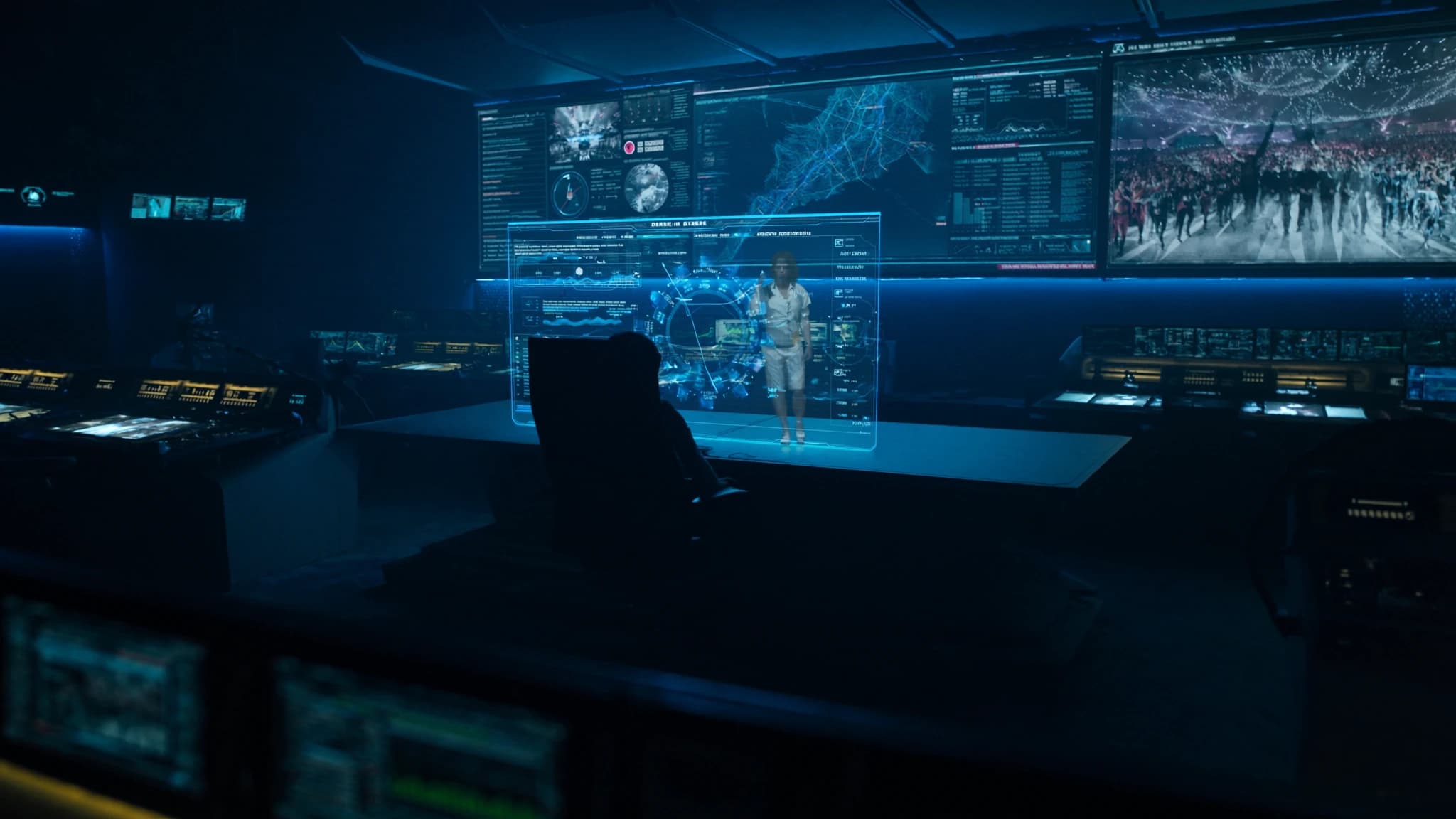
Während die Live-Event-Branche auf Nachhaltigkeit drängt, verändert KI-gestützte Energieoptimierung die Art und Weise, wie Shows Hybridstromsysteme aus Generatoren, Batterien und Solar verwalten. Durch Lastprognosen und intelligentes Umschalten zwischen Quellen reduziert KI den Kraftstoffverbrauch, Emissionen und Betriebskosten, ohne die Leistung zu beeinträchtigen. SSOUNDS integriert diese intelligenten Energiestrategien in unsere Systemplanung, um Produktionsteams zu helfen, sauberere, leisere und effizientere Veranstaltungen durchzuführen.
Wichtigste Punkte
- KI-Lastprognose sagt den Strombedarf mit >90 % Genauigkeit voraus und ermöglicht präzise Hybridsystem-Dimensionierung.
- Intelligentes Umschalten wechselt in Millisekunden zwischen Generator, Batterie und Solar und optimiert den Kraftstoffverbrauch.
- Kraftstoffeinsparungen von 40–60 % und CO₂-Reduzierungen von bis zu 16 Tonnen pro großem Festival sind erreichbar.
- Die Integration von KI mit Audionetzwerken ermöglicht die Priorisierung kritischer Lasten und eine sauberere Stromversorgung.
- SSOUNDS unterstützt nachhaltige Veranstaltungen mit energieeffizienten Lautsprechern und Beratung zur Stromversorgung.
- Die Einführung von KI-Energieoptimierung reduziert Kosten, Emissionen und Lärm und erhöht gleichzeitig die Zuverlässigkeit.
Die Herausforderung der Hybridstromversorgung bei Live-Events
Die traditionelle Event-Stromversorgung stützt sich stark auf Dieselgeneratoren, die zuverlässig, aber ineffizient sind, oft bei Teillast laufen, Kraftstoff verschwenden und Lärm und Emissionen erzeugen. Hybridsysteme, die Generatoren mit Batteriespeichern und Solarmodulen kombinieren, können den Kraftstoffverbrauch um 30–50 % senken, aber die Steuerung des Zusammenspiels zwischen den Quellen erfordert Echtzeit-Entscheidungen. Ohne intelligente Steuerung lassen Betreiber den Generator standardmäßig kontinuierlich laufen, was die Vorteile zunichtemacht.
KI löst dies, indem sie kontinuierlich den Strombedarf, den Ladezustand der Batterie, den Solarertrag und die Generatoreffizienz überwacht. Sie prognostiziert Lastkurven auf Basis von Show-Zeitplänen, Wettervorhersagen und historischen Daten und schaltet dann automatisch die Quellen um, um den Generator nahe seiner optimalen Last (typischerweise 70–80 %) zu betreiben oder ihn ganz abzuschalten, wenn Batterien und Solar die Last tragen können.
Lastprognose: Wie KI den Strombedarf vorhersagt
Die KI-Lastprognose verwendet Machine-Learning-Modelle, die mit Tausenden von Event-Datensätzen trainiert wurden, einschließlich Audio-Systemlast, Lichtszenen, HLK und Catering-Spitzen. Während eines Festivals beispielsweise steigt der Strombedarf während der Headliner-Sets und sinkt über Nacht. KI lernt diese Muster und prognostiziert den Verbrauch der nächsten 24 Stunden mit über 90 % Genauigkeit.
SSOUNDS-Ingenieure arbeiten mit Energiemanagement-Partnern zusammen, um diese Prognosen in die Systemplanung zu integrieren. Indem genau bekannt ist, wann die Spitzenlast auftritt, können wir Batteriebänke und Solaranlagen präziser dimensionieren und sowohl Überdimensionierung (die Kapital verschwendet) als auch Unterdimensionierung (die Spannungseinbrüche riskiert) vermeiden. Die KI berücksichtigt auch Variablen wie Bewölkung, die den Solarertrag beeinflusst, und passt den Generatorplan dynamisch an.
Intelligentes Umschalten: Nahtlose Quellenübergänge
KI-gesteuertes intelligentes Umschalten ist das Herzstück der Hybrid-Energieoptimierung. Das System verwendet Halbleiterrelais und Wechselrichter, um in Millisekunden zwischen Generator, Batterie und Solar zu wechseln, unmerklich für Audioausrüstung und Beleuchtung. Wenn die Batteriestände hoch und Solar reichlich vorhanden sind, kann der Generator ganz abgeschaltet werden, wodurch Kraftstoffverbrauch und Emissionen in diesen Zeiträumen auf null sinken.
Wenn eine Wolke vorbeizieht oder ein plötzliches Lichtrig einschaltet, startet die KI präventiv den Generator, bevor die Batterie unter einen sicheren Schwellenwert fällt. Dieser 'prädiktive Start' vermeidet die Ineffizienz eines Kaltstarts unter hoher Last. SSOUNDS empfiehlt, diese Controller mit dem Audionetzwerk zu integrieren (z. B. über Dante oder AES67), damit die KI bei Notfällen auch nicht-kritische Lasten priorisieren kann.
Kraftstoff- und Emissionsreduzierung: Messbare Auswirkungen
Realwelt-Einsätze von KI-optimierter Hybridstromversorgung haben Kraftstoffeinsparungen von 40–60 % im Vergleich zu Generator-only-Setups gezeigt, mit entsprechenden CO₂-Reduzierungen. Für ein dreitägiges Festival mit 10.000 Litern Diesel bedeutet das 4.000–6.000 Liter eingespart und bis zu 16 Tonnen CO₂ vermieden. Zusätzlich sinkt die Generatorlaufzeit um 50–70 %, was Wartungskosten und Lärmbelästigung reduziert.
SSOUNDS ermutigt Veranstalter, diese Systeme mit unseren energieeffizienten Lautsprecherdesigns zu kombinieren, die hohen Schalldruck pro Watt liefern. Durch die Kombination von Audio mit geringer Leistungsaufnahme und KI-Energiemanagement kann der gesamte CO₂-Fußabdruck einer Show um mehr als die Hälfte reduziert werden. Wir bieten auch Beratung zu Batteriechemie (LiFePO₄ bevorzugt für Zyklenlebensdauer) und Solarpanel-Ausrichtung, um den ROI zu maximieren.
Umsetzung: Von der Planung bis zum Showtag
Der Einsatz von KI-Energieoptimierung beginnt mit einem Energieaudit: Messung aller angeschlossenen Lasten, ihrer Einschaltdauer und Spitzenbedarfe. SSOUNDS kann Stromverteilungstopologien empfehlen, die empfindliche Audiogeräte von verrauschtem Generatorstrom isolieren und eine saubere Versorgung gewährleisten. Der KI-Controller wird dann mit dem Veranstaltungszeitplan und Wetterdaten programmiert.
Während der Veranstaltung zeigt ein Dashboard Echtzeitmetriken: Generatorlast, Batterie-SOC, Solarertrag, Kraftstoffverbrauch und eingesparte Emissionen. Betreiber können KI-Entscheidungen bei Bedarf übersteuern, aber in der Praxis läuft das System autonom. Nach der Veranstaltung liefern Berichte detaillierte Analysen für zukünftige Verbesserungen und schaffen einen Kreislauf kontinuierlicher Optimierung.
Die Zukunft: KI und die nachhaltige Show
Da die Batteriekosten sinken und die Solareffizienz steigt, wird KI-optimierte Hybridstromversorgung zum Standard für Veranstaltungen aller Größen. SSOUNDS ist bestrebt, diese Technologie voranzutreiben, indem wir mit Innovatoren im Energiemanagement zusammenarbeiten und Energiedaten in unsere Systemplanungstools integrieren. Das Ziel ist eine Show, die stundenlang vollständig mit erneuerbaren Energien läuft, wobei der Generator nur als Backup dient.
Event-Profis, die heute KI-Energieoptimierung einsetzen, gewinnen einen Wettbewerbsvorteil: niedrigere Kosten, grünere Referenzen und Einhaltung sich verschärfender Emissionsvorschriften. Es geht nicht nur um Kraftstoffeinsparung, es geht darum, neu zu definieren, wie ein nachhaltiges Live-Erlebnis aussieht.
Häufige Fragen
Wie prognostiziert KI den Strombedarf für eine Veranstaltung?
KI-Modelle werden mit Daten aus vergangenen Veranstaltungen trainiert, einschließlich Audio-, Beleuchtungs- und HLK-Lasten sowie Wetter- und Zeitplan-Eingaben. Sie prognostizieren Verbrauchsmuster Stunde für Stunde, sodass das Hybridsystem Batterien vorladen und Generatorläufe optimal planen kann.
Kann KI-Energieoptimierung mit vorhandenen Generatoren und Batterien funktionieren?
Ja, die meisten KI-Controller sind für Standardgeneratoren und Batteriewechselrichter nachrüstbar. Sie kommunizieren über Modbus oder CAN-Bus, um Quellen zu überwachen und zu steuern. SSOUNDS kann bei Kompatibilität und Integration beraten.
Was passiert, wenn die KI ausfällt oder die Konnektivität verliert?
Systeme sind mit Fail-Safes ausgelegt: Der Generator läuft standardmäßig kontinuierlich, und Batterien liefern weiterhin Strom über ihre internen Wechselrichter. Manuelle Übersteuerung ist immer verfügbar. Redundante Controller können für kritische Veranstaltungen eingesetzt werden.
Wie viel kostet ein KI-optimiertes Hybridsystem im Vergleich zu einem traditionellen Generator-only-System?
Die Anfangsinvestition ist aufgrund von Batterien, Solar und Controller höher, aber Kraftstoff- und Wartungseinsparungen amortisieren sich typischerweise innerhalb von 1–3 Jahren. Bei großen Veranstaltungen sind die Gesamtbetriebskosten oft niedriger, besonders bei steigenden Kraftstoffpreisen.
Verkauft SSOUNDS KI-Energiemanagement-Hardware?
SSOUNDS konzentriert sich auf Lautsprechersysteme und bietet Beratung zur Integration von KI-Energielösungen Dritter. Wir arbeiten mit führenden Energiemanagement-Unternehmen zusammen, um nahtlose Kompatibilität für unsere Kunden zu gewährleisten.
System aufbauen oder aufrüsten?
SSOUNDS entwickelt und fertigt professionelle PA weltweit, vom einzelnen Raum bis zur Stadiongröße.