KI für Barrierefreiheit bei Live-Events
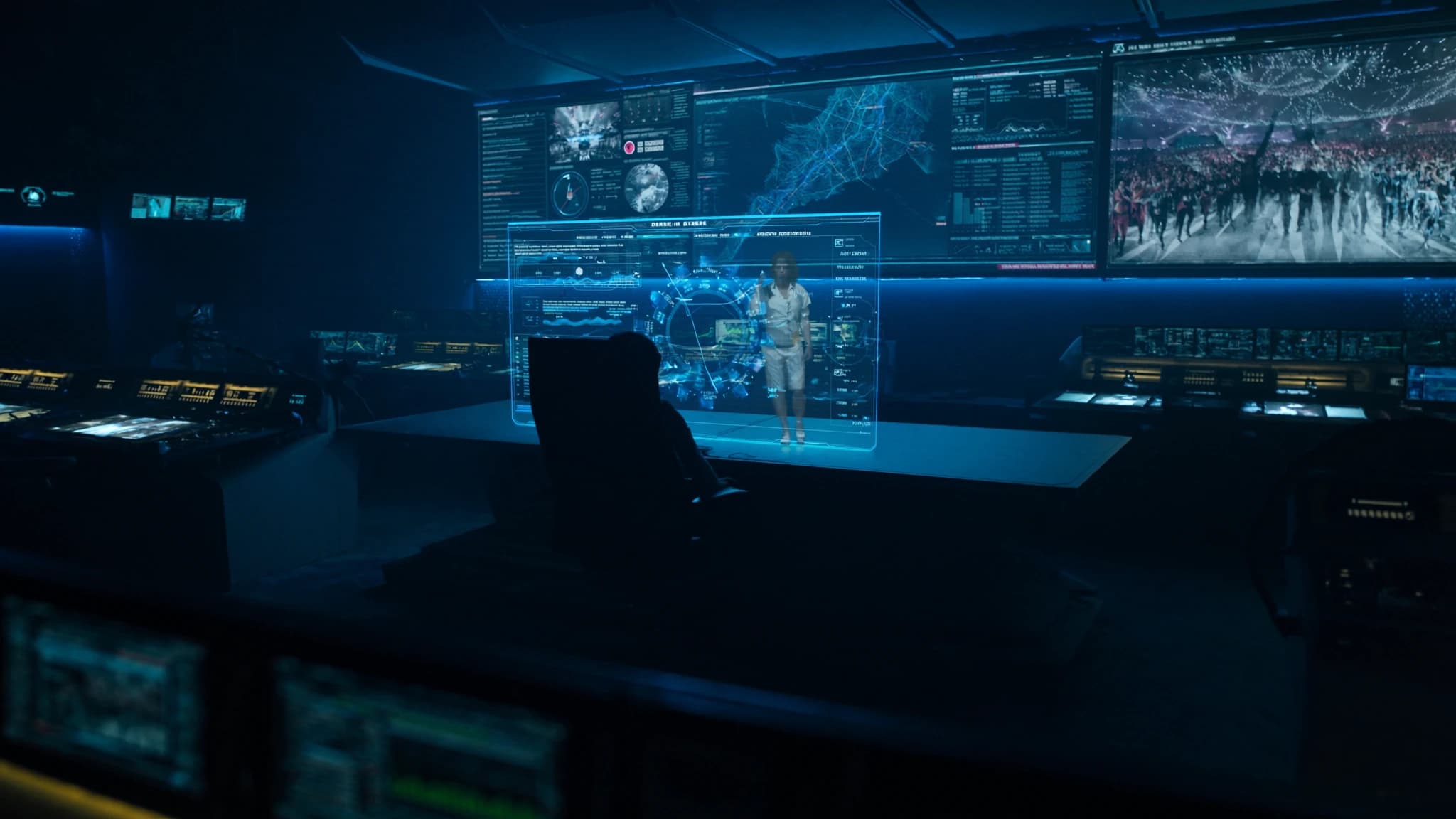
Live-Events werden inklusiver, da KI-gestützte Barrierefreiheits-Tools Barrieren für Teilnehmer mit Behinderungen abbauen. Von Echtzeit-Untertitelung und Audiodeskription bis hin zu Gebärdensprach-Avataren und intelligentem Assistenz-Hören integriert SSOUNDS diese Technologien, um sicherzustellen, dass jeder Zuschauer die volle Wirkung einer Aufführung erlebt. Dieser Leitfaden untersucht, wie KI die Barrierefreiheit bei Live-Events verändert und wie professionelle Audiosysteme diese Innovationen unterstützen.
Wichtigste Punkte
- KI-gestützte Untertitelung, Audiodeskription und Gebärdensprach-Avatare machen Live-Events inklusiver für Teilnehmer mit Behinderungen.
- Hochwertige Audio-Feeds von professionellen Systemen wie SSOUNDS sind entscheidend für KI-Genauigkeit und niedrige Latenz.
- Assistenz-Hörsysteme können mit KI optimiert werden, um sich an individuelle Hörprofile und Raumakustik anzupassen.
- Die Integration erfordert saubere Mikrofon-Feeds, DSP mit niedriger Latenz und gründliche Tests mit Nutzern.
- Die vernetzte Audio-Architektur von SSOUNDS unterstützt nahtloses Routing zu KI-Verarbeitungs-Engines.
- Die Zukunft umfasst personalisierte Audio-Mixe und Echtzeit-mehrsprachige Übersetzung, angetrieben von KI.
Echtzeit-Untertitelung und Transkription
KI-gesteuerte Spracherkennung liefert jetzt präzise Untertitel mit niedriger Latenz für Live-Auftritte, Reden und Podiumsdiskussionen. Systeme wie die DSP-fähigen Netzwerke von SSOUNDS können Audio direkt an cloudbasierte Untertitelungs-Engines weiterleiten, die Text zurückgeben, der auf Bildschirmen angezeigt oder auf persönliche Geräte gestreamt wird. Dies kommt gehörlosen und schwerhörigen Teilnehmern zugute, ohne dass ein menschlicher Untertiteler vor Ort erforderlich ist.
Die zentrale Herausforderung ist die Audioqualität: Hintergrundgeräusche, mehrere Sprecher und Nachhall können die Erkennungsgenauigkeit beeinträchtigen. Line-Arrays und Punktquellen-Lautsprecher von SSOUNDS sind auf hohe Sprachverständlichkeit ausgelegt und liefern saubere Audio-Feeds, die die KI-Untertitelungsleistung maximieren. Durch die Integration mit Assistenz-Hörsystemen stellt SSOUNDS sicher, dass Untertitel synchronisiert und zuverlässig sind.
Audiodeskription und KI-generierte Narration
Für blinde und sehbehinderte Teilnehmer bietet Audiodeskription eine verbale Beschreibung visueller Elemente, Handlungen, Kostüme, Bühnenbildwechsel und Gesichtsausdrücke. Traditionell erforderte dies einen menschlichen Beschreiber, aber KI generiert jetzt Beschreibungen in Echtzeit mithilfe von Computer Vision und Natural Language Processing.
SSOUNDS unterstützt dies, indem die Beschreibungsspur über dedizierte Assistenz-Hörkanäle wie Infrarot- oder FM-Systeme oder über einen separaten Mix auf der PA bereitgestellt wird. Die Klarheit des Audiosystems stellt sicher, dass die Beschreibung auch in großen Veranstaltungsorten verständlich ist, während KI-Tools darauf abgestimmt werden können, den Ton des Events zu treffen, von Theater- bis hin zu Konzertumgebungen.
Gebärdensprach-Avatare und virtuelle Dolmetscher
KI-gestützte Avatare, die Gebärdensprache ausführen, entwickeln sich zu einer skalierbaren Alternative zu menschlichen Dolmetschern. Diese Avatare nutzen Motion-Capture-Daten und maschinelles Lernen, um natürliche Gebärden zu erzeugen, synchronisiert mit gesprochenem Audio. Sie können auf großen Bildschirmen angezeigt oder auf persönliche Geräte gestreamt werden.
Damit dies funktioniert, muss das Audiosystem einen sauberen, isolierten Feed des Sprechers oder Künstlers an die Avatar-Engine liefern. Die vernetzte Audio-Architektur von SSOUNDS ermöglicht ein präzises Routing von Mikrofonsignalen zu Verarbeitungsservern und gewährleistet so Timing und Genauigkeit des Avatars. Das Ergebnis ist ein inklusives Erlebnis für gehörlose Teilnehmer, die Gebärdensprache nutzen, ohne die logistischen Einschränkungen bei der Buchung menschlicher Dolmetscher.
Assistenz-Hörsysteme und KI-Optimierung
Assistenz-Hörsysteme (ALS) wie Höranlagen, Infrarot- und FM-Sender sind seit Langem unverzichtbar für Barrierefreiheit. KI verbessert diese Systeme jetzt, indem sie Frequenzgang, Kompression und Verzögerung automatisch an den Standort und das Hörprofil des Hörers anpasst. Beispielsweise kann KI die Akustik des Raums und die Einstellungen des Hörgeräts des Nutzers analysieren, um den Audio-Stream zu optimieren.
SSOUNDS integriert ALS direkt in seine DSP-Plattform, sodass Tontechniker mehrere Assistenzkanäle neben der Haupt-PA verwalten können. Die KI-gesteuerte Optimierung stellt sicher, dass jeder Hörer einen klaren, ausgewogenen Mix erhält, egal ob er ein Hörgerät, ein Cochlea-Implantat oder einen Kopfhörerempfänger verwendet. Dies reduziert den Bedarf an manueller Abstimmung und verbessert die Konsistenz im gesamten Veranstaltungsort.
Herausforderungen und Best Practices für die Umsetzung
KI-Barrierefreiheits-Tools sind zwar leistungsstark, erfordern jedoch eine sorgfältige Integration mit dem Audiosystem. Die Latenz muss minimal sein, insbesondere für Untertitelung und Gebärdensprach-Avatare, um eine Desynchronisation mit dem Live-Event zu vermeiden. Das DSP mit niedriger Latenz und die Netzwerkprotokolle von SSOUNDS (z. B. AES67, Dante) stellen sicher, dass KI-Verarbeitungsverzögerungen unter 20 Millisekunden bleiben.
Eine weitere Herausforderung ist die Genauigkeit in lauten Umgebungen. Die Lautsprecher von SSOUNDS sind auf hohe Richtwirkung und niedrige Verzerrung ausgelegt und reduzieren den akustischen Grundgeräuschpegel, der KI-Algorithmen verwirren kann. Techniker sollten außerdem dedizierte Mikrofon-Feeds für KI-Dienste bereitstellen, getrennt vom Hauptmix, um einen sauberen Eingang zu gewährleisten. Schließlich hilft das Testen mit tatsächlichen Nutzern während der Proben, das System für reale Bedingungen fein abzustimmen.
Die Zukunft der KI-Barrierefreiheit bei Live-Events
Mit der Verbesserung der KI-Modelle können wir eine noch nahtlosere Integration erwarten: Echtzeit-Übersetzung in mehrere Sprachen, personalisierte Audio-Mixe für einzelne Hörer und adaptive Systeme, die aus Publikumsfeedback lernen. SSOUNDS ist bestrebt, diese Innovationen zu unterstützen, indem offene, flexible Audio-Plattformen entwickelt werden, die mit jedem KI-Dienst zusammenarbeiten können.
Für Veranstalter geht es bei der Investition in KI-Barrierefreiheit nicht nur um Compliance, sondern um die Erweiterung der Publikumsreichweite und die Schaffung unvergesslicher Erlebnisse für alle. Mit der richtigen Audio-Infrastruktur kann KI ein Live-Event in einen wahrhaft inklusiven Raum verwandeln.
Häufige Fragen
Kann KI-Untertitelung menschliche Untertitel bei Live-Events ersetzen?
KI-Untertitelung ist in kontrollierten Umgebungen sehr präzise, kann aber bei starken Akzenten, Hintergrundgeräuschen oder sich überlagernden Sprechern an ihre Grenzen stoßen. Am besten funktioniert sie als Ergänzung zu menschlichen Untertitelern oder für Events, bei denen Echtzeit-Untertitelung durch Menschen nicht machbar ist. SSOUNDS sorgt für saubere Audio-Feeds, um die KI-Leistung zu maximieren.
Wie synchronisieren sich Gebärdensprach-Avatare mit Live-Audio?
Die Avatar-Engine erhält einen dedizierten Audio-Feed vom PA-System, oft über einen Netzwerk-Stream. Das DSP mit niedriger Latenz von SSOUNDS stellt sicher, dass das Audio den Avatar-Prozessor mit minimaler Verzögerung erreicht, sodass der Avatar synchron zum Sprecher gebärden kann.
Welche Assistenz-Hörtechnologie unterstützt SSOUNDS?
SSOUNDS integriert sich mit Höranlagen, Infrarot-, FM- und Wi-Fi-basierten Systemen. Die DSP-Plattform ermöglicht es Technikern, dedizierte Assistenz-Mixe zu erstellen und KI-basierte Optimierung für einzelne Hörer anzuwenden.
Ist KI-Barrierefreiheit teuer in der Umsetzung?
Die Kosten variieren, aber viele KI-Dienste sind cloudbasiert mit nutzungsabhängiger Abrechnung. Die Hauptinvestition liegt in der Audio-Infrastruktur, Mikrofonen, DSP und Lautsprechern, die SSOUNDS als skalierbare, professionelle Lösung bereitstellt.
Können KI-Barrierefreiheits-Tools für Outdoor-Events genutzt werden?
Ja, aber Outdoor-Akustik und Windgeräusche können die KI-Genauigkeit beeinträchtigen. Die witterungsbeständigen Lautsprecher und Richtmikrofone von SSOUNDS helfen, diese Probleme zu mildern, und KI-Modelle können mit Outdoor-Daten für bessere Leistung trainiert werden.
System aufbauen oder aufrüsten?
SSOUNDS entwickelt und fertigt professionelle PA weltweit, vom einzelnen Raum bis zur Stadiongröße.