KI in Bühnen- und Bühnenbilddesign
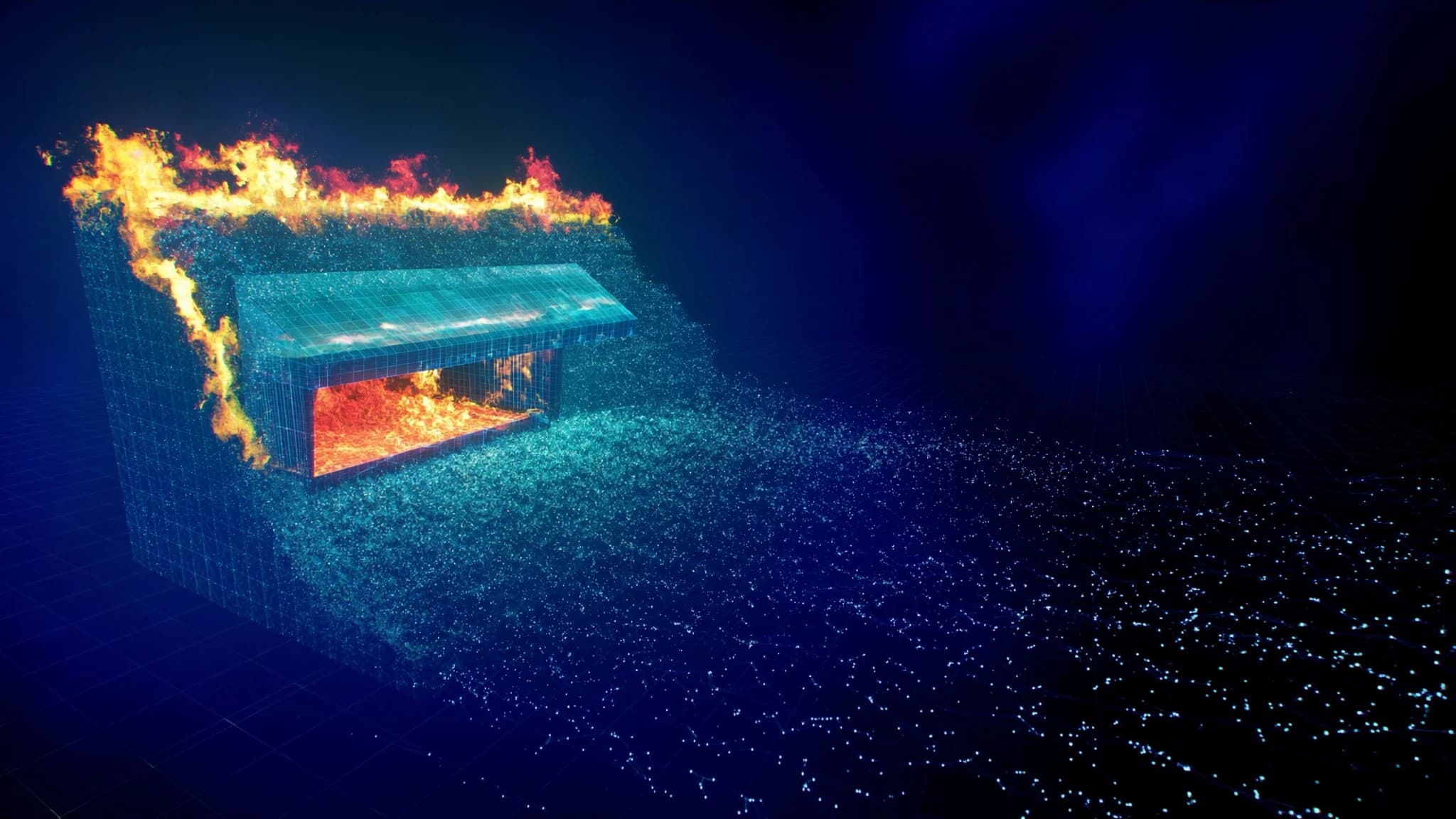
Generative KI verändert Bühnen- und Bühnenbilddesign, indem sie Designern ermöglicht, Konzepte schneller zu erkunden, in 3D zu visualisieren und mit beispielloser Geschwindigkeit zu iterieren. SSOUNDS integriert diese Tools, um unsere präzisionsgefertigten PA-Systeme zu ergänzen und sicherzustellen, dass kreative Vision und akustische Leistung nahtlos zusammenpassen.
Wichtigste Punkte
- Generative KI beschleunigt die Konzeptentwicklung, indem sie aus Textaufforderungen vielfältige visuelle Ideen produziert.
- KI-generierte 3D-Modelle können mit akustischer Simulation für eine ganzheitliche Previsualisierung integriert werden.
- Schnelle Iteration mit KI hilft, das Bühnenbild sowohl für Ästhetik als auch für Klangleistung zu optimieren.
- Praxisnahe Anwendungen erstrecken sich auf Festivals, Theater und virtuelle Produktion und verbessern kreative Workflows.
- Menschliche Aufsicht bleibt entscheidend, um Praktikabilität und Originalität in KI-gestützten Designs sicherzustellen.
- SSOUNDS kombiniert KI-gesteuertes Design mit Präzisionstechnik, um erstklassige Audioerlebnisse zu liefern.
Wie generative KI die Konzeptentwicklung beschleunigt
Generative KI-Tools wie DALL·E, Midjourney und Stable Diffusion ermöglichen es Designern, aus einfachen Textaufforderungen eine breite Palette visueller Konzepte zu erstellen. Für Bühnen- und Bühnenbilddesign bedeutet dies, schnell Themen, Farbpaletten, strukturelle Formen und Lichtszenarien zu erkunden, ohne manuelles Skizzieren. Ein Designer kann 'futuristische Konzertbühne mit schwebenden LED-Panels' eingeben und erhält in Sekunden Dutzende einzigartiger Variationen.
Diese Geschwindigkeit ist in frühen Projektphasen entscheidend, in denen sich mehrere Stakeholder auf eine kreative Richtung einigen müssen. KI-generierte Bilder dienen als gemeinsame visuelle Sprache, reduzieren Missverständnisse und beschleunigen Genehmigungen. SSOUNDS hat gesehen, wie Kunden diese Visualisierungen nutzen, um ihre Vision an Produktionsteams zu kommunizieren und sicherzustellen, dass das akustische Design, wie die Platzierung von Line Arrays, von Anfang an berücksichtigt wird.
3D-Previsualisierung: KI mit CAD und akustischer Modellierung verbinden
Sobald ein Konzept genehmigt ist, kann KI bei der Generierung von 3D-Modellen und Texturen für die Previsualisierung helfen. Tools wie NVIDIA Omniverse oder Blender mit KI-Plugins können 2D-Konzeptkunst in grobe 3D-Geometrie umwandeln, die Designer dann verfeinern. Dies überbrückt die Lücke zwischen Inspiration und technischer Umsetzung.
Für SSOUNDS ist die Previsualisierung der Bereich, in dem unsere Expertise glänzt. Wir verwenden akustische Simulationssoftware (z. B. EASE Focus, Soundvision), um Abdeckung, SPL und Verzögerungszeiten zu modellieren. Durch die Integration KI-generierter Bühnenmodelle können wir vorhersagen, wie das PA-System mit dem Bühnenbild, Reflexionen, Schatten und Sichtlinien interagieren wird, bevor ein einziges Kabel verlegt wird. Diese Zusammenarbeit zwischen KI-Kreativität und technischer Präzision stellt sicher, dass das endgültige Design sowohl atemberaubend als auch klanglich einwandfrei ist.
Schnelle Design-Iteration und Optimierung
Traditionelle Bühnenbild-Iteration erfordert manuelle Überarbeitungen, die zeitaufwändig und kostspielig sind. KI ermöglicht schnelle Iteration, indem sie mehrere Variationen eines Designelements generiert, wie Bühnenhöhe, Flügelplatzierung oder Traversenkonfiguration, und diese gegen Einschränkungen wie Gewicht, Budget und akustische Leistung bewertet.
Modelle des maschinellen Lernens können auch Layouts für Publikumssichtlinien und Lautsprecherabdeckung gleichzeitig optimieren. Zum Beispiel kann ein KI-Algorithmus die optimale Position für ein Subwoofer-Array vorschlagen, um Auslöschung zu minimieren und gleichzeitig visuelle Symmetrie zu erhalten. SSOUNDS setzt ähnliche Optimierungen in unseren DSP-Presets ein, aber jetzt können Designer sie auf die gesamte Bühnenumgebung anwenden.
Praxisnahe Anwendungen: Von Festivals bis Theater
In Festivalumgebungen helfen KI-generierte Konzepte Produktionsdesignern, sich schnell an verschiedene Bühnen und Landschaften anzupassen. Für Theater kann KI periodengerechte Bühnenbilder oder abstrakte Umgebungen generieren, die das Geschichtenerzählen bereichern. SSOUNDS hat mit Designern zusammengearbeitet, die KI nutzten, um zu visualisieren, wie unsere Line Arrays in ein futuristisches Sci-Fi-Bühnenbild integriert werden könnten, um sicherzustellen, dass die Lautsprecher Teil der Ästhetik wurden und nicht nur ein nachträglicher Gedanke waren.
Die Technologie ist auch für virtuelle Produktion wertvoll, wo LED-Wände und immersive Umgebungen eine präzise Koordination zwischen Bühnenbild und Audio erfordern. KI kann simulieren, wie sich Schall in einem virtuellen Raum verhält, sodass Designer Materialien und Geometrie für optimale Akustik anpassen können.
Herausforderungen und Best Practices
Obwohl KI unglaubliche Geschwindigkeit bietet, erfordert sie sorgfältiges Prompting und menschliche Aufsicht. Designer müssen die KI mit klaren Referenzen und Einschränkungen anleiten, um generische oder unpraktische Ergebnisse zu vermeiden. Es ist auch wichtig, geistiges Eigentum zu berücksichtigen. KI-generierte Bilder können urheberrechtlich geschützte Stile enthalten, daher werden originale Modifikationen empfohlen.
SSOUNDS empfiehlt, KI früh in den Designprozess zu integrieren, aber immer mit realen akustischen Daten zu validieren. Unser Team kann akustische Vorhersagen für jedes Bühnenbild liefern und sicherstellen, dass KI-inspirierte Konzepte technisch machbar sind. Die besten Ergebnisse entstehen aus einer Partnerschaft: KI für Ideenfindung, menschliche Expertise für Verfeinerung und SSOUNDS für klangliche Exzellenz.
Die Zukunft: KI-gesteuerte Echtzeitanpassung
In Zukunft könnte KI eine Echtzeitanpassung des Bühnenbilds während Aufführungen ermöglichen, indem sie Beleuchtung, Video und sogar akustische Paneele basierend auf Publikumsfeedback oder Sensordaten anpasst. SSOUNDS untersucht, wie unsere DSP-Systeme mit KI interagieren können, um PA-Einstellungen automatisch anzupassen, wenn sich das Bühnenbild ändert, und so während einer dynamischen Show optimalen Klang aufrechtzuerhalten.
Diese Konvergenz von generativem Design und intelligenter Audio wird Live-Erlebnisse neu definieren. Als Premium-PA-Hersteller ist SSOUNDS bestrebt, Designer mit Tools und Expertise zu unterstützen, die diese Visionen Wirklichkeit werden lassen.
Häufige Fragen
Kann KI menschliche Bühnenbildner ersetzen?
Nein. KI ist ein Werkzeug, das Ideenfindung und Iteration beschleunigt, aber menschliche Kreativität, Erfahrung und technisches Wissen sind unerlässlich, um Konzepte zu verfeinern und sicherzustellen, dass sie praktikabel und originell sind.
Wie integriert SSOUNDS KI in seinen PA-Designprozess?
SSOUNDS nutzt KI-gestützte akustische Modellierung und maschinelles Lernen, um DSP-Presets und Abdeckungsvorhersagen zu optimieren. Wir arbeiten auch mit Designern zusammen, die generative KI für Bühnenkonzepte einsetzen, um sicherzustellen, dass unsere Systeme das visuelle Design ergänzen.
Welche Software empfehlen Sie für KI-gesteuertes Bühnenbilddesign?
Beliebte Tools sind Midjourney, DALL·E und Stable Diffusion für Konzeptkunst sowie Blender mit KI-Plugins für 3D-Modellierung. Für die akustische Integration verwenden Sie EASE Focus oder Soundvision zusammen mit Ihrer Designsoftware.
Ist KI-generiertes Bühnenbilddesign kosteneffektiv?
Ja, indem die Zeit für manuelles Skizzieren und Überarbeiten reduziert wird, kann KI die Designkosten senken. Die Investition in Software und Schulung sollte jedoch gegen den Projektumfang abgewogen werden.
Wie stelle ich sicher, dass mein KI-generiertes Bühnenbild mit einem PA-System funktioniert?
Teilen Sie Ihr Bühnenmodell frühzeitig mit SSOUNDS. Unsere Ingenieure können die akustische Leistung simulieren und Anpassungen der Lautsprecherplatzierung oder der Bühnenmaterialien vorschlagen, um optimalen Klang zu erzielen.
System aufbauen oder aufrüsten?
SSOUNDS entwickelt und fertigt professionelle PA weltweit, vom einzelnen Raum bis zur Stadiongröße.