KI-Echtzeit-Sprachübersetzung bei Veranstaltungen
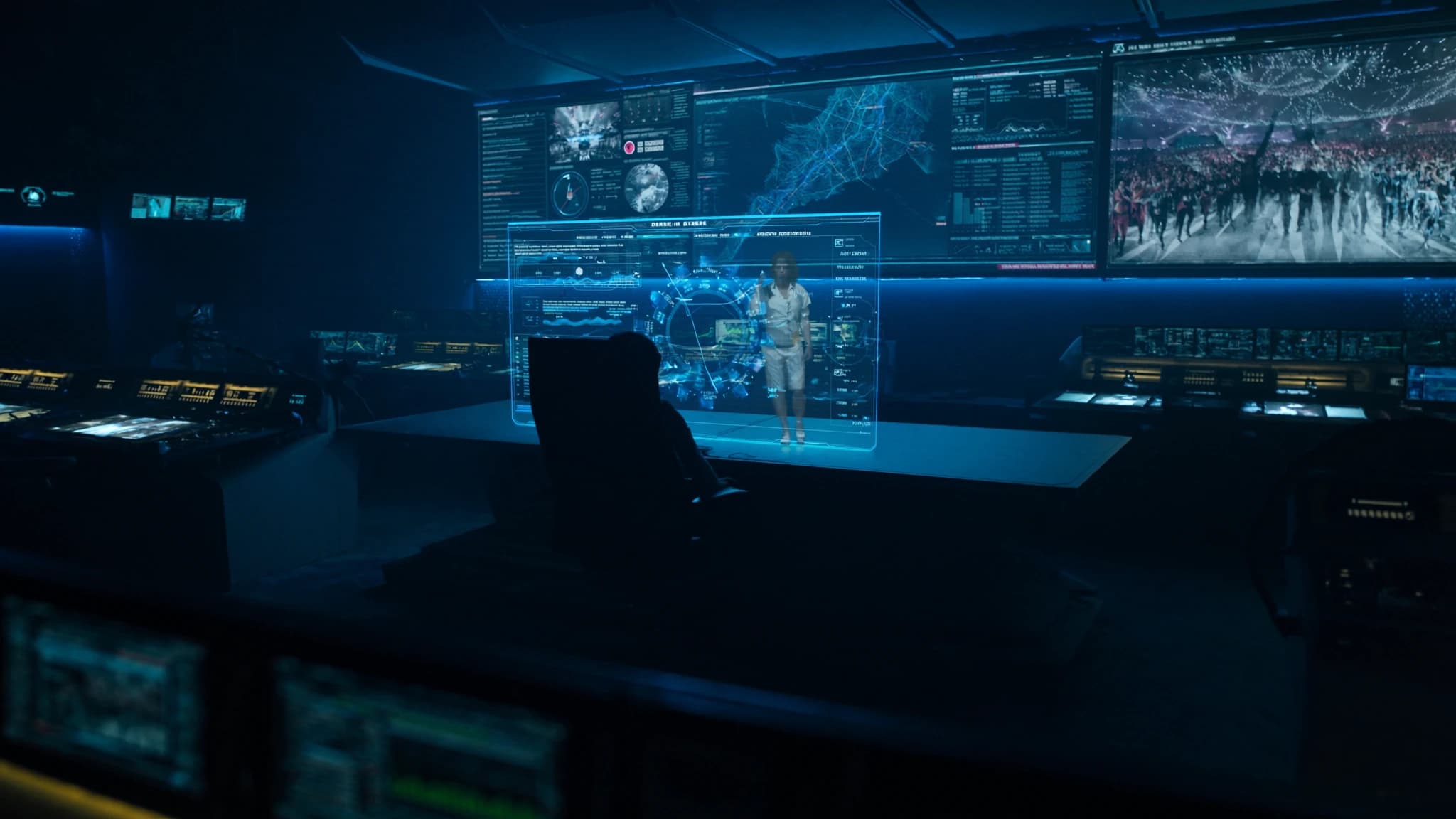
Internationale Konferenzen und Live-Veranstaltungen setzen zunehmend auf KI-gesteuerte Echtzeit-Sprachübersetzung, um Sprachbarrieren zu überwinden. Dieser Leitfaden untersucht, wie KI-Live-Untertitelung und Sprachübersetzung funktionieren, welche Audioinfrastruktur erforderlich ist und wie SSOUNDS-Ingenieure diese Systeme für eine makellose mehrsprachige Übertragung integrieren.
Wichtigste Punkte
- KI-Echtzeitübersetzung kombiniert Spracherkennung, maschinelle Übersetzung und Ausgabegenerierung, um mehrsprachige Inhalte sofort bereitzustellen.
- Saubere Audioeingabe und Netzwerke mit niedriger Latenz sind entscheidend für genaue und rechtzeitige Übersetzung.
- Übersetzte Inhalte können über Untertitel, synthetisierte Sprache oder beides bereitgestellt werden, unter Verwendung von Headsets, Apps oder integrierten Audiokanälen.
- Herausforderungen sind Genauigkeit bei Akzenten und Fachjargon, Latenz und kulturelle Nuancen; Vortraining und menschliche Überwachung helfen.
- SSOUNDS-Ingenieure entwerfen End-to-End-Audiosysteme, die KI-Übersetzung für globale Veranstaltungen nahtlos integrieren.
Der Aufstieg der KI-Übersetzung bei Live-Veranstaltungen
Globale Veranstaltungen verlangen heute nahtlose Kommunikation über Sprachen hinweg. Traditionelle Dolmetscherkabinen und menschliche Übersetzer werden ergänzt und in einigen Fällen durch KI-gestützte Echtzeit-Übersetzungssysteme ersetzt. Diese Systeme erfassen gesprochene Worte, wandeln sie in Text um, übersetzen sie und zeigen dann entweder Untertitel an oder synthetisieren Sprache in der Zielsprache, alles innerhalb von Millisekunden.
Die treibenden Kräfte sind klar: die Erwartung des Publikums an sofortiges Verständnis, die Kosten und die Logistik mehrerer menschlicher Dolmetscher und die Notwendigkeit, entfernte Teilnehmer zu erreichen. KI-Übersetzung bietet Skalierbarkeit, Konsistenz und die Möglichkeit, Dutzende von Sprachen gleichzeitig zu unterstützen, ohne einen proportionalen Anstieg des Personals.
Wie KI-Echtzeitübersetzung funktioniert
Im Kern umfasst der Prozess drei Phasen: automatische Spracherkennung (ASR), maschinelle Übersetzung (MT) und Ausgabegenerierung. ASR wandelt die Stimme des Sprechers in Text um und berücksichtigt dabei Akzente, Fachjargon und Hintergrundgeräusche. MT übersetzt diesen Text dann in die Zielsprachen. Schließlich gibt das System entweder Untertitel zur Anzeige oder synthetisierte Sprache für Audiokanäle aus.
Die Latenz ist die kritische Herausforderung. Bei Live-Veranstaltungen stören Verzögerungen von mehr als einigen Sekunden den Ablauf. Moderne Systeme verwenden Streaming-ASR- und MT-Modelle, die Sprache inkrementell verarbeiten und Übersetzungen aktualisieren, während sich Sätze entwickeln. Dies erfordert robuste Rechenleistung, oft Edge-Server vor Ort, und Audio-Netzwerke mit niedriger Latenz.
Audioinfrastruktur für Übersetzungssysteme
KI-Übersetzung ist nur so gut wie das Audio, das sie empfängt. Saubere, isolierte Sprache ist essenziell. Das bedeutet die Verwendung hochwertiger Mikrofone, oft Richt- oder Lavalier-Mikrofone, und den Einsatz von Mix-Minus-Setups, um Rückkopplungen zu verhindern und sicherzustellen, dass die Stimme jedes Sprechers klar erfasst wird. Bei Podiumsdiskussionen können Beamforming-Mikrofonarrays aktive Sprecher verfolgen und Raumgeräusche unterdrücken.
Das Audio muss dann an die Übersetzungs-Engine weitergeleitet werden. Ein Dante- oder AES67-Netzwerk ist ideal und ermöglicht eine flexible Signalverteilung. SSOUNDS-Ingenieure entwerfen Audiosysteme mit dedizierten Übersetzungs-Feeds, um sicherzustellen, dass die KI die bestmögliche Eingabe erhält. Die übersetzten Ausgaben, ob Text oder synthetisierte Stimme, werden dann wieder in das Hauptaudiosystem integriert, um sie an Headsets, Hörhilfen oder Streaming-Plattformen zu verteilen.
Bereitstellung übersetzter Inhalte für das Publikum
Einmal übersetzt, müssen die Inhalte das Publikum nahtlos erreichen. Bei Untertiteln kann dies über große Bildschirme, persönliche Geräte (über WLAN oder dedizierte Apps) oder Augmented-Reality-Brillen erfolgen. Beim Audio umfassen die Optionen Infrarot- oder RF-Headsets, dedizierte Kanäle in einer Konferenz-App oder sogar lokalisierte Klangzonen mit fokussierter Audiotechnologie.
Der Schlüssel liegt darin, die Hauptveranstaltung nicht zu stören. Übersetztes Audio sollte mit angemessenen Pegeln gemischt und ohne Interferenzen bereitgestellt werden. SSOUNDS integriert Übersetzungsausgaben in dieselbe DSP-Infrastruktur, die für die Haupt-PA verwendet wird, um konsistente Qualität und Kontrolle zu gewährleisten. Dies ermöglicht auch Monitoring und Redundanz, was für Veranstaltungen mit hohem Einsatz kritisch ist.
Herausforderungen und Best Practices
KI-Übersetzung ist nicht ohne Fallstricke. Die Genauigkeit kann bei starken Akzenten, schnellem Sprechen oder technischer Terminologie leiden. Die Latenz kann variieren, und Fehler können peinlich sein. Zur Minderung wird ein Training der KI vor der Veranstaltung mit domänenspezifischem Vokabular empfohlen. Ein menschlicher Monitor, der Untertitel korrigiert oder bei kritischen Segmenten eingreift, bietet ein Sicherheitsnetz.
Eine weitere Herausforderung sind kulturelle Nuancen. Maschinelle Übersetzung kann Redewendungen oder Tonfall verfehlen. Bei hochrangigen diplomatischen oder rechtlichen Veranstaltungen werden menschliche Dolmetscher möglicherweise weiterhin bevorzugt. Für viele Konferenzen bietet KI jedoch eine kosteneffiziente und effiziente Lösung. Best Practices umfassen gründliche Tests, klare Kommunikation an die Sprecher (z. B. deutlich und in mäßigem Tempo sprechen) und immer einen Backup-Plan.
Der SSOUNDS-Ansatz für mehrsprachige Veranstaltungen
SSOUNDS betrachtet KI-Übersetzung als Erweiterung des Audiosystems, nicht als nachträglichen Gedanken. Unsere Ingenieure entwerfen die gesamte Signalkette, vom Mikrofon über die Übersetzungs-Engine bis zur Bereitstellung für das Publikum, um optimale Leistung zu gewährleisten. Wir nutzen unsere Expertise in DSP und vernetztem Audio, um die Latenz zu minimieren und die Verständlichkeit zu maximieren.
Für internationale Veranstaltungen bieten wir Beratung zu den besten KI-Übersetzungstools und Integrationsstrategien. Unsere Systeme sind so konzipiert, dass sie nahtlos mit führenden ASR- und MT-Plattformen zusammenarbeiten, und wir bieten Support für die Bereitstellung übersetzten Audios über mehrere Zonen oder Kanäle. Ob es sich um eine Unternehmenskonferenz in London, einen Gipfel in Lagos oder eine hybride Veranstaltung über Kontinente hinweg handelt, SSOUNDS liefert zuverlässiges, hochwertiges mehrsprachiges Audio.
Häufige Fragen
Wie hoch ist die typische Latenz bei KI-Echtzeitübersetzung?
Die Latenz variiert je nach System und Internetverbindung, aber moderne Streaming-Modelle können Verzögerungen von 1 bis 3 Sekunden erreichen. Edge-Computing vor Ort reduziert die Latenz weiter.
Kann KI-Übersetzung mehrere Sprachen gleichzeitig verarbeiten?
Ja, viele Plattformen unterstützen Dutzende von Sprachen gleichzeitig. Das Audiosystem muss in der Lage sein, mehrere Ausgänge ohne Interferenzen zu routen.
Ist KI-Übersetzung genau genug für technische Konferenzen?
Mit domänenspezifischem Training und klarer Sprache kann die Genauigkeit hoch sein. Bei kritischen Inhalten wird menschliche Überwachung empfohlen.
Wie unterstützt SSOUNDS KI-Übersetzung bei Veranstaltungen?
SSOUNDS bietet Design der Audioinfrastruktur, Integration mit Übersetzungsplattformen und Support vor Ort, um saubere Eingaben und zuverlässige Ausgaben zu gewährleisten.
Brauche ich spezielle Mikrofone für KI-Übersetzung?
Ja, Richtmikrofone oder Beamforming-Mikrofone, die Sprache isolieren, sind ideal. SSOUNDS kann geeignete Modelle empfehlen und liefern.
System aufbauen oder aufrüsten?
SSOUNDS entwickelt und fertigt professionelle PA weltweit, vom einzelnen Raum bis zur Stadiongröße.