KI-Risikobewertung für Live-Events
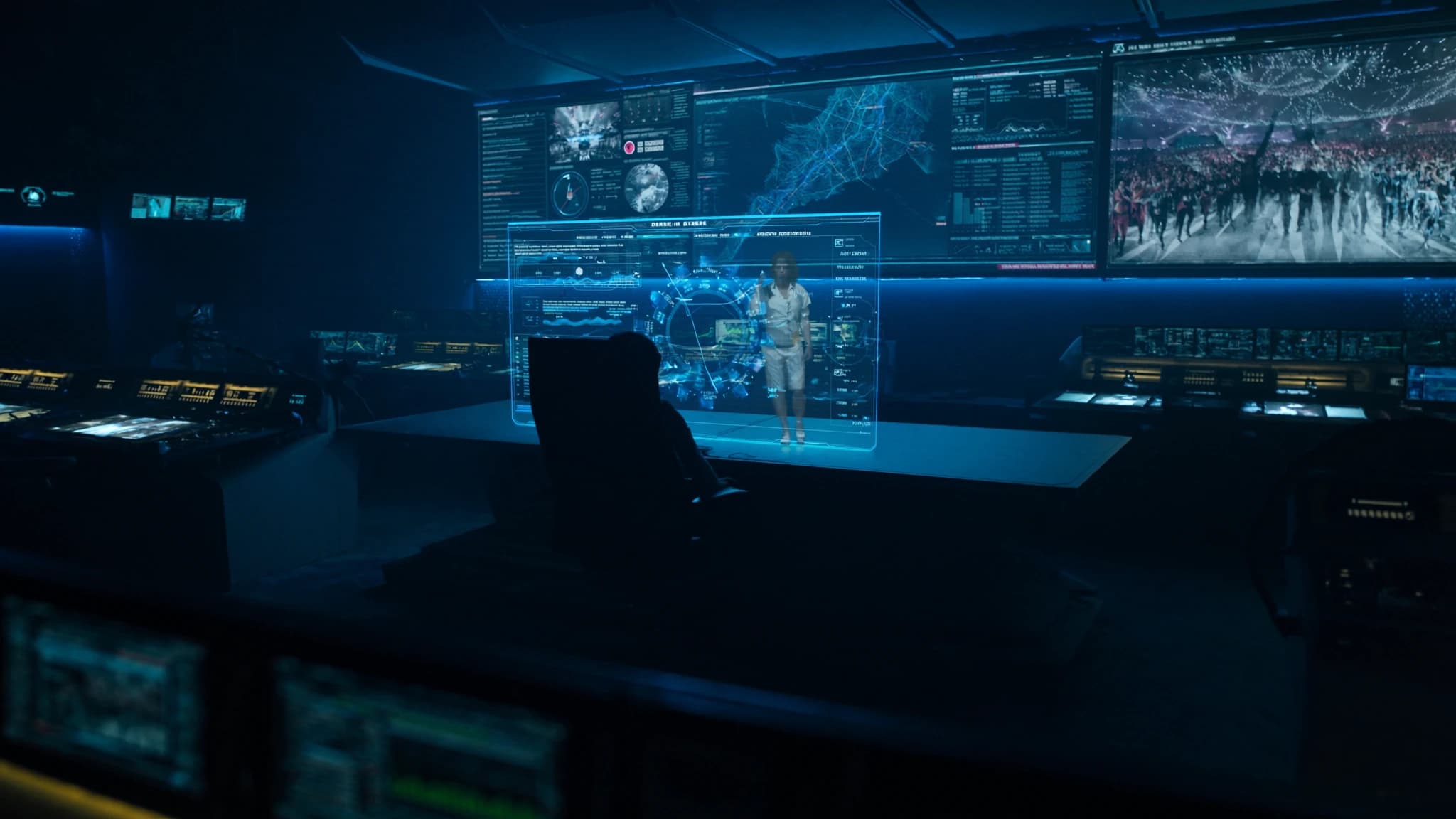
Die Produktion von Live-Events findet in komplexen Umgebungen mit hohem Einsatz statt, in denen Sicherheit oberste Priorität hat. KI verändert die Risikobewertung, indem sie Gefahren schnell sichtbar macht, von Wetter- und strukturellen Risiken bis hin zur Besucherdynamik, während menschliche Expertise für die finale Freigabe im Mittelpunkt bleibt. SSOUNDS integriert diese intelligenten Werkzeuge, damit Produktionsteams klüger statt härter arbeiten.
Wichtigste Punkte
- KI beschleunigt die Gefahrenerkennung, indem sie Wetter-, Struktur- und Besucherdaten schneller verarbeitet als manuelle Methoden.
- Method Statements profitieren von KI-generierten Entwürfen von Risikolisten, aber die menschliche Freigabe bleibt unerlässlich.
- Echtzeit-KI-Überwachung ermöglicht dynamisches Risikomanagement während Live-Events.
- KI kann lokales Wissen oder professionelles Urteilsvermögen nicht ersetzen, sie erweitert beides.
- Beginnen Sie mit fokussierten KI-Tools (z. B. Wetterrisiko) und skalieren Sie, sobald Ihr Team Sicherheit gewinnt.
- SSOUNDS integriert KI-gestützte Modellierung für Lautsprechereinsatz und strukturelle Sicherheit.
Warum KI für die Risikobewertung?
Traditionelle Risikobewertungen stützen sich auf manuelle Checklisten, historische Daten und menschliche Intuition. Diese Methoden sind unverzichtbar, können aber subtile Muster übersehen oder mit sich schnell ändernden Bedingungen nicht Schritt halten. KI ist hervorragend darin, riesige Datensätze zu verarbeiten, Wettervorhersagen, strukturelle Lastberechnungen, Besucherstrommodelle, und Korrelationen zu erkennen, die selbst erfahrenen Sicherheitsbeauftragten entgehen könnten.
Bei Live-Events, bei denen jede Stunde Ausfallzeit Zehntausende kosten kann, bietet KI einen proaktiven Vorteil. Sie kann potenzielle Probleme markieren, bevor sie zu echten Problemen werden, und Teams ermöglichen, Ressourcen effizienter einzusetzen. Die Ingenieursphilosophie von SSOUNDS folgt diesem Ansatz: Technologie nutzen, um menschliches Urteilsvermögen zu erweitern, nicht zu ersetzen.
Wichtige KI-Anwendungen in der Eventsicherheit
Wetterrisiko: KI-Modelle können Echtzeit-Meteorologiedaten, historische Sturmverläufe und Mikroklimata von Veranstaltungsorten aufnehmen, um Starkwindereignisse, Blitzgefahren oder plötzliche Temperaturwechsel vorherzusagen. Diese Systeme können Risikomatrizen automatisch aktualisieren und Maßnahmen empfehlen, etwa das Absenken eines PA-Systems oder das Sichern loser Rigging-Elemente.
Strukturelle Integrität: Für temporäre Bühnen, Dachkonstruktionen und geflogene Lautsprecherarrays kann KI Lastverteilungen und dynamische Kräfte (Wind, Besucherbewegung) simulieren, um Überbeanspruchung zu erkennen. Sie kann auch Gerätegewicht und Rigging-Punkte mit Herstellerspezifikationen abgleichen und jede Abweichung markieren.
Besuchersicherheit: Computer Vision (mit Datenschutzvorkehrungen) kann Besucherdichte, Besucherstrom und Engstellen überwachen. KI-Algorithmen können vorhersagen, wann eine Menschenmenge unsicher werden könnte, z. B. an einem Engpass nahe der Bühne, und Sicherheitskräfte alarmieren, bevor ein Gedränge entsteht.
KI in Method Statements integrieren
Method Statements (RAMS) sind das Rückgrat der Sicherheitsplanung von Events. KI kann ihre Erstellung rationalisieren, indem sie Gefahrenlisten automatisch auf Basis von Veranstaltungsorttyp, Gerätebestand und historischen Vorfallsdaten befüllt. Ein KI-Tool könnte beispielsweise darauf hinweisen, dass ein bestimmter Außenveranstaltungsort eine Geschichte von Starkwinden im April hat, und vorschlagen, Windgeschwindigkeitsüberwachung in das Method Statement aufzunehmen.
Entscheidend ist: KI gibt nicht frei, Menschen tun das. Das System präsentiert eine priorisierte Liste von Risiken, vorgeschlagenen Kontrollen und Restrisikoniveaus. Der Sicherheitsbeauftragte prüft, passt an und genehmigt. So bleibt die Verantwortlichkeit dort, wo sie hingehört, während Stunden manueller Papierarbeit eingespart werden.
KI für strukturelle und Rigging-Risiken
Das Fliegen eines Line Arrays oder einer schweren Videowand erfordert komplexe Berechnungen. KI kann in Sekunden Tausende von Lastfallszenarien durchrechnen und dabei Wind, seismische Aktivität und dynamische Lasten durch Besucherbewegung berücksichtigen. Sie kann markieren, ob ein Traversenpunkt überlastet ist oder ob eine bestimmte Rigging-Konfiguration sichere Arbeitsgrenzen überschreitet.
Das eigene Engineering-Team von SSOUNDS nutzt KI-gestützte Modellierung, um Lautsprecherarray-Konfigurationen für Abdeckung und strukturelle Sicherheit zu optimieren. Dieselben Prinzipien gelten für die Event-Risikobewertung: KI modelliert die Physik, Menschen treffen die Entscheidung.
Echtzeitüberwachung und Warnmeldungen
Sobald das Event live ist, kann KI Sensoren überwachen, Windmessgeräte, Dehnungsmessstreifen an Strukturen, Temperatur-/Feuchtigkeitslogger, und Messwerte mit Risikoschwellen vergleichen. Wenn ein Parameter einen sicheren Grenzwert überschreitet, sendet das System eine Warnung an den Produktionsleiter und den Sicherheitsbeauftragten, zusammen mit empfohlenen Maßnahmen (z. B. „PA um 2 Meter absenken“ oder „Bühnenbereich evakuieren“).
Diese geschlossene Rückkopplungsschleife ermöglicht dynamisches Risikomanagement. Statt sich auf statische Papier-Checklisten zu verlassen, kann das Event-Team auf Echtzeitdaten reagieren. Die DSP- und Netzwerksteuerungssysteme von SSOUNDS können sich in solche Überwachungsplattformen integrieren lassen, was automatisierte Systemanpassungen ermöglicht, wenn Sicherheitsschwellen überschritten werden.
Menschliche Aufsicht: Nicht verhandelbar
KI ist ein Werkzeug, kein Entscheider. Jede KI-generierte Risikobewertung muss von einer kompetenten Person geprüft und freigegeben werden. Die Technologie kann Gefahren schneller und umfassender sichtbar machen, aber sie kann lokales Wissen, Kundenpräferenzen oder nuancierte menschliche Faktoren nicht berücksichtigen.
Best Practice ist, KI als ersten Durchgang zu nutzen und einen Entwurf der Risikobewertung zu erstellen, den das Sicherheitsteam dann verfeinert. Dieser hybride Ansatz reduziert menschliche Fehler (z. B. das Vergessen einer häufigen Gefahr) und bewahrt zugleich professionelles Urteilsvermögen. SSOUNDS befürwortet dieses ausgewogene Modell in allen seinen Schulungen und Dokumentationen.
Erste Schritte mit KI-Risikotools
Event-Unternehmen können klein anfangen: ein KI-gestütztes Wetterrisiko-Dashboard für Open-Air-Shows nutzen oder ein Strukturanalyse-Plugin für Ihre CAD-Software einführen. Viele Tools sind cloudbasiert und lassen sich in bestehende Projektmanagement-Plattformen integrieren.
Wichtige Überlegungen: Datenschutz (besonders bei der Besucherstromüberwachung), Algorithmustransparenz (Sie sollten verstehen, warum ein Risiko markiert wurde) und die Schulung Ihres Teams, KI-Ausgaben kritisch zu interpretieren. SSOUNDS bietet im Rahmen seiner technischen Supportleistungen Beratung zur Integration von KI-Tools in Ihren Produktionsworkflow.
Häufige Fragen
Kann KI die Risikobewertung für Live-Events vollständig automatisieren?
Nein. KI kann Entwürfe erstellen und Risiken markieren, aber eine kompetente Person muss jede Bewertung prüfen und freigeben. Verantwortlichkeit und Kontext erfordern menschliches Urteilsvermögen.
Welche Arten von Daten benötigt KI für die Wetterrisikobewertung?
Echtzeit- und historische meteorologische Daten (Windgeschwindigkeit, Blitze, Niederschlag), Mikroklimainformationen des Veranstaltungsorts und eventspezifische Faktoren wie Bühnenausrichtung und Dachtyp.
Ist KI für die Besucherstromüberwachung sicher?
Ja, wenn sie mit Blick auf Datenschutz konzipiert ist, z. B. durch anonymisierte Dichtekarten statt Gesichtserkennung. Halten Sie stets die lokalen Datenschutzgesetze ein.
Wie setzt SSOUNDS KI in seinen Produkten ein?
SSOUNDS nutzt KI-gestützte akustische Modellierung und strukturelle Simulation, um Lautsprecherarrays für Abdeckung und Sicherheit zu optimieren. Diese Werkzeuge informieren unsere Technik, sind aber kein Ersatz für Rigging-Checks vor Ort.
Was kostet die Implementierung von KI-Risikotools?
Die Kosten variieren stark, von kostenlosen Wetter-APIs bis zu Enterprise-Software-Suites. Beginnen Sie mit einem kostengünstigen Pilotprojekt, um den ROI zu bewerten, bevor Sie sich für größere Systeme entscheiden.
System aufbauen oder aufrüsten?
SSOUNDS entwickelt und fertigt professionelle PA weltweit, vom einzelnen Raum bis zur Stadiongröße.