KI-Show-Automatisierung und Cue-Triggering
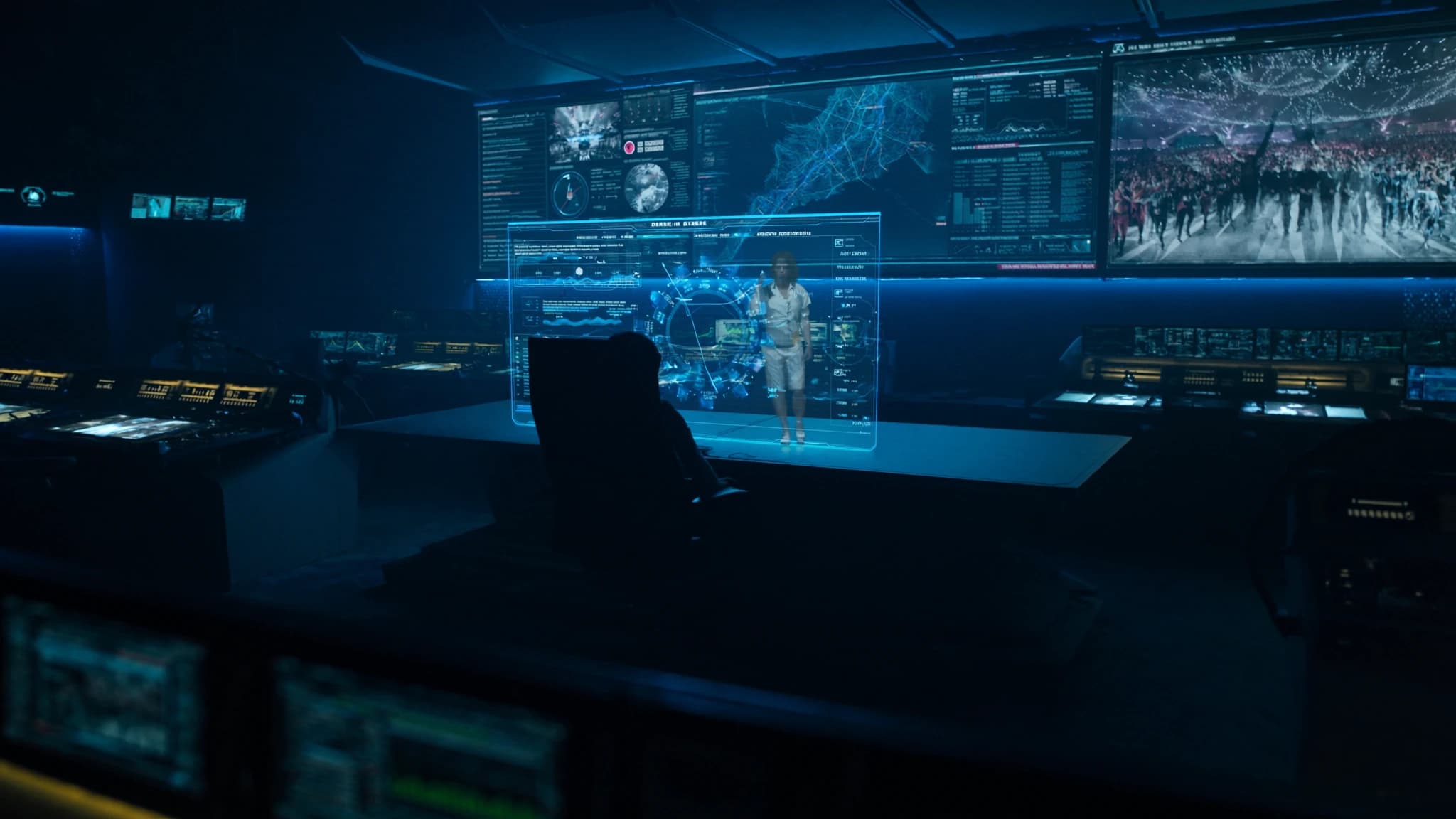
In modernen Live-Produktionen verändert die Konvergenz von KI und Automatisierung die Show-Steuerung von manuellem Betrieb hin zu intelligenten, prädiktiven Systemen. SSOUNDS integriert fortschrittliche Automatisierungsfunktionen in sein PA-Ökosystem und ermöglicht nahtlose Timecode-Synchronisation, Cue-Triggering und Audio-follow-Video-Workflows, die Präzision und Wiederholbarkeit über die Bereiche Audio, Licht und Video hinweg erhöhen.
Wichtigste Punkte
- KI-gesteuerte Show-Automatisierung verbessert Präzision, Wiederholbarkeit und Anpassungsfähigkeit in Live-Produktionen.
- Timecode-Synchronisation ist wesentlich für die Ausrichtung von Audio, Licht und Video; KI kann Drift und Jitter korrigieren.
- Intelligentes Cue-Triggering nutzt bedingte Logik (z. B. Audio-Pegel, Videoinhalt) für nichtlineare Automatisierung.
- Audio-follow-Video (AFV) profitiert von der KI-Analyse von Videoinhalten zur Echtzeitanpassung von Audio-Parametern.
- Einheitliche Steuerung über Disziplinen hinweg erfordert ein robustes Netzwerk und offene Protokolle; SSOUNDS unterstützt OSC, Dante und GPIO.
- Machine Learning kann Geräteausfälle vorhersagen und die Zuverlässigkeit bei Shows mit hohem Einsatz verbessern.
Die Evolution der Show-Steuerung: Vom manuellen zum KI-gesteuerten Betrieb
Traditionelle Show-Steuerung beruhte auf menschlichen Operatoren, die manuell Cues auslösten, Pegel anpassten und Medien synchronisierten, ein Prozess, der anfällig für Timing-Fehler und Ermüdung ist. Mit dem Aufkommen digitaler Konsolen, Medienserver und vernetzter Steuerungsprotokolle (z. B. OSC, MIDI, SMPTE-Timecode) wurde Automatisierung möglich, erforderte jedoch noch umfangreiche Programmierung. Heute führt KI adaptive Intelligenz ein: Systeme können aus vergangenen Shows lernen, optimale Cue-Punkte vorhersagen und sich in Echtzeit basierend auf Sensordaten oder Publikumsfeedback anpassen.
Für Audio bedeutet dies, dass Lautsprecher-Presets, Delay-Zeiten und EQ automatisch pro Szene abgerufen werden können, während KI-Algorithmen die Abdeckung basierend auf der über Mikrofone gemessenen Raumakustik optimieren. Die DSP-Plattform von SSOUNDS unterstützt diese Workflows, indem sie Timecode- und Steuersignale akzeptiert und so eine nahtlose Integration mit Show-Control-Systemen wie QLab, Medialon oder benutzerdefinierten KI-Skripten ermöglicht.
Timecode-Synchronisation: Das Rückgrat automatisierter Shows
Timecode (LTC oder MTC) stellt einen Master-Takt bereit, der Audio, Licht, Video und Effekte ausrichtet. In einem typischen Setup speist ein Timecode-Generator ein Netzwerk, und jedes Subsystem (Audiokonsole, Lichtpult, Medienserver) durchläuft seine Cue-Liste im Gleichschritt. KI verbessert dies, indem sie den Timecode-Stream analysiert, um Drift oder Jitter zu erkennen, und Korrekturalgorithmen anwendet, um eine enge Synchronisation aufrechtzuerhalten, was für immersive Erlebnisse wie 3D-Audio oder Video-Mapping entscheidend ist.
SSOUNDS-Systeme können Timecode über Dante, AES67 oder dedizierte GPIO empfangen, was präzises Auslösen von Lautsprecher-Array-Presets, Subwoofer-Delays oder Monitormischungen ermöglicht. Zum Beispiel kann ein Szenenwechsel in einem Musical automatisch eine andere PA-Konfiguration abrufen (z. B. Frontfill vs. Delay-Türme), ohne dass ein Operator eingreifen muss.
Cue-Triggering: Intelligente Automatisierung jenseits linearer Wiedergabe
Cue-Triggering folgt traditionell einer linearen Zeitachse, aber KI führt bedingte Logik ein: Cues können durch Audio-Pegelschwellen, Videoinhaltsanalyse oder sogar Publikumsgeräusche ausgelöst werden. Zum Beispiel könnte ein Live-Konzert KI verwenden, um Applaus zu erkennen und automatisch einen Saallicht-Fade oder Zugaben auszulösen. Im Theater kann KI Schauspielerpositionen über Kamerafeeds verfolgen und die Mikrofon-Routing oder Delay-Zeiten entsprechend anpassen.
Die Steuerungs-API von SSOUNDS ermöglicht es externen Systemen, Befehle zu senden (z. B. ein Preset abrufen, einen Kanal stummschalten), basierend auf solchen Triggern. Dies ermöglicht komplexe Automatisierung wie Audio-follow-Video: Wenn ein Videoclip abgespielt wird, wird die entsprechende Audiospur an die richtige Lautsprecherzone geroutet, wobei KI die Pegel an den Dynamikbereich des Videos anpasst.
Audio-follow-Video (AFV) und medienübergreifende Automatisierung
AFV ist eine häufige Anforderung bei Corporate Events, Broadcast und Live-Theater, wo Videoinhalte das Audio-Routing steuern. KI hebt AFV auf ein neues Niveau, indem sie Videoinhalte analysiert (z. B. Szenenwechsel, Dialoge oder Musik erkennt) und Audio-Parameter wie EQ, Kompression oder räumliche Positionierung automatisch anpasst. Zum Beispiel kann bei einer Dokumentation mit mehreren Sprechern jede Stimme einer anderen virtuellen Schallquelle zugewiesen werden, wobei KI für konsistente Pegel und Klarheit sorgt.
Die Line-Arrays und Punktquellen-Systeme von SSOUNDS sind für die Zusammenarbeit mit solcher Automatisierung ausgelegt: Ihre DSP-Presets können pro Videoszene abgerufen werden, und die Abdeckung des Systems kann dynamisch an den Fokuspunkt des Videos angepasst werden (z. B. Nahaufnahme vs. Weitwinkel). Diese Integration reduziert manuelles Mischen und gewährleistet ein kohärentes Publikumserlebnis.
Intelligente Automatisierung über Audio, Licht und Video hinweg
Das ultimative Ziel ist eine einheitliche Show-Steuerung, bei der KI alle Disziplinen orchestriert. Zum Beispiel könnte ein Live-Konzert KI haben, die Tempo und Dynamik der Musik analysiert, um Licht-Chases, Videoeffekte und sogar PA-Subwoofer-Muster in Echtzeit auszulösen. SSOUNDS beteiligt sich an diesem Ökosystem durch netzwerkbasierte Steuerung (z. B. OSC, Art-Net, sACN), die es Licht- und Videopulten ermöglicht, Audio-Presets direkt abzurufen.
Machine-Learning-Modelle können auch Geräteausfälle vorhersagen: Durch Überwachung von Verstärkertemperaturen, Lautsprecherimpedanz und Netzwerklatenz kann KI vorbeugende Wartung planen oder Audiosignalwege umleiten, bevor ein Ausfall auftritt. Diese Zuverlässigkeit ist entscheidend für Produktionen mit hohem Einsatz, bei denen Ausfallzeiten inakzeptabel sind.
Praktische Umsetzung mit SSOUNDS-Systemen
Um KI-gesteuerte Show-Automatisierung zu implementieren, beginnen Sie mit einer robusten Netzwerkinfrastruktur (Dante, AES67 oder AVB), die sowohl Audio- als auch Steuerdaten überträgt. SSOUNDS-Verstärker und DSP-Einheiten können so konfiguriert werden, dass sie Timecode- und OSC-Befehle akzeptieren, was die Integration mit gängiger Show-Control-Software ermöglicht. Für fortgeschrittene KI verwenden Sie Middleware wie Max/MSP, Pure Data oder benutzerdefinierte Python-Skripte, die Sensordaten analysieren und Steuersignale senden.
Ein typischer Workflow: 1) Definieren Sie Cues in einer Zeitachse (z. B. QLab). 2) Weisen Sie jedem Cue SSOUNDS-Presets zu (z. B. unterschiedlicher EQ für verschiedene Songs). 3) Verwenden Sie KI, um Probenaufnahmen zu analysieren und Cue-Punkte zu optimieren. 4) Während der Show überwacht KI Abweichungen (z. B. einen verspäteten Einsatz) und passt Timing oder Routing entsprechend an. Das Support-Team von SSOUNDS bietet Unterstützung bei der API-Nutzung und Systemauslegung für solche Projekte.
Häufige Fragen
Welche Timecode-Formate unterstützt SSOUNDS?
SSOUNDS-Systeme akzeptieren LTC (analog), MTC (MIDI) und netzwerkbasierten Timecode über Dante oder AES67. Unser DSP kann so konfiguriert werden, dass er sich mit jedem dieser Formate synchronisiert, was präzises Cue-Triggering ermöglicht.
Kann SSOUNDS mit Lichtpulten für automatisierte Show-Steuerung integriert werden?
Ja, über die Protokolle OSC, Art-Net oder sACN. Lichtpulte können Befehle senden, um SSOUNDS-Presets abzurufen, Pegel anzupassen oder Zonen stummzuschalten, was disziplinübergreifende Automatisierung ermöglicht.
Wie verbessert KI Audio-follow-Video?
KI kann Videoinhalte analysieren (z. B. Szenenwechsel, Dialoge), um EQ, Kompression und räumliche Positionierung automatisch anzupassen und so eine gleichbleibende Audioqualität ohne manuellen Eingriff zu gewährleisten.
Welche Hardware ist für KI-gesteuerte Automatisierung mit SSOUNDS erforderlich?
Sie benötigen einen Netzwerk-Switch, einen Computer mit Show-Control-Software (z. B. QLab) und SSOUNDS-Verstärker/DSP mit Netzwerkkonnektivität. Für KI können zusätzliche Sensoren (Mikrofone, Kameras) und eine Verarbeitungseinheit verwendet werden.
Ist SSOUNDS mit KI-Show-Control-Plattformen von Drittanbietern kompatibel?
Ja, SSOUNDS bietet eine dokumentierte API (OSC, MIDI und seriell), die mit Plattformen wie Max/MSP, Pure Data oder benutzerdefinierten Python-Skripten integriert werden kann. Unser Engineering-Team kann bei der Integration unterstützen.
System aufbauen oder aufrüsten?
SSOUNDS entwickelt und fertigt professionelle PA weltweit, vom einzelnen Raum bis zur Stadiongröße.