AI-Generated Visuals for Live Shows
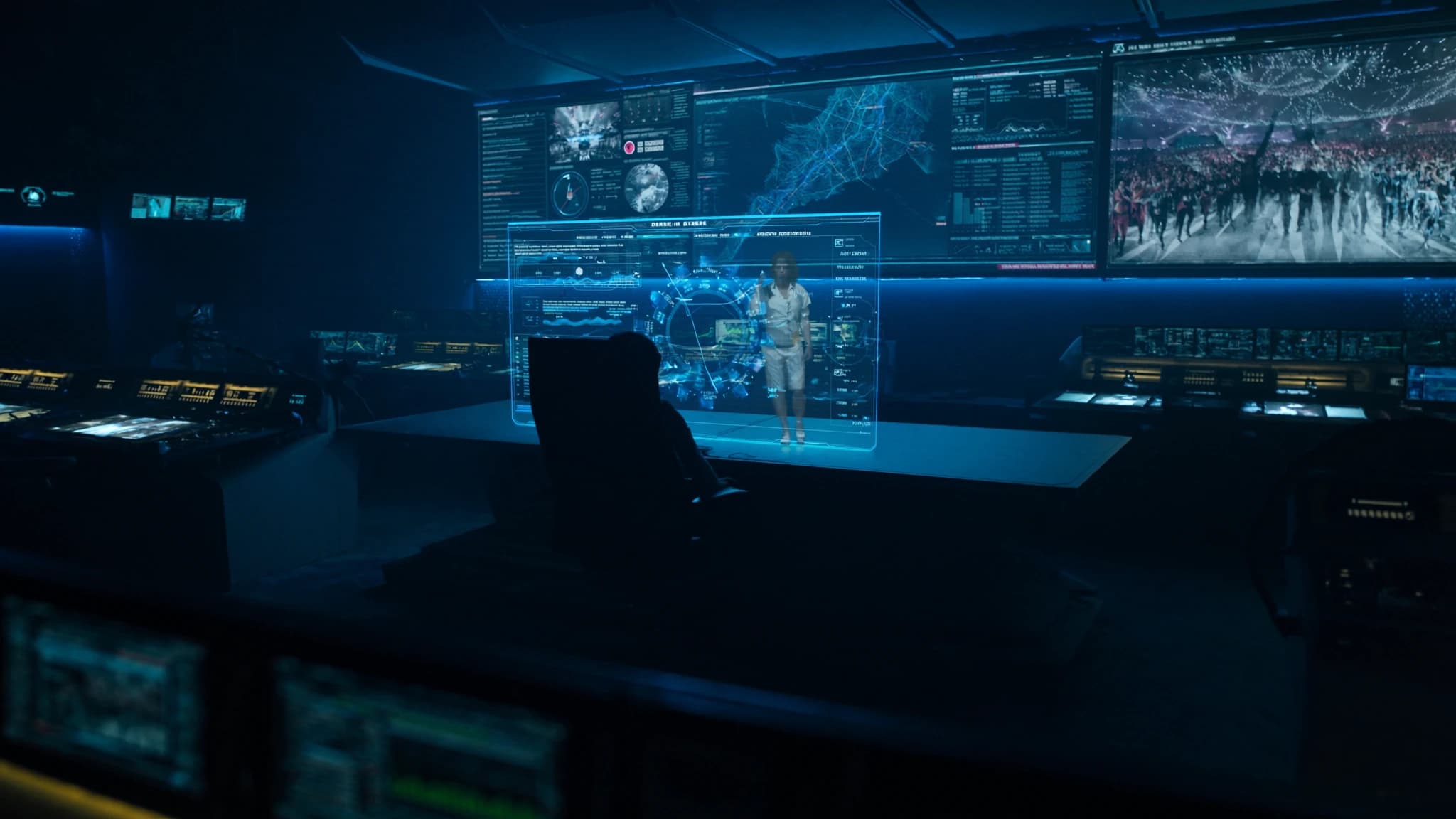
AI-generated visuals are transforming live show production, enabling real-time, scalable, and uniquely creative stage visuals and IMAG content. This guide explores the workflow, quality control, and creative strategies for integrating generative AI into live events, drawing on SSOUNDS' expertise in delivering immersive, high-impact experiences.
Key takeaways
- AI-generated visuals offer real-time, scalable, and personalized content for live shows.
- A robust workflow includes asset generation, real-time compositing, and tight audio synchronization.
- Quality control is critical: curate outputs, test under show conditions, and have backup content.
- AI enables creative personalization at scale, such as city-specific visuals or audio-reactive imagery.
- Ethical use requires attention to copyright and a human-in-the-loop approach.
- Future integration with spatial audio will create deeper immersive experiences.
The Rise of AI in Live Visuals
Generative AI tools like Stable Diffusion, DALL·E, and real-time video synthesis platforms now allow artists and production teams to create bespoke visuals on the fly. Instead of relying solely on pre-rendered content, AI can generate abstract patterns, reactive imagery, and even narrative sequences that adapt to the music or audience energy.
For live shows, this means visuals can be more responsive and personalized, enhancing the connection between performer and crowd. SSOUNDS has observed a growing demand for systems that integrate AI-driven content with precise audio synchronization, reinforcing the need for robust, low-latency networks.
Workflow: From Prompt to Projection
A typical AI visuals workflow starts with a creative brief, defining mood, color palette, and motion style. Artists then use text-to-image or video models to generate base assets, often running multiple iterations to refine outputs. These are then composited in real-time engines like Unreal Engine or Resolume Arena, where they can be triggered, layered, and mapped to LED walls or projection surfaces.
For IMAG (image magnification), AI can upscale live camera feeds or generate stylized overlays that match the show's aesthetic. SSOUNDS recommends integrating AI processing nodes into the media server chain, ensuring minimal latency and synchronization with the audio system via timecode or OSC commands.
Quality Control: Ensuring Cohesion and Reliability
AI-generated visuals can sometimes produce artifacts, inconsistent styles, or unintended content. Quality control involves curating outputs through human review, setting strict prompt parameters, and using negative prompts to avoid unwanted elements. For live use, pre-generating a library of approved assets and using AI for real-time effects (e.g., color grading, motion interpolation) rather than full generation reduces risk.
SSOUNDS emphasizes the importance of testing AI workflows under show conditions, stress-testing rendering pipelines, network bandwidth, and failover systems. Redundant media servers and backup content ensure the show goes on even if AI generation stalls.
Creative Use at Scale: Personalization and Reactivity
One of AI's greatest strengths is personalization. For tours, AI can generate unique visuals for each city, incorporating local landmarks, language, or cultural motifs, creating a bespoke experience for every audience. Real-time AI can also react to audio input, generating visuals that pulse with bass hits or shift with melodic changes.
At scale, this requires a robust infrastructure: high-performance GPUs, low-latency video codecs, and tight integration with the audio console. SSOUNDS' DSP and network solutions provide the precision timing needed to sync AI visuals with line array coverage, ensuring every seat sees and hears the same impact.
Ethical and Practical Considerations
Using AI raises questions about copyright and originality. Artists should ensure they have rights to training data or use licensed models. Additionally, AI should augment, not replace, human creativity; the best shows blend AI-generated elements with traditional VJ work and live camera feeds.
From a technical standpoint, power and cooling for AI servers in touring environments must be planned. SSOUNDS advises working with rental partners who understand the power draw and thermal management of AI hardware, and recommends using networked control to manage multiple AI nodes from a single console.
Future Trends: AI and Immersive Audio-Visual Integration
As AI evolves, we'll see tighter integration with spatial audio and object-based mixing. Imagine visuals that not only react to music but also to the position of sound sources in a 3D space, creating a fully immersive, synesthetic experience. SSOUNDS is exploring how AI can optimize loudspeaker coverage and predict visual content based on acoustic analysis.
For now, early adopters are already pushing boundaries. The key is to start small, test rigorously, and scale with confidence. With the right workflow and quality control, AI-generated visuals can elevate any live show to new creative heights.
Frequently asked
What hardware is needed for AI-generated visuals in live shows?
You'll need high-performance GPUs (e.g., NVIDIA RTX 6000), low-latency video servers, and a robust network. For touring, consider compact AI processing nodes and redundant media servers.
Can AI visuals be synced with audio in real time?
Yes, using timecode, OSC, or audio analysis tools. SSOUNDS' DSP systems can provide precise timing signals to synchronize AI visuals with line array outputs.
How do I avoid copyright issues with AI-generated content?
Use licensed or open-source models, avoid prompts that mimic copyrighted works, and generate original content. Some artists train custom models on their own datasets.
What's the best way to start using AI for live visuals?
Begin with pre-generated assets and simple real-time effects (e.g., color grading). Gradually add reactive elements as you gain confidence in the workflow and reliability.
Is AI going to replace human VJs?
No. AI is a tool that augments human creativity. The best shows combine AI generation with human curation and live mixing for a unique, engaging experience.
Building or upgrading a system?
SSOUNDS engineers and manufactures professional PA worldwide, from a single room to stadium scale.