AI Camera Tracking and Live Broadcast
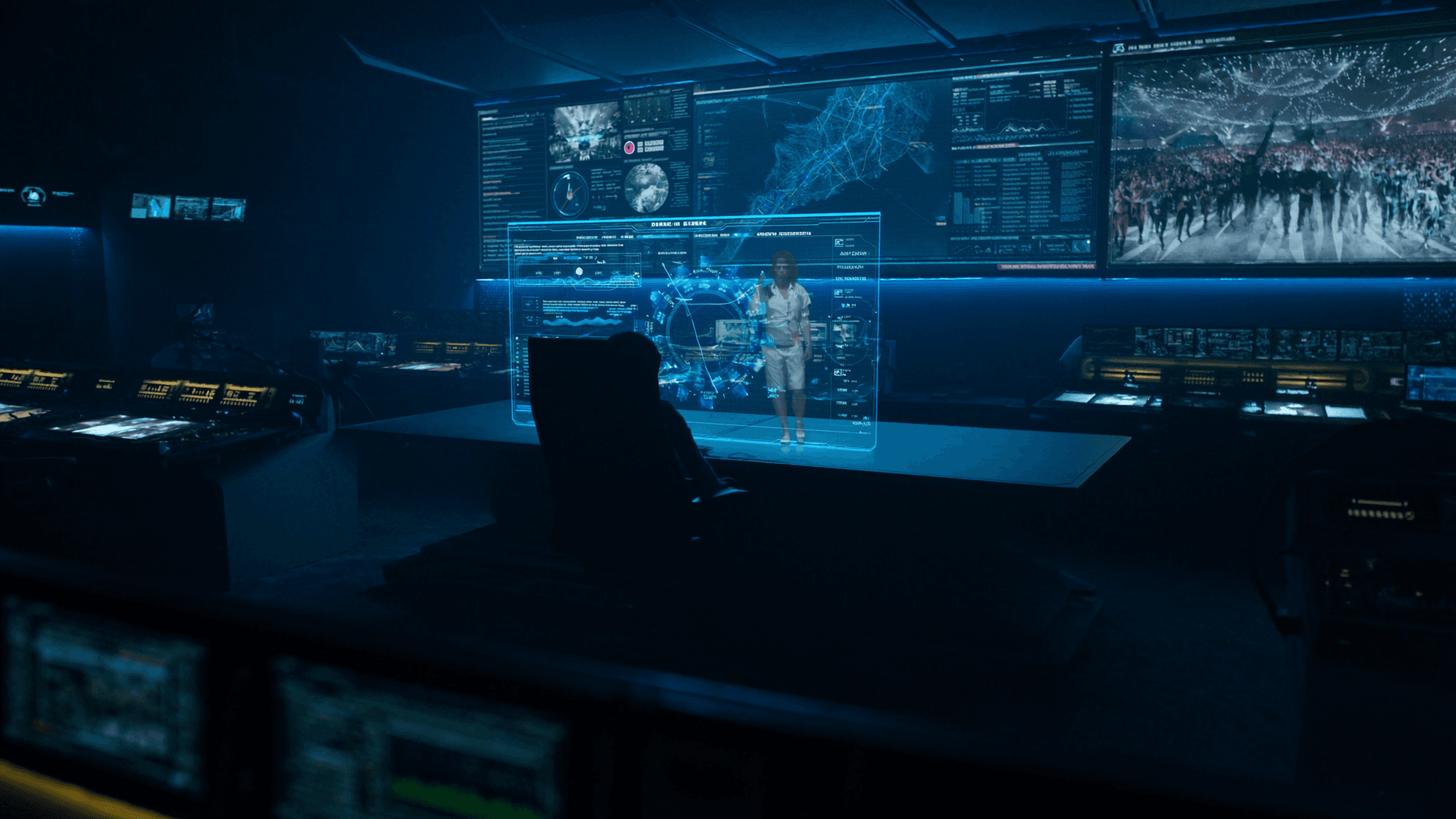
Live broadcast and streaming have traditionally required multiple camera operators, a vision mixer, and a director to produce polished coverage. AI camera tracking and automated switching are changing that, using computer vision, machine learning, and sensor fusion to follow presenters, frame speakers, and cut between angles without human intervention. For houses of worship, corporate events, and educational institutions, this means consistent, professional-quality broadcasts with a fraction of the crew. SSOUNDS integrates these intelligent systems into complete AV solutions, ensuring audio and video work in harmony.
Key takeaways
- AI auto-tracking cameras use facial recognition and depth sensing to follow subjects without an operator.
- Automated switching systems analyse multiple camera feeds to select the best angle in real time.
- Audio-video sync is critical; use delay compensation and dedicated broadcast mixes.
- SSOUNDS integrates AI camera systems with professional audio for seamless streaming and broadcast.
- Proper lighting, background, and calibration are essential for reliable AI tracking.
- Future AI advances will enable predictive tracking and immersive audio-visual experiences.
How AI Auto-Tracking Cameras Work
AI auto-tracking cameras use a combination of facial recognition, body tracking, and depth sensing to lock onto a subject and follow their movement. The camera's onboard processor runs a neural network that identifies the target, often by selecting a face or a region of interest, then controls pan, tilt, and zoom motors to keep the subject framed according to preset composition rules (e.g., headroom, rule of thirds).
Modern systems can track a single presenter on a stage, a lecturer moving around a classroom, or even multiple subjects by switching focus based on activity. Some cameras use infrared or time-of-flight sensors for depth, while others rely purely on video analysis. The result is smooth, natural-looking motion that mimics an experienced camera operator, without the labor cost.
Automated Switching and Multi-Camera Production
Beyond a single tracking camera, AI-driven production systems can manage multiple cameras and switch between them automatically. These systems analyse each camera feed for factors like subject presence, framing quality, and motion, then select the best angle in real time. For example, a wide shot might be used when the presenter is stationary, cutting to a close-up when they gesture or move closer to the audience.
Some platforms also integrate with presentation software, detecting when a slide changes or a video plays, to switch to a screen capture or a dedicated camera. The AI can learn event patterns over time, improving its decisions. This reduces the need for a dedicated vision mixer and allows a single operator (or even no operator) to oversee a multi-camera broadcast.
Key Considerations for Audio-Video Synchronisation
In live broadcast, audio and video must be tightly synchronised, a delay of even a few frames is noticeable. AI tracking systems introduce processing latency for video analysis, which can throw off lip sync if not managed. SSOUNDS recommends using a dedicated audio delay processor or a digital mixer with delay compensation to align the audio stream with the video output.
Additionally, the audio system should be designed with consistent coverage so that the tracked camera's microphone (or a separate lavalier) picks up clean audio without phase issues. For houses of worship and corporate events, SSOUNDS often pairs AI cameras with beamforming microphones or wireless lavaliers, feeding into a DSP that ensures levels and EQ are optimised for broadcast, not just the room.
Integration with SSOUNDS PA and Broadcast Systems
SSOUNDS designs complete AV solutions where loudspeakers, amplifiers, and processing are integrated with video and broadcast equipment. For AI camera tracking, we ensure that the audio feed sent to the streaming encoder is properly gated, compressed, and free of room reflections. Our DSP platforms can route a dedicated mix-minus for broadcast, separate from the house PA, so remote viewers hear a clean, direct signal.
We also work with leading AI camera brands (e.g., PTZOptics, Sony, Panasonic) to verify compatibility and recommend camera placement that avoids acoustic shadowing or feedback. In larger venues, SSOUNDS line arrays provide even coverage, allowing cameras to be placed at optimal angles without compromising sound quality.
Reducing Operator Load Without Sacrificing Quality
The primary benefit of AI auto-tracking and automated switching is reducing the number of operators needed. A typical multi-camera broadcast might require three to five people; with AI, one person can supervise or even let the system run autonomously. This is especially valuable for organisations with limited budgets or volunteer staff.
However, quality depends on proper setup. Lighting must be even to avoid tracking loss; backgrounds should be uncluttered; and the AI must be trained on the specific environment. SSOUNDS provides pre-event calibration and testing to ensure the system performs reliably. We also recommend fallback manual override for critical moments, such as a guest speaker who may not be in the tracking database.
Future Trends: AI and Immersive Broadcast
As AI evolves, we expect cameras to not only track but also predict movement, anticipating where a presenter will step next and framing accordingly. Multi-sensor fusion (combining video, audio, and even LiDAR) will improve tracking in challenging conditions like low light or fast motion. Additionally, AI will enable virtual camera movements, creating smooth zooms and pans that are impossible with physical hardware.
For broadcast, this means more dynamic, cinematic productions with fewer resources. SSOUNDS is actively researching how these technologies integrate with immersive audio formats like Dolby Atmos and object-based sound, so the listener's experience is as engaging as the viewer's.
Frequently asked
Do I still need a human operator with AI tracking cameras?
For many events, AI can run autonomously, but we recommend having a supervisor for critical moments or to override if tracking fails. The operator count drops from several to one.
Can AI tracking cameras work in low light?
Most require adequate lighting. Infrared-assisted models work in very low light but may lose colour accuracy. SSOUNDS advises testing in your venue's typical conditions.
How do I sync audio from my PA system with the video?
Use a DSP or digital mixer to add a delay to the audio feed that matches the camera's processing latency. SSOUNDS can help measure and configure this.
Will AI switching work with my existing cameras?
Many AI switching platforms support common PTZ and fixed cameras via NDI, SDI, or HDMI. Check compatibility with your model. SSOUNDS can recommend upgrades if needed.
What happens if the AI loses track of the subject?
Most systems have a re-acquisition mode or can switch to a wide shot. We configure fallback presets to ensure smooth recovery.
Building or upgrading a system?
SSOUNDS engineers and manufactures professional PA worldwide, from a single room to stadium scale.