AI in LED Video and Real-Time Content
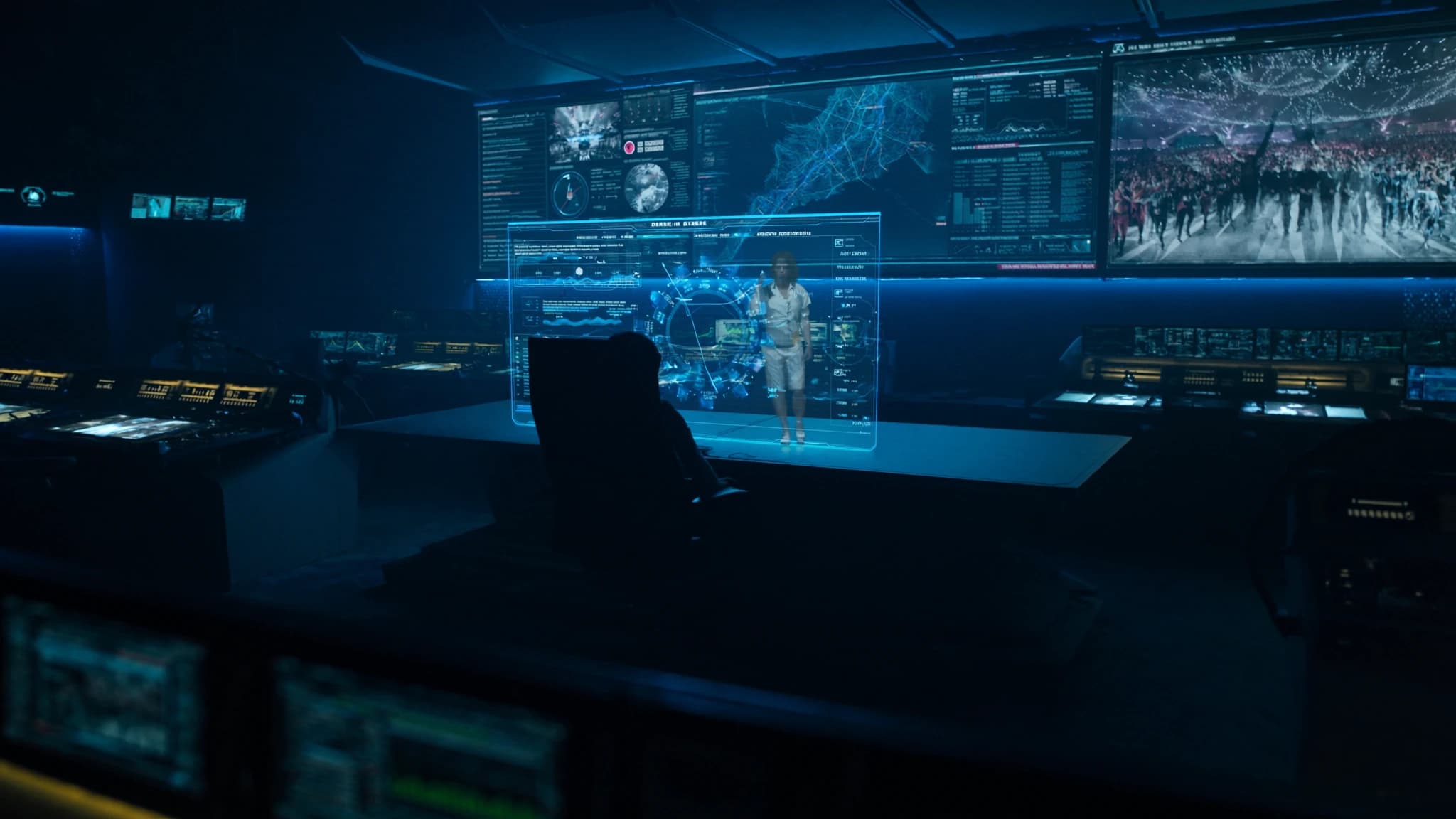
AI is transforming LED video walls from static displays into dynamic, intelligent canvases. By enabling real-time generative visuals, audio-reactive graphics, and AI upscaling, content creators can now deliver immersive experiences that adapt to audiences and environments. SSOUNDS, as a leader in professional audio-visual integration, explores how these technologies elevate live events and installations.
Key takeaways
- AI enables real-time generative visuals that adapt to inputs like audio and crowd data, making LED walls dynamic.
- Audio-reactive graphics use machine learning to map sound characteristics to visual effects for immersive experiences.
- AI upscaling improves low-resolution content for large LED walls, preserving detail and reducing artifacts.
- Low-latency processing and hardware synchronization are critical for seamless integration with audio systems.
- SSOUNDS expertise in audio-visual sync ensures AI-driven content performs reliably in live events and installations.
- Applications range from concerts and festivals to corporate events, reducing reliance on pre-produced content.
Real-Time Generative Visuals
AI-powered tools like Stable Diffusion and GANs now generate high-resolution visuals on the fly, responding to inputs such as crowd movement, weather, or social media feeds. For LED walls, this means endless, unique content without pre-rendering. Systems like NVIDIA's Omniverse integrate with LED processors to render 3D scenes in real time, while AI optimizes frame rates and resolution to match pixel pitches.
SSOUNDS engineers work with partners to deploy AI-driven media servers that sync generative content with audio systems, ensuring visual and sonic elements react cohesively. This is particularly powerful in concert settings where LED walls become part of the performance, morphing with music.
Audio-Reactive Graphics
AI algorithms can analyze audio signals in real time, extracting tempo, frequency, and amplitude, to drive visual effects on LED walls. This goes beyond simple beat detection; machine learning models classify sound types (vocals, drums, bass) and map them to specific visual layers, creating a truly synchronized experience.
For SSOUNDS, this synergy is natural. Our loudspeaker systems deliver precise audio that AI can analyze with low latency, enabling LED walls to pulse, ripple, or explode in color with every note. This is ideal for nightclubs, festivals, and houses of worship where immersion is key.
AI Upscaling for Big Screens
LED walls often require content at native resolution (e.g., 4K or 8K), but source material may be lower. AI upscaling uses deep learning to add detail, reduce artifacts, and enhance sharpness in real time. Tools like Topaz Video AI or NVIDIA's DLSS can upscale 1080p to 4K with minimal latency, crucial for live events.
SSOUNDS recommends pairing AI upscalers with high-quality LED processors to maintain color accuracy and frame integrity. This ensures that even legacy content looks pristine on large-format displays, extending the usability of existing media libraries.
Workflow Integration and Hardware
Implementing AI-driven content requires a robust pipeline: capture inputs (audio, sensors, data), process via AI models (on GPU servers or edge devices), and output to LED controllers. Low latency is critical, under 50ms for interactive installations. SSOUNDS collaborates with media server brands like Disguise and Pixera to optimize this chain.
Hardware choices matter: NVIDIA RTX GPUs for rendering, dedicated AI accelerators (e.g., Intel Movidius), and LED processors with high bandwidth (like Brompton or Novastar). SSOUNDS ensures that audio and video systems are clock-synced, preventing drift between sound and visuals.
Applications in Live Events and Installations
Concerts: AI generates visuals that react to musicians' playing, creating a unique show each night. Festivals: Large LED walls display generative art driven by crowd noise or social media hashtags. Corporate events: Real-time data visualization (e.g., stock tickers, audience polls) rendered dynamically.
SSOUNDS has deployed such systems in touring productions and permanent installations, where AI content reduces the need for pre-produced video files and allows rapid adaptation to venue acoustics or lighting conditions.
Challenges and Considerations
Latency remains the biggest hurdle. AI processing can introduce delays that break sync with audio. Solutions include optimizing models for inference speed and using hardware acceleration. Content quality also varies; AI-generated visuals may lack consistency, requiring human oversight.
SSOUNDS advises rigorous testing with the actual LED wall and audio system to ensure timing and visual fidelity. Redundancy in processing (dual GPUs) prevents crashes during live shows. Additionally, licensing of AI models and training data should be verified for commercial use.
Frequently asked
What hardware is needed for AI-driven LED content?
A GPU server (e.g., NVIDIA RTX) for AI processing, a media server (like Disguise or Pixera), and an LED processor (Brompton or Novastar). SSOUNDS recommends syncing audio and video clocks to prevent drift.
Can AI upscaling work in real time for live events?
Yes, with dedicated hardware like NVIDIA DLSS or Topaz Video AI, upscaling from 1080p to 4K is possible with under 50ms latency, suitable for live performances.
How does audio-reactive content stay in sync?
AI analyzes audio in real time using low-latency algorithms, and the visual output is timed to the audio sample clock. SSOUNDS systems provide precise audio timing for accurate sync.
Is AI-generated content reliable for professional shows?
Yes, but it requires testing and human oversight. AI models can produce unexpected results, so having a backup media server with pre-rendered content is recommended.
What are the benefits of AI over traditional content creation?
AI reduces production time, allows real-time adaptation to audience or environment, and creates unique experiences that are impossible to pre-render.
Building or upgrading a system?
SSOUNDS engineers and manufactures professional PA worldwide, from a single room to stadium scale.