AI Music Production and Live Performance
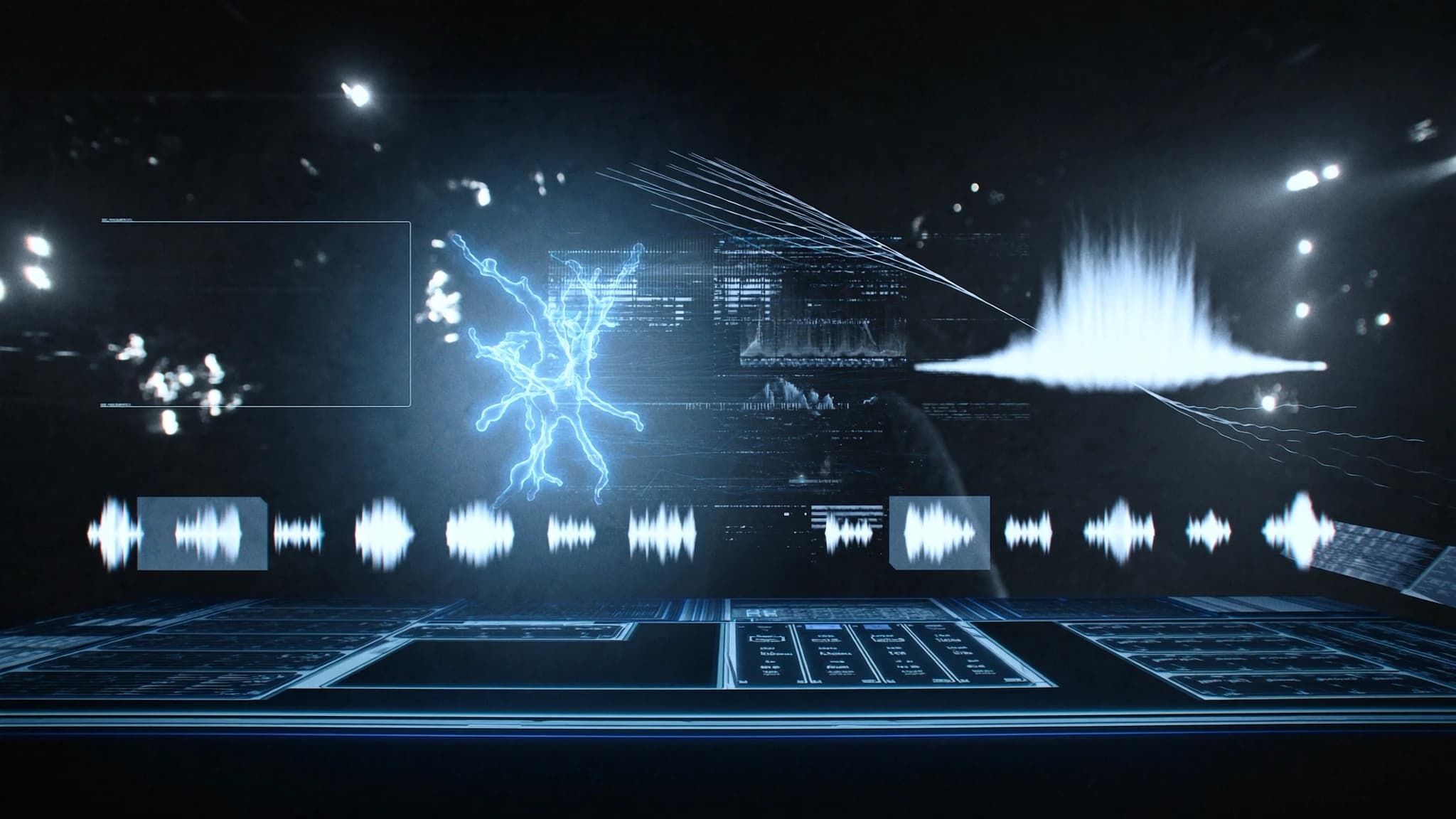
Artificial intelligence is reshaping music creation and live performance, from generative composition to real-time sound manipulation. As a professional loudspeaker manufacturer, SSOUNDS explores how AI tools are empowering artists while sparking debate about creativity and control.
Key takeaways
- AI tools can generate music, assist arrangement, and enable real-time effects in live performance.
- AI-driven DSP optimizes loudspeaker performance, reducing manual tuning and improving consistency.
- The artist-vs-tool debate hinges on intent: AI as collaborator vs. crutch.
- Hybrid workflows. AI handling repetitive tasks, humans directing, yield best results.
- AI in live sound can automate mixing, feedback detection, and coverage optimization.
- Future AI systems will learn engineer preferences, becoming adaptive creative partners.
AI in Music Creation: From Generation to Arrangement
AI music generation tools like OpenAI's Jukebox, Google's Magenta, and Amper Music can produce melodies, harmonies, and even full arrangements based on user prompts or style references. These systems use machine learning models trained on vast datasets of existing music to generate novel compositions. For producers, this means rapid ideation, generating chord progressions, drum patterns, or basslines in seconds, and overcoming creative blocks.
Beyond generation, AI assists in arrangement: tools can analyze a track's structure and suggest transitions, build-ups, or drops. Some platforms offer stem separation, allowing producers to isolate vocals, drums, or instruments for remixing or live manipulation. SSOUNDS engineers note that AI's ability to predict listener engagement patterns can also guide dynamic mixing decisions, though human taste remains irreplaceable.
Real-Time AI in Live Performance
On stage, AI enables real-time audio manipulation: pitch correction, harmonization, and even improvisational accompaniment. Systems like Antares Auto-Tune or iZotope's VocalSynth can process vocals live, while AI-driven plugins like Output's Portal apply granular effects triggered by performance parameters. Some artists use AI to generate visuals synced to audio, creating immersive experiences.
For sound reinforcement, AI-powered DSP can optimize loudspeaker performance in real time, adjusting EQ, delay, and limiting based on room acoustics or crowd noise. SSOUNDS integrates machine learning into its amplifier presets to predict and correct thermal and power compression, ensuring consistent sound quality throughout a show. This technology reduces the need for manual tuning, letting engineers focus on creative mixing.
The Artist-vs-Tool Debate: Creativity or Crutch?
Critics argue that AI tools risk homogenizing music, as models trained on existing hits may produce formulaic results. Some fear that AI-generated music devalues human artistry, especially when used to replace session musicians or songwriters. Conversely, proponents see AI as a collaborator, a tool that expands creative possibilities, much like synthesizers or samplers did in previous eras.
The debate often centers on intent: using AI to spark ideas versus relying on it to complete a work. Many artists use AI for experimentation, then refine outputs with human intuition. SSOUNDS believes the best approach is hybrid: let AI handle repetitive or technical tasks (e.g., generating variations, tuning systems) while humans retain artistic direction. The loudspeaker industry itself has long used simulation software to model coverage. AI is simply a smarter version of that.
Practical Applications for Live Sound Engineers
For FOH engineers, AI tools can automate mixing tasks: auto-mixing multiple microphones, detecting feedback frequencies, or suggesting EQ adjustments. Some digital consoles now include AI assistants that learn engineer preferences over time. In monitoring, AI can predict and prevent feedback by analyzing stage mic positions and speaker placement.
SSOUNDS recommends engineers embrace AI as a time-saver, not a replacement for ears. For example, AI can generate a baseline mix from a soundcheck recording, which the engineer then tweaks. In large venues, AI-driven line array optimization, like SSOUNDS' own predictive modeling, ensures even coverage without manual measurement. The key is understanding the tool's limitations: AI lacks context for artistic intent or audience mood.
The Future: AI as a Creative Partner
As AI models improve, we'll see more seamless integration: real-time style transfer (e.g., making a guitar sound like a synth), adaptive backing tracks that respond to a soloist's phrasing, and intelligent loudspeaker systems that self-tune to any space. The line between tool and collaborator will blur. However, the human element, emotion, spontaneity, imperfection, will remain central to live performance.
SSOUNDS is developing AI-assisted system tuning that learns from engineer adjustments across multiple shows, creating personalized presets. This doesn't replace the engineer but amplifies their expertise. In the end, AI is a powerful instrument; how it's played defines the music.
Frequently asked
Can AI replace human musicians in live performance?
Not entirely. AI can generate parts or effects, but live performance relies on human expression, spontaneity, and connection with the audience. AI is best used as a tool to enhance, not replace, human creativity.
How does AI improve loudspeaker performance?
AI can predict thermal and power compression, adjust EQ and delay in real time, and optimize coverage based on room acoustics. This ensures consistent sound quality without constant manual intervention.
Is AI-generated music copyrightable?
Laws vary. In many jurisdictions, works created solely by AI may not qualify for copyright. However, if a human contributes significant creative input, the resulting work may be protected. Always consult a legal expert.
What AI tools are commonly used in live sound?
Examples include auto-mixing plugins, feedback suppression algorithms, and DSP with machine learning. Some digital consoles offer AI assistants for EQ and dynamics. SSOUNDS integrates AI in its amplifier presets for adaptive tuning.
Will AI make live sound engineers obsolete?
No. AI automates technical tasks but cannot replicate the engineer's artistic judgment, problem-solving, or ability to respond to unique performance moments. Engineers who leverage AI will become more efficient and creative.
Building or upgrading a system?
SSOUNDS engineers and manufactures professional PA worldwide, from a single room to stadium scale.