AI Scheduling and Crew Management for Shows
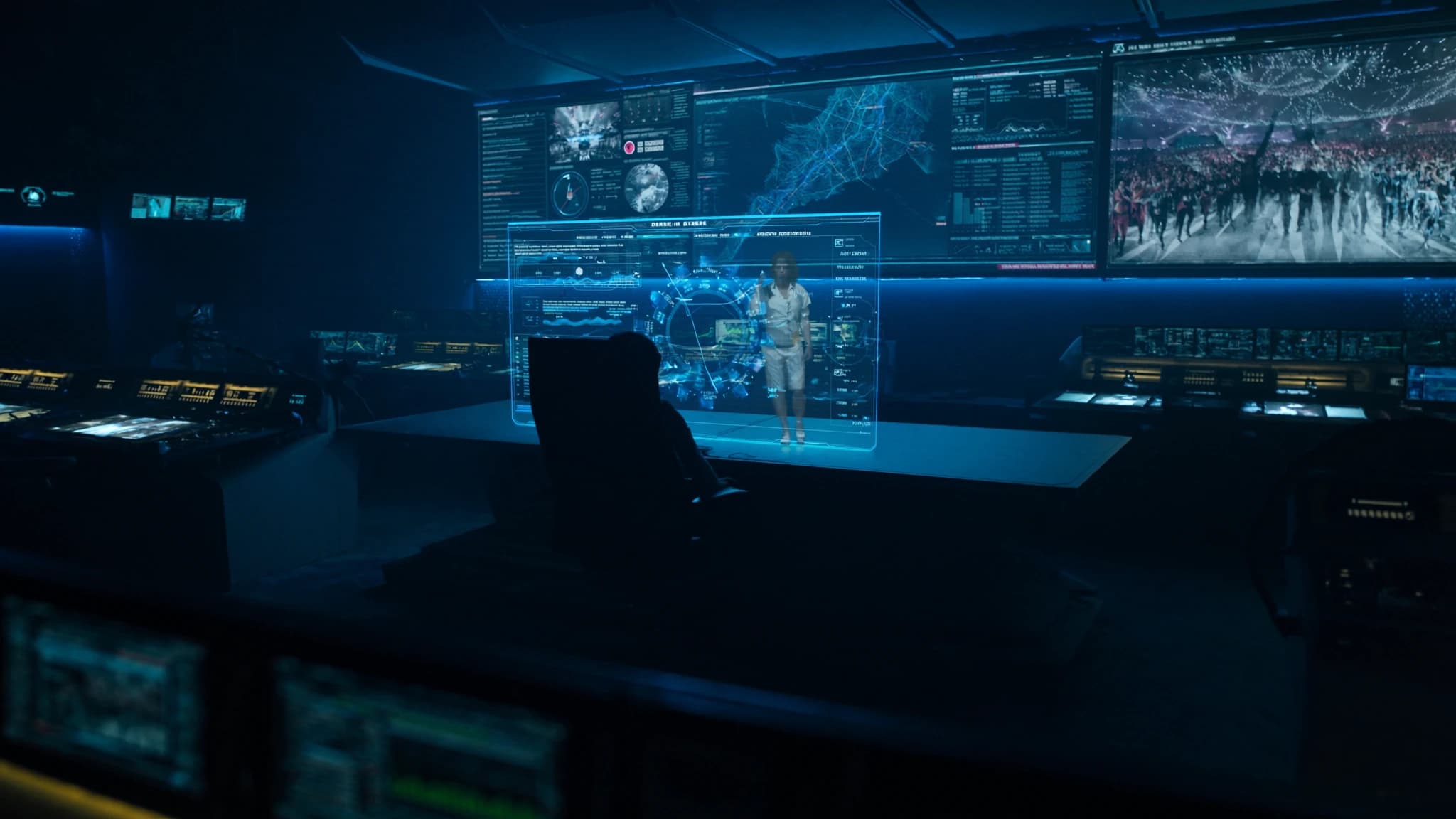
Managing crew schedules for live events is a logistical puzzle: balancing skill requirements, shift limits, and budget constraints while avoiding fatigue and understaffing. AI scheduling and crew management systems now solve this in real time, optimising rosters, call times, and skill matching with precision that manual planning cannot match. SSOUNDS integrates AI-driven tools into its workflow to help production teams run leaner, safer, and more cost-effective shows.
Key takeaways
- AI scheduling optimises crew rosters by balancing skills, availability, cost, and rest requirements, reducing manual effort and errors.
- Skill matching ensures the right person is assigned to each task, improving quality and safety while cross-training the workforce.
- Fatigue reduction is a key benefit: AI enforces rest periods and flags burnout risks, lowering accident rates.
- Cost savings of 10–15% on labour are typical through reduced overstaffing, overtime, and administrative overhead.
- Integration with existing tools (payroll, HR, calendars) is straightforward via APIs, and pilot programs help validate ROI before full rollout.
- AI crew management is becoming a standard tool for professional touring and festival production, alongside advanced PA systems like SSOUNDS.
The Complexity of Live Event Crew Scheduling
Live events involve dozens to hundreds of crew members across departments, audio, lighting, video, rigging, stagehands, and more. Each role requires specific skills, certifications, and experience levels. Call times vary by load-in, rehearsals, show, and strike, often spanning multiple days with irregular hours. Manual scheduling leads to inefficiencies: overstaffing drives up costs, understaffing risks safety and quality, and poor shift planning causes fatigue, which is a leading contributor to accidents.
Traditional scheduling relies on spreadsheets and tribal knowledge, which cannot optimise across all variables simultaneously. AI scheduling engines, by contrast, process thousands of constraints, skill matrices, availability, overtime rules, rest periods, and individual preferences, to produce optimal rosters in minutes.
How AI Optimises Crew Rosters and Call Times
AI scheduling engines use constraint satisfaction algorithms and machine learning to assign crew members to shifts. The system ingests data: each crew member’s skills (e.g., FOH engineer, RF tech, rigger), certifications (e.g., OSHA, aerial lift), availability, preferred hours, and past performance ratings. It then generates a roster that minimises total labour cost while ensuring every required role is filled by a qualified person.
Call times are optimised to reduce idle time. For example, instead of calling the entire audio crew at 6 AM for a noon soundcheck, AI staggers arrivals: rigging and PA crew arrive first, then system engineers, then monitor engineers closer to show time. This reduces paid standby hours and keeps crew fresh. The system also enforces mandatory rest breaks between shifts and across consecutive days, directly addressing fatigue.
Skill Matching: The Right Person for Every Task
One of AI’s strongest capabilities is skill matching. In a typical production, a task like ‘tune line array’ requires a certified system engineer, while ‘run cable’ may only need a general stagehand. AI cross-references each task’s skill requirements with the crew database, automatically assigning the most qualified available person. It can also factor in experience level, pairing junior crew with senior mentors for complex tasks.
For multi-day festivals, AI can rotate crew across roles to prevent monotony and cross-train staff. It tracks who has already worked a particular role and can suggest reassignments to build a more versatile team over time. This reduces reliance on specialised freelancers and lowers overall hiring costs.
Reducing Fatigue and Improving Safety
Fatigue is a critical safety risk in live events, where heavy lifting, heights, and loud environments demand alertness. AI scheduling enforces maximum consecutive work hours, minimum rest periods, and limits on night shifts. It can flag patterns that indicate burnout, e.g., a crew member scheduled for five 14-hour days in a row, and automatically suggest adjustments.
Some systems integrate with wearable devices or time-tracking apps to monitor actual hours worked versus scheduled. If a crew member exceeds safe limits, the AI can trigger an alert and reassign tasks. This proactive approach reduces accident risk and helps production companies comply with labour regulations, which vary by region (e.g., EU Working Time Directive, US OSHA guidelines).
Cost Savings Through Optimisation
AI scheduling directly reduces labour costs by eliminating overstaffing and minimising overtime. A typical festival might save 10–15% on crew wages by optimising shift patterns and reducing idle time. For a tour with 50 crew over 60 dates, that translates to tens of thousands of dollars saved per tour.
Additionally, AI reduces administrative overhead. Instead of a production manager spending hours on scheduling, the system generates a draft roster that can be reviewed and adjusted in minutes. Real-time updates, like a crew member calling in sick, are handled instantly: the AI finds a replacement with the right skills and availability, notifying both the manager and the replacement automatically.
Implementation and Integration with Production Workflows
Adopting AI crew management requires integrating with existing tools: payroll systems, HR databases, and project management platforms. Most AI scheduling solutions offer APIs that sync with common software like Google Calendar, Slack, or specialised event management platforms. Data privacy is a concern, crew members must consent to having their skills and availability tracked, but clear policies and opt-in mechanisms address this.
For production companies, the initial setup involves digitising crew profiles and defining all roles and skill requirements. Once in place, the system learns from historical data, improving its recommendations over time. SSOUNDS recommends starting with a pilot on a single tour or festival, then scaling to full deployment after validating the ROI.
Frequently asked
How does AI handle last-minute schedule changes, like a crew member calling in sick?
AI systems automatically search for a replacement with matching skills and availability, notify the manager, and update the roster in real time. If no replacement is found, it can suggest reassigning tasks or adjusting call times to cover the gap.
Does AI scheduling work for small crews (e.g., 10 people) or only large festivals?
AI scheduling scales from small crews to thousands. For small teams, it still optimises call times and skill matching, reducing manual coordination. The ROI may be lower, but the time saved on scheduling is still valuable.
What data does the AI need to start scheduling?
Basic data includes crew member names, skills/certifications, availability (days/times), and pay rates. Optional data includes past performance ratings, preferred roles, and shift preferences. The more data, the better the optimisation.
How does AI handle union rules or local labour laws?
AI scheduling systems can be configured with custom rules, including union contract requirements (e.g., minimum shift lengths, break times, overtime multipliers) and local labour laws. The system enforces these constraints automatically.
Is AI crew management expensive to implement?
Costs vary by provider and scale, but many offer subscription models based on crew size or events. The savings from reduced labour and admin costs typically pay for the system within a few shows. SSOUNDS can recommend partners for integration.
Building or upgrading a system?
SSOUNDS engineers and manufactures professional PA worldwide, from a single room to stadium scale.