Can AI Take Over Event Production?
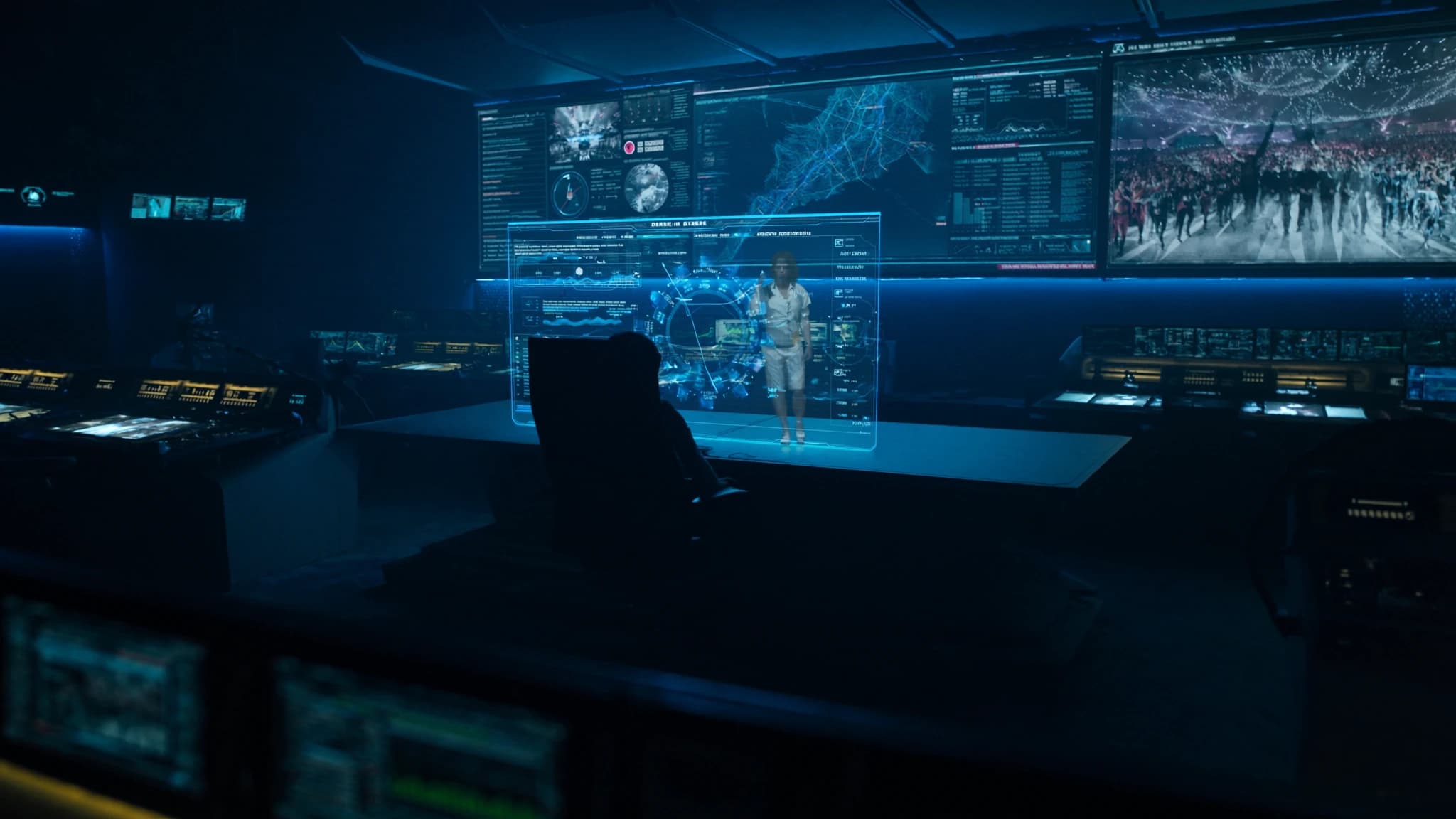
Artificial intelligence is rapidly transforming event production, from automated scheduling to real-time sound optimization. But can it truly replace the human expertise that defines a live experience? In 2026, AI excels at data-driven tasks but still falls short in creative vision, on-the-fly problem-solving, and emotional connection, here’s where the line stands.
Key takeaways
- AI excels at data-heavy tasks like planning, prediction, and real-time monitoring, reducing manual workload.
- Creative direction, on-the-fly problem-solving, and emotional connection remain irreplaceably human.
- In 2026, AI is a collaborative tool that enhances efficiency but does not replace the need for skilled professionals.
- Audio systems like SSOUNDS integrate AI for self-tuning and coverage prediction, but final tuning relies on human expertise.
- Event professionals should upskill in AI tools while strengthening creativity and interpersonal skills.
- The future of event production is a partnership between AI and human judgement, not a takeover.
What AI Automates Well: Planning and Prediction
AI-driven tools now handle much of the heavy lifting in event logistics. Machine learning algorithms analyze historical data to predict attendance, optimize seating layouts, and schedule crew shifts with minimal conflict. For audio, AI can model room acoustics and predict coverage patterns, helping engineers pre-configure PA systems like SSOUNDS line arrays for consistent sound before a single cable is run.
Budget forecasting and risk assessment are also AI strengths. By crunching past expense reports and real-time market data, AI can flag potential cost overruns or supply chain delays. This allows production teams to focus on creative decisions rather than spreadsheet fatigue.
Real-Time Monitoring and Adaptive Control
During an event, AI excels at monitoring system health and environmental conditions. Smart sensors can track temperature, humidity, and power draw, alerting engineers to potential failures before they happen. In audio, AI-powered DSP can automatically adjust EQ and delay to compensate for changing crowd density or temperature shifts, maintaining clarity without human intervention.
SSOUNDS engineers have integrated machine learning into loudspeaker presets, allowing systems to self-tune based on real-time feedback. This reduces the workload on FOH engineers, especially during long festivals or multi-act shows where conditions change rapidly.
Content Generation and Personalization
AI can generate real-time visuals, lighting cues synced to music, and even personalized audio feeds for attendees via mobile apps. For hybrid events, AI-powered cameras can track speakers automatically, while language translation and captioning are now near-instant. These tools enhance accessibility and engagement without requiring a dedicated operator for every task.
However, creative direction still belongs to humans. AI-generated content often lacks the emotional nuance and intentional storytelling that a skilled designer brings. A lighting director’s gut feeling to shift a cue during a poignant moment cannot be replicated by an algorithm trained on averages.
Where Human Judgement Is Irreplaceable
No AI can match a seasoned production manager’s ability to read a room, mediate a last-minute artist request, or decide to delay a set due to weather. On-site decision-making requires empathy, intuition, and ethical reasoning, qualities that remain uniquely human. For example, when a performer’s monitor mix is off, an engineer’s quick ear and rapport with the artist solve the problem faster than any AI can.
Creative vision, choosing the right lighting color for a mood, selecting a subwoofer array for a specific genre, or designing a stage layout that feels intimate, is driven by experience and artistry. AI can suggest options based on data, but the final call is human.
The 2026 Landscape: Collaboration, Not Replacement
In 2026, the most successful event productions use AI as a powerful assistant, not a replacement. AI handles repetitive, data-intensive tasks, freeing humans to focus on creativity, safety, and connection. For instance, SSOUNDS engineers use AI to simulate coverage before a show, but the system is tuned by ear during soundcheck to match the room’s unique character.
The line is clear: AI automates the predictable; humans own the unpredictable. As AI improves, it will take on more monitoring and optimization, but the core of event production, live, shared experiences, will always need human presence and passion.
Preparing for an AI-Assisted Future
Event professionals should embrace AI tools to enhance their workflow. Learning to interpret AI-generated data, program automation, and collaborate with smart systems will be key skills. But equally important is doubling down on human strengths: creativity, communication, and adaptability. The best teams will be those that blend AI efficiency with human artistry.
For manufacturers like SSOUNDS, the focus is on building systems that empower engineers, not replace them. AI-driven loudspeakers and amplifiers are designed to reduce setup time and improve consistency, but they still rely on human ears for the final polish.
Frequently asked
Can AI completely run a live event without human oversight?
Not in 2026. AI can automate many tasks, but live events require real-time human decisions for safety, creativity, and unexpected changes. Full autonomy is unlikely in the foreseeable future.
How does AI improve sound quality at events?
AI can analyze room acoustics and crowd noise to automatically adjust EQ, delay, and volume levels. Systems like SSOUNDS use machine learning to optimize coverage and reduce feedback, but engineers still make final adjustments.
Will AI replace audio engineers?
No. AI will change their role. Engineers will focus more on creative mixing and less on repetitive tasks. AI handles monitoring and presets, but the artistic ear remains human.
What are the risks of relying too much on AI in event production?
Over-reliance can lead to lack of flexibility when AI encounters novel situations. Technical failures or data errors can cascade without human intervention. A balanced approach is essential.
How can event professionals prepare for AI integration?
Learn to use AI tools for scheduling, audio optimization, and data analysis. Stay current with industry trends, and continue developing soft skills like communication and creativity that AI cannot replicate.
Building or upgrading a system?
SSOUNDS engineers and manufactures professional PA worldwide, from a single room to stadium scale.