AI vs Human Creativity in Live Production
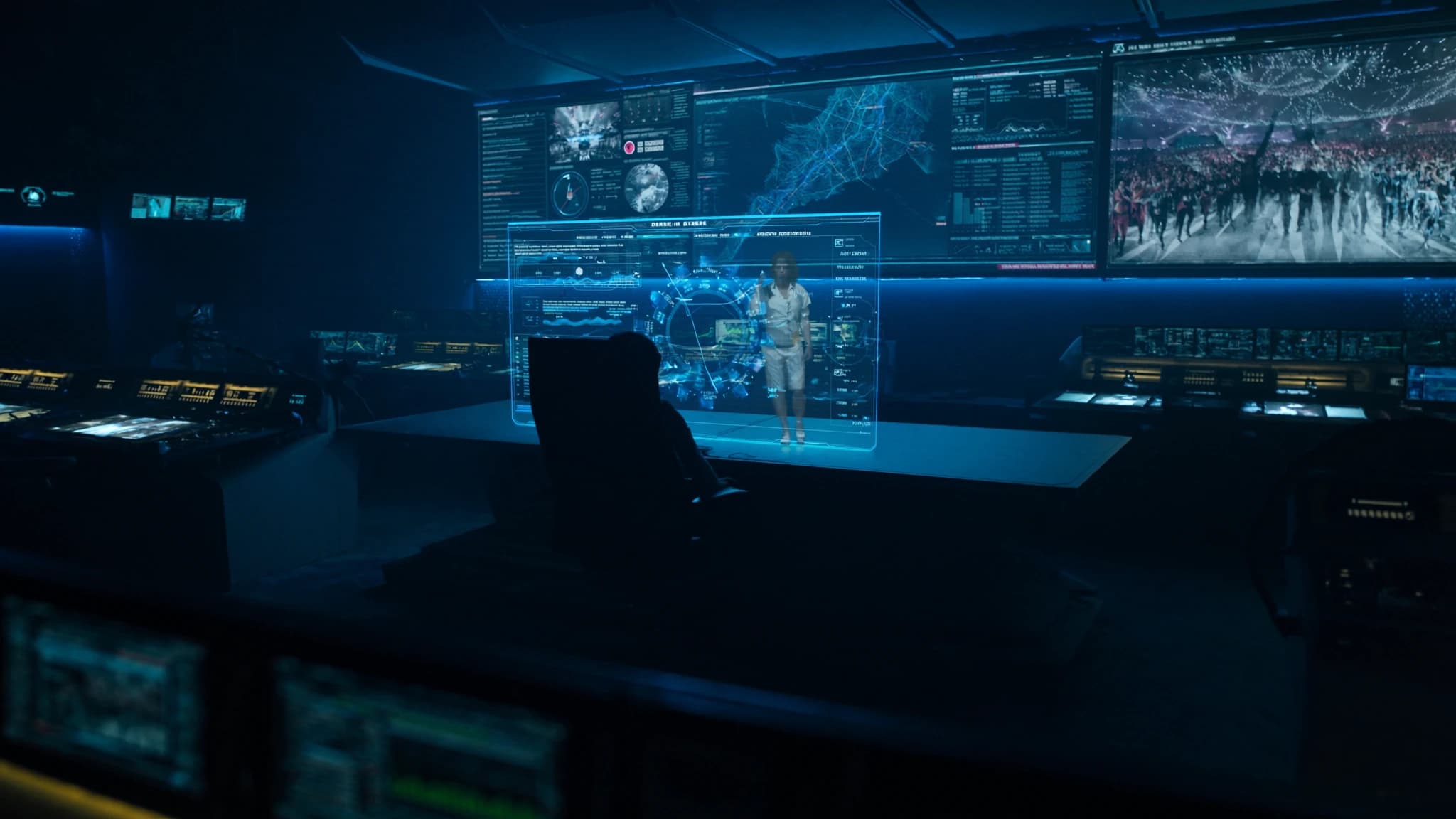
In live production, AI is transforming how we design, tune, and predict sound, but it can't replace the human instinct for risk, emotion, and taste. SSOUNDS engineers use AI to accelerate technical workflows, while trusting human creativity for the artistic decisions that make every show unforgettable.
Key takeaways
- AI accelerates technical workflows like system modeling, tuning, and feedback prediction, freeing engineers for creative decisions.
- Human taste, risk-taking, and emotional intuition remain irreplaceable in live production.
- The best approach is a hybrid workflow: AI handles data, humans handle artistry.
- SSOUNDS integrates AI into its design tools while maintaining human-centered engineering.
- Engineers should learn fundamentals to critically evaluate AI outputs, not blindly trust them.
- The future of live sound is AI as a creative partner, not a replacement.
The Rise of AI in Live Sound Engineering
Artificial intelligence is no longer a futuristic concept in live production, it's already here, embedded in tools like AI-assisted acoustic modeling, automated system tuning, and real-time coverage prediction. For a manufacturer like SSOUNDS, AI helps optimize line array configurations, predict SPL distribution across complex venues, and fine-tune DSP presets with machine learning. This speeds up the technical side, allowing engineers to focus on the creative vision.
AI excels at repetitive, data-intensive tasks: calculating delay times, equalizing for feedback, or simulating hundreds of rigging scenarios. It can process thousands of variables in seconds, something no human can match. But the question remains: where does AI stop and human artistry begin?
Where AI Accelerates Creativity
AI's greatest gift to live production is freeing up mental bandwidth. Instead of spending hours on manual calculations, engineers can use AI-driven tools to get a 90% solution instantly, then apply their expertise to refine the last 10%. SSOUNDS integrates AI into its design software, enabling rapid modeling of loudspeaker coverage for irregular venues, from open-air festivals to reverberant cathedrals.
AI also enhances consistency. For touring productions, AI can replicate a system's tuning across different venues, ensuring the same sonic signature night after night. This reliability lets artists and FOH engineers focus on performance rather than troubleshooting. In monitoring, AI can predict feedback before it happens, adjusting EQ in real time, a safety net that protects both the mix and the artist's experience.
The Limits of AI: Taste, Risk, and Emotion
Despite its power, AI cannot replicate human taste. A machine can optimize for flat frequency response, but it doesn't know when a slightly aggressive midrange makes a rock vocal cut through a dense mix. It can't decide to push a subwoofer into distortion because the drop in a dance track demands visceral impact. These are artistic choices rooted in emotion and context, the very essence of live production.
Risk-taking is another human domain. AI is designed to avoid errors, but some of the most iconic live moments come from calculated risks: a sudden tempo change, an unscripted crowd interaction, or a mix that breaks the rules. SSOUNDS engineers know that the best shows often happen when the human operator overrides the AI's safe suggestions to chase a feeling.
Collaboration, Not Replacement
The future of live production isn't AI vs. humans, it's AI with humans. SSOUNDS advocates for a hybrid workflow: AI handles the heavy lifting of system optimization, while the human engineer makes the final call on artistic direction. This partnership allows for faster setup, more consistent quality, and greater creative freedom.
For example, an AI might suggest a line array configuration that covers 95% of the audience evenly, but the human engineer might adjust the angle to create a slight hot spot for a VIP section, knowing it enhances the experience for key guests. Or an AI might recommend a conservative limiter setting, but the engineer chooses a more aggressive one because the genre demands dynamic punch. These are decisions that require understanding of the artist's intent, the crowd's energy, and the moment's emotion.
Practical Advice for Engineers and Producers
Embrace AI as a tool, not a crutch. Learn the underlying principles of acoustics and system design so you can interpret AI outputs critically. Use AI to speed up your workflow, but always trust your ears and experience for the final mix. SSOUNDS provides training that covers both AI-assisted tools and traditional engineering skills, ensuring our users are empowered, not replaced.
When selecting PA systems, look for manufacturers that invest in smart technology without sacrificing human-centric design. SSOUNDS loudspeakers are built with AI-ready DSP and modeling, but they're also voiced by experienced engineers who understand the nuances of live sound. The best gear amplifies human creativity, it doesn't automate it away.
The Future: AI as a Creative Partner
As AI evolves, it will become an even more intuitive partner, suggesting creative options rather than just technical ones. Imagine an AI that learns a mixing engineer's style and offers personalized presets, or one that analyzes crowd reaction to recommend real-time mix adjustments. SSOUNDS is already exploring these frontiers, with R&D focused on intelligent systems that adapt to human intent.
But the core truth remains: live production is about connection, between artist and audience, between sound and emotion. AI can enhance that connection, but it cannot create it. The human element, the gut feeling, the spontaneous decision, the passion, will always be the heart of live sound.
Frequently asked
Can AI replace live sound engineers?
No. AI can automate technical tasks but lacks the taste, emotion, and risk-taking ability that define great live mixes. It's a tool to augment, not replace, human creativity.
How does SSOUNDS use AI in its products?
SSOUNDS uses AI for acoustic modeling, coverage prediction, and DSP optimization, speeding up system design while leaving artistic decisions to engineers.
What's the biggest risk of relying too much on AI in live production?
Over-reliance can lead to sterile, predictable mixes that lack the dynamic, emotional impact of human-driven decisions. AI may avoid errors but also avoids inspired risks.
Should I learn AI tools as a live sound engineer?
Yes, but only as a complement to strong fundamentals. Understanding the 'why' behind AI suggestions ensures you can use them creatively, not just follow blindly.
Will AI ever be able to mix a live show as well as a human?
Unlikely. Mixing is an art form that requires reading a room, adapting to energy, and making subjective calls, things AI struggles with. It can assist, but not replace, the human touch.
Building or upgrading a system?
SSOUNDS engineers and manufactures professional PA worldwide, from a single room to stadium scale.