Indoor vs Outdoor LED Screens: A Complete Guide
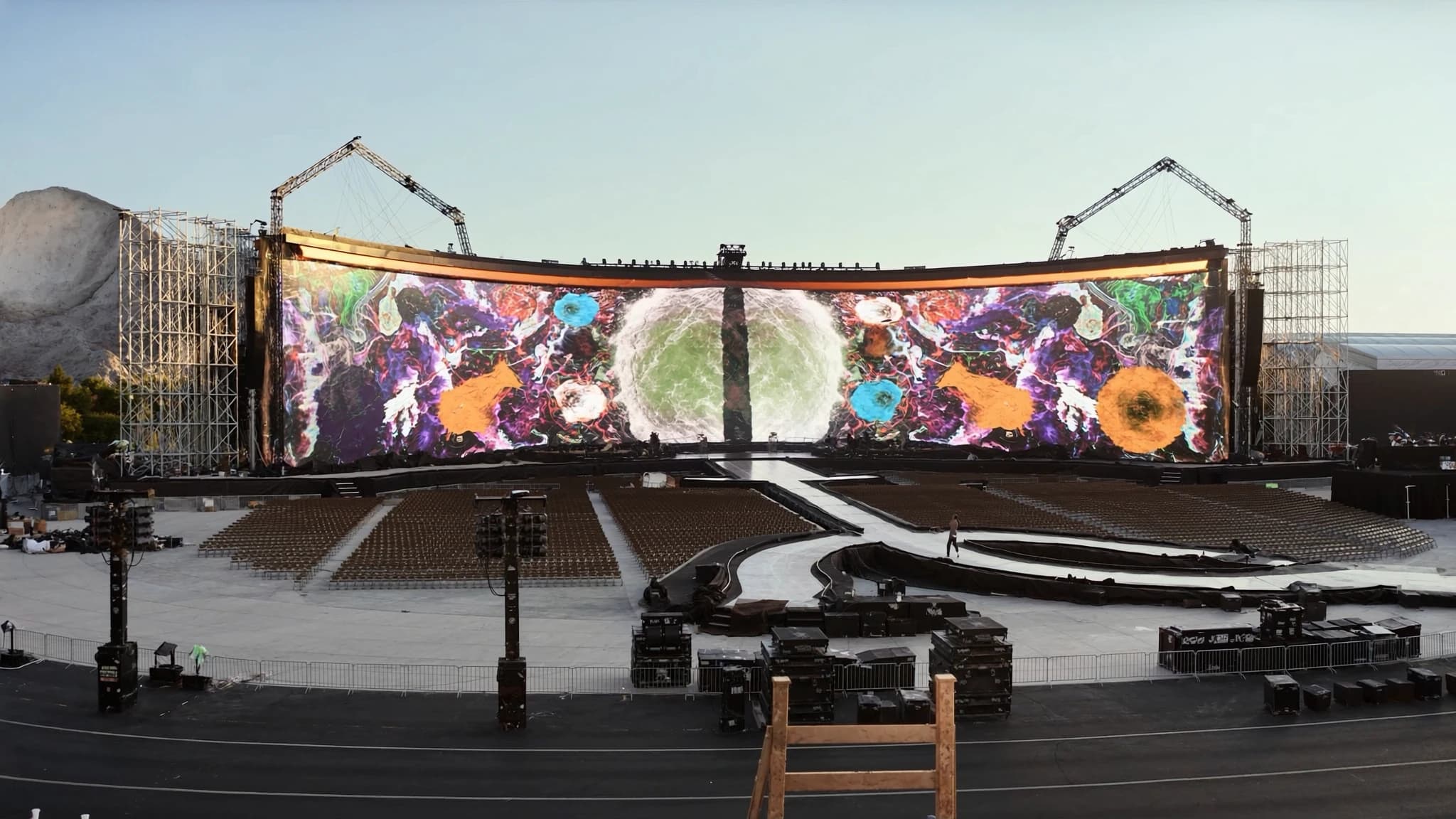
Choosing between indoor and outdoor LED screens is a critical decision that affects visibility, durability, and total cost of ownership. This guide breaks down the key technical differences, brightness, weatherproofing, pixel pitch, viewing distance, cabinet design, and serviceability, so you can select the right screen for your venue or event. SSOUNDS integrates advanced LED display solutions into its professional AV systems, ensuring seamless performance in any environment.
Key takeaways
- Outdoor LED screens require 2,500–7,000+ nits brightness; indoor screens need 600–1,500 nits.
- IP65 or higher is mandatory for outdoor use; indoor screens are typically IP20–IP40.
- Pixel pitch determines resolution and viewing distance: finer pitch for close viewing, coarser for long distances.
- Outdoor cabinets are heavier, sealed, and built for wind/weather; indoor cabinets are lighter and often front-serviceable.
- Power and cooling needs are greater outdoors; plan for three-phase power and service access.
- Match the screen to the environment for best performance and lowest total cost of ownership.
Brightness and Nits: Why Outdoor Screens Need More Punch
Brightness, measured in nits (candelas per square meter), is the single most important differentiator between indoor and outdoor LED screens. Indoor screens typically operate between 600 and 1,500 nits, which is sufficient for controlled lighting environments like conference halls, retail spaces, or studios. Outdoor screens, however, must compete with direct sunlight, which can exceed 10,000 nits. As a result, outdoor LED displays are rated from 2,500 to 5,000 nits or higher, with some high-brightness models reaching 7,000+ nits for full-sun visibility.
For indoor use, excessive brightness can cause eye strain and wash out content, so proper calibration is essential. Outdoor screens often feature automatic brightness sensors that adjust levels based on ambient light, saving power and extending LED life. When integrating an LED wall into a live sound system, SSOUNDS engineers recommend matching brightness to the viewing environment to ensure consistent image quality without glare or fatigue.
IP Weatherproof Rating: Protecting Against the Elements
The Ingress Protection (IP) rating defines how well a screen resists dust and water. Indoor LED screens typically have an IP20 to IP40 rating, meaning they are protected against solid objects larger than 12.5mm (IP20) or 1mm (IP40) but have no water resistance. These screens are designed for climate-controlled spaces and should never be exposed to rain or humidity.
Outdoor LED screens require a minimum IP65 rating for the front and IP54 or higher for the rear. IP65 means the cabinet is dust-tight and protected against low-pressure water jets from any direction. For permanent installations in harsh climates, IP66 or IP67 may be specified to withstand heavy rain, snow, and high-pressure cleaning. SSOUNDS recommends always verifying the IP rating of both the front and rear of the cabinet, as some outdoor screens have asymmetric protection. Proper weatherproofing also includes sealed connectors, gaskets, and corrosion-resistant materials.
Pixel Pitch and Viewing Distance: Resolution vs. Visibility
Pixel pitch (the distance between LED pixels, measured in millimeters) directly determines resolution and optimal viewing distance. Indoor screens often use fine pixel pitches from 0.9mm to 2.5mm, allowing high-definition content to be viewed from just a few feet away. Outdoor screens typically have larger pitches, from 3mm to 10mm or more, because viewers are farther away and the ambient light makes fine detail less perceptible.
The rule of thumb for minimum viewing distance is pixel pitch (in mm) × 1000 = distance in meters. For example, a 4mm outdoor screen is best viewed from 4 meters or farther. Using too fine a pitch outdoors increases cost without benefit, while too coarse a pitch indoors results in a blocky, low-resolution image. SSOUNDS advises matching pixel pitch to the audience's average distance and the content type, text and logos need finer pitch than video or graphics.
Cabinet Design: Structural Differences for Indoor vs. Outdoor
Indoor LED cabinets are typically lighter, thinner, and made from aluminum or sheet metal. They rely on passive or forced-air cooling and are often designed for quick front or rear service. Outdoor cabinets are heavier and more robust, built with die-cast aluminum or steel to withstand wind loads, thermal expansion, and physical impact. They include sealed cooling systems, either fans with filters or natural convection, to prevent moisture ingress and maintain operating temperature.
Outdoor cabinets also feature sun visors or louvers to reduce glare and improve contrast in bright conditions. The structural bracing must support the screen's weight against wind forces, especially for large installations. SSOUNDS integrates outdoor LED walls with its PA systems using custom rigging frames that distribute load safely, ensuring both audio and visual elements perform reliably in any weather.
Power and Serviceability: Installation and Maintenance Considerations
Power consumption differs significantly: outdoor screens require more energy due to higher brightness and cooling needs. Indoor screens typically operate on standard single-phase power, while outdoor installations may need three-phase power distribution. Both types benefit from redundant power supplies and hot-swappable modules to minimize downtime.
Serviceability is another key factor. Indoor screens often allow front access, meaning they can be mounted flush against walls. Outdoor screens usually require rear access for maintenance, which impacts mounting structure design. Some modern outdoor cabinets offer front serviceability, but this is less common. SSOUNDS recommends planning for service access during the design phase, including walkways or lifts for outdoor arrays. For rental and staging applications, quick-lock mechanisms and tool-less module replacement are essential for fast setup and teardown.
When to Choose Indoor vs. Outdoor LED Screens
Choose indoor LED screens for permanent installations in controlled environments like corporate lobbies, broadcast studios, control rooms, retail displays, and indoor events. They offer higher resolution at lower cost and are easier to maintain. Choose outdoor LED screens for stadiums, outdoor concerts, digital billboards, building facades, and any application exposed to rain, dust, or direct sunlight.
There are also 'indoor/outdoor' hybrid screens with higher brightness and moderate weatherproofing (e.g., IP54) for semi-protected areas like covered patios or transit shelters. However, for full reliability, it's best to select a screen purpose-built for the environment. SSOUNDS works with clients to specify the right LED technology for each project, ensuring that the visual display matches the audio system's performance and longevity.
Frequently asked
Can I use an indoor LED screen outdoors temporarily?
It is not recommended. Indoor screens lack weatherproofing and will be damaged by moisture, dust, and temperature extremes. Even a single rain event can cause permanent failure. Always use an outdoor-rated screen for outdoor applications.
What is the typical lifespan of an outdoor LED screen?
With proper maintenance, outdoor LED screens can last 50,000 to 100,000 hours (5–10+ years of daily use). Brightness degrades over time, so some screens may need replacement earlier if brightness drops below acceptable levels.
How do I choose the right pixel pitch for my LED screen?
Use the formula: minimum viewing distance (meters) = pixel pitch (mm) × 1000. For example, a 4mm pitch is best viewed from 4m away. For closer viewing, choose a smaller pitch (e.g., 2mm for 2m distance).
Do outdoor LED screens require special cooling?
Yes. Outdoor screens generate more heat due to higher brightness and solar load. They use sealed cooling systems with fans and filters, or natural convection designs. Proper thermal management is critical for reliability.
Can SSOUNDS integrate LED screens with its PA systems?
Absolutely. SSOUNDS offers complete AV solutions, including LED video walls, synchronized with our line arrays and subwoofers. We design rigging, power, and control systems for seamless integration in both indoor and outdoor venues.
Building or upgrading a system?
SSOUNDS engineers and manufactures professional PA worldwide, from a single room to stadium scale.