Powering Large PA Systems: The Amplifier Guide
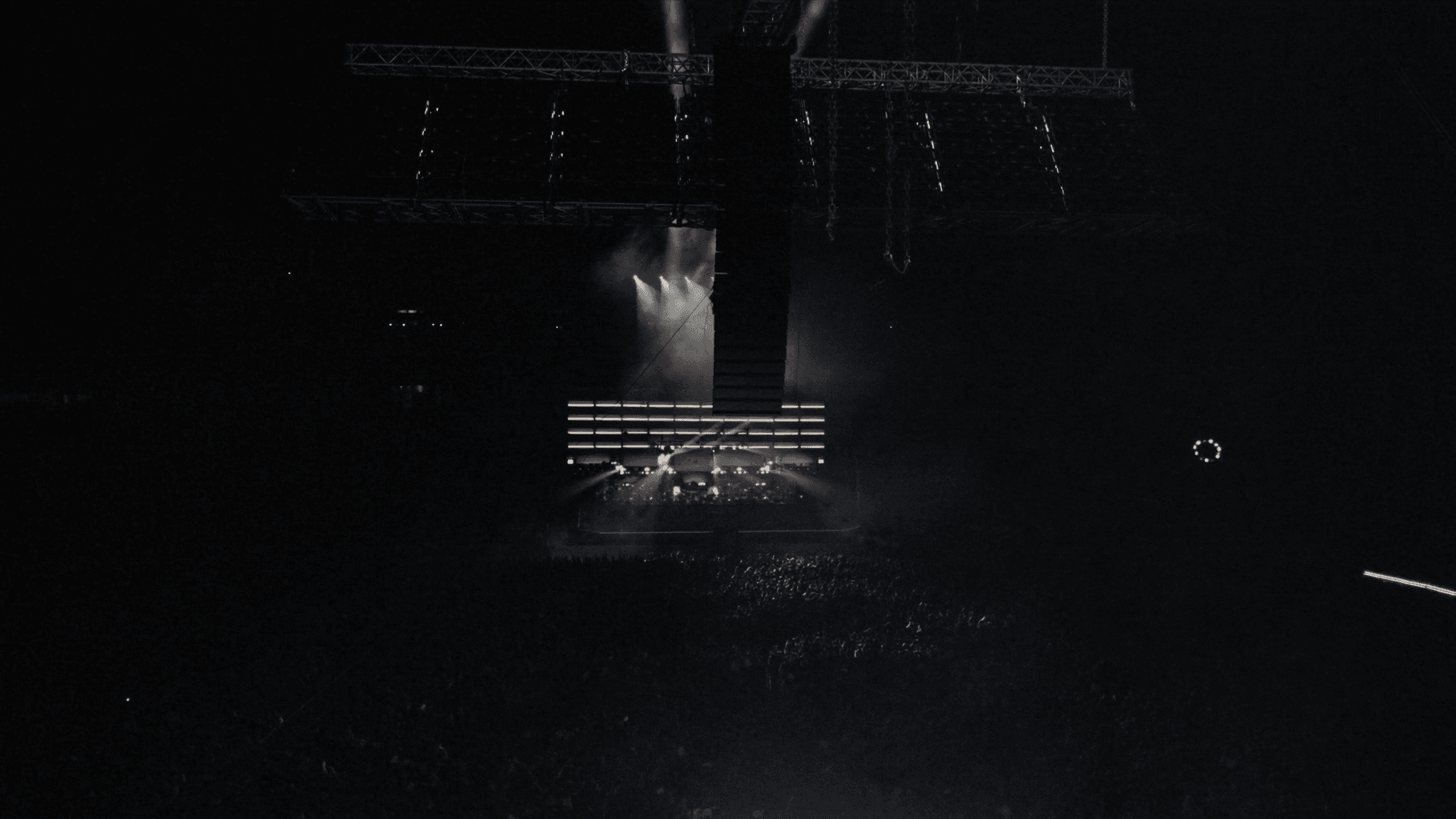
Amplifiers are the engine of any large PA system. Choosing the right amplifier for your loudspeakers is not just about wattage — it's about headroom, impedance matching, power distribution, and system reliability. In this guide, SSOUNDS walks you through the critical considerations for powering large-scale sound reinforcement systems, from festival line arrays to permanent installations.
Key takeaways
- Amplifier power should be 1.5–2x the loudspeaker's RMS rating for adequate headroom.
- Headroom prevents clipping and protects drivers; aim for 6 dB or more above average level.
- Impedance matching is critical — stay within the amplifier's minimum load rating.
- Distributed amplification reduces cable losses for large line arrays.
- Modern Class D amplifiers with DSP offer efficiency, lightweight, and system control.
- Always use proper cabling, ventilation, and power distribution for reliability.
Understanding Amplifier Sizing: RMS vs. Program vs. Peak
Amplifier power ratings are often misunderstood. Loudspeaker power handling is typically specified as RMS (continuous), program (music), and peak. As a rule of thumb, your amplifier should deliver 1.5 to 2 times the loudspeaker's RMS rating — this provides headroom for transient peaks without clipping. For example, a speaker rated at 500W RMS can safely be paired with an amplifier delivering 750–1000W RMS per channel.
SSOUNDS designs its amplifiers with generous headroom to handle dynamic music content. Clipping is the enemy of loudspeaker reliability; a clipped waveform can deliver up to double the RMS voltage, overheating voice coils. Always match amplifier continuous power to the speaker's program rating for safe, clean operation.
Headroom: Why It Matters for Sound Quality and Reliability
Headroom is the difference between the amplifier's maximum output and the average operating level. In live sound, peaks can be 10–20 dB above the average. Without sufficient headroom, the amplifier will clip on transients, causing distortion and potential driver damage. A system with 6 dB of headroom (four times the power) can reproduce peaks cleanly.
SSOUNDS recommends sizing amplifiers so that the system's continuous SPL target is achieved with the amplifier operating at no more than 50–70% of its maximum output. This ensures that even the loudest transients are reproduced without distortion. For subwoofers, which handle high crest factor content, even more headroom is beneficial.
Impedance Matching and Load Distribution
Loudspeaker impedance varies with frequency, but nominal impedance (4Ω, 8Ω, etc.) is used for amplifier matching. Connecting multiple speakers in parallel lowers the total impedance load. For example, two 8Ω speakers in parallel present a 4Ω load. Amplifiers are typically rated at different power levels for 8Ω, 4Ω, and 2Ω. Operating at lower impedance increases current draw and heat.
SSOUNDS amplifiers are designed to drive low-impedance loads reliably, but it's crucial to stay within the amplifier's minimum impedance rating. For large line arrays, power distribution is often done by driving individual cabinets or small groups. Modern amplifiers with built-in DSP can also compensate for cable losses and impedance variations.
Power Distribution: Centralized vs. Distributed Amplification
In large PA systems, you can either place all amplifiers in a central rack (centralized) or distribute them near the loudspeakers (distributed). Centralized amplification simplifies cable management and service access but requires long, heavy-gauge speaker cables to minimize losses. Distributed amplification reduces cable runs and power losses but may require more amplifier enclosures and local power.
For touring systems, SSOUNDS often recommends a hybrid approach: subwoofer amplifiers in a central location (since subs are often ground-stacked near the stage) and line array amplifiers flown with the array or placed at the base of the towers. This balances cable weight, signal integrity, and ease of setup.
Amplifier Technology: Class D, Class H, and DSP Integration
Modern touring amplifiers predominantly use Class D topology due to high efficiency (80–90%) and low weight. Class H (a variant of Class AB) offers excellent audio quality but lower efficiency. SSOUNDS amplifiers employ advanced Class D designs with switch-mode power supplies (SMPS) that provide stable output even with fluctuating mains voltage — critical for outdoor festivals.
Built-in DSP is now standard in premium amplifiers. It allows for precise crossover filtering, EQ, limiting, and delay alignment. SSOUNDS amplifiers feature networkable DSP that can be controlled via software, enabling system tuning and monitoring from a laptop or tablet. This integration simplifies complex system setups and ensures consistent performance across venues.
Matching Amplifiers to Loudspeakers: A Practical Approach
Start by determining the required SPL at the listening position. Work backward to calculate the power needed per loudspeaker, accounting for distance, number of cabinets, and desired headroom. Always consult the loudspeaker's datasheet for recommended amplifier power. For SSOUNDS line arrays, we provide amplifier presets that optimize the system's performance and protect the drivers.
When in doubt, choose an amplifier with slightly more power than the speaker's program rating — a conservative limiter setting in the DSP will protect the drivers. Never undersize an amplifier, as driving it into clipping is more dangerous than using a larger amp with proper limiting. SSOUNDS offers a range of amplifiers specifically matched to our loudspeaker families, ensuring seamless integration.
Cabling, Cooling, and Power Considerations
High-current systems require proper cabling. Use the shortest possible speaker cables with adequate gauge (e.g., 10 AWG or 4 mm² for long runs). For signal distribution, balanced XLR or AES3 digital audio is standard. Amplifier racks need ventilation — allow at least 1U of space between units and ensure front-to-back airflow. In hot climates, consider additional fan trays or air conditioning.
Power distribution must be planned: calculate total current draw per phase and use power sequencers to avoid inrush current tripping breakers. SSOUNDS amplifiers feature Power Factor Correction (PFC) that reduces harmonic distortion and allows longer cable runs. Always use a dedicated power distro for large systems to ensure clean, stable voltage.
Frequently asked
Can I use a more powerful amplifier than my speaker's rating?
Yes, as long as you use a limiter set to the speaker's continuous power handling. A larger amp with headroom is safer than an underpowered amp that clips.
What is the difference between RMS and program power?
RMS is continuous power handling; program power is typically 2x RMS and represents typical music content. Match amplifier continuous power to program power for safe operation.
How do I calculate total amplifier power for a line array?
Determine the required SPL, then calculate power per cabinet based on sensitivity and distance. Multiply by number of cabinets and add headroom (at least 3 dB). SSOUNDS provides system design tools for accurate calculation.
Why do my amplifiers overheat in hot climates?
High ambient temperature reduces cooling efficiency. Ensure adequate ventilation, clean filters, and consider derating the amplifier's output. SSOUNDS amplifiers are designed for extended temperature ranges but still require proper airflow.
Can I mix different amplifier brands in one system?
Technically yes, but it's not recommended due to differences in gain, latency, and DSP capabilities. For consistent sound and protection, use amplifiers from the same manufacturer, ideally matched to the loudspeakers.
Building or upgrading a system?
SSOUNDS engineers and manufactures professional PA worldwide — from a single room to stadium scale.