Scaffolding and Stage Structure Safety for Events
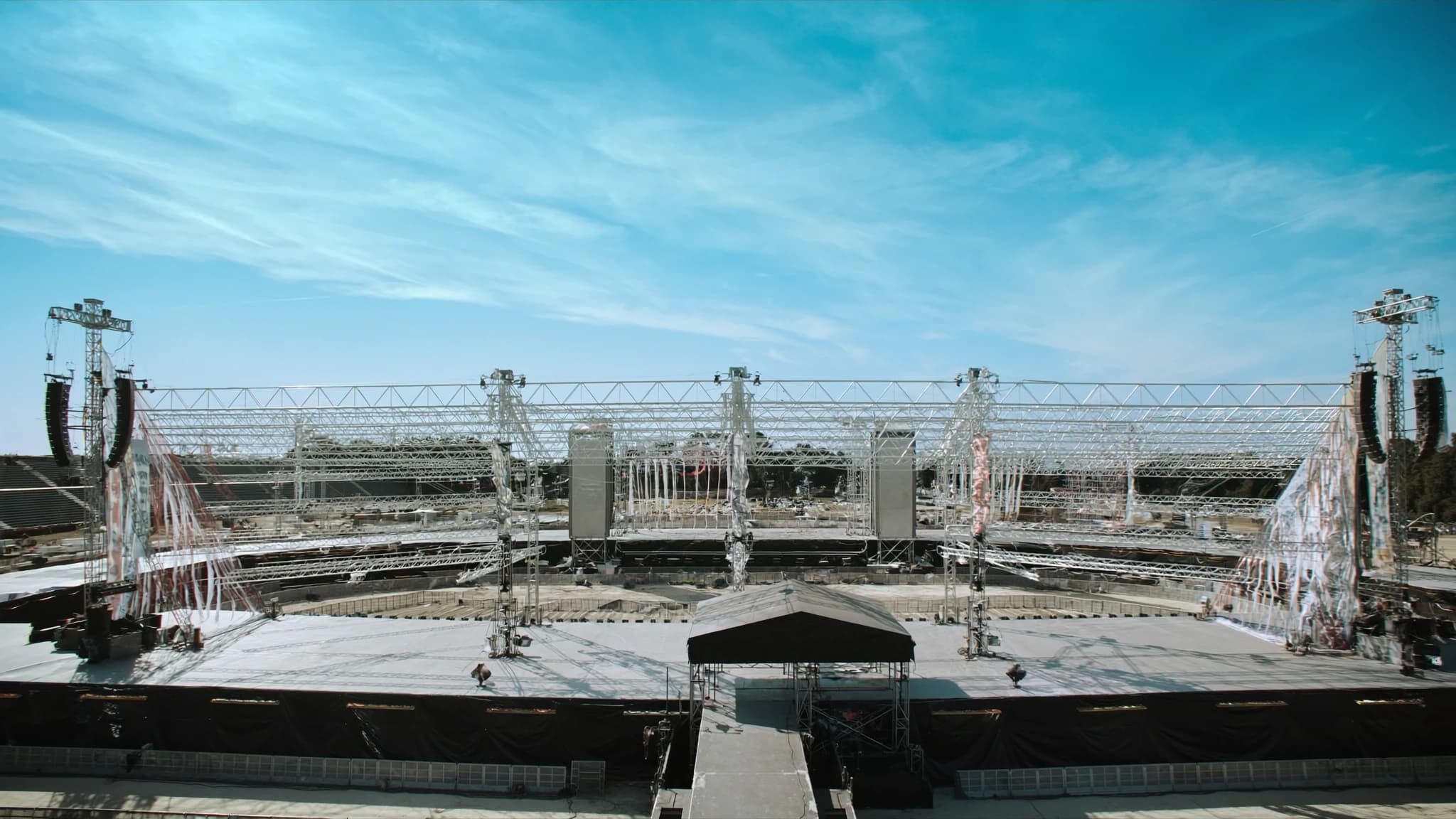
When staging a live event, the safety of scaffolding, stage decks, towers, and ground support structures is non-negotiable. These temporary demountable structures must withstand dynamic loads from performers, equipment, and weather while protecting thousands of attendees. This guide provides authoritative, safety-first guidance on load paths, wind management, inspections, certified riggers, and compliance with international standards.
Key takeaways
- Verify load paths for every component and never exceed design loads without a structural review.
- Design for wind and dynamic loads using industry standards and site-specific data.
- Conduct pre-event, daily, and post-event inspections with documented checklists.
- Use only certified riggers and competent personnel for assembly and rigging.
- Comply with international standards like BS EN 13814 or ANSI E1.21 for temporary structures.
- Assess ground conditions and use appropriate load-spreading and ballasting methods.
Understanding Load Paths and Structural Integrity
Every temporary structure, from a simple stage deck to a complex roof system, relies on a clear load path that transfers weight safely to the ground. Loads include dead loads (the structure itself), live loads (people, equipment), and environmental loads (wind, rain). A failure in any link, such as an underrated coupler or a poorly seated base plate, can lead to catastrophic collapse.
Engineers calculate load paths by analyzing each component: truss chords, braces, pins, towers, and ground supports. For stage decks, the load path runs from the deck surface through joists, beams, and adjustable legs to base plates on compacted ground or spreader pads. For suspended rigging, loads travel through chain hoists or motors to the roof truss, then down towers to the foundation.
SSOUNDS engineers emphasize that load path verification is a critical pre-event step. All components must be rated for the intended load, and any deviation, like adding extra lighting or video walls, requires recalculating the entire path. Never assume a structure can handle more than its design load without a professional structural review.
Wind Management and Dynamic Loads
Wind is the most unpredictable force on temporary structures. Even a moderate gust can create uplift, lateral sway, or overturning moments. Outdoor events must account for local wind history, terrain, and seasonal patterns. The industry standard is to design for a minimum 3-second gust of 60 mph (27 m/s) unless a site-specific wind study dictates higher values.
Dynamic loads from crowd movement, dancing, or jumping can amplify forces. For example, a crowd bouncing in rhythm can create a resonance effect that multiplies structural stress. Engineers use dynamic load factors (typically 1.5 to 2.0 times static loads) to account for this. Stage decks near speaker stacks also experience vibration from low-frequency sound, which can fatigue connections over time.
Mitigation strategies include using wind walls, ballasting towers with concrete blocks or water barrels, and installing anemometers that trigger alarms at pre-set wind speeds. If wind exceeds safe limits, the event must be paused or evacuated. SSOUNDS recommends always having a wind contingency plan and a designated safety officer to monitor conditions.
Inspections: Pre-Event, Daily, and Post-Event
A thorough inspection regime is the backbone of event safety. Pre-event inspections verify that all components are undamaged, correctly assembled, and rated for the load. This includes checking truss for dents or cracks, verifying pin integrity, ensuring base plates are on firm ground, and confirming that all bolts are torqued to specification.
Daily inspections during multi-day events check for signs of movement, loosening, or damage from weather or usage. For example, after a windy night, all guy lines and ballasts should be rechecked. Post-event inspections identify wear and tear that might not be visible during setup. Any damaged component must be tagged and removed from service immediately.
SSOUNDS advises that inspections be performed by a competent person, someone with training and experience in temporary structures. Third-party structural engineers should be engaged for complex or large-scale installations. Documentation of all inspections, including photos and signed checklists, is essential for liability and future reference.
Certified Riggers and Competent Personnel
Rigging and structural assembly should only be performed by certified riggers or qualified personnel. Certification programs, such as those from the Entertainment Technician Certification Program (ETCP) or equivalent national bodies, ensure that riggers understand load calculations, hardware ratings, and safe working practices.
A competent person for stage structures should have knowledge of the specific system being used, including manufacturer guidelines and load tables. They must be able to identify hazards, assess risks, and take corrective action. For ground support towers, the installer must know how to level and plumb the towers, secure them with outriggers, and calculate ballast requirements.
SSOUNDS emphasizes that using unqualified labor is a leading cause of structural failures. Event organizers should verify certifications and provide clear safety briefings. A designated safety coordinator should oversee all rigging and structural work, with authority to stop work if unsafe conditions arise.
Compliance with International Standards
Temporary demountable structures are governed by standards such as BS EN 13814 (Europe), ANSI E1.21 (USA), and AS 3533 (Australia). These standards cover design loads, materials, testing, and inspection. Compliance is not optional, it is a legal and ethical responsibility. Event organizers must ensure that all structures meet the applicable standard for their region.
Key requirements include: design by a qualified engineer, load testing of critical components, provision of a structural design report, and on-site verification by a competent person. For stage decks, the standard specifies minimum live loads (e.g., 5 kN/m² for performance areas) and deflection limits. For towers, wind load calculations must follow the standard's methodology.
SSOUNDS recommends working with suppliers who provide full documentation, including load charts, assembly instructions, and inspection records. Never accept structures that lack traceable certification. In many jurisdictions, failure to comply can result in fines, shutdowns, and criminal liability in the event of an accident.
Ground Support and Foundation Considerations
The ground beneath a temporary structure is as important as the structure itself. Soft soil, uneven terrain, or underground utilities can compromise stability. Ground support systems, such as adjustable base plates, spreader pads, or screw jacks, distribute loads to avoid sinking or tipping. For heavy loads, concrete ballast blocks or ground anchors may be required.
Before setup, conduct a ground survey to identify slopes, compaction, and obstacles. For outdoor events, consider drainage and the potential for rain to soften soil. Use load-spreading pads under base plates to reduce ground pressure. On asphalt or concrete, protect surfaces with plywood or rubber mats to prevent damage.
SSOUNDS engineers stress that ground support calculations must include the weight of the structure, equipment, and ballast, plus a safety factor. For towers, the base area must be large enough to prevent overturning. In areas with high water tables, consider using screw piles or concrete footings. Always consult a geotechnical engineer for challenging sites.
Emergency Preparedness and Evacuation Planning
Despite all precautions, emergencies can happen. A sudden storm, structural failure, or crowd surge requires an immediate response. Every event should have an emergency action plan that includes evacuation routes, assembly points, and communication protocols. The plan must be rehearsed with the entire production team.
For structural emergencies, the first step is to clear the area and prevent access. Do not attempt to shore up a failing structure, wait for professional rescue teams. Have a designated person to call emergency services and provide them with site plans and hazard information. Keep first aid kits and fire extinguishers accessible.
SSOUNDS recommends conducting a risk assessment for each event, identifying potential structural failure scenarios and their consequences. For large events, consider having a structural engineer on standby. Regular safety drills ensure that everyone knows their role in an emergency. Remember: safety is not a one-time check, it is a continuous process.
Frequently asked
What is the minimum wind speed I should design for in an outdoor event?
Industry standards typically require design for a 3-second gust of at least 60 mph (27 m/s), but site-specific conditions may demand higher values. Always consult a structural engineer.
Who is qualified to inspect temporary stage structures?
Inspections should be performed by a competent person with training and experience in temporary demountable structures. For complex installations, a third-party structural engineer is recommended.
Can I add extra lighting or video walls to an existing stage deck without recalculating loads?
No. Any addition changes the load path and may exceed the structure's rated capacity. Always have a structural review before adding equipment.
What should I do if I find a damaged truss or component during setup?
Immediately tag and remove the damaged component from service. Do not use it. Replace it with an undamaged, rated component before proceeding.
Are there different standards for stage structures in different countries?
Yes. Common standards include BS EN 13814 (Europe), ANSI E1.21 (USA), and AS 3533 (Australia). You must comply with the standard applicable in your region.
Building or upgrading a system?
SSOUNDS engineers and manufactures professional PA worldwide, from a single room to stadium scale.