Speaker IP Ratings and Waterproof Speakers Explained
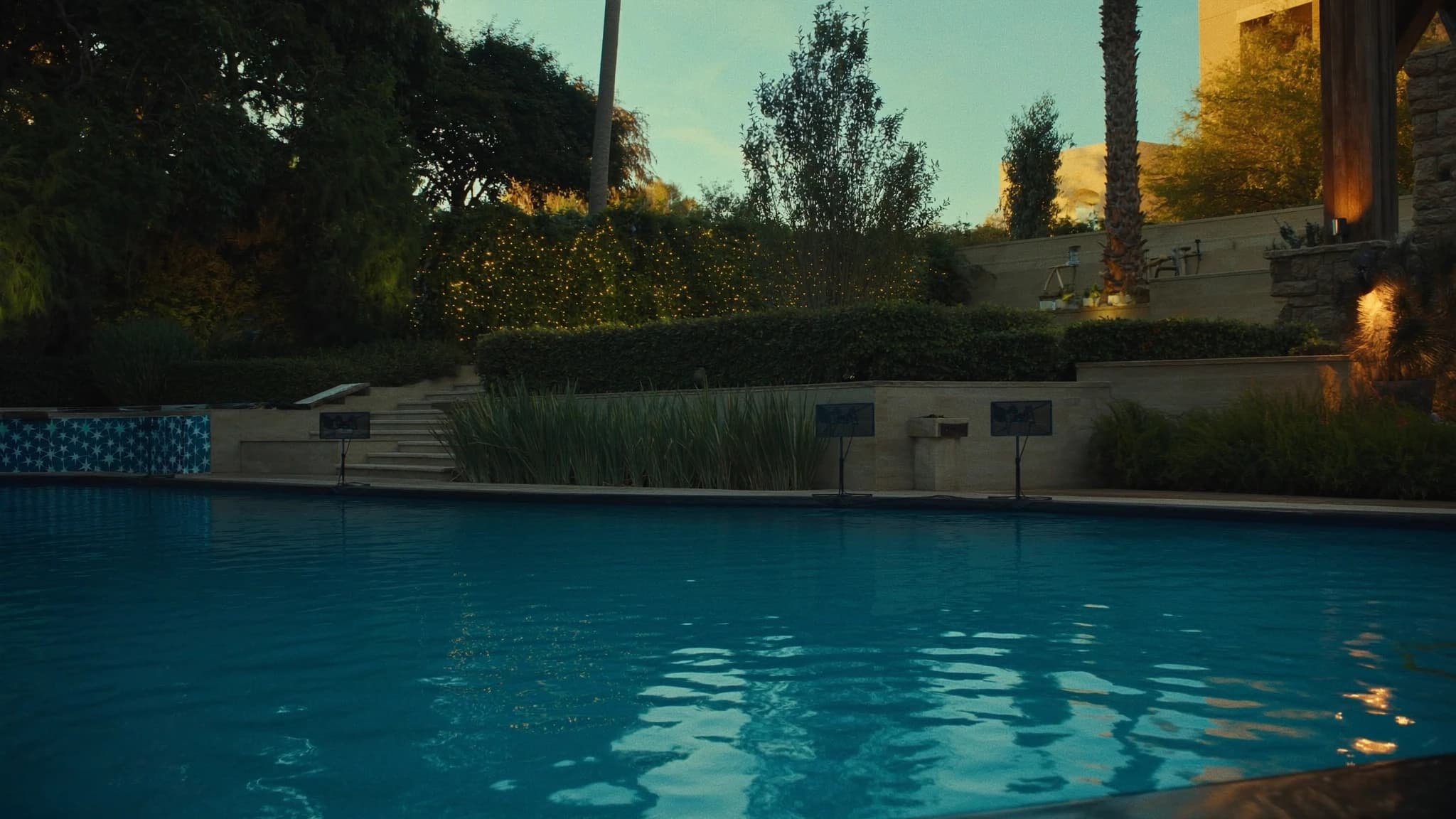
When selecting speakers for outdoor or wet installations, understanding IP (Ingress Protection) ratings is essential to ensure long-term reliability and performance. This guide demystifies the two-digit IP code, explains common ratings like IP54, IP65, IP66, and IP67, and clarifies what 'waterproof' truly means for professional audio equipment. SSOUNDS engineers design systems with robust environmental protection, ensuring consistent sound quality in challenging conditions.
Key takeaways
- IP ratings consist of two digits: first for dust (0-6), second for water (0-9).
- Common speaker ratings: IP54 (splash-proof), IP65 (jet-proof), IP66 (powerful jet-proof), IP67 (temporary immersion).
- 'Waterproof' is a misnomer; 'weather-resistant' is more accurate for IP-rated speakers.
- Material choice (UV-stabilized plastics, stainless steel, silicone seals) is critical for long-term IP protection.
- Choose IP66 for most outdoor permanent installations; IP67 for submersion risk areas.
- Always verify third-party certification and plan for seal maintenance over time.
What IP Ratings Mean: The Two-Digit Code
IP ratings are defined by the international standard IEC 60529, which classifies the degree of protection provided against intrusion of solid objects (first digit) and liquids (second digit). The first digit ranges from 0 to 6, where 0 means no protection and 6 means dust-tight (no ingress of dust). The second digit ranges from 0 to 9, indicating protection against water from dripping to high-pressure jets.
For professional speakers, the first digit is typically 5 or 6. IP5X indicates dust-protected (some dust may enter but not enough to interfere with operation), while IP6X is dust-tight. The second digit is critical for outdoor use: IPX4 protects against splashing water, IPX5 against low-pressure water jets, IPX6 against powerful water jets, IPX7 against temporary immersion (up to 1 meter for 30 minutes), and IPX8 against continuous immersion beyond 1 meter.
Common IP Ratings for Speakers: IP54, IP65, IP66, IP67
IP54 is common for light outdoor use, offering dust protection and resistance to splashing water from any direction. It suits covered patios or areas not exposed to rain directly. IP65 provides dust-tight protection and low-pressure water jets, making it suitable for most outdoor installations where rain or hose-down cleaning is expected, but not submersion.
IP66 is more robust: dust-tight and protected against powerful water jets (e.g., heavy rain or direct pressure washing). This rating is ideal for exposed outdoor venues, stadiums, and marine environments. IP67 adds temporary immersion protection (1m for 30 min), useful for speakers near pools, on boats, or in flood-prone areas. SSOUNDS offers models with IP66 and IP67 ratings for demanding professional applications.
What 'Waterproof' Really Means for Speakers
No speaker is truly 'waterproof' in the sense of being unaffected by water indefinitely. IP ratings describe resistance under specific conditions. Even IP67-rated speakers can fail if water pressure exceeds the seal's capability or if seals degrade over time. The term 'water-resistant' is more accurate. For professional audio, 'weatherproof' often implies UV resistance, corrosion-resistant hardware, and sealed connectors in addition to IP ratings.
SSOUNDS engineers use marine-grade stainless steel, silicone gaskets, and hydrophobic speaker cones to enhance longevity. Regular maintenance, checking seals, cleaning drainage ports, and storing during extreme weather, extends the life of any outdoor speaker.
Materials That Enable IP Protection
Achieving high IP ratings requires careful material selection. Enclosures are typically made from UV-stabilized polypropylene, ABS, or aluminum with powder-coated finishes to resist corrosion. Gaskets and seals use silicone or EPDM rubber, which remain flexible over a wide temperature range. Input panels are often recessed with gland nuts or sealed covers to prevent moisture ingress through connectors.
Transducers (woofers and tweeters) may be treated with hydrophobic coatings or made from polypropylene or treated paper that resists water absorption. For line array or point-source systems, SSOUNDS integrates drainage channels and pressure-equalization valves to prevent condensation buildup inside the cabinet.
Where Each Rating Fits: Outdoor and Wet Installations
For covered outdoor areas like amphitheaters with roofs, IP54 is often sufficient. For open-air stages, festivals, or theme parks, IP65 or IP66 is recommended to withstand rain and cleaning. IP66 is the standard for permanent stadium installations where speakers are exposed to wind-driven rain. IP67 is chosen for marine applications, floating stages, or locations near swimming pools where accidental submersion is possible.
SSOUNDS provides application guidance for each product, ensuring the IP rating matches the environmental risk. For example, a beach club may require IP67 for speakers near the waterline, while a rooftop bar with a canopy may be fine with IP54. Always consider the full system: amplifiers and DSP units should also have appropriate IP ratings or be housed in weatherproof enclosures.
Testing and Certification: What to Look For
IP ratings should be verified by third-party testing. Look for certifications from accredited labs. Some manufacturers claim IP ratings based on self-testing, which may not be reliable. SSOUNDS products undergo rigorous testing in independent facilities to confirm ratings. Additionally, check that the rating applies to the entire speaker, including connectors and mounting hardware.
Remember that IP ratings are tested on new equipment; aging can reduce protection. SSOUNDS designs its enclosures with replaceable seal kits to maintain IP integrity over the product's lifespan.
Frequently asked
Can I use an IP54 speaker outdoors in heavy rain?
IP54 is not recommended for heavy rain as it only protects against splashing water. For heavy rain, choose IP65 or higher.
Does an IP67 speaker mean it can be left underwater indefinitely?
No. IP67 means protection against immersion up to 1 meter for 30 minutes. Continuous submersion may cause failure.
Do IP ratings cover saltwater or chemical exposure?
No. IP ratings only cover fresh water. Saltwater or chemicals require additional corrosion-resistant materials and seals.
How often should I check seals on outdoor speakers?
Annually, or after extreme weather events. Replace seals if cracked or compressed.
Are SSOUNDS speakers available with IP66 or IP67 ratings?
Yes, SSOUNDS offers select models with IP66 and IP67 ratings for professional outdoor installations.
Building or upgrading a system?
SSOUNDS engineers and manufactures professional PA worldwide, from a single room to stadium scale.