The Best Speakers for a Gym and Fitness Studio
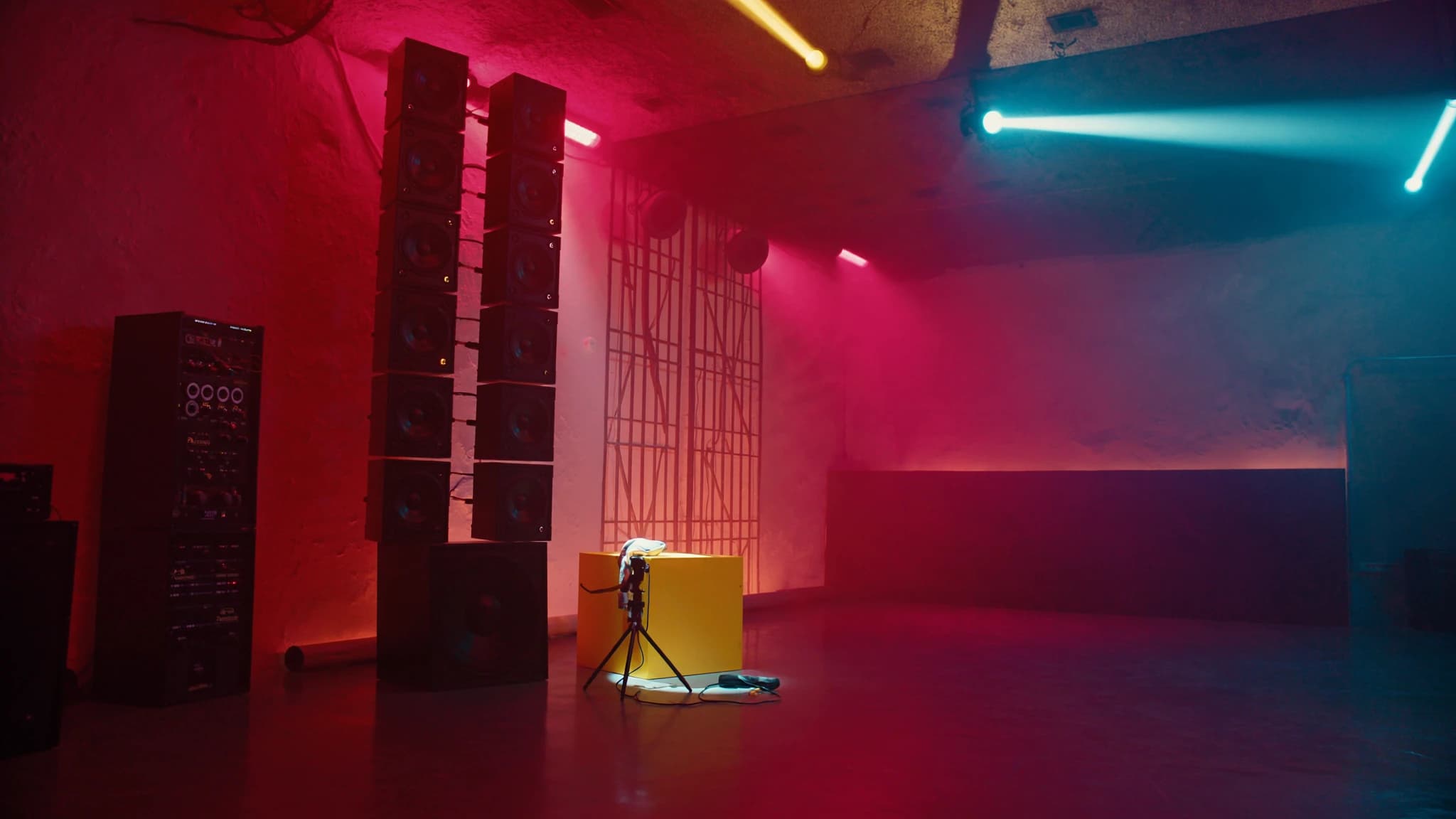
Gym and fitness studio audio demands more than just loudness, it requires even, high-SPL coverage, punchy bass for class energy, and rugged durability to withstand sweat, vibration, and constant use. Whether you're outfitting a boutique spin studio or a multi-zone fitness centre, SSOUNDS engineering delivers the clarity and impact that keeps members motivated and instructors heard.
Key takeaways
- Subwoofers are essential for high-energy classes, they provide the bass impact that drives rhythm and motivation.
- Surface-mounted speakers outperform ceiling speakers in coverage and bass response for active studios.
- Zoning allows separate volume and EQ for different areas, from HIIT rooms to yoga studios.
- Durability matters: look for moisture-resistant enclosures, corrosion-proof hardware, and overload protection.
- Intelligibility at high SPL requires DSP-optimized presets and proper acoustic treatment.
- Scalable networked systems (Dante/AVB) future-proof your investment and simplify expansion.
Why Gyms Need Subwoofers for Class Energy
Many gym owners assume that a few ceiling speakers will suffice, but high-energy fitness classes. HIIT, spin, Zumba, rely on bass to drive rhythm and intensity. Without subwoofers, the low end is thin and uninspiring, leaving classes feeling flat. SSOUNDS subwoofers are designed to deliver tight, punchy bass that fills the room without muddying the midrange, ensuring beats hit hard and clear.
For a typical 2,000 sq ft studio, a single SSOUNDS subwoofer paired with full-range tops can provide the visceral impact needed for peak moments. In larger spaces, multiple subs positioned strategically (e.g., corners or along walls) create even low-frequency coverage. Our DSP presets include gym-optimized curves that boost the 40-80 Hz range without sacrificing vocal intelligibility.
Ceiling vs. Surface-Mounted Speakers: What Works Best
Ceiling speakers are popular for their discreet look, but they often compromise coverage and bass response. In gyms, ceiling-mounted 70V systems can work for background music in low-impact areas like cardio zones, but for high-energy studios, surface-mounted point-source or line array speakers are superior. They project sound directly to the listening area, reducing reflections and ensuring even SPL across the room.
SSOUNDS surface-mount loudspeakers feature rotatable horns and multiple rigging points, allowing precise aiming to cover dead spots. For studios with low ceilings (under 12 ft), our compact point-source models deliver 130 dB peak SPL with controlled dispersion. Ceiling speakers are best reserved for hallways, locker rooms, or reception areas where aesthetics outweigh performance.
Zoning Studios: Separate Control for Different Areas
For multi-room facilities, we recommend a central amplifier rack with dedicated outputs per zone, wired with balanced audio snakes or Dante digital audio. This avoids signal degradation over long runs and simplifies troubleshooting. Our engineers can help you map out zone boundaries based on wall construction and desired SPL levels.
Durability: Withstanding Sweat, Vibration, and Dust
Gym environments are harsh on electronics. Sweat, humidity, vibration from heavy equipment, and airborne dust can degrade standard speakers quickly. SSOUNDS loudspeakers are built with marine-grade plywood enclosures, corrosion-resistant hardware, and weather-resistant grilles. Our transducers are treated with hydrophobic coatings to repel moisture, and all models include overload protection circuits.
For ceiling speakers, we recommend models with sealed backcans to prevent dust ingress. Surface-mounted speakers should be installed with vibration-dampening mounts to reduce fatigue. Regular maintenance, wiping grilles with a damp cloth and checking connections, extends lifespan. SSOUNDS offers a 5-year warranty on passive speakers and 3 years on active models, reflecting our confidence in durability.
Designing Motivating, Intelligible Gym Sound
Acoustic treatment is often overlooked. Hard surfaces (mirrors, windows, concrete) create slap echoes that reduce intelligibility. Strategic placement of bass traps and absorption panels can dramatically improve sound quality. Our team can provide a free acoustic analysis and system design for your space, ensuring every decibel counts.
System Sizing and Scalability
Start with the largest room, typically the main studio, and build outward. A 1,500 sq ft studio with 12 ft ceilings needs approximately 2,000-3,000 watts of continuous power for high-energy classes. SSOUNDS offers scalable solutions: a single pair of our 12-inch tops and a dual 18-inch sub can handle this, with room to add delay speakers for larger spaces.
For multi-room facilities, consider a networked audio system using Dante or AVB. This allows you to expand zones without rewiring. Our amplifiers support daisy-chaining and remote monitoring, so you can check system health from a tablet. Future-proofing with a digital backbone ensures your investment lasts through expansions.
Frequently asked
What size subwoofer do I need for a 2,000 sq ft gym?
A single 18-inch subwoofer with 1,000-1,500 watts RMS is typically sufficient for high-energy classes. For even bass distribution, consider two 15-inch or 18-inch subs placed in opposite corners.
Can I use ceiling speakers for a spin studio?
Ceiling speakers lack the bass response and SPL needed for spin classes. Surface-mounted speakers with dedicated subwoofers are recommended for the punch and clarity required.
How do I prevent feedback when instructors use wireless mics?
Use a DSP with feedback suppression, notch filters, and careful EQ. Position speakers in front of the instructor's mic pickup pattern, and avoid pointing speakers directly at reflective surfaces.
What is the best way to zone a multi-room gym?
Use a multi-channel DSP amplifier with individual outputs per zone. Connect each zone via balanced audio or Dante, and set presets for volume and EQ per room. Control via a central touchscreen or mobile app.
How often should I maintain gym speakers?
Wipe grilles monthly with a damp cloth to remove dust and sweat. Check connections and grille tightness quarterly. Have a professional inspect drivers and DSP settings annually.
Building or upgrading a system?
SSOUNDS engineers and manufactures professional PA worldwide, from a single room to stadium scale.