Wall Speakers vs Ceiling Speakers: Which Should You Choose?
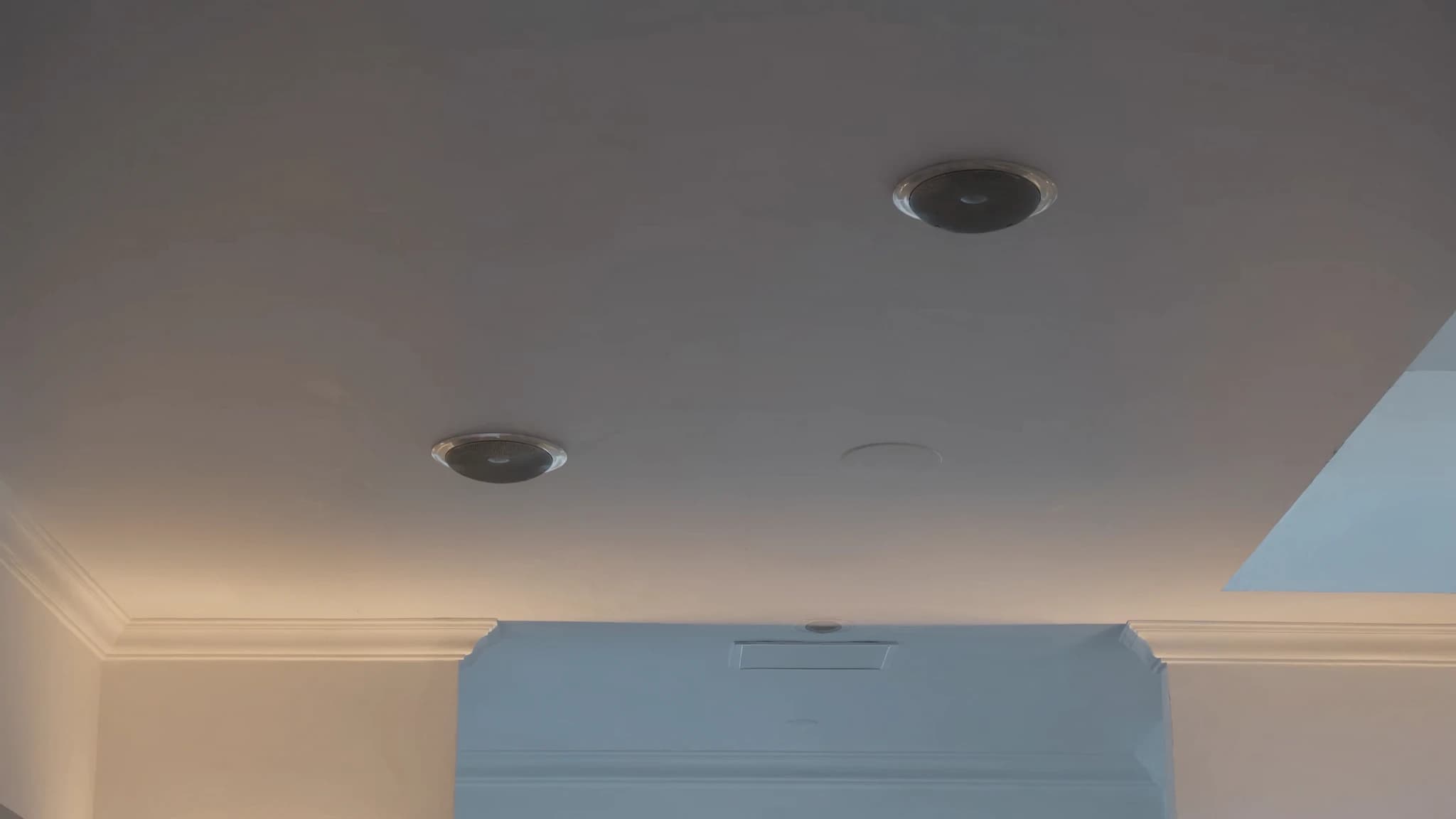
Choosing between wall-mounted and ceiling-mounted speakers can dramatically affect your listening experience, whether you're building a home cinema, a commercial background music system, or a multi-room audio setup. Wall speakers excel at stereo imaging and direct sound, while ceiling speakers provide even coverage and discreet aesthetics. This guide breaks down the key differences, directionality, imaging, coverage, and installation, to help you decide which is right for your space.
Key takeaways
- Wall speakers provide superior stereo imaging and direct sound, ideal for home cinema and critical listening.
- Ceiling speakers offer even, unobtrusive coverage for background music and commercial paging.
- Directionality: wall speakers aim at ear level; ceiling speakers radiate downward, sacrificing localization.
- Aesthetics: ceiling speakers are nearly invisible; wall speakers are more visible but can be flush-mounted.
- Installation: ceiling speakers require ceiling access; wall speakers need wall cavities or surface mounting.
- For best results, use wall speakers for front channels and ceiling speakers for surrounds or Atmos in a hybrid setup.
Directionality and Imaging: The Core Difference
Wall speakers, whether in-wall or surface-mounted, are designed to project sound forward toward the listener. This directional nature creates a clear stereo image and soundstage, making them ideal for critical listening environments like home theaters or dedicated stereo setups. The tweeter and woofer are typically aimed at ear level, ensuring that high frequencies, which are highly directional, reach the listener directly, preserving detail and localization.
Ceiling speakers, by contrast, radiate sound downward and outward, often with a wide dispersion pattern. While this provides even coverage across a large area, it sacrifices precise imaging. Sound from a ceiling speaker arrives at the listener from above, which can make it harder to pinpoint individual instruments or dialogue. For background music or announcements in commercial spaces, this is acceptable, even desirable, but for immersive cinema or audiophile listening, wall speakers are superior.
Coverage and Even Fill: When Ceiling Speakers Shine
Ceiling speakers are unmatched for delivering consistent sound levels across a wide area without hot spots or dead zones. This makes them the go-to choice for open-plan offices, retail stores, restaurants, and corridors where uniform background music or paging is needed. By spacing ceiling speakers appropriately (typically 8–12 feet apart), you can achieve near-seamless coverage with minimal variation in volume.
Wall speakers, on the other hand, create a more focused listening zone. They work best when listeners are seated in a defined area, such as a sofa or row of seats, and can be positioned at ear height. In large, open spaces, wall speakers may leave areas with poor coverage unless you use multiple pairs, which can clutter the room visually and acoustically.
Aesthetics and Installation Considerations
Ceiling speakers are virtually invisible once installed, especially with paintable grilles that blend into the ceiling. This makes them a favorite for minimalist interiors or spaces where you don't want speakers to compete with décor. Installation is relatively straightforward in new construction or drop ceilings, but retrofitting into existing drywall requires cutting holes and running cables through the ceiling cavity, a job best left to professionals.
Wall speakers, whether in-wall or on-wall, are more visible. In-wall models can be flush-mounted and painted to match the wall, but they still occupy wall space that might otherwise hold artwork or shelving. On-wall speakers protrude and are more obtrusive. However, wall placement allows for better stereo separation and imaging, and installation is often simpler in rooms where wall cavities are accessible.
Home Cinema vs. Background Music: Matching the Speaker to the Use Case
In mixed-use spaces, like a living room that doubles as a home theater, a combination approach works well: wall speakers for the front channels and ceiling speakers for surrounds or Atmos heights. This balances aesthetics with performance.
Acoustical Challenges: Room Modes and Reflections
Wall speakers interact with room boundaries differently than ceiling speakers. Placing speakers on the wall can excite room modes (standing waves) at certain frequencies, potentially causing bass boom or nulls. Proper placement and room treatment can mitigate this. Ceiling speakers, being farther from side walls, often have smoother bass response but may suffer from reflections off the floor or furniture.
Another factor is the listener's ear position. Wall speakers at ear level deliver direct sound with minimal floor or ceiling bounce, preserving clarity. Ceiling speakers send sound down at an angle, which can cause early reflections from the floor, muddying the sound if the room has hard surfaces. For speech intelligibility in paging systems, ceiling speakers with controlled directivity (like those with horn-loaded tweeters) are preferred.
Making the Choice: A Decision Framework
Start by defining your primary use: critical listening (movies, music) or ambient fill (background music, announcements). For critical listening, choose wall speakers. For ambient fill, choose ceiling speakers.
Next, consider your room layout. If you have defined seating and can place speakers at ear level, wall speakers win. If the room is irregularly shaped or has multiple listening zones, ceiling speakers provide more flexibility.
Finally, weigh aesthetics. If you want invisible audio, ceiling speakers are the answer. If you can tolerate visible speakers for better sound, wall speakers deliver superior performance. In many cases, a hybrid system gives you the best of both worlds.
Frequently asked
Can ceiling speakers be used for stereo music?
Yes, but the stereo image will be less precise than with wall speakers. Some ceiling speakers have angled drivers to improve imaging, but they still can't match the soundstage of properly placed wall speakers at ear level.
Which type is easier to install in an existing room?
It depends on access. Ceiling speakers require cutting into the ceiling and running cables through the attic or floor above. Wall speakers need wall cavities, which may be easier if you have accessible stud bays. In both cases, professional installation is recommended for best results.
Are in-wall speakers better than on-wall speakers?
In-wall speakers are more discreet and can be painted to match the wall, but they require cutting into drywall. On-wall speakers are easier to install and often have better bass response due to the enclosure, but they protrude into the room.
Can I mix wall and ceiling speakers in the same system?
Absolutely. Many home theater systems use wall speakers for the front left, center, and right channels, and ceiling speakers for surround or height channels. This combines the imaging of wall speakers with the discreet placement of ceiling speakers.
What size room is best for ceiling speakers?
Ceiling speakers work well in rooms of any size, but they are especially effective in open-plan spaces, long corridors, and rooms with low ceilings where wall placement is impractical. For large rooms, multiple ceiling speakers are needed for even coverage.
Building or upgrading a system?
SSOUNDS engineers and manufactures professional PA worldwide, from a single room to stadium scale.