Skip to content

AI and the Future of Touring

AI and the Future of Touring

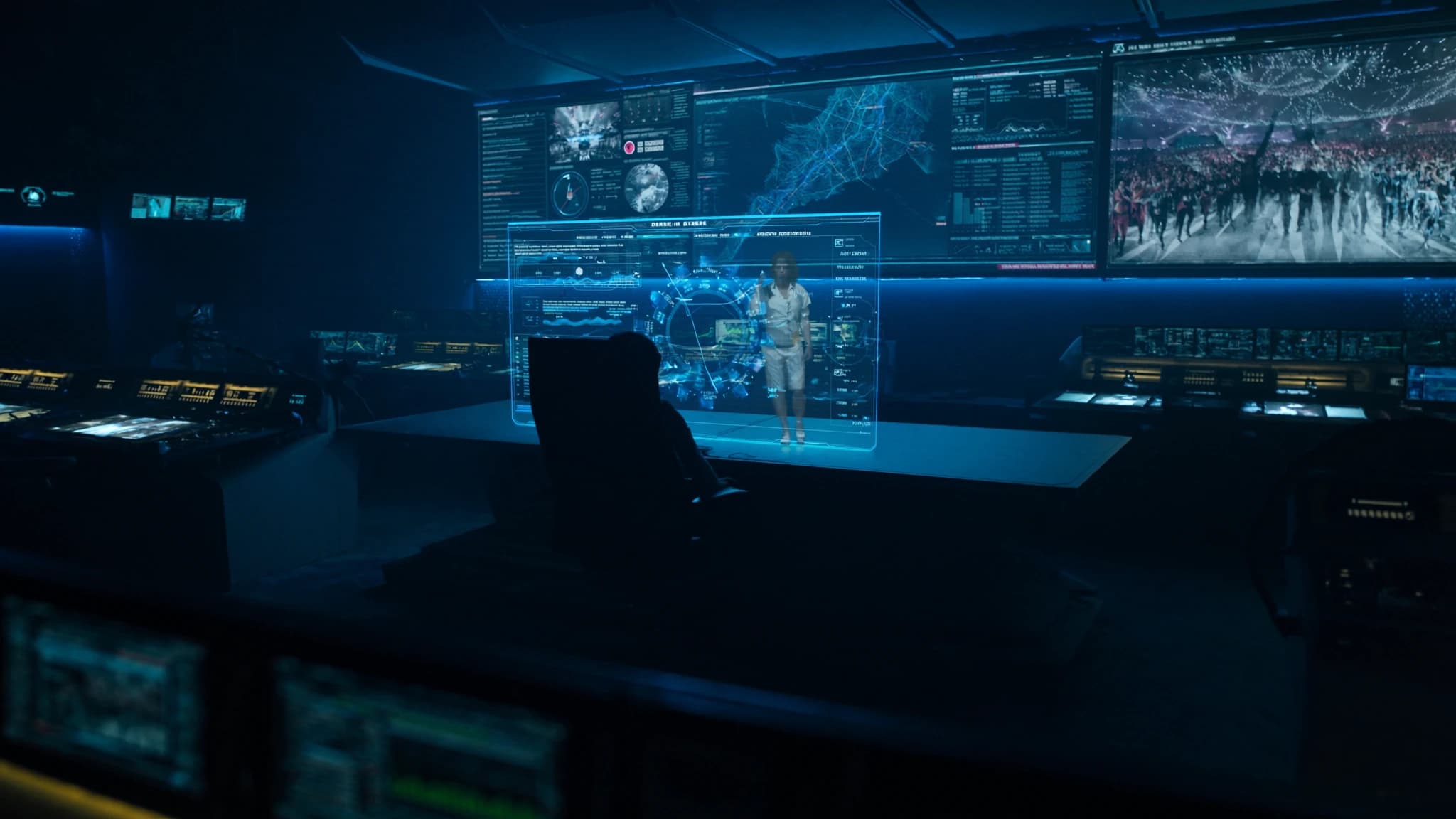
Artificial intelligence is quietly reshaping the touring industry — from automated system tuning to logistics optimization and even content generation. But as AI promises efficiency, veteran engineers know the road demands human intuition, adaptability, and trust that no algorithm can replace. This guide explores where AI will truly transform touring and where the human touch remains irreplaceable.

Key takeaways

  • AI can optimize system design, logistics, and content generation, reducing setup time and costs.
  • Real-time AI DSP adjustments improve consistency but require human oversight for artistic and safety decisions.
  • AI augments crew roles rather than replacing them, handling repetitive tasks while humans manage the unpredictable.
  • Limitations include unreliable connectivity, lack of intuition, and trust issues with black-box algorithms.
  • The best touring outcomes come from combining AI's efficiency with human expertise and creativity.
  • SSOUNDS integrates AI as a tool to enhance, not replace, the skills of touring professionals.

AI in System Design and Deployment

One of the most promising applications of AI in touring is in loudspeaker system design and deployment. Traditionally, designing a PA for a venue requires hours of manual modeling in software like EASE or Soundvision, combined with on-site adjustments. AI-powered tools can now ingest venue geometry, material absorption data, and coverage requirements to generate optimized array configurations in minutes. SSOUNDS engineers have integrated machine learning into our acoustic prediction algorithms, allowing us to simulate hundreds of array configurations and select the one that maximizes SPL uniformity and intelligibility — before a single box is flown.

AI also assists in real-time system optimization. Modern DSP platforms can analyze room response and automatically adjust EQ, delay, and level settings to compensate for temperature, humidity, and crowd absorption changes. While these systems are not yet a substitute for a skilled system engineer, they dramatically reduce setup time and provide a consistent baseline, especially in fast-turnaround festival environments.

Logistics and Routing: Smarter Trucks, Fewer Headaches

Touring logistics involve coordinating trucks, flights, hotel rooms, and backline across continents — a puzzle that AI is particularly good at solving. Machine learning algorithms can optimize truck packing (minimizing empty space and reducing weight), plan fuel-efficient routes, and predict maintenance needs based on vibration and temperature sensors on gear. For international tours, AI can handle visa scheduling, customs paperwork, and even suggest the most cost-effective freight options.

Some tour management platforms already use AI to forecast load-in times based on historical data, traffic patterns, and venue schedules. This allows production managers to avoid costly overtime and reduce the risk of missing curfews. As these systems mature, they will become standard tools for every tour, freeing up human managers to focus on crisis management and artist relations.

Content Generation: AI as Creative Partner

AI is increasingly used to generate visual content for live shows — from real-time video mapping that reacts to music to generative LED wall animations that adapt to the setlist. Tools like Runway ML and Stable Diffusion allow designers to create unique textures and effects on the fly, reducing the need for pre-rendered content. For audio, AI can assist in creating backing tracks, vocal harmonies, or even live remixing, though the artistic control remains firmly with the human creative team.

However, the line between tool and crutch is thin. Audiences come for the artist's vision, not an algorithm's. The most successful uses of AI in content generation are those where the technology enhances human creativity — for example, by automating tedious tasks like time-stretching or color grading — rather than replacing the creative director.

Crew and Automation: What AI Can't Replace

One of the biggest fears in the touring industry is that AI will replace jobs — from system techs to lighting operators. In reality, AI is more likely to augment roles than eliminate them. For example, an AI-driven mixing assistant might handle repetitive fader rides or noise gates during a show, but the front-of-house engineer remains essential for artistic decisions, handling unexpected feedback, and reading the room's energy.

Similarly, automation in rigging and load-in (e.g., self-driving forklifts or robotic truss movers) can reduce physical strain and speed up setup, but human oversight is critical for safety and troubleshooting. The touring industry is built on relationships, trust, and split-second decision-making — qualities that AI lacks. The future will see AI handling the predictable, while humans handle the unpredictable.

The Limits of AI on the Road

Despite its promise, AI has significant limitations in the touring environment. Network connectivity is often unreliable in venues and on tour buses, making cloud-dependent AI tools impractical. AI models trained on clean data may fail when faced with the chaos of a real show — a broken cable, a drunk audience member, or a last-minute setlist change. Moreover, AI lacks the intuition to know when to break the rules for the sake of the performance.

There is also the issue of trust. Engineers and artists are unlikely to hand over critical decisions to a black-box algorithm without understanding its reasoning. Explainable AI (XAI) is an emerging field that aims to make AI decisions transparent, but it is not yet mature enough for high-stakes live events. Until then, AI will remain a powerful assistant, not a replacement.

SSOUNDS' Approach: AI as a Tool, Not a Crutch

At SSOUNDS, we view AI as a means to empower our engineers and clients, not replace them. Our R&D team uses machine learning to refine loudspeaker presets and predict coverage, but every system is still tuned by human ears on site. We believe the best results come from combining AI's computational power with human expertise. For example, our AI-assisted array prediction tool gives the system tech a head start, but the final adjustments are made based on the room's unique acoustics and the artist's preferences.

As touring evolves, SSOUNDS is committed to developing tools that make life easier for production teams — smarter logistics, faster deployment, and more consistent sound — while preserving the artistry that makes live music special. The future of touring is not AI versus humans; it's AI and humans working together.

Frequently asked

Will AI replace live sound engineers?

No. AI can assist with tasks like automatic EQ adjustments or fader automation, but it cannot replicate the artistic judgment, problem-solving, and audience connection that a human engineer provides. AI will augment, not replace, engineers.

How does AI help with loudspeaker system design?

AI can analyze venue data and simulate thousands of array configurations to find the optimal coverage and SPL distribution. This speeds up the design process and provides a reliable starting point, but final tuning still requires human ears.

Can AI handle unexpected issues during a live show?

AI is poor at handling novel situations. It relies on training data and may fail when faced with equipment failure, unusual feedback, or last-minute changes. Human engineers are essential for real-time problem-solving.

What are the biggest challenges of using AI on tour?

Unreliable internet connectivity, the need for explainable decisions, and the difficulty of training AI on diverse real-world conditions are major hurdles. AI also requires significant computing power, which can be a constraint on the road.

How does SSOUNDS use AI in its products?

SSOUNDS uses machine learning to optimize loudspeaker presets and predict coverage patterns. Our AI tools assist engineers in system design and tuning, but we maintain that human expertise is essential for final decisions and artistic direction.

Building or upgrading a system?

SSOUNDS engineers and manufactures professional PA worldwide — from a single room to stadium scale.

Talk to an engineer
Chat on WhatsApp