AIはオーディオエンジニアを置き換えるのか?
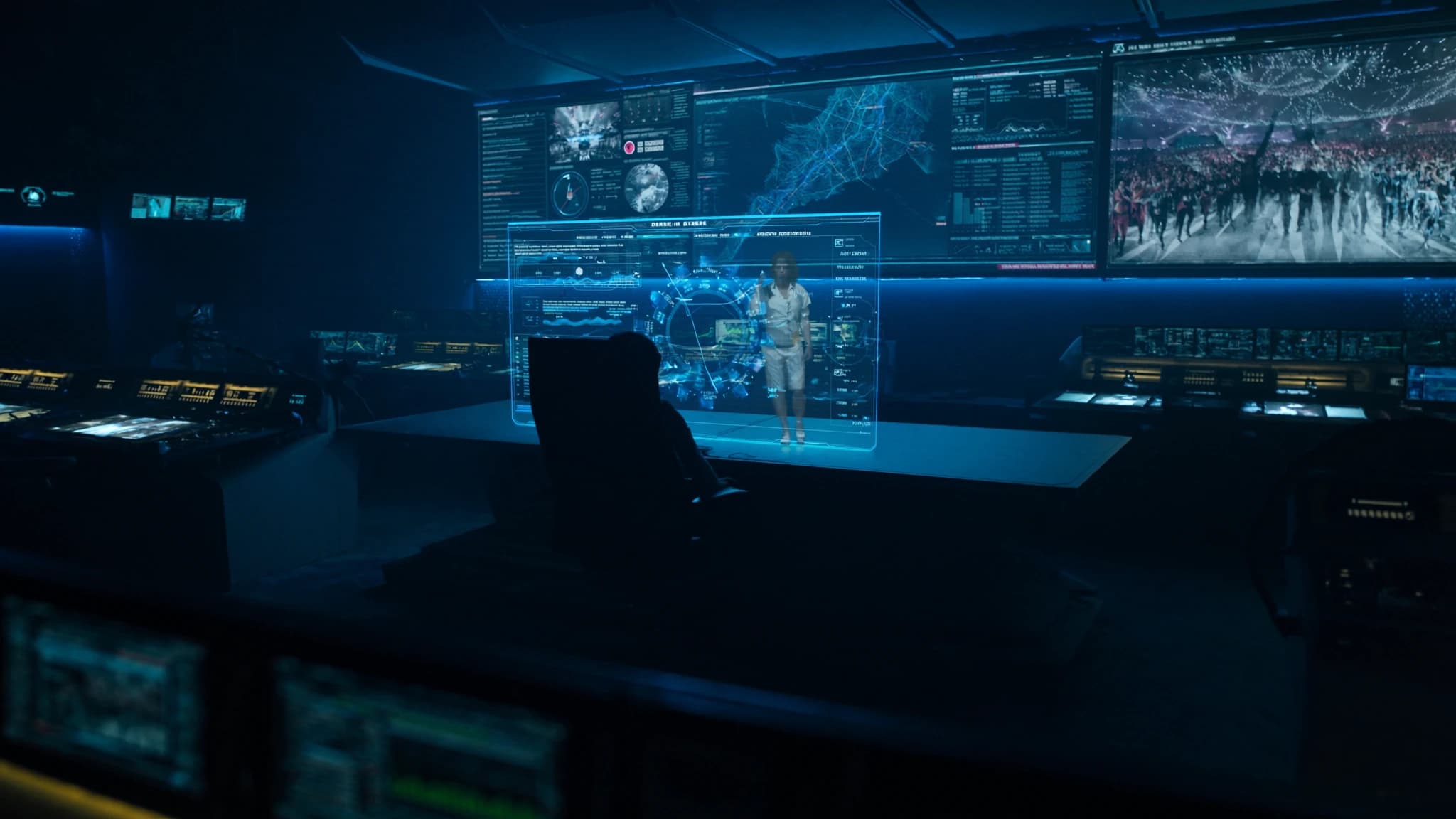
オーディオエンジニアリングにおけるAIの台頭は、興奮と不安の両方を引き起こしています。知的アルゴリズムが人間のエンジニアを不要にするのでしょうか?短い答えはノーですが、その役割は否定できないほど進化しています。AIは反復的なタスクの自動化と複雑な計算の最適化に優れていますが、優れたオーディオエンジニアリングを定義する創造的な直感、クリティカルリスニング、クライアントとの協働を再現することはできません。このガイドでは、AIがワークフローの中でどこに位置するのか、それがあなたのキャリアにとって何を意味するのか、そしてAIと共にどのように成功するかを探ります。
主なポイント
- AIはノイズリダクション、システム最適化、ラフミキシングなどの反復的でデータ駆動型のタスクに優れていますが、創造的な直感とリアルタイムの問題解決に欠けています。
- 人間のエンジニアは、クリティカルリスニング、クライアントとの協働、予測不可能なライブサウンドシナリオの処理において代替不可能です。
- 最も成功するエンジニアはハイブリッドワークフローを採用し、AIを使って面倒な作業を自動化しつつ、芸術的および技術的な意思決定に焦点を当てます。
- 成功するためには、AIが再現できないスキルを開発しましょう:クリティカルリスニング、コミュニケーション、適応性、深い技術知識。
- AIはエントリーレベルのオーディオ作業を民主化しますが、ライブサウンド、創造的なミキシング、複雑な制作における高レベルの専門知識の需要を高めます。
- オーディオエンジニアリングの未来は、AIとの協働であり、置き換えではありません。
オーディオにおいてAIが得意なこと
AIはデータ駆動型でルールベースの領域で目覚ましい進歩を遂げています。iZotope OzoneのMaster Assistant、LANDR、さまざまなAI搭載ミキシングアシスタントなどのツールは、オーディオを分析し、EQカーブを提案し、コンプレッションのしきい値を設定し、さらには数秒でトラックをマスタリングすることもできます。ライブサウンドでは、AIはシステムチューニングを支援できます。SSOUNDSのエンジニアは機械学習を使用してDSPプリセットを最適化し、カバレッジパターンを予測することで、手動測定の時間を短縮しています。
AIはまた、ノイズリダクション、音源分離(例:ミックスからボーカルを抽出)、自動文字起こしにも優れています。これらの機能は何時間もの退屈な作業を節約し、エンジニアがより高次の意思決定に集中できるようにします。ポストプロダクションでは、AIはダイアログをクリーンアップし、クリックやポップノイズを除去し、さらにはオーディオをビデオに自動同期させることもできます。
AIが及ばないところ
その力にもかかわらず、AIは文脈、感情、芸術的意図を真に理解していません。機械は技術的にバランスの取れたミックスを提案できますが、楽曲の感情的な弧を感じたり、わずかに歪んだボーカルが個性を加えることを知ることはできません。ライブサウンドでは、AIは会場の雰囲気を読んだり、パフォーマーの自発的なダイナミクスの変化を予期したりすることはできません。
AIはまた、新しい問題に苦戦します。ショー中にマイクが故障したり、予期しない周波数でハウリングループが発生した場合、人間のエンジニアがリアルタイムで診断し解決しなければなりません。AIモデルは履歴データで訓練されており、独特で予測不可能なシナリオに適応することはできません。さらに、クライアントとの関係、ミュージシャンのビジョンの理解、エゴの管理、非エンジニアへの技術的概念の伝達は、本質的に人間のスキルです。
ハイブリッドワークフロー:AIはツールであり、代替ではない
最も成功するオーディオエンジニアは、AIを競争相手ではなく強力なアシスタントとして扱います。たとえば、エンジニアはAIを使ってラフミックスやマスタリングを素早く生成し、その後耳で細部を調整する時間を費やすことができます。ライブサウンドでは、AIがシステムの最適化とモニタリングを処理し、エンジニアはミックスと観客の体験に集中できます。
SSOUNDSでは、AIを設計およびシミュレーションツールに統合していますが、最終的なチューニングと展開には常に人間の専門知識に依存しています。当社のエンジニアはAIを使用してカバレッジをモデル化し、パフォーマンスを予測しますが、トーンバランスとシステムアライメントについては主観的な判断を下します。このハイブリッドアプローチは、効率性と芸術性の両方の長所を提供します。
AIと共に成功するためのスキル
不可欠であり続けるために、オーディオエンジニアはAIが再現できないスキルに焦点を当てるべきです。クリティカルリスニング、微妙な歪み、位相の問題、トーンの不均衡を聞き分ける能力は、人間の超能力です。多様な素材と困難な音響環境で練習して、耳を養いましょう。
強力な対人スキルとコミュニケーションスキルを開発しましょう。クライアントはあなたのセンス、判断力、そして彼らのビジョンを音に変換する能力のためにあなたを雇います。アーティスト、プロデューサー、イベントオーガナイザーと協力することを学びましょう。また、技術的な好奇心を持ち続けましょう。AIツールがどのように機能するか、その限界、そして必要に応じてそれらをオーバーライドする方法を理解しましょう。最後に、ライブサウンドミキシング、イマーシブオーディオ、創造的なサウンドデザインなど、人間のタッチが最も重要となる領域を専門にしましょう。
ライブサウンドにおけるAI:ケーススタディ
ライブサウンドでは、AIはすでに自動マイクミキシング、ハウリング抑制、ルームイコライゼーションに使用されています。しかし、騒がしい観客、気まぐれなモニターシステム、土壇場のステージ変更に対処する方法を知っている熟練したエンジニアの経験を置き換えるAIはありません。フェスティバルやツアーでは、SSOUNDSシステムはしばしばAI支援ソフトウェアでチューニングされますが、最終的なミックスは常に人間の手にあります。
AIは予知保全にも役立ち、システムデータを分析して潜在的な故障を警告できますが、その場でトラブルシューティングするエンジニアの能力を置き換えることはできません。人間のエンジニアは、すべての優れたライブパフォーマンスの背後にある安全網であり、創造力であり続けます。
未来:陳腐化ではなく協働
エンジニアを置き換えるのではなく、AIはオーディオ制作の特定の側面を民主化し、高品質な結果を初心者にもアクセス可能にします。これはエントリーレベルでの競争を激化させるかもしれませんが、プロフェッショナルの基準も引き上げます。AIを創造的なパートナーとして受け入れるエンジニアは、より良い仕事をより速く生み出し、より高い報酬を得るでしょう。
業界は、完璧さと芸術性が譲れないハイステークスなプロジェクト、ライブコンサート、映画サウンドトラック、放送イベントのために、熟練したエンジニアを必要とし続けます。AIは面倒な作業を処理し、エンジニアは魔法を処理します。
よくある質問
AIはライブサウンドエンジニアを置き換えるのか?
完全に置き換わるわけではありません。AIはシステムチューニング、ハウリング抑制、モニタリングを支援できますが、会場の空気を読み、予期せぬ変化に適応し、リアルタイムで創造的な判断を下す人間の能力を置き換えることはできません。AIをツールとして受け入れるライブサウンドエンジニアは、今後も不可欠であり続けるでしょう。
AIは人間と同じように楽曲をマスタリングできるのか?
AIは技術的に優れたマスタリングを素早く生み出せますが、ジャンル、感情的インパクト、ダイナミックレンジに対する、熟練した人間のエンジニアが持つ微妙な理解に欠けることがよくあります。商業リリースでは人間によるマスタリングが依然として好まれますが、AIは有用な出発点になり得ます。
AIにとって最もリスクの高いオーディオエンジニアの仕事は何か?
基本的な編集、ノイズリダクション、簡単なミックスなど、反復的なタスクを含むエントリーレベルの職種が最も影響を受けやすいです。しかし、創造的な判断、クライアントとのやり取り、ライブでの問題解決を必要とする仕事ははるかに安全です。ハイエンドなライブサウンド、イマーシブオーディオ、サウンドデザインを専門にすることで、キャリアを将来にわたって守ることができます。
オーディオワークフローでAIを使いこなすにはどう学べばよいか?
iZotope Ozone、LANDR、Adobe PodcastなどのAI搭載プラグインやソフトウェアを試すことから始めましょう。それらを使ってラフミックスやマスタリングを生成し、耳で調整します。ライブサウンドでは、AI支援によるシステムチューニングツールを探求してください。鍵は、AIが得意なことと、どこで介入すべきかを理解することです。
AIはオーディオエンジニアリングの創造性を低下させるのか?
いいえ、むしろ退屈な作業からエンジニアを解放することで創造性を高めることができます。AIが技術的な最適化を処理することで、エンジニアはサウンドデザイン、アレンジ、芸術的な選択を試す時間をより多く持てます。オーディオエンジニアリングの創造的な核心は、しっかりと人間に残ります。
システムの構築やアップグレードをお考えですか?
SSOUNDSは、単一の部屋からスタジアム規模まで、プロ用PAを世界中で設計・製造しています。