AI時代に備えてAVキャリアを将来にわたって強固にする方法
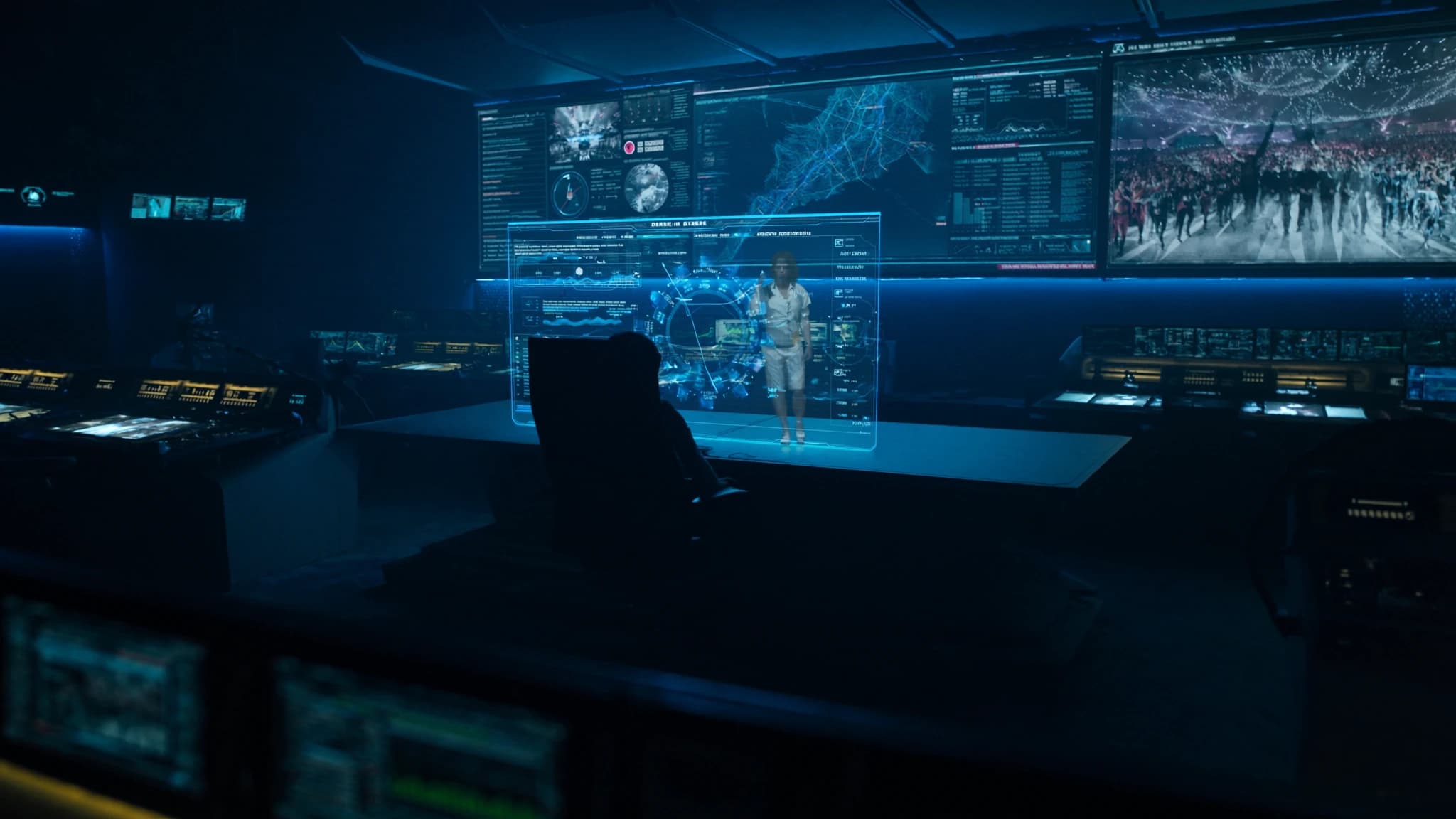
人工知能が音響・映像業界を再形成する中で、多くのプロフェッショナルが自動化によって自分の役割が奪われるのではないかと懸念しています。真実は、AIは強力なツールであり、使いこなせばあなたの価値を高めることができ、損なうことはありません。このガイドは、AVプロフェッショナルがAIが補完するスキルと人間の専門知識が依然として不可欠な領域に焦点を当て、キャリアを将来にわたって強固にするための実践的な戦略を提供します。
主なポイント
- AIは反復的なタスクを自動化しますが、人間の創造性、共感、批判的思考を置き換えることはできません。
- クリティカルリスニング、クライアントとのコミュニケーション、ライブでの問題解決など、代替不可能なスキルを深めましょう。
- AIツールをマスターして効率を高め、AI拡張ワークフローの頼れる専門家になりましょう。
- 人間の適応性が不可欠な複雑でハイリスクな環境に特化しましょう。
- 業界の変化に先んじるために、生涯学習とネットワーキングにコミットしましょう。
- AV専門知識とAI熟練度を融合させたハイブリッドなプロフェッショナルを目指しましょう。
AVにおけるAIの最も得意なことを理解する
AIは反復的でデータ集約的なタスク、つまり自動ミキシング、サウンドシステムの最適化、予知保全などが得意です。例えば、AI駆動のDSPはPAシステムを数秒で調整でき、機械学習アルゴリズムは部屋の音響を分析して最適なスピーカー配置を提案できます。しかし、AIには人間のプロフェッショナルがもたらす文脈理解、創造性、ニュアンスのある意思決定が欠けています。
これらの能力を恐れるのではなく、活用することを学びましょう。AIツールを使用して時間のかかるキャリブレーションを処理し、創造的なサウンドデザイン、クライアントとの関係、複雑な問題解決に集中できるようにします。鍵は、AIをアシスタントとして見ることであり、代替品として見ることではありません。
あなたの代替不可能な人間的スキルを深める
AIはデータを処理できますが、人間の直感、共感、芸術的判断を複製することはできません。クリティカルリスニング、感情的インパクトのためのミキシング、クライアントのビジョンの理解などのスキルは、人間に固有のものです。耳のトレーニング、音楽理論、さまざまなジャンルがライブサウンドでどのように変換されるかの研究に時間を投資しましょう。
コミュニケーションとプロジェクト管理も同様に重要です。AIはレポートを生成できますが、会場マネージャーとの交渉、不安なアーティストのなだめ、プレッシャー下でのクルーの指導はできません。これらのソフトスキルは、技術的なタスクが自動化されるにつれて、より価値が高まります。
競争力を維持するためにAIツールをマスターする
最も将来に強いAVプロフェッショナルは、AIツールを流暢に操作できる人々です。AIベースのシステム設計ソフトウェア、自動ミキシングプラグイン、機器メンテナンスのための予測分析の使用方法を学びましょう。例えば、SSOUNDSのエンジニアはAI支援の音響モデリングを使用してカバレッジパターンを予測し、より迅速で正確なシステム展開を可能にしています。
AudinateのDante Domain Manager(ネットワーク最適化にAIを使用)やSoundvisionの自動予測ツールなどのプラットフォームに慣れましょう。AI駆動のシステムをセットアップし、解釈し、トラブルシューティングできる人になることで、あなたは不可欠になります。
複雑でハイリスクな環境に特化する
AIは、ライブ放送、大規模フェスティバル、没入型インスタレーションなど、予測不可能でハイリスクなシナリオが苦手です。これらの環境は、リアルタイムの適応性、リスク評価、創造的な問題解決を要求し、これらはすべて人間の強みです。例えば、マルチステージフェスティバルや多言語のコーポレートイベントの音響設計など、そのような分野に特化することで、あなたのスキルは需要があり続けます。
さらに、システム統合とカスタムソリューションに焦点を当てましょう。AIは標準的なセットアップを提案できますが、ユニークな会場や芸術的ビジョンに合わせてシステムを調整するには人間の専門知識が必要です。例えば、SSOUNDSは複雑なインスタレーションのためにカスタムリギングとチューニングを頻繁に提供しており、これはAIが複製できないサービスです。
継続的な学習とネットワーキングを受け入れる
AV業界は急速に進化しており、AIはその変化を加速させています。認定(例:CTS、Dante、またはメーカートレーニング)、オンラインコース、業界イベントを通じて生涯学習にコミットしましょう。定期的に技術的洞察やケーススタディを公開しているSSOUNDSのようなソートリーダーやメーカーをフォローしましょう。
ネットワーキングも同様に重要です。AESやNSCAのような専門組織に参加し、トレードショーに出席し、オンラインフォーラムに参加しましょう。人間のつながりは、アルゴリズムが生成できない機会をもたらします。信頼できる知識豊富なプロフェッショナルとして知られることは、AIが複製できないキャリア資産です。
ハイブリッドな役割を開発する:AI拡張AVプロ
未来は、技術的なAV専門知識とAI熟練度を組み合わせたプロフェッショナルに属します。例えば、AIを使用して初期のシステム設計を生成し、その後あなたの経験に基づいて改良することができます。または、自分のミキシングの好みに基づいてAIモデルをトレーニングして、ワークフローをスピードアップすることもできます。
従来のスキルとデータサイエンスを融合させた「AVシステムデザイナー」や「オーディオデータアナリスト」のような役割を検討してください。人間の芸術性と機械の効率性の橋渡しとして自分を位置付けることで、あなたはどんな組織にとっても不可欠になります。
よくある質問
AIはライブサウンドエンジニアを置き換えますか?
AIは基本的なミキシングやシステムチューニングなどの特定のタスクを自動化しますが、人間のエンジニアの創造的で適応力のある意思決定を置き換えることはできません。役割は、芸術的な方向性、クライアントとのやり取り、AIツールの管理により重点を置くように進化していきます。
AVプロフェッショナルはどのAIツールを学ぶべきですか?
AI支援のシステム設計ソフトウェア(例:EASE Focus、Soundvision)、自動ミキシングプラグイン(例:iZotope Neutron)、予知保全プラットフォームから始めましょう。また、ネットワーク最適化や音響モデリングのためのAIも探求してください。
技術者でない場合、どうすれば関連性を保てますか?
クライアント管理、プロジェクト調整、クリエイティブディレクションなどのソフトスキルに焦点を当てましょう。非技術的な役割であっても、AIの能力を理解することで、技術チームやクライアントとのコミュニケーションが改善されます。
AVのためのAI認定を取得する価値はありますか?
はい、AI関連のAVツール(例:Dante、AES67、またはメーカー固有のトレーニング)の認定は、最新の状態を維持するためのコミットメントを示します。また、テクノロジーの実践的な経験も提供します。
どの業界が依然として人間のAVプロフェッショナルを必要としますか?
ライブイベント、放送、没入型インスタレーション、ハイエンドのコーポレートAVは、その複雑さとリアルタイムの適応の必要性から、引き続き人間の専門知識を必要とします。これらの分野は、自動化よりも創造性と信頼性を重視します。
システムの構築やアップグレードをお考えですか?
SSOUNDSは、単一の部屋からスタジアム規模まで、プロ用PAを世界中で設計・製造しています。