プロオーディオにおけるAIの未来
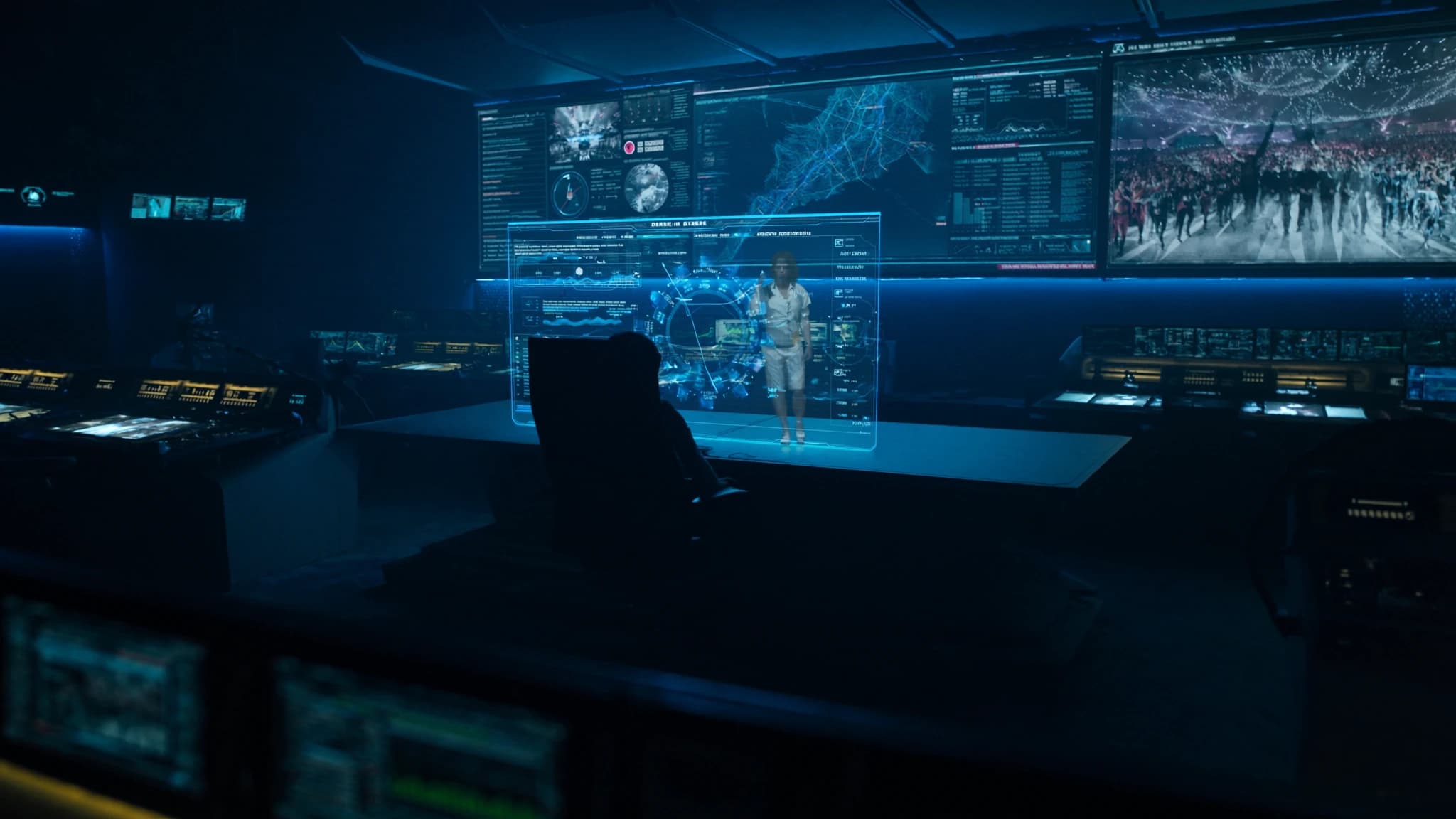
人工知能は、システム設計からライブミックス、メンテナンスに至るまで、プロオーディオを再形成しつつあります。メーカーとして、私たちSSOUNDSはAIを、人間の専門知識を置き換えるものではなく、強化する強力なツールと捉えています。本ガイドでは、AIが向かう先と、人間の手にしっかりと残るものを探ります。
主なポイント
- AIはカバレッジをシミュレーションしDSPプリセットを最適化することでシステム設計を強化しますが、最終的な判断は人間のデザイナーが下します。
- ライブミックスでは、AIが技術的なタスクを自動化し、エンジニアが創造的な決定に集中できるようにします。
- AIによる予知保全は、ラウドスピーカーとアンプの状態を監視することでダウンタイムを削減します。
- コンテンツ制作におけるAIはポストプロダクションを加速しますが、芸術的なミックスには人間のセンスが不可欠です。
- プロオーディオの未来はAIと人間のパートナーシップであり、SSOUNDSがスマートシステム統合で先導します。
システム設計と予測におけるAI
大規模なサウンドシステムの設計は、常に複雑なパズルでした。カバレッジ、SPL、明瞭度、リギングがすべて一致しなければなりません。AIは数千の構成を数分でシミュレーションすることでこれを加速します。SSOUNDSでは、AI支援による音響モデリングを用いて、1台のボックスが吊られるはるか前に、私たちのラインアレイとサブウーファーが特定の会場でどのように振る舞うかを予測します。これにより当て推量が減り、設計がクライアントの目標を満たすことが保証されます。
機械学習はラウドスピーカープリセットも最適化します。ドライバーの挙動とエンクロージャーの応答に関する膨大なデータセットを分析することで、AIは生産ロット全体で一貫した性能を得るためにDSPパラメータを微調整できます。つまり、すべてのSSOUNDSシステムはすでに理想に近いプリセットを搭載して出荷され、インテグレーターのチューニング時間を何時間も節約します。
今後は、AIが予測するだけでなく、設計の代替案を提案するようになるでしょう。たとえば、会場が扱いにくい形状の場合、AIは分散型システムや異なるアレイの曲率を提案できます。しかし、最終的な決定は依然としてシステムデザイナーに委ねられ、予算、リギングポイント、クライアントの要望といった実務的要因を天秤にかけます。
ライブミックスとプロセッシングにおけるAI
ライブミックスは芸術ですが、AIは反復的なタスクを処理し、インテリジェントな支援を提供できます。ゲイン構造を自動調整し、フィードバックを抑えるためにダイナミックEQを適用し、大音量のバンドに対してボーカルのレベルをバランスさせるAIを想像してみてください。その一部は今日の高度なコンソールにすでに存在しますが、次の波はより統合され、透明になるでしょう。
SSOUNDSでは、変化する音響にリアルタイムで適応するAI駆動のDSPを探求しています。たとえば、会場の温度や湿度が変化した場合、AIは音調バランスを維持するためにEQを微妙に調整できます。これはエンジニアを置き換えることではなく、彼らに超能力を与えることです。エンジニアは依然として創造的な決定を下しますが、AIは技術的な雑務を処理します。
AIがイマーシブオーディオのミックスを支援する可能性もあります。オブジェクトベースのフォーマットでは、AIがパンニングと動きを自動化し、ミキサーが感情的インパクトに集中できるようにします。しかし繰り返しますが、人間の耳とセンスが最終的な判断者であり続けます。
メンテナンスと信頼性のためのAI
ライブサウンドにおいてダウンタイムは悪夢です。AIはラウドスピーカーのテレメトリ(ボイスコイル温度、エクスカーション、アンプ負荷など)を監視することで、故障が起こる前に予測できます。SSOUNDSはシステムヘルスモニタリングに機械学習を統合しており、ドライバーが飛ぶ前に異常がアラートを発するようにしています。
予知保全はアンプやDSPにも及びます。AIは電力消費パターンと信号整合性を分析し、潜在的な問題をフラグ立てできます。これは、機器が毎晩酷使されるツアーで特に価値があります。問題を早期に捉えることで、AIはショーが続行されるのを助けます。
ハードウェアを超えて、AIはロジスティクスを最適化できます。レンタル会社にとって、AIは需要を予測し、在庫配分を提案できます。メーカーにとっては、音声分析を通じて製造欠陥を検出することで品質管理を効率化できます。目標は信頼性であり、AIは強力な味方です。
コンテンツ制作とポストプロダクションにおけるAI
AIはノイズリダクション、ステム分離、さらにはミックスの提案のためのツールで、すでにスタジオ作業を変革しています。プロオーディオでは、これらのツールはより洗練されてきています。ライブ録音では、AIはマイク間のブリードを自動的にクリーンアップしたり、濁ったミックスの明瞭度を回復したりできます。
SSOUNDSはAIを、ユーザーのためのコンテンツを強化する方法と見ています。たとえば、AIがライブ録音を分析し、会場の音響に合ったEQやコンプレッション設定を提案できます。これにより、バンドやエンジニアはより良いミックスをより速く制作できます。
しかし、AI生成コンテンツは依然として人間の創造性のニュアンスに欠けます。最良の結果はハイブリッドアプローチから生まれます。AIが技術を処理し、人間が芸術を処理する。このバランスがコンテンツ制作の未来を定義するでしょう。
人間にとどまるもの
AIの進歩にもかかわらず、プロオーディオの特定の側面は本質的に人間のものです。ミックスでボーカルをわずかに押し出す創造的な決断、観客がより多くのエネルギーを必要としているときを知る直感、プレッシャーの中で奇妙なハムをトラブルシューティングする能力。これらは人間のスキルです。
AIはデータと提案を提供できますが、音楽を感じることはできません。パフォーマンスの感情的弧や曲の文化的文脈を理解することはできません。SSOUNDSでは、私たちのシステムを人間の表現のためのツールとして設計しており、その代替としてではありません。
さらに、エンジニアとメーカーの関係は信頼とコミュニケーションの上に築かれています。AIはサポートを支援できますが、システム設計とチューニングに関する最終的な言葉は、しばしば専門家同士の会話に帰着します。その人間的なつながりはかけがえのないものです。
SSOUNDSのビジョン:イネーブラーとしてのAI
SSOUNDSでは、私たちのラウドスピーカー、アンプ、DSPをよりスマートで信頼できるものにするためにAIに投資しています。ヨーロッパでのR&Dは、AI支援モデリングと機械学習を活用して、可能なことの限界を押し広げています。しかし、私たちの製品が人々に奉仕するという事実を決して見失いません。ミュージシャン、エンジニア、そして観客です。
私たちは、プロオーディオの未来は人間の創意工夫と人工知能の協働であると信じています。AIは複雑な計算、予知保全、反復的なタスクを処理し、人間を解放して創造性とつながりに集中させます。これが私たちを駆り立てるビジョンです。
英国、米国、ナイジェリア、ガーナ、西アフリカにオフィスを持つグローバルメーカーとして、私たちはこのバランスを体現するシステムを提供することにコミットしています。ラゴス、ロンドン、ロサンゼルスのどこをツアーしていても、SSOUNDSは最先端のテクノロジーと人間の専門知識であなたのサウンドをサポートします。
よくある質問
AIはサウンドエンジニアを置き換えますか?
いいえ。AIは反復的で技術的なタスクを自動化しますが、ミックスやシステム設計の創造的・感情的な側面は人間の領域にとどまります。エンジニアはAIを仕事を強化するツールとして使うことになります。
SSOUNDSは製品にどのようにAIを使っていますか?
SSOUNDSはシステム設計にAI支援による音響モデリングを、DSP最適化に機械学習を、信頼性向上に予知保全を活用しています。私たちの目標は、システムをよりスマートで信頼できるものにすることです。
AIはさまざまな会場でのシステムチューニングに役立ちますか?
はい。AIは会場の音響を分析し、EQやディレイの設定を提案できますが、人間のエンジニアが主観的なリスニングに基づいて検証し、微調整すべきです。
AIは現在のライブサウンドですでに使われていますか?
自動フィードバック抑制など、高度なコンソールやDSPにはすでに一部のAI機能が存在します。ミックスやメンテナンスのためのより高度なAIは登場しつつあり、今後さらに一般的になるでしょう。
SSOUNDSの製造においてAIはどのような役割を果たしていますか?
AIはラウドスピーカープリセットの最適化と品質管理に役立ちます。また、性能のシミュレーションを支援し、出荷前にすべてのSSOUNDSシステムが私たちの高い基準を満たすことを保証します。
システムの構築やアップグレードをお考えですか?
SSOUNDSは、単一の部屋からスタジアム規模まで、プロ用PAを世界中で設計・製造しています。