ライブイベントにおけるAIの倫理
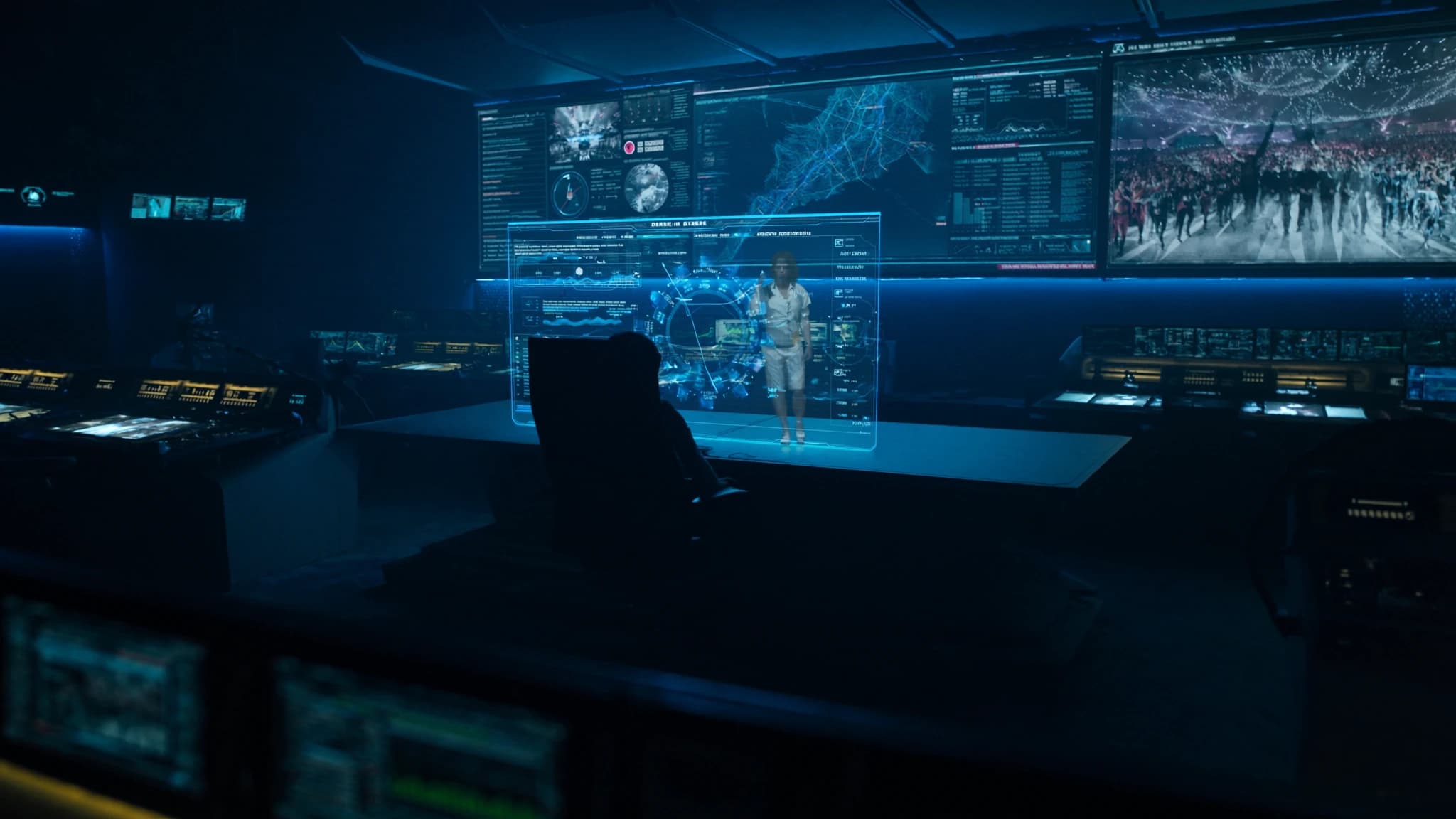
人工知能がライブイベントを再形成する中で、AI支援ミキシングや自動照明から顔認識や生成コンテンツまで、業界は緊急の倫理的問題に直面しています。このガイドでは、雇用の喪失、同意と肖像権、データプライバシーと監視、AI生成体験の真正性といった主要なジレンマを探ります。プロオーディオメーカーとしてのSSOUNDSは、透明性、人間の監督、倫理的な設計が優先される場合、責任ある採用が可能であると考えています。
主なポイント
- AIは人間の役割を強化すべきであり、置き換えるべきではありません。再訓練と監督に投資してください。
- アーティストや参加者の肖像を生成または操作するためにAIを使用するには、明示的な同意を取得してください。
- データ収集と使用について透明性を保ち、可能な限りデータを最小化し匿名化してください。
- AI生成コンテンツをラベル付けし、パフォーマンスを真にライブに保つことで真正性を保持してください。
- AIシステムのバイアスを監査し、すべての人口統計で公平性を確保してください。
- 責任あるフレームワークを採用してください:透明性、人間の監督、同意、プライバシー、公平性、説明責任。
雇用と人間的要素
最も直接的な懸念の一つは、AIが熟練した技術者、エンジニア、クリエイターを置き換えるかどうかです。ライブサウンドでは、AIはミキシングを自動化し、システムチューニングを最適化し、メンテナンスの必要性を予測できます。これらはかつて何年もの専門知識を要したタスクです。しかし、SSOUNDSはAIを人間の才能を置き換えるのではなく強化するツールと見なしています。例えば、AI支援音響モデリングはシステム設計を迅速化できますが、最終的なチューニングと創造的な決定は依然として人間の耳と経験に依存します。
雇用の喪失のリスクは現実的であり、特にルーチンタスクにおいてそうです。しかし、業界は労働者を再訓練して、より高次の役割(創造的な方向性、観客体験の設計、AIシステムの監督)に焦点を当てることでこれを緩和できます。倫理的な採用とは、訓練に投資し、AIの展開が単に生計を犠牲にしてコストを削減するものではないことを保証することを意味します。
AI生成コンテンツにおける同意と肖像
AIは現在、リアルなアバター、ディープフェイクパフォーマンス、アーティストの仮想バージョンを生成でき、同意と肖像権に関する深刻な問題を提起しています。AIが許可なくパフォーマーの画像や声を再現する場合、それは彼らの自律性と潜在的に生計を侵害します。イベント主催者は、AIを使用して肖像を生成または操作する前に、アーティストから明示的で情報に基づいた同意を得る必要があります。
契約では、AIがどのように使用されるか、どのようなデータが収集されるか、アーティストのデジタルツインを再利用できるかどうかを明確に定義する必要があります。同じことが観客にも当てはまります:AIが彼らの画像をキャプチャまたは変更するために使用される場合(例:没入型投影)、彼らはオプトインする必要があります。SSOUNDSは、個人の権利を尊重し、搾取を防ぐ業界全体の標準を提唱しています。
データプライバシーと監視
ライブイベントにおけるAIシステムは、チケット購入、ソーシャルメディア、顔認識、さらには音声録音など、データに依存することがよくあります。このデータはパーソナライゼーション、セキュリティ、群衆管理を改善できますが、プライバシーリスクももたらします。チェックされていない監視は、コンサートをデータ収集の場に変え、信頼を損なう可能性があります。
倫理的な展開には透明性が必要です:参加者は、どのようなデータが収集され、どのように使用され、どのくらい保持されるかを知るべきです。データ最小化、つまり必要なものだけを収集すること、および匿名化が不可欠です。SSOUNDSは、例えば音声データは、明示的な同意なしに監視に使用されるべきではないと考えています。イベント主催者はまた、GDPRや現地のプライバシー法などの規制を遵守する必要があります。
真正性とライブ体験
ライブイベントは、その真正性、台本のない瞬間、人間のつながり、共有体験のために評価されています。AIは、音質、照明、効果を改善することでこれを強化できますが、偽のパフォーマンスや観客の反応を操作するために使用される場合、それを損なうこともあります。例えば、AI生成の拍手や事前録音されたボーカルをライブとして提供することは、観客を欺く可能性があります。
真正性は保持されなければなりません。SSOUNDSは、AI生成コンテンツを明確にラベル付けし、コアパフォーマンスが真にライブであることを推奨しています。AIは体験に奉仕すべきであり、人間的要素を置き換えるべきではありません。透明に使用される場合、例えば部屋に適応するAI支援ミキシングは、よりクリアで没入感のあるサウンドを提供することで真正性を高めることができます。
AIシステムにおけるバイアスと公平性
バイアスのかかったデータで訓練されたAIモデルは、差別を永続させる可能性があります。ライブイベントでは、これは特定の肌の色を好む照明やサウンドシステム、または多様なアーティストを排除する推薦アルゴリズムを意味する可能性があります。公平性を確保するには、多様な訓練データ、定期的な監査、包括的な設計が必要です。
SSOUNDSのエンジニアは、さまざまな環境と人口統計でテストすることにより、音響モデルとDSPプリセットのバイアスを排除するよう努めています。業界は、公平性の明確な指標と、バイアスが見つかった場合に修正するコミットメントをもって、AIシステムに責任を持たせる必要があります。
責任ある採用:フレームワーク
AIを倫理的に採用するには、イベントプロフェッショナルはフレームワークに従うべきです:(1)透明性、すべての利害関係者にAIの使用を開示する。(2)人間の監督、重要な決定には人間をループに保つ。(3)同意、データ収集と肖像使用の許可を得る。(4)プライバシー、データを最小化し保護する。(5)公平性、バイアスを監査する。(6)説明責任、AIの結果に責任を負う。
SSOUNDSはこれらの原則をAI支援ツールに統合し、テクノロジーが搾取するのではなく力を与えることを保証します。倫理を優先することで、ライブイベント業界は信頼と誠実さを維持しながらAIの利点を活用できます。
よくある質問
AIはライブサウンドエンジニアを置き換えるでしょうか?
AIは一部のタスクを自動化できますが、エンジニアを完全に置き換える可能性は低いです。むしろ、エンジニアの焦点を創造的および監督的な役割に移行させるでしょう。SSOUNDSは、人間の専門知識を支援するためにAIツールを設計しており、置き換えるためではありません。
AIを使用してパフォーマーの声や画像を再現することは合法ですか?
それは同意と契約によります。明示的な許可がない場合、パーソナリティ権、著作権、またはパブリシティ法に違反する可能性があります。常に書面による同意を取得し、AIがどのように使用されるかを指定してください。
AIを使用する際、イベント主催者はどのようにして参加者のプライバシーを保護できますか?
データ収集について透明性を保ち、必要なデータのみを収集し、匿名化し、プライバシー法を遵守することによって。SSOUNDSは、監視やデータキャプチャには明確な表示とオプトイン同意を推奨しています。
AI生成コンテンツは本物と見なすことができますか?
開示されれば、AI生成コンテンツは本物の体験の一部となり得ますが、観客を欺くべきではありません。AIの貢献をラベル付けすることで信頼が保たれます。
AIの使用が倫理的であることを確認するためにどのようなステップを踏むことができますか?
フレームワークに従ってください:透明性を保ち、人間をループに保ち、同意を取得し、プライバシーを保護し、バイアスを監査し、責任を負う。SSOUNDSは、ライブサウンドにおける倫理的なAI統合に関するガイダンスを提供しています。
システムの構築やアップグレードをお考えですか?
SSOUNDSは、単一の部屋からスタジアム規模まで、プロ用PAを世界中で設計・製造しています。