SSOUNDSがシステムにAIをどのように活用しているか
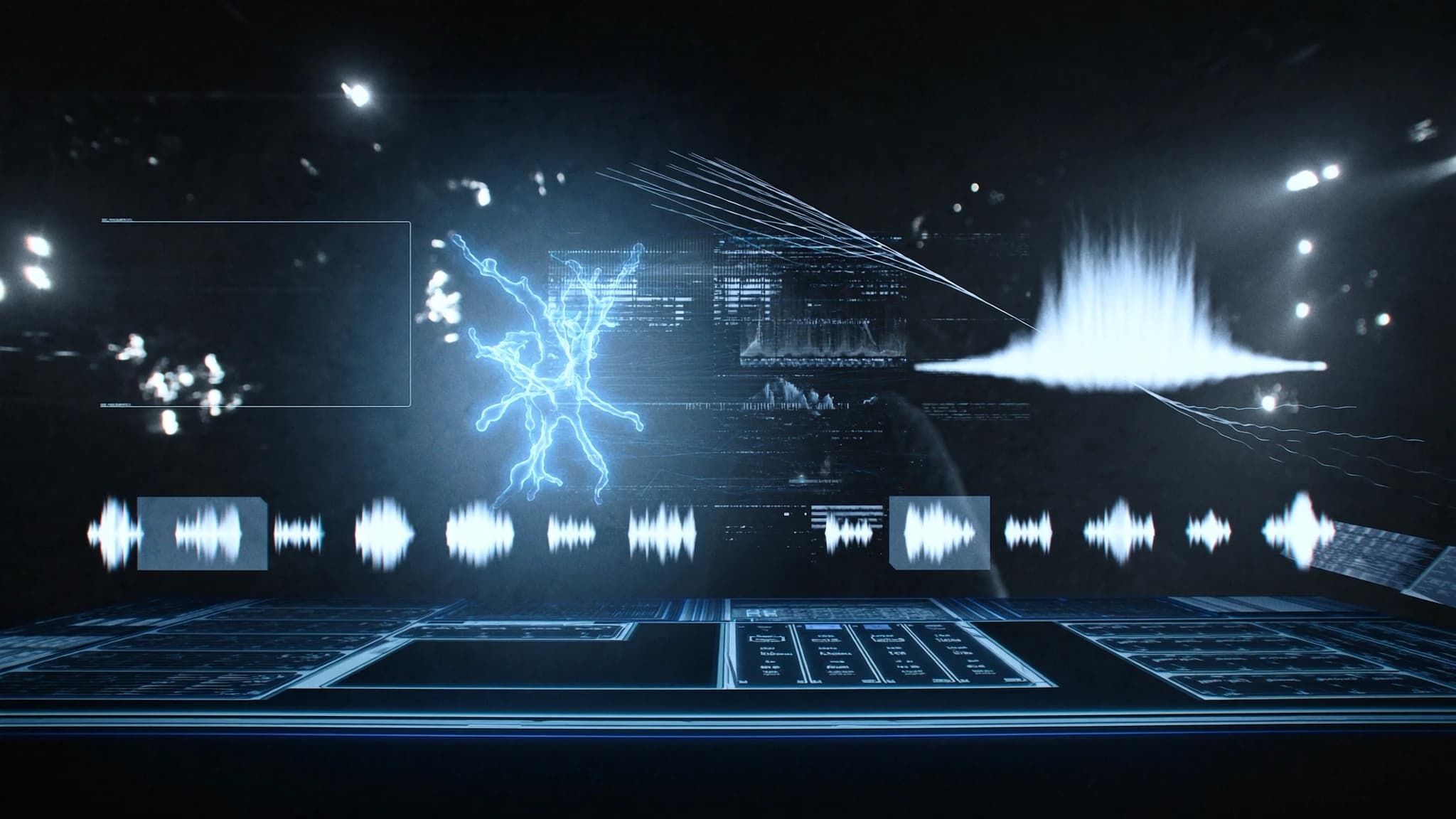
SSOUNDSにとって人工知能はマーケティングの流行語ではなく、ラウドスピーカーシステムの設計、チューニング、展開のあらゆる段階を高める中核的なエンジニアリングツールです。外科手術のような精度でカバレッジを予測するAI支援音響モデリングから、実世界の条件に適応する機械学習で最適化されたDSPプリセットまで、SSOUNDSはプロフェッショナルが信頼するハードウェアとソフトウェアに知能を統合しています。このガイドでは、SSOUNDSがどのようにAIをシステム全体に適用しているかを説明します。常により良いサウンドのために、ギミックではなく。
主なポイント
- SSOUNDSはAI支援音響モデリングを使用して、あらゆる会場形状のカバレッジを予測および最適化します。
- 機械学習がDSPプリセットをチューニングし、実世界の条件とコンポーネント公差に適応します。
- 予測シミュレーションはAIとロジスティクスデータを組み合わせ、現場でのエラーを減らし展開を迅速化します。
- System DesignerソフトウェアはAIツールを統一ワークフローに統合し、過去のプロジェクトから学習します。
- SSOUNDSのAIは常にエンジニアリングの卓越性のために機能し、マーケティングの誇大広告のためではありません。
- グローバルな展開からの実世界データがSSOUNDS AIモデルを継続的に改善します。
精密なカバレッジのためのAI支援音響モデリング
従来の音響モデリングは手動計算と経験的データに依存しており、カバレッジにギャップが生じたり、現場での広範な調整が必要になったりすることがあります。SSOUNDSはAI支援音響モデリングを使用して、バルコニー、柱、不規則な表面など複雑な会場形状と音波がどのように相互作用するかを、1台のキャビネットを吊るす前にシミュレーションします。
AIエンジンは数千の可能なアレイ構成を数秒で分析し、過去の展開データから学習して、最適なスプレイ角度、トリム高さ、サブウーファー配置を推奨します。これにより推測が減り、500人収容のクラブでも50,000席のスタジアムでも、すべての席が一貫した明瞭なサウンドを受け取ることが保証されます。
AIをモデリング段階に統合することで、SSOUNDSのエンジニアはコムフィルタリング、反射、デッドゾーンなどの問題を予測し軽減でき、最初の音から設計どおりに機能するシステムを提供します。
機械学習でチューニングされたDSPとラウドスピーカープリセット
デジタル信号処理は現代のラウドスピーカーパフォーマンスの backbone ですが、汎用DSPプリセットは温度、湿度、コンポーネントの公差などの実世界の変数を考慮できないことがよくあります。SSOUNDSは機械学習を採用してDSPプリセットをチューニングし、多様な環境で取得した数千件の音響測定データでモデルをトレーニングしています。
MLアルゴリズムは周波数応答、位相コヒーレンス、ドライバー挙動のパターンを特定し、各特定のエンクロージャータイプに対して線形性とヘッドルームを最適化するプリセットを自動生成します。つまり、SSOUNDSのラインアレイとポイントソーススピーカーは、異なる会場や条件でも一貫した音調バランスと位相整合を提供します。
さらに、システムはリアルタイムで適応できます。搭載センサーがDSPにデータをフィードバックし、MLモデルがクロスオーバーポイント、リミッティング、EQを微調整して、システムが安全な動作限界内に留まりながら出力と明瞭度を最大化できるようにします。
予測シミュレーション:設計から展開まで
ツアーや設置が始まる前に、SSOUNDSのエンジニアはAI駆動の音響モデルと、リギングポイント、電源可用性、観客レイアウトなどの実世界のロジスティクスを組み合わせた予測シミュレーションを実行します。シミュレーションはSPL分布、各リスニングポジションでの周波数応答、さらには潜在的なフィードバック経路を予測します。
この予測能力により、システム設計者は複数のアレイ構成とサブウーファー配置を仮想的に比較でき、時間を節約し、現場での高コストなエラーのリスクを減らします。AIはまた、密閉空間での過剰な低周波蓄積や遠距離ゾーンでの不十分なカバレッジなどの潜在的な問題をフラグします。
システムが展開されると、SSOUNDS System Designerソフトウェアを使用してシミュレーションをライブ測定と比較でき、予測と現実の間のループを閉じます。この反復プロセスはAIモデルを継続的に改善し、その後の展開をより正確にします。
System Designerソフトウェア:インテリジェントなワークフロー統合
ソフトウェアのAIアシスタントは、会場寸法、観客収容人数、希望SPLなどのユーザー入力に基づいて最適なシステム構成を提案できます。過去のプロジェクトから学習するため、使用するほど推奨事項が改善されます。これは、異なる会場間でシステムを迅速に再構成する必要があるツアーエンジニアにとって特に価値があります。
System Designerは予測シミュレーション出力とも統合され、ユーザーがカバレッジマップを視覚化し、パラメータをオンザフライで調整できるようにします。その結果、シームレスでインテリジェントな設計から展開までのパイプラインが実現し、セットアップ時間を短縮し、毎晩一貫したサウンド品質を保証します。
エンジニアリングであり、ギミックではない:プロフェッショナルオーディオでAIが重要な理由
誇大広告が実質を上回ることが多い業界で、SSOUNDSはAIをどこでどのように適用するかを意図的に選択しています。目標は常に実際のエンジニアリング課題を解決することです。カバレッジ精度の向上、セットアップ時間の短縮、システム寿命の延長、再現可能な高品質サウンドの提供。
AIは人間の専門知識を置き換えるためではなく、強化するために使用されます。システムデザイナーやエンジニアは制御を維持し、AI生成の洞察を使用してより迅速に情報に基づいた決定を下します。このアプローチにより、SSOUNDSシステムは技術的に先進的であるだけでなく、現場で実用的かつ信頼性が高いものになります。
AIが進化し続ける中、SSOUNDSはアフリカ、ヨーロッパ、アメリカ大陸の困難な環境を含む、世界中の数千のショーや設置からの実世界データでモデルを改良することにコミットしています。その結果、プロフェッショナルが信頼できる、よりスマートで応答性の高いPAシステムが実現します。
よくある質問
SSOUNDSのAIは、人間のシステムエンジニアの必要性を置き換えるものですか?
いいえ。SSOUNDSのAIは、エンジニアの専門知識を代替するのではなく、強化するために設計されています。AIは推奨事項とシミュレーションを提供しますが、最終的な判断は経験と会場固有の要件に基づいてエンジニアが下します。
SSOUNDSは機械学習モデルをどのようにトレーニングしていますか?
SSOUNDSは、ツアー、フェスティバル、常設設置など、多様な実環境で取得した数千件の音響測定データでMLモデルをトレーニングしています。このデータは、DSPプリセットと予測アルゴリズムの最適化に使用されます。
SSOUNDSのAIはライブイベント中に変化する条件に適応できますか?
はい。搭載センサーがリアルタイムデータをDSPに送信し、MLモデルがクロスオーバーポイント、リミッティング、EQを微調整して、最適なパフォーマンスを維持しシステムを保護できるようにします。
SSOUNDS System Designerソフトウェアはすべてのユーザーが利用できますか?
はい。System DesignerはすべてのSSOUNDSシステムオーナーに提供され、ダウンロード可能です。システム設計、シミュレーション、モニタリングのためのAI支援ツールが含まれています。
SSOUNDSはAIがギミックではないことをどのように保証していますか?
SSOUNDSはAIアプリケーションを、カバレッジ精度、DSP最適化、展開効率といった具体的なエンジニアリング課題の解決に集中させています。すべてのAI機能は実世界のパフォーマンスデータに対して検証され、測定可能な改善を提供するように設計されています。
システムの構築やアップグレードをお考えですか?
SSOUNDSは、単一の部屋からスタジアム規模まで、プロ用PAを世界中で設計・製造しています。