マルチルームオーディオシステム:完全ガイド
マルチルームオーディオシステムは、自宅でのサウンド体験を一変させ、部屋ごとに異なる音楽を楽しんだり、家中で同じトラックを再生したりできます。このガイドでは、有線対ワイヤレス、アンプのトポロジー、スピーカーの種類、制御方法など、重要な決定事項を網羅し、プロフェッショナルグレードのパフォーマンスとシームレスな楽しさを実現するシステムを計画できるようにします。
主なポイント
- 有線システムは、全館オーディオに対して優れた信頼性、レイテンシー、オーディオ品質を提供します。
- マトリックスアンプは、ゾーンごとのアンプセットアップと比較して、ルーティングと拡張を簡素化します。
- 回転可能なツイーターと適切な間隔を備えた天井スピーカーは、均一なカバレッジを保証します。
- 制御アプリは応答性が高く、グループ化をサポートし、オフラインで動作する必要があります。
- 建設中に余分なケーブルとコンジットを配線して、将来の拡張に備えます。
- プロフェッショナルグレードのコンポーネントは、より良いパフォーマンス、耐久性、サポートを提供します。
有線対ワイヤレス:バックボーンの選択
有線システムは、中央のアンプまたはマトリックスから各ゾーンに専用のスピーカーケーブルを配線します。非圧縮オーディオ、ゼロレイテンシー、絶対的な信頼性を提供し、パフォーマンスが重要な全館設置に理想的です。ワイヤレスシステム(Wi-FiまたはBluetooth)は後付けが容易ですが、干渉、圧縮、同期遅延の問題が発生する可能性があります。恒久的で高忠実度のマルチルームセットアップには、有線がプロフェッショナルの標準です。
Sonos、AirPlay、Chromecastなどのワイヤレスプラットフォームはカジュアルなリスニングには便利ですが、ゾーン間で変動するレイテンシーをもたらし、ネットワークの安定性に依存します。対照的に、中央マトリックススイッチャーを備えた有線システムは、すべてのゾーンが同じ純粋な信号を受信し、部屋ごとに独立した音量とソース選択を可能にします。
ストリーミングプラットフォームとソース統合
現代のマルチルームシステムは、ネットワークオーディオプレーヤーや内蔵ストリーマーを介してストリーミングサービス(Spotify、Tidal、Apple Music、Qobuz)を統合します。専用アプリやタッチパネルなどの中央制御システムにより、どこからでもゾーンをグループ化し、音量を調整し、ソースを選択できます。ハイレゾオーディオの場合、ストリーマーがロスレスコーデック(FLAC、ALAC)と低ジッター出力をサポートしていることを確認してください。
ハイブリッドアプローチを検討してください。主要ゾーン(リビングルーム、パティオ)には有線マトリックスを使用し、二次スペース(バスルーム、キッチン)にはワイヤレスエンドポイントを使用します。多くのマトリックスアンプにはストリーミングモジュールが内蔵されており、ソース管理が簡素化されます。
ゾーンごとのアンプ対マトリックスアンプ
ゾーンごとのアンプシステムは、各部屋に個別のステレオアンプを使用し、それぞれにソースを供給します。これはシンプルですが、拡張性が低く、複数のアンプとソースデバイスが必要です。マトリックスアンプ(例:8ゾーン、16ゾーン)は、複数のアンプチャンネルと内蔵オーディオマトリックスを組み合わせ、任意のソースを任意のゾーンにルーティングできます。これにより機器が削減され、配線が簡素化され、全館同期や独立した音量制御などの高度な機能が可能になります。
マトリックスアンプには多くの場合、ゾーンごとのDSPが含まれており、各部屋を最適なサウンドにEQ調整できます。大規模な設置では、Ethernet制御(例:RS-232またはIP経由)を備えたマトリックスがCrestronやControl4などのホームオートメーションシステムと統合されます。
天井スピーカー:選択と配置
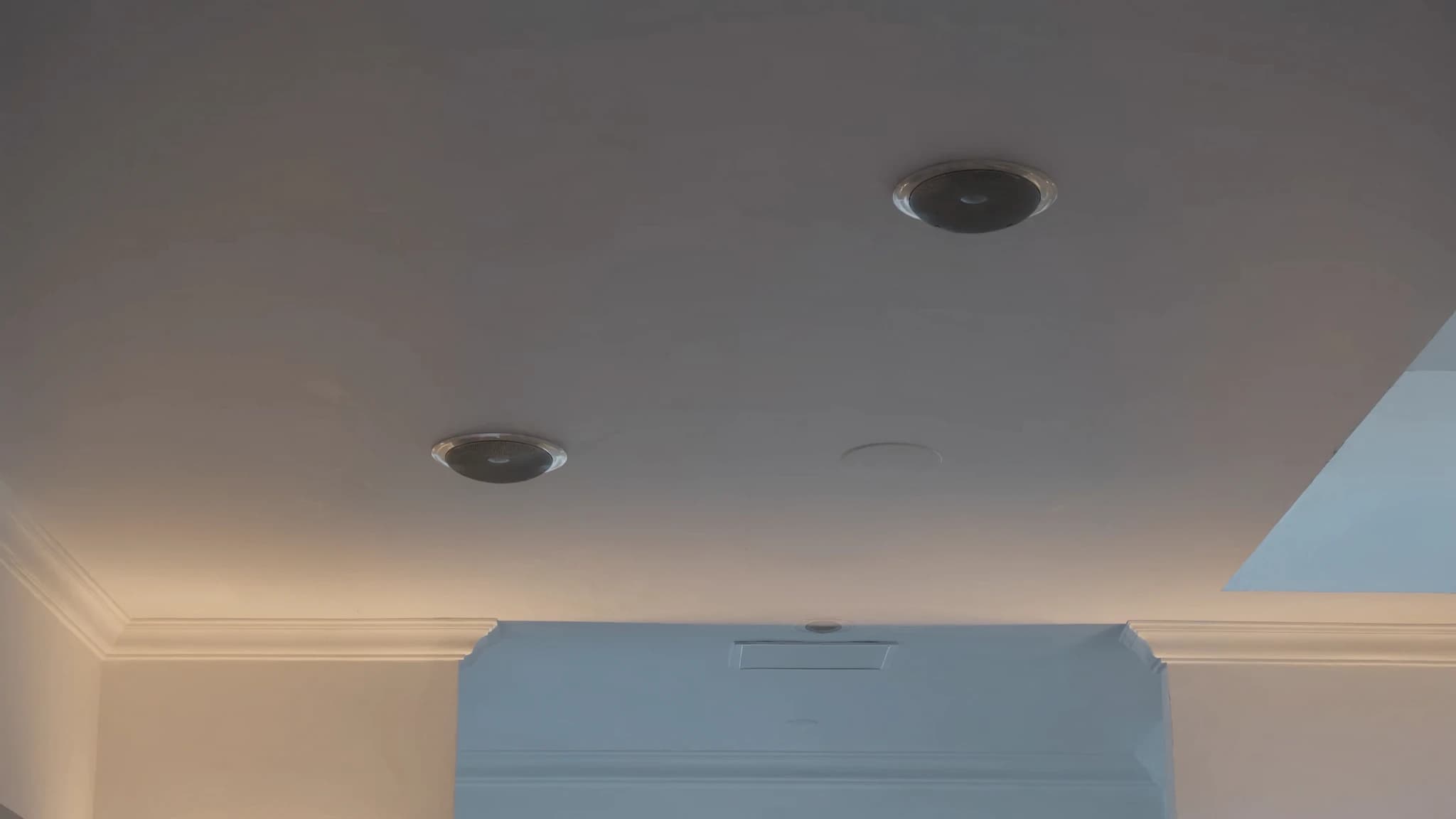
天井スピーカーは、マルチルームオーディオで最も目立たないオプションです。リスニングエリアに音を向けるための回転可能なツイーターを備えたモデルを探し、オープンバック対密閉バックの設計を検討してください。オープンバックスピーカーは天井裏と結合してより良い低音を得られますが、音響処理が必要です。密閉バックスピーカーは断熱天井への設置が容易です。
一貫したカバレッジのために、スピーカーをグリッドパターンで8~12フィート離して配置します。広い部屋では、低域拡張のためにサブウーファーを追加します。SSOUNDSのプロフェッショナルグレード天井スピーカーは、耐候性コーンと高電力処理を備え、厳しい環境でもクリアでフルレンジのサウンドを保証します。
制御アプリとユーザーエクスペリエンス
優れたマルチルームシステムは、音楽を変更したいと思うまで存在感がありません。制御アプリ(iOS/Android)は、ゾーンのグループ化、部屋ごとの音量調整、最小限のレイテンシーでのソース閲覧を可能にする必要があります。信頼性のために、オフラインモードとローカルネットワーク制御(クラウド依存なし)をサポートするアプリを探してください。
高度なシステムは、音声制御(Alexa、Google Assistant)、各部屋の物理キーパッド、照明やHVACとの統合を提供します。最高の体験のために、電話に依存しない専用コントローラーを備えたシステムを選択してください。ゲストは壁掛けタッチスクリーンを使用できます。
マルチルームシステムの計画:ステップバイステップのアプローチ
1. ゾーンをマッピングする:オーディオを希望するすべての部屋をリストアップします。独立した音量とソース制御が必要なゾーンを優先します。2. 有線またはワイヤレスを選択する:新築の場合、すべてのゾーンにスピーカーケーブルを配線します。後付けの場合、有線の主要ゾーンを持つハイブリッドを検討します。3. マトリックスアンプを選択する:ゾーンとソースの数を決定します。4つのステレオ入力を持つ6ゾーンマトリックスが一般的な出発点です。4. スピーカーを選ぶ:一般リスニングには天井スピーカー、専用リスニングルームには壁埋め込み、パティオには屋外用スピーカー。5. 制御を計画する:アプリのみか壁パネルかを決定します。6. 将来の拡張を考慮する:追加ゾーン用に余分なコンジットとワイヤープルを残します。
プロフェッショナルグレードが重要な理由
コンシューマー向けマルチルームシステムは、パワー、オーディオ品質、拡張性で妥協することがよくあります。SSOUNDSのマルチゾーンアンプや天井スピーカーなどのプロフェッショナルグレードコンポーネントは、より高いSPL、より低い歪み、より広い周波数応答を提供します。また、堅牢なサポート、ファームウェア更新、商用オートメーションシステムとの統合も提供します。数十年持続するシステムには、連続運転と要求の厳しいリスナー向けに設計された機器に投資してください。
よくある質問
同じシステムで有線ゾーンとワイヤレスゾーンを混在させることはできますか?
はい、多くのマトリックスアンプにはラインレベルの出力があり、ワイヤレスストリーマーやパワードスピーカーに接続できるため、ハイブリッドなアプローチが可能です。
一般的なマトリックスアンプはいくつのゾーンをサポートできますか?
一般的なマトリックスアンプは4~16ゾーンに対応しています。より大きな住宅では、複数のマトリックスをカスケード接続するか、集中型DSPと分散型アンプを使用します。
すべてのゾーンにサブウーファーが必要ですか?
必ずしも必要ではありません。低域が50 Hzまで伸びる天井スピーカーはBGMに十分です。専用のリスニングルームにはサブウーファーを追加してください。
各部屋の音量を制御する最善の方法は何ですか?
壁埋め込み型のボリュームノブ(インピーダンス整合)はシンプルですが、ソースの選択が制限されます。アプリ制御やキーパッドを備えたマトリックスなら、ゾーンごとに独立した音量とソースを提供できます。
既存のステレオアンプをマルチルームシステムで使用できますか?
はい、ステレオアンプをマトリックスの1つのゾーンにパワード出力として接続できますが、プリアンプやボリュームコントローラーを追加しない限り、独立した音量制御は失われます。
システムの構築やアップグレードをお考えですか?
SSOUNDSは、単一の部屋からスタジアム規模まで、プロ用PAを世界中で設計・製造しています。