ワイヤレスホームシアターシステム:完全ガイド
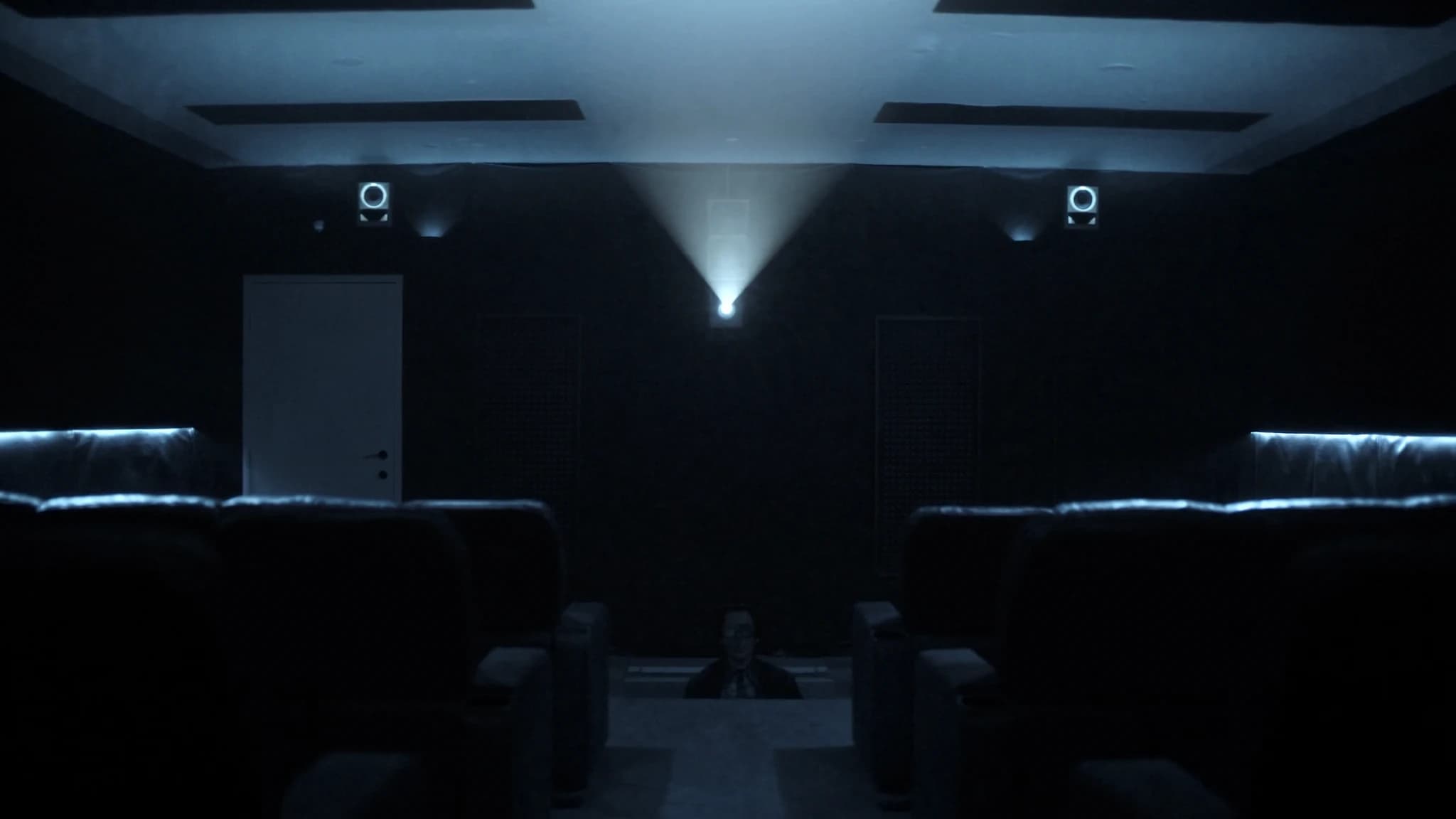
ワイヤレスホームシアターシステムは、よりクリーンでケーブルのない設置を約束しますが、レイテンシ、信頼性、音質に関する疑問も生みます。このガイドでは誇大広告を排し、ワイヤレスが理にかなうのはどのような場合か、そして2026年に最高のパフォーマンスを得る方法を判断できるようにします。
主なポイント
- ワイヤレスホームシアターはサラウンドスピーカーとサブウーファーに最適で、フロントチャンネルは信頼性のために有線に保つ。
- WiSAは非圧縮マルチチャンネルオーディオ向けの主要な低レイテンシプロトコル(5ms未満)。
- リップシンク問題を避けるには15ms未満のレイテンシが不可欠で、映画には標準Bluetoothを避ける。
- 干渉は可能だが、現代の適応周波数ホッピングシステムでは稀。
- ハイブリッド構成(有線フロント+ワイヤレスサラウンド/サブ)はパフォーマンスと利便性の最良のバランスを提供。
- 2026年には、AVレシーバーとTVのネイティブワイヤレスサポートにより、ワイヤレス構成がこれまで以上に簡単になる。
ワイヤレスホームシアターオーディオの仕組み
ワイヤレスホームシアターシステムは、無線周波数(RF)、Wi-Fi、またはWiSA(Wireless Speaker and Audio Association)のような独自プロトコルを使用して、ソースまたはレシーバーからスピーカーへオーディオを伝送します。短距離のパーソナルオーディオ向けに設計され、目立つレイテンシを生じる可能性があるBluetoothとは異なり、現代のワイヤレスシステムはマルチチャンネル・高忠実度オーディオを低遅延で扱うように設計されています。
WiSAはワイヤレスホームシアターのゴールドスタンダードとなっており、専用の5.2~5.8 GHz帯で非圧縮24ビット/96kHzオーディオをサポートします。最大8チャンネルを5ms未満のレイテンシで処理でき、ほとんどのリスナーには知覚できません。他のシステムは独自のRFまたはWi-Fiとカスタムコーデックを使用して、同期と信頼性を管理します。
レイテンシとリップシンク:決定的な要素
レイテンシはホームシアターの敵です。映像と音声の間の遅延は、たとえ20~30msでも気が散る原因になります。ワイヤレスシステムは、目立つリップシンクエラーを避けるために、合計レイテンシを10~15ms未満に抑える必要があります。WiSA認定製品はこれを達成していますが、多くのコンシューマーグレードのワイヤレススピーカー(特に標準Bluetoothを使用するもの)は100~200msを生じ、映画には不向きです。
ワイヤレスシステムを検討している場合は、低レイテンシ認証を確認してください。多くのAVレシーバーは現在、WiSAサポートまたはワイヤレストランスミッターモジュールを内蔵しています。フロントスピーカーが有線でサラウンドがワイヤレスというハイブリッド構成では、ワイヤレスプロトコルがレシーバーの機能と一致することを確認してください。
信頼性:実世界の家庭における有線対ワイヤレス
有線接続は本質的により信頼性が高いです。干渉も、ドロップアウトも、バッテリーの心配もありません。ワイヤレスシステムは、Wi-Fiの混雑、コードレス電話、ベビーモニター、さらには電子レンジの影響を受ける可能性があります。密集した都市部や多くのスマートデバイスがある家庭では、2.4 GHz帯は特に混雑しています。WiSAの5 GHz帯の使用は助けになりますが、免疫があるわけではありません。
とはいえ、現代のワイヤレスシステムは成熟しています。適応周波数ホッピング、エラー訂正、バッファリングが安定したリンクの維持に役立ちます。ほとんどのユーザーにとって、よく設計されたワイヤレスシステムは99%の時間、完璧に動作します。トレードオフは、時折の干渉やスピーカーの再起動の必要性で、稀ですが可能性はあります。
2026年にワイヤレスが理にかなう場面
ワイヤレスは、リアサラウンドとサブウーファーに理想的です。これらのスピーカーはAVレシーバーから遠く、きれいに配線するのが難しいことがよくあります。多くの家庭には壁内配線がなく、ドアの開口部を越えたりラグの下にスピーカーケーブルを這わせるのは見苦しいです。ワイヤレスサラウンドキット(例:WiSAベース)はこれをエレガントに解決できます。
フロント左/センター/右チャンネルには、有線が依然として優れています。これらのスピーカーは対話とサウンドステージの大部分を担い、レイテンシや圧縮がより目立ちます。ハイブリッドアプローチ、つまり有線フロント、ワイヤレスサラウンドとサブは、パフォーマンスと利便性の最良のバランスを提供します。2026年には、より多くのAVレシーバーがネイティブワイヤレスサポートを備え、外部トランスミッターの必要性が減ることが予想されます。
音質:ワイヤレスは有線に匹敵できるか?
はい、適切な技術があれば可能です。WiSAは非圧縮24ビット/96kHzオーディオをサポートし、HDMIや光で送るものと同一です。BluetoothのSBCやAACのような非可逆圧縮はありません。ただし、スピーカー自体の品質が接続よりも重要です。安価なワイヤレススピーカーは、プロトコルに関係なく、良い有線スピーカーより悪く聞こえます。
ワイヤレスサブウーファーは特に便利で、長いケーブルを引かずに最適な低音応答のために配置できます。多くのハイエンドサブウーファーは現在、ワイヤレスキットまたは内蔵ワイヤレスレシーバーを提供しています。ワイヤレスシステムがサブの電力要件を処理でき、低音に十分低いレイテンシがあること(定位にはそれほど重要ではありませんが、インパクトには依然重要)を確認するだけです。
ワイヤレスホームシアターの設置:実践的なヒント
選択したワイヤレスプロトコルをサポートする堅牢なAVレシーバーまたはプロセッサーから始めてください。WiSAを使用する場合は、WiSA認定内蔵のレシーバーを探すか、WiSA USBトランスミッターを追加してください。ワイヤレススピーカーはトランスミッターから30フィート以内に、障害物を最小限にして配置してください。金属製の物体や大型家電の近くに置くのは避けてください。
サブウーファーの場合、サブに内蔵ワイヤレスがない場合は専用のワイヤレストランスミッター/レシーバーキットを使用してください。多くのキットは2.4 GHzで動作し、わずかな遅延を生じる可能性があります。低レイテンシモードのあるものを選んでください。最後に、リップシンクテストビデオ(YouTubeで多く利用可能)でシステムをテストし、必要に応じてレシーバーの遅延設定を調整してください。
未来:ワイヤレス標準とエコシステム
WiSAは勢いを増していますが、Sonos、Bluesoundなどの独自ソリューションと競合しています。業界はユニバーサル標準に向かっています。WiSAの「WiSA Ready」プログラムと今後のWiSA E(embedded)は、ワイヤレスオーディオをHDMIのようにプラグアンドプレイにすることを目指しています。2026年には、より多くのTVとサウンドバーがWiSAサポートを備え、別のレシーバーなしで全館ワイヤレスサラウンドを可能にすることが予想されます。
プロフェッショナルおよびハイエンド設置では、SSOUNDSのような企業はミッションクリティカルな信頼性のために有線接続を引き続き支持していますが、ワイヤレステクノロジーが差を縮めていることを認識しています。私たちのアドバイス:生活を簡素化する場所でワイヤレスを使用し、コアフロントステージでは決して妥協しないでください。慎重に選ばれたハイブリッドシステムは、ケーブルの乱雑さなしにシネマ体験を提供できます。
よくある質問
ホームシアターにBluetoothスピーカーを使えますか?
おすすめしません。Bluetoothのレイテンシは通常100~200msで、リップシンクのずれがはっきりと分かります。また、Bluetoothはマルチチャンネルオーディオをネイティブに扱えません。代わりにWiSAまたは専用のワイヤレスシステムを使用してください。
ワイヤレスサブウーファーにはレイテンシの問題がありますか?
製品によりますが、最近のワイヤレスサブウーファーキットの多くは低レイテンシモード(10ms未満)を備えています。ホームシアターでは、低音はリップシンクにとってそれほど重要ではないため、通常は許容範囲です。低音の多いシーンでテストし、引き締まって感じられるか確認してください。
ホームシアターにおいてWiSAはSonosより優れていますか?
WiSAは非圧縮・低レイテンシのマルチチャンネルオーディオ向けに設計されているため、AVレシーバーを使う従来のホームシアターにより適しています。Sonosは音楽とカジュアルなTV視聴に最適化されたクローズドなエコシステムで、圧縮オーディオを使用し、レイテンシが高くなる可能性があります。専用のシアター構成にはWiSAを選んでください。
同じシステムで有線スピーカーとワイヤレススピーカーを混在させられますか?
はい、多くのAVレシーバーがこれを可能にしています。フロントチャンネルは有線、サラウンドとサブウーファーはワイヤレスにしてください。レシーバーが両方を同時に処理できること、およびワイヤレスプロトコルに互換性があることを確認するだけです。
ワイヤレスは有線と同じくらい信頼できるようになりますか?
ほとんどの家庭ユーザーにとって、ワイヤレスはすでに十分信頼できます。ただし、干渉リスクがゼロであることが求められるミッションクリティカルな設備(例:プロ用シアター)では、有線が常に優位です。家庭用途では、利便性が信頼性のわずかなトレードオフを上回ることがよくあります。
システムの構築やアップグレードをお考えですか?
SSOUNDSは、単一の部屋からスタジアム規模まで、プロ用PAを世界中で設計・製造しています。