Dolby Atmos Home Theater Opstelling: Een Complete Gids
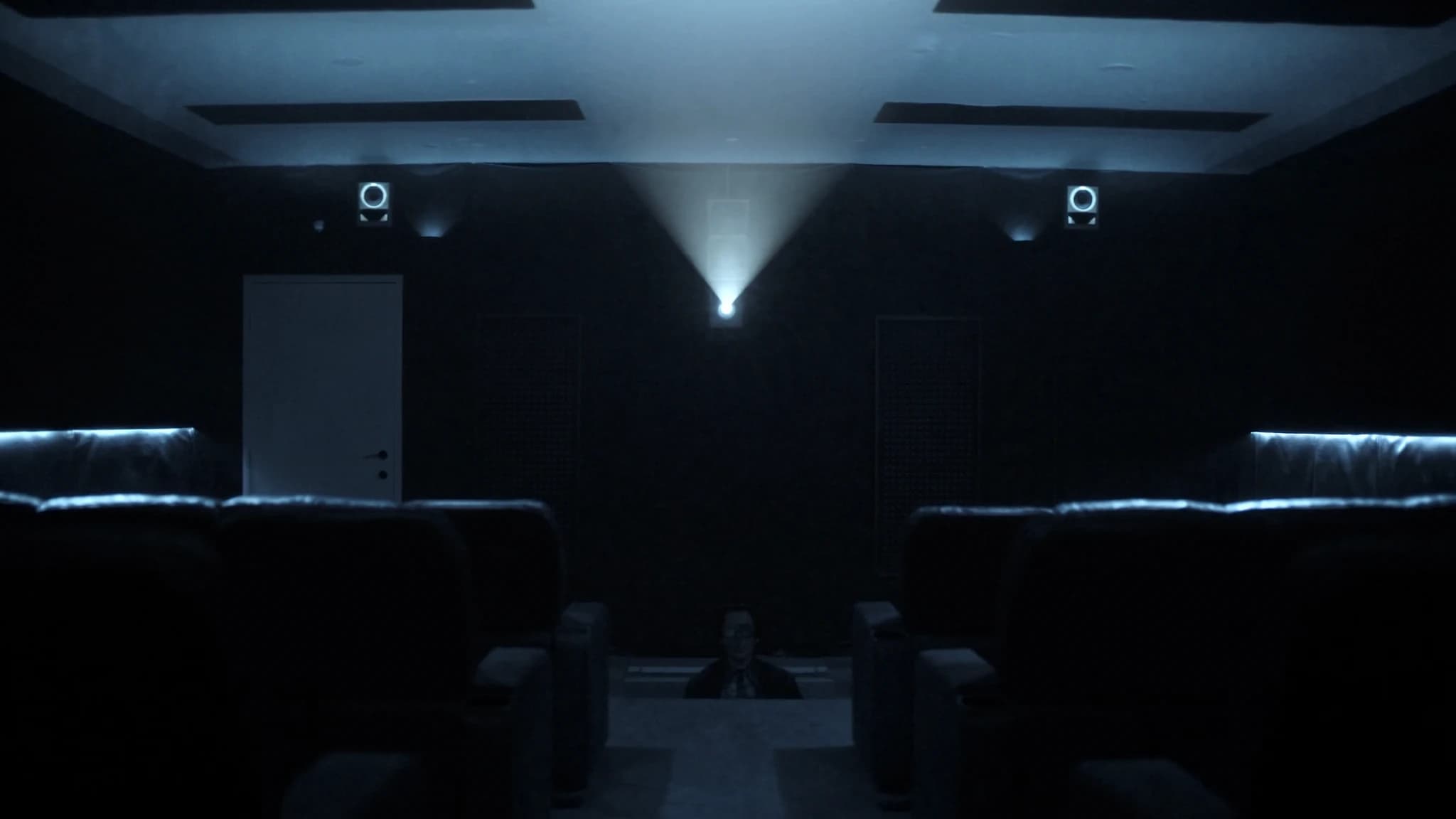
Dolby Atmos transformeert home theater door hoogtekanalen toe te voegen, waardoor een driedimensionaal geluidsbeeld ontstaat. Deze gids legt de bed- en hoogtelagen uit, evenals lay-outopties, luidsprekerplaatsing en calibratie, om je te helpen een systeem te ontwerpen dat meeslepende, objectgebaseerde audio levert.
Belangrijkste punten
- Dolby Atmos voegt een hoogtelaag toe aan traditionele surround sound, waardoor een 3D-audio-ervaring ontstaat.
- Kies een lay-out op basis van ruimtegrootte: 5.1.2 voor kleine ruimtes, 5.1.4 of 7.1.4 voor grotere ruimtes.
- In-ceiling luidsprekers bieden de beste hoogteprestaties; up-firing modules zijn een handig alternatief.
- Plaats hoogteluidsprekers onder specifieke hoeken (30-45 graden elevatie) voor nauwkeurige overhead-effecten.
- Kalibreer nauwgezet: stel luidsprekerniveaus, crossovers en EQ in om bed- en hoogtelagen naadloos te laten samensmelten.
Dolby Atmos begrijpen: Bed- en hoogtelagen
Dolby Atmos is een objectgebaseerd audioformaat dat hoogte-informatie toevoegt aan traditionele kanaalgebaseerde surround sound. Het systeem is opgebouwd uit twee lagen: de bed-laag en de hoogtelaag. De bed-laag bestaat uit de conventionele surroundkanalen (links, midden, rechts, surround links, surround rechts, en optioneel surround back links/rechts). Deze luidsprekers reproduceren het grootste deel van de soundtrack en verankeren de audio aan het scherm en het vlak van de luisteraar.
De hoogtelaag voegt luidsprekers boven de luisterpositie toe om een koepel van geluid te creëren. Deze luidsprekers kunnen in-ceiling zijn, up-firing modules die geluid van het plafond weerkaatsen, of hoog aan de muur gemonteerd. De hoogtelaag is wat Atmos zijn meeslepende kwaliteit geeft, waardoor geluiden zoals regen, vliegtuigen of vliegende objecten zich overhead kunnen verplaatsen.
In een home theater bevindt de bed-laag zich doorgaans op oorhoogte (ongeveer 1,2 meter of 4 voet wanneer men zit), terwijl de hoogtelaag zich in of aan het plafond bevindt. De combinatie van deze lagen, samen met nauwkeurige calibratie, creëert een naadloos driedimensionaal geluidsveld.
Je luidsprekerlay-out kiezen: 5.1.2, 5.1.4, 7.1.4 en verder
De cijfers in een lay-out (bijv. 5.1.2) geven het aantal bed-luidsprekers, subwoofers en hoogteluidsprekers aan. Een 5.1.2-systeem heeft vijf bed-luidsprekers (links, midden, rechts, surround links, surround rechts), één subwoofer en twee hoogteluidsprekers. Dit is het instapniveau voor Atmos en werkt goed in kleine tot middelgrote ruimtes.
Een 5.1.4-systeem voegt twee extra hoogteluidsprekers toe, meestal voor en achter de luisterpositie. Dit zorgt voor nauwkeuriger overhead-panning en is ideaal voor ruimtes waar zijsurround-plaatsing beperkt is. Een 7.1.4-systeem voegt twee surround back-luidsprekers toe aan de bed-laag, waardoor een meer omhullend achtergeluidsbeeld ontstaat. Dit wordt aanbevolen voor grotere ruimtes waar de luisterpositie zich enkele meters van de achterwand bevindt.
Voor dedicated home theaters zijn 7.1.6- of 9.1.6-lay-outs mogelijk, met meer hoogte- en wide-luidsprekers. De grootte van de ruimte en de zitopstelling moeten echter de lay-out bepalen. In kleinere ruimtes kunnen te veel luidsprekers localisatieproblemen en rommel veroorzaken. SSOUNDS-engineers raden vaak aan om te beginnen met een 5.1.4-lay-out en deze uit te breiden als de ruimte het toelaat, omdat de hoogtelaag meer bijdraagt aan de Atmos-ervaring dan extra bed-kanalen.
In-ceiling versus up-firing modules: voor- en nadelen
In-ceiling luidsprekers zijn de gouden standaard voor Atmos-hoogtekanalen. Ze bieden direct, nauwkeurig overhead-geluid en zijn minder gevoelig voor plafondhoogte of ruimteakoestiek. Ze vereisen installatie, maar bieden de beste prestaties en esthetische integratie. Voor ruimtes met toegankelijke plafonds of tijdens de bouw zijn in-ceiling luidsprekers de voorkeurskeuze.
Up-firing modules staan bovenop je bestaande bed-luidsprekers en weerkaatsen geluid van het plafond om overhead-luidsprekers te simuleren. Ze zijn eenvoudig te installeren en vereisen geen snijden in het plafond, waardoor ze ideaal zijn voor huurruimtes of ruimtes met massieve plafonds. Hun prestaties zijn echter afhankelijk van plafondhoogte, vlakheid en reflectiviteit. Ze werken het beste in ruimtes met plafonds tussen 2,4 en 3,6 meter (8 tot 12 voet) en gladde, niet-absorberende oppervlakken.
Een hybride aanpak is ook mogelijk: in-ceiling luidsprekers voor de voorste hoogtekanalen en up-firing modules voor de achterste, of omgekeerd. Het belangrijkste is om timbre-matching over alle hoogteluidsprekers te waarborgen. SSOUNDS ontwerpt zowel in-ceiling als surface-mount hoogteluidsprekers die kunnen worden gecombineerd om bij de ruimte te passen.
Luidsprekerplaatsingshoeken: de wetenschap van immersie
Correcte plaatsing is cruciaal voor Atmos. De bed-laag moet de standaard surround-richtlijnen volgen: de linker- en rechterluidsprekers op 30 graden van het midden, het middenkanaal direct onder of boven het scherm, en surrounds op 90 tot 110 graden van de luisterpositie. Surround back-luidsprekers, indien gebruikt, gaan op 135 tot 150 graden.
Hoogteluidsprekers worden onder specifieke hoeken ten opzichte van de luisteraar geplaatst. Voor een 5.1.2- of 5.1.4-systeem moeten de voorste hoogteluidsprekers zich op 30 tot 45 graden elevatie van de luisterpositie bevinden, en de achterste hoogteluidsprekers op 125 tot 150 graden azimut en 30 tot 45 graden elevatie. In een 7.1.4-systeem worden de hoogteluidsprekers doorgaans boven de posities front left/right en surround left/right geplaatst, op 45 graden elevatie.
Dolby biedt gedetailleerde richtlijnen, maar de exacte hoeken zijn afhankelijk van ruimteafmetingen en zitplaatsen. Gebruik een gradenboog of laserhoekmeter om te meten. SSOUNDS gebruikt geavanceerde akoestische modellering om dekking te voorspellen en ervoor te zorgen dat elke stoel een gebalanceerde, meeslepende ervaring krijgt. Als je twijfelt, raadpleeg een professionele installateur of gebruik calibratiesoftware om fijn af te stemmen.
AVR- en processorselectie: je Atmos-systeem van stroom voorzien
Om een Atmos-systeem aan te sturen, heb je een AV-receiver (AVR) of preamp/processor nodig met ten minste het aantal kanalen dat overeenkomt met je lay-out. Voor een 5.1.2-systeem is een 7-kanaals AVR voldoende. Voor 5.1.4 of 7.1.4 heb je een 9- of 11-kanaals AVR nodig, of een aparte processor en versterker.
Merken zoals Denon, Yamaha en Marantz bieden een reeks Atmos-compatibele AVR's. Denon's X-serie en Marantz's SR-serie zijn populair vanwege hun room correction (Audyssey) en ondersteuning voor meerdere subwoofers. Yamaha's AVENTAGE-lijn heeft YPAO room correction en biedt vaak flexibelere versterkertoewijzingen. Overweeg bij het kiezen het vermogen per kanaal, het aantal HDMI-ingangen en ondersteuning voor de nieuwste HDMI-standaarden (bijv. HDMI 2.1 voor 8K).
Voor grotere systemen bieden een aparte processor en eindversterkers betere headroom en flexibiliteit. SSOUNDS-versterkers en DSP kunnen worden geïntegreerd met processors van derden om schoon, krachtig geluid te leveren. Zorg ervoor dat de AVR of processor de nieuwste Atmos-versie ondersteunt en voldoende kanalen heeft voor je gekozen lay-out.
Calibratie: de sleutel tot naadloze Atmos
Calibratie is essentieel om de bed- en hoogtelagen te laten samensmelten en om ruimteakoestiek te compenseren. Begin met het auto-calibratiesysteem in je AVR (bijv. Audyssey, YPAO, Dirac Live). Deze systemen meten luidsprekerafstanden, niveaus en EQ, maar ze zijn niet perfect. Verifieer de resultaten met een SPL-meter en een meetlint.
Stel alle luidsprekers in op 'small' en leid het laag naar de subwoofer, zelfs als ze groot zijn, om vervorming te verminderen en headroom te verbeteren. Pas de crossover-frequentie aan (meestal 80 Hz) op basis van de mogelijkheden van je luidsprekers. Zorg er voor de hoogteluidsprekers voor dat hun niveaus in balans zijn met de bed-laag; ze mogen niet overheersen, maar moeten duidelijk hoorbaar zijn.
Gebruik testtonen en demomateriaal om panning tussen bed- en hoogteluidsprekers te controleren. Dolby Atmos-demodiscs zijn van onschatbare waarde. Als je toegang hebt tot geavanceerde calibratietools zoals REW (Room EQ Wizard), meet de respons en pas handmatige EQ toe. SSOUNDS raadt professionele calibratie aan voor dedicated theaters, omdat dit de meeslepende ervaring aanzienlijk kan verbeteren.
Ruimteakoestiek en luidsprekerselectie
Ruimteakoestiek speelt een enorme rol in Atmos-prestaties. Reflecties en absorptie kunnen de hoogtelaag vertroebelen, waardoor het moeilijk is om overhead-geluiden te localiseren. Behandel eerste reflectiepunten op het plafond en de muren met absorberende panelen, maar vermijd overdemping, wat de ruimte levenloos kan laten klinken.
Kies luidsprekers die timbre-gematcht zijn over alle kanalen. Gebruik idealiter hetzelfde merk en dezelfde serie voor bed- en hoogteluidsprekers. In-ceiling luidsprekers moeten richtbare tweeters hebben om geluid naar het luistergebied te sturen. Up-firing modules moeten op een vlak, reflecterend oppervlak worden geplaatst.
SSOUNDS biedt een reeks home theater-luidsprekers die zijn ontworpen voor Atmos, waaronder in-ceiling en surface-mount modellen die naadloos integreren met onze line array- en point-source systemen. Onze engineers kunnen je helpen de juiste luidsprekers voor je ruimte en lay-out te selecteren.
Veelgestelde vragen
Kan ik up-firing modules gebruiken als mijn plafond gewelfd is?
Up-firing modules vertrouwen op een vlak, reflecterend plafond om geluid naar de luisterpositie te weerkaatsen. Gewelfde of sterk getextureerde plafonds zullen het geluid diffuseren en het overhead-effect verminderen. In zulke gevallen zijn in-ceiling of hoog gemonteerde luidsprekers een betere keuze.
Hoeveel hoogteluidsprekers heb ik nodig voor een kleine ruimte?
Voor kleine ruimtes (onder 20 vierkante meter) kunnen twee hoogteluidsprekers (5.1.2) voldoende zijn. Vier hoogteluidsprekers (5.1.4) bieden echter nauwkeuriger overhead-panning en worden aanbevolen als het zitgedeelte meer dan één rij beslaat. De verbetering is merkbaar, dus kies voor vier als je budget en ruimte het toelaten.
Heb ik een aparte versterker nodig voor Atmos?
Het hangt af van je AVR. Veel mid-range en high-end AVR's hebben voldoende ingebouwde kanalen voor 5.1.4 of 7.1.4. Als je meer kanalen nodig hebt (bijv. 7.1.6), heb je mogelijk een aparte meerkanaalsversterker of een preamp/processor met externe versterking nodig. Controleer het kanaalaantal en het vermogen van de AVR.
Hoe kalibreer ik hoogteluidsprekers?
Begin met de auto-calibratie van je AVR en verifieer vervolgens met een SPL-meter. Stel de niveaus van de hoogteluidsprekers zo in dat ze samensmelten met de bed-laag en deze niet overstemmen. Gebruik testtonen om panning te controleren en pas afstanden en crossover-instellingen aan. Voor de beste resultaten kun je professionele calibratie met ruimtemetingsoftware overwegen.
Wat is de ideale plafondhoogte voor Atmos?
Voor in-ceiling luidsprekers is een plafondhoogte van 2,4 tot 3,6 meter (8 tot 12 voet) ideaal. Voor up-firing modules moet het plafond vlak en reflecterend zijn, en de hoogte moet binnen het gespecificeerde bereik van de module vallen (meestal 2,4 tot 3,6 meter). Zeer hoge plafonds kunnen in-ceiling luidsprekers vereisen voor voldoende overhead-geluid.
Een systeem bouwen of upgraden?
SSOUNDS ontwerpt en produceert professionele PA wereldwijd, van een enkele ruimte tot stadionformaat.