Draadloze home theatersystemen: de complete gids
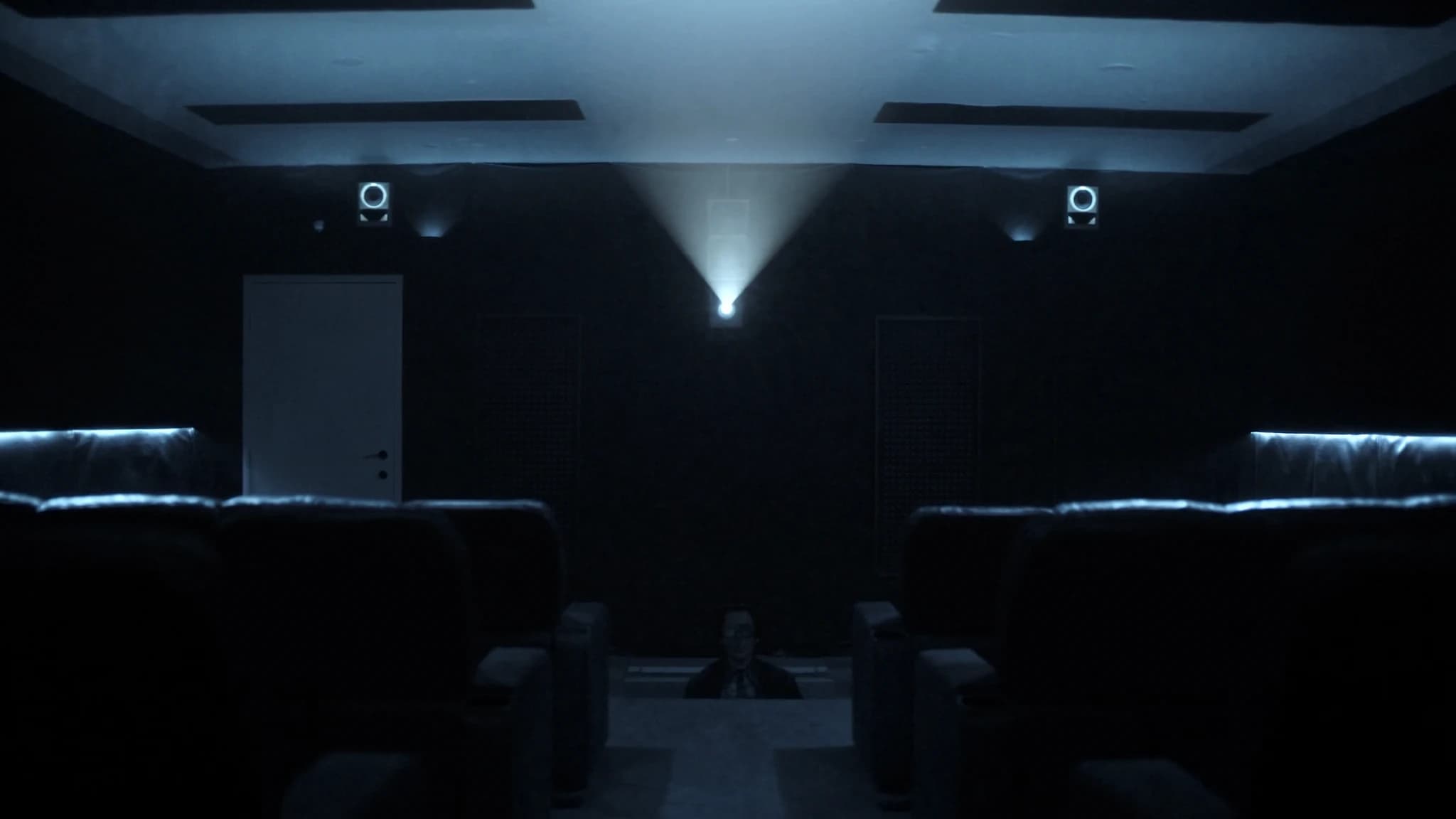
Draadloze home theatersystemen beloven een schonere opstelling zonder kabels, maar ze roepen ook vragen op over latency, betrouwbaarheid en audiokwaliteit. Deze gids snijdt door de hype heen om je te helpen beslissen wanneer draadloos zinvol is en hoe je in 2026 de beste prestaties haalt.
Belangrijkste punten
- Draadloos home theater is het beste voor surroundspeakers en subwoofers; houd frontkanalen bedraad voor betrouwbaarheid.
- WiSA is het toonaangevende low-latency-protocol (onder 5 ms) voor ongecomprimeerde meerkanaals audio.
- Latency onder 15 ms is essentieel om lipsync-problemen te voorkomen; vermijd standaard Bluetooth voor films.
- Interferentie is mogelijk maar zeldzaam met moderne adaptieve frequency-hopping-systemen.
- Hybride opstellingen (bedrade fronts + draadloze surrounds/subs) bieden de beste balans tussen prestaties en gemak.
- In 2026 maken native draadloze ondersteuning in AV-receivers en tv's draadloze opstellingen eenvoudiger dan ooit.
Hoe draadloze home theater-audio werkt
Draadloze home theatersystemen gebruiken radiofrequentie (RF), Wi-Fi of propriëtaire protocollen zoals WiSA (Wireless Speaker and Audio Association) om audio van de bron of receiver naar de speakers te verzenden. Anders dan Bluetooth, dat is ontworpen voor persoonlijke audio op korte afstand en merkbare latency kan introduceren, zijn moderne draadloze systemen ontworpen voor meerkanaals audio met hoge fidelity en lage vertraging.
WiSA is de gouden standaard geworden voor draadloos home theater, met ondersteuning voor ongecomprimeerde 24-bit/96kHz-audio via een speciale 5,2-5,8 GHz-band. Het kan tot 8 kanalen verwerken met minder dan 5 ms latency, onmerkbaar voor de meeste luisteraars. Andere systemen gebruiken propriëtaire RF of Wi-Fi met aangepaste codecs om sync en betrouwbaarheid te beheren.
Latency en lipsync: de kritische factor
Latency is de vijand van home theater. Elke vertraging tussen beeld en geluid, zelfs 20-30 ms, kan storend zijn. Draadloze systemen moeten de totale latency onder 10-15 ms houden om merkbare lipsync-fouten te voorkomen. WiSA-gecertificeerde producten bereiken dit, maar veel consumentendraadloze speakers (vooral die met standaard Bluetooth) introduceren 100-200 ms, waardoor ze ongeschikt zijn voor films.
Als je een draadloos systeem overweegt, controleer dan op low-latency-certificering. Veel AV-receivers bevatten nu ingebouwde WiSA-ondersteuning of draadloze zendermodules. Zorg bij hybride opstellingen, waarbij de frontspeakers bedraad zijn en de surrounds draadloos, dat het draadloze protocol overeenkomt met de mogelijkheden van de receiver.
Betrouwbaarheid: bedraad versus draadloos in echte woningen
Bedrade verbindingen zijn inherent betrouwbaarder: geen interferentie, geen dropouts, geen batterijzorgen. Draadloze systemen kunnen worden beïnvloed door Wi-Fi-drukte, draadloze telefoons, babyfoons en zelfs magnetrons. In dichte stedelijke gebieden of woningen met veel slimme apparaten zijn 2,4 GHz-banden bijzonder druk. WiSA's gebruik van de 5 GHz-band helpt, maar het is niet immuun.
Dat gezegd hebbende, moderne draadloze systemen zijn volwassen geworden. Adaptieve frequency hopping, foutcorrectie en buffering helpen een stabiele verbinding te behouden. Voor de meeste gebruikers werkt een goed ontworpen draadloos systeem 99% van de tijd vlekkeloos. De keerzijde is incidentele interferentie of de noodzaak om een speaker opnieuw op te starten, zeldzaam maar mogelijk.
Waar draadloos zinvol is in 2026
Draadloos is ideaal voor rear surrounds en subwoofers, speakers die vaak ver van de AV-receiver staan en moeilijk netjes te bedraden zijn. Veel woningen hebben geen inbouwbekabeling, en speakerdraad over deuropeningen of onder tapijten door leggen is lelijk. Een draadloze surroundkit (bijvoorbeeld op WiSA gebaseerd) kan dit elegant oplossen.
Voor de front left/center/right-kanalen blijft bedraad superieur. Deze speakers dragen het grootste deel van de dialoog en het klankbeeld; eventuele latency of compressie valt meer op. Een hybride aanpak, bedrade fronts, draadloze surrounds en subs, biedt de beste balans tussen prestaties en gemak. In 2026 zullen naar verwachting meer AV-receivers native draadloze ondersteuning bevatten, waardoor externe zenders minder nodig zijn.
Geluidskwaliteit: kan draadloos bedraad evenaren?
Ja, met de juiste technologie. WiSA ondersteunt ongecomprimeerde 24-bit/96kHz-audio, identiek aan wat je via HDMI of optisch zou verzenden. Er is geen lossy compressie zoals Bluetooth's SBC of AAC. De kwaliteit van de speakers zelf is echter belangrijker dan de verbinding. Een goedkope draadloze speaker klinkt slechter dan een goede bedrade, ongeacht het protocol.
Draadloze subwoofers zijn bijzonder handig, ze kunnen worden geplaatst voor een optimale basrespons zonder lange kabelrun. Veel high-end subwoofers bieden nu draadloze kits of ingebouwde draadloze receivers. Zorg er wel voor dat het draadloze systeem de stroomvereisten van de sub aankan en een lage genoeg latency heeft voor bas (wat minder kritisch is voor lokalisatie maar nog steeds belangrijk voor impact).
Een draadloos home theater opzetten: praktische tips
Begin met een solide AV-receiver of processor die je gekozen draadloze protocol ondersteunt. Als je WiSA gebruikt, zoek dan naar receivers met ingebouwde WiSA-certificering of voeg een WiSA USB-zender toe. Plaats draadloze speakers binnen 30 voet van de zender, met minimale obstakels. Vermijd plaatsing in de buurt van metalen objecten of grote apparaten.
Gebruik voor subwoofers een speciale draadloze zender/ontvanger-kit als de sub geen ingebouwde draadloze verbinding heeft. Veel kits werken op 2,4 GHz en kunnen enige vertraging introduceren; kies er een met low-latency-modus. Test het systeem ten slotte met een lipsync-testvideo (veel zijn beschikbaar op YouTube) en pas indien nodig eventuele vertragingsinstellingen in de receiver aan.
De toekomst: draadloze standaarden en ecosysteem
WiSA wint terrein, maar concurreert met propriëtaire oplossingen van Sonos, Bluesound en anderen. De industrie beweegt naar een universele standaard. WiSA's 'WiSA Ready'-programma en het aanstaande WiSA E (embedded) willen draadloze audio net zo plug-and-play maken als HDMI. In 2026 zullen naar verwachting meer tv's en soundbars WiSA-ondersteuning bevatten, waardoor draadloze surround in het hele huis mogelijk wordt zonder aparte receiver.
Voor professionele en high-end installaties blijven bedrijven zoals SSOUNDS bedrade verbindingen voorstaan voor missiekritische betrouwbaarheid, maar we erkennen dat draadloze technologie het gat dicht. Ons advies: gebruik draadloos waar het je leven vereenvoudigt, maar doe nooit concessies aan het kernfront. Een hybride systeem, zorgvuldig gekozen, kan een cinema-ervaring leveren zonder de kabelrommel.
Veelgestelde vragen
Kan ik bluetooth-speakers gebruiken voor home theater?
Niet aanbevolen. Bluetooth-latentie is doorgaans 100-200 ms, wat merkbare lipsync-fouten veroorzaakt. Bovendien kan Bluetooth van nature geen meerkanaals audio verwerken. Gebruik in plaats daarvan WiSA of speciale draadloze systemen.
Hebben draadloze subwoofers last van latency-problemen?
Sommige wel, maar veel moderne draadloze subwooferkits hebben low-latency-modi (onder 10 ms). Voor home theater is dit meestal acceptabel, omdat bas minder kritisch is voor lipsync. Test met een basrijke scène om te controleren of het strak aanvoelt.
Is WiSA beter dan Sonos voor home theater?
WiSA is ontworpen voor ongecomprimeerde, low-latency meerkanaals audio, waardoor het geschikter is voor traditioneel home theater met een AV-receiver. Sonos is een gesloten ecosysteem dat is geoptimaliseerd voor muziek en casual tv; het gebruikt gecomprimeerde audio en kan hogere latency hebben. Kies WiSA voor een speciale theateropstelling.
Kan ik bedrade en draadloze speakers in hetzelfde systeem combineren?
Ja, veel AV-receivers staan dit toe. Gebruik bedraad voor de frontkanalen en draadloos voor surrounds en subwoofers. Zorg er wel voor dat de receiver beide tegelijk aankan en dat het draadloze protocol compatibel is.
Zal draadloos ooit net zo betrouwbaar zijn als bedraad?
Voor de meeste thuisgebruikers is draadloos al betrouwbaar genoeg. Bedraad zal echter altijd een voorsprong houden bij missiekritische installaties (bijvoorbeeld professionele theaters) waar nul risico op interferentie vereist is. Voor thuisgebruik weegt het gemak vaak op tegen de kleine concessie op het gebied van betrouwbaarheid.
Een systeem bouwen of upgraden?
SSOUNDS ontwerpt en produceert professionele PA wereldwijd, van een enkele ruimte tot stadionformaat.